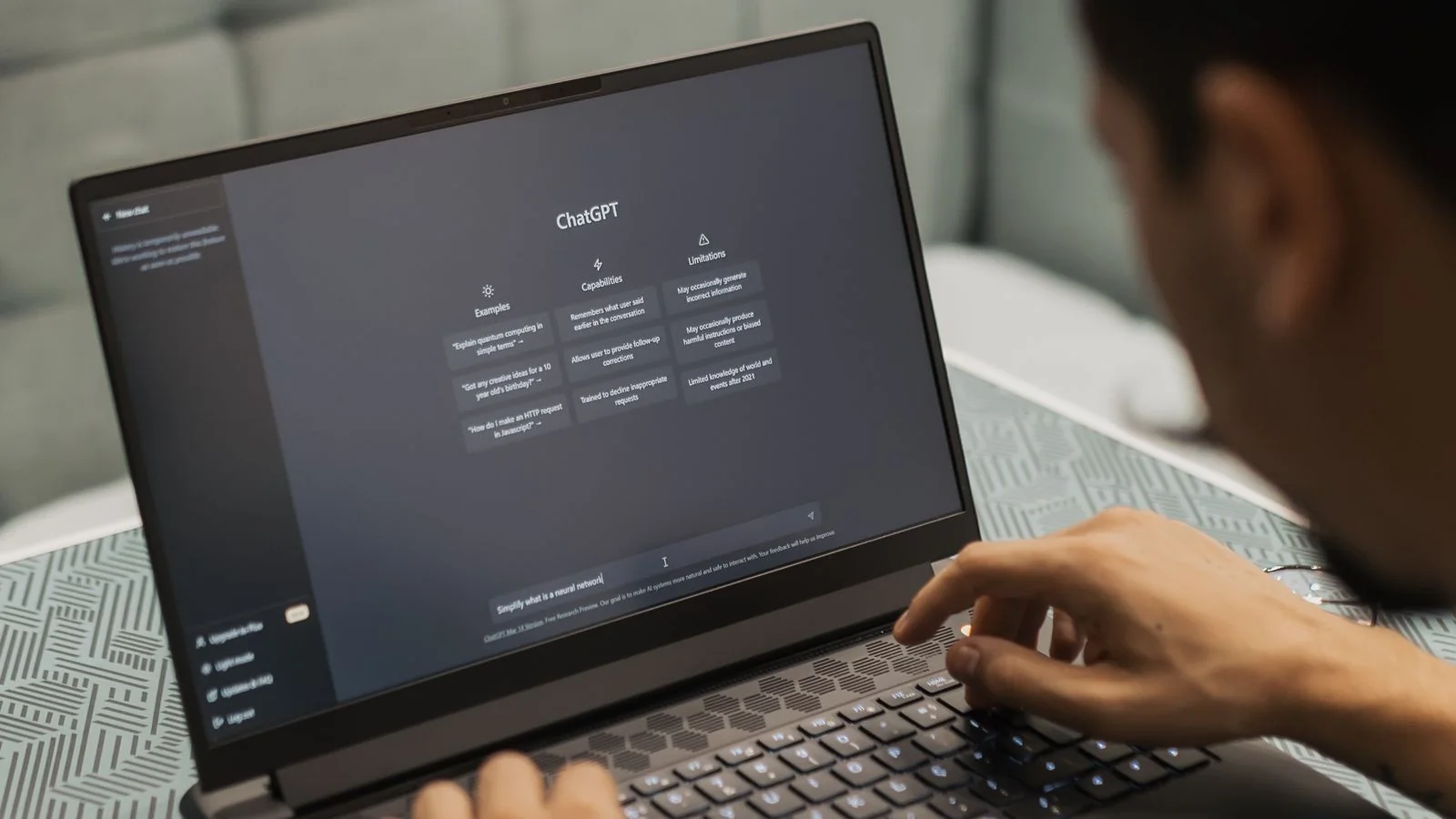
By 2025, ChatGPT was reporting on the order of 700 million weekly users, a scale no other AI assistant came close to. Perplexity, by comparison, was a fraction of that size. If reach were the whole story, the content marketing decision would be over before it started: optimize for the giant, ignore the challenger. But reach is not the whole story, because these two engines treat your brand in almost opposite ways. The bigger one is structurally reluctant to cite you. The smaller one is built to. The ChatGPT vs Perplexity question is not about which is more popular. It is about which one actually names you when it answers, and why the answer to that is not the same as the answer to which one is bigger.
Getting this right matters because the two engines reward slightly different things and punish slightly different mistakes. Treat them as identical and you will optimize for one while quietly losing the other. Understand how each one sources and cites, and you can earn a place in both without doing the work twice.
The citation surface
Start with a concept I call the citation surface: the amount of visible space an engine gives to naming and linking its sources. This single property explains most of the difference in how the two engines treat your brand, and it runs in opposite directions.
Perplexity has an enormous citation surface. It was built from the start as an answer engine that shows its work, attaching numbered citations to nearly every claim and putting source links where the user cannot miss them. Being a source on Perplexity is a prominent, clickable, front-of-answer event. The whole product is organized around pointing at the pages it used.
ChatGPT has a small citation surface by default. Its native mode is conversational synthesis, an answer delivered in its own voice, drawn from training and reasoning, frequently with no links at all. When its search mode activates, citations appear, but they sit at the edges of the experience rather than the center, and many users never click them. The same brand can be invisible in a default ChatGPT answer and cited in a searched one. Understanding this difference in surface area is the key to everything that follows, because it means being cited is a different kind of achievement in each engine, worth a different amount, and earned through slightly different moves.
How Perplexity picks who it cites
Perplexity runs a live search on nearly every query. It retrieves pages it judges relevant and trustworthy for the specific question, reads them, and cites the ones it actually used to assemble the answer. Because the retrieval is live, freshness and structure count for a lot, and a well-organized page published recently has a genuine shot even without a decade of accumulated authority behind it.
What Perplexity rewards is legibility. A page that states its answer directly, organizes information under clear headings, and covers a specific question thoroughly is easy for the engine to retrieve, parse, and cite with confidence. A page that buries its answer under throat-clearing, or spreads a thin point across a wall of vague text, is hard to cite even when it is technically relevant, because the engine cannot cleanly extract the claim it needs. This is why smaller brands can and do get cited over larger ones on Perplexity: the engine is rewarding the clearest answer to the exact question, not the biggest logo. If your page is the most legible, specific, trustworthy treatment of a question your buyers actually ask, Perplexity has every incentive to name you.
Why ChatGPT is harder to earn a citation from
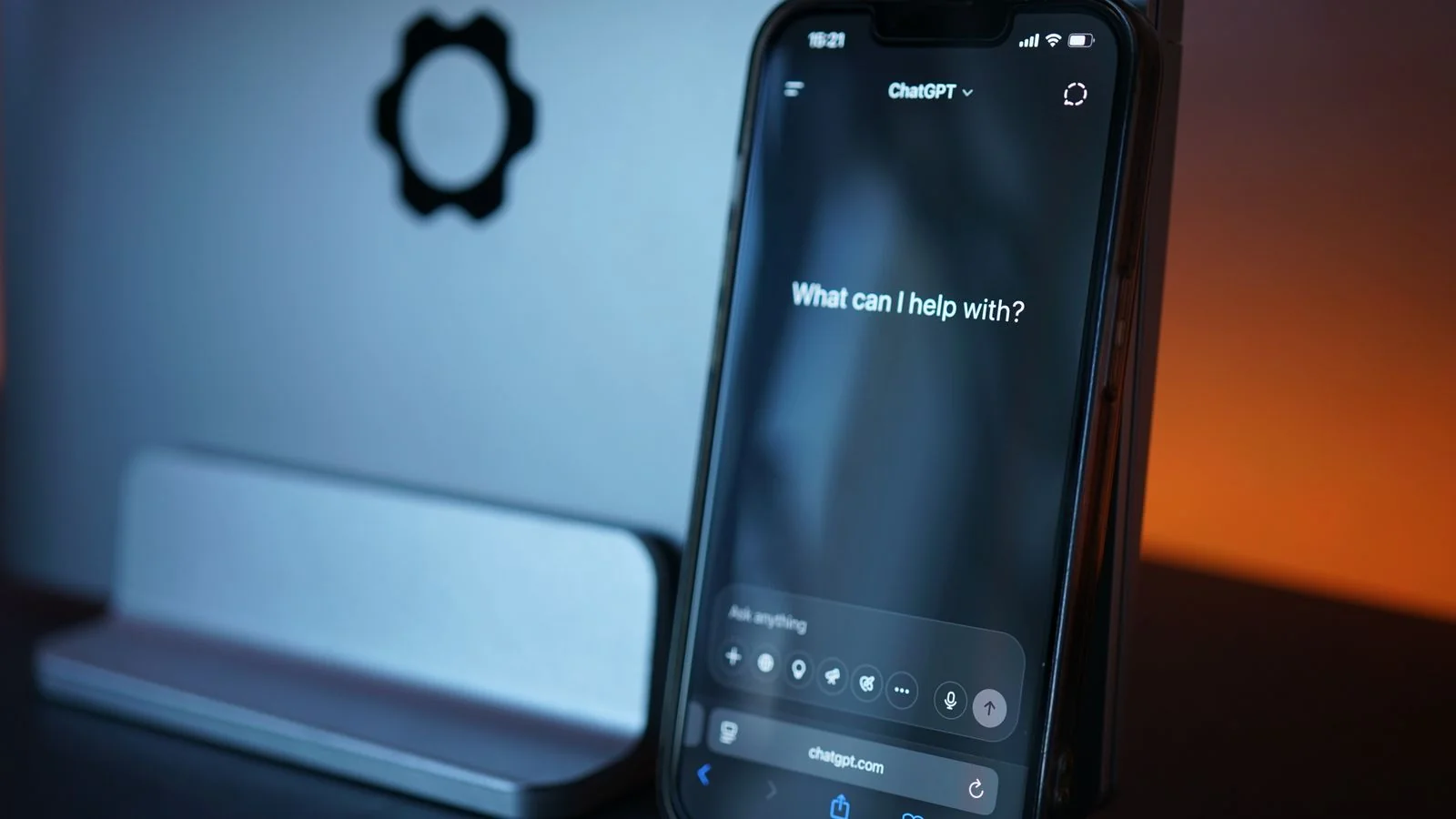
ChatGPT is a tougher room, and the reason is structural. A large share of its answers never trigger a search at all. When you ask it something it can answer from training and reasoning, it does, in its own synthesized voice, and no citation happens because no live retrieval happened. In those moments your brand can only appear if the model already absorbed knowledge of you during training, which is a slow, indirect, and largely uncontrollable path.
When ChatGPT does search, it behaves more like Perplexity, retrieving live pages and citing some of them, and the same legibility principles apply. But you are fighting two battles at once. First, you want the kinds of questions where ChatGPT chooses to search rather than answer from memory, which tend to be current, specific, or fact-sensitive queries. Second, within those searched answers, you want to be the clear, retrievable source. The practical implication is that earning ChatGPT citations is partly about producing content on the freshest, most specific, most current-events-adjacent version of your topic, because that is what pushes the engine toward searching in the first place. Broad evergreen questions it will often answer from training, leaving no citation slot to win. Sharp, timely, specific questions are where the door opens.
The overlap that makes your job easier
Here is the reassuring part, and it is worth sitting with before you panic about running two separate strategies. The fundamentals that earn citations are almost identical across both engines. You do not need two content playbooks. You need one good one.
Both engines reward direct answers stated plainly near the top of a page. Both reward clear structure that makes information easy to extract. Both reward genuine authority and specificity on a real question. Both reward clean technical access so their crawlers can actually read the page. Both punish vagueness, bloat, and burial. The differences between ChatGPT and Perplexity are differences of emphasis and surface, not of underlying mechanism, which means a page built to be understood and cited by one is usually already in good shape for the other. At Instant Press we measure this readiness with the AEO rating, and a page that scores well tends to score well for both engines at once, because the qualities the rating measures, clarity, structure, authority, and crawlability, are the qualities both engines are looking for. Build for citation as a general property and you earn both, rather than chasing each engine with a separate and duplicative effort.
Audit your own citations first
Before you change anything, find out where you actually stand, because most brands are guessing. The audit is simple and you can run it yourself this afternoon. Write down the ten questions your buyers most plausibly ask an AI assistant about your category. Then ask all ten in both ChatGPT and Perplexity, with search enabled where relevant, and record what happens.
For each question and each engine, note three things: does your brand appear at all, is it cited as a source or merely mentioned in passing, and is what the engine says about you accurate. Run the questions more than once, because answers vary between sessions and a single result can mislead you. What you will usually find is asymmetry, that you are cited more in one engine than the other, or that you appear on some questions and vanish on others. That map is the actual starting point for any AEO work, and it beats every assumption, because it tells you exactly which engine and which questions are your weak spots rather than leaving you to optimize blind.
What to fix when one engine ignores you
Suppose the audit shows Perplexity cites you but ChatGPT does not, which is a common pattern for brands with strong, well-structured pages that ChatGPT simply has not learned during training. The fix leans toward freshness and specificity: publish sharp, current, specific content on your topic, the kind of material that pushes ChatGPT to search rather than answer from memory, and make sure your technical setup lets its crawler in. You are trying to become the page the engine retrieves when it does go looking, and to increase how often it goes looking on your topics.
Suppose instead ChatGPT mentions you but Perplexity does not cite you, which usually points to a legibility or authority gap on the specific pages Perplexity would retrieve. The fix leans toward structure and directness: state your answers plainly, organize under clear headings, and make each page the cleanest available treatment of its exact question, so that when Perplexity runs its live search, your page is the obvious one to cite. In both directions, the underlying move is the same, becoming the clearest and most trustworthy source on the specific questions that matter, and the only thing that changes is which lever you pull hardest based on which engine is currently skipping you.
The verdict
So which one cites your brand? Today, for most brands doing the fundamentals well, Perplexity is the easier citation to earn and the one more likely to send an actual click, because its large citation surface is built to name and link sources on nearly every answer. ChatGPT is the larger audience but the harder room, citing less often and less prominently, and rewarding freshness and specificity that trigger its search mode. The winning move is not to pick one. It is to build genuinely legible, authoritative content that both engines can retrieve and trust, audit your real standing in each, and then push the specific lever, freshness for ChatGPT, structure for Perplexity, wherever the audit shows you are being skipped. Do that, and the question stops being which one cites you and becomes how often, in both.