
Our publication catalog runs to 1,016 outlets, from $150 regional news sites up to $200,000 for Bloomberg, with a median selling price of $1,500 and 174 of them carrying a Domain Authority above 80. PCMag appears nowhere in it. Not at $5,000, not at $50,000, not at any number.
That absence is the single most useful fact about getting reviewed by PCMag, and almost nobody leads with it. The paid placement market has grown large enough that founders now assume every publication has a price, and they spend months looking for the back door into a building that does not have one. PCMag reviews products the way a testing lab reviews products: an analyst gets the hardware, runs it through a defined suite, scores it, and publishes whatever the numbers say. Your job is not to get access to a writer. Your job is to make your product worth a slot on a bench that is already full.
PCMag Sells Nothing, So Stop Pitching Like a Buyer
PC Magazine started as print in 1982 and went web only in 2009, and it kept the thing that made the print edition matter: its own lab. Owned by Ziff Davis, it runs hands on testing out of its own facilities, scores on a five point scale with half steps, and hands out an Editors’ Choice badge to the best in a category. Analysts specialize. The person who tests mesh routers is not the person who tests antivirus suites, and neither of them cares about your funding round.
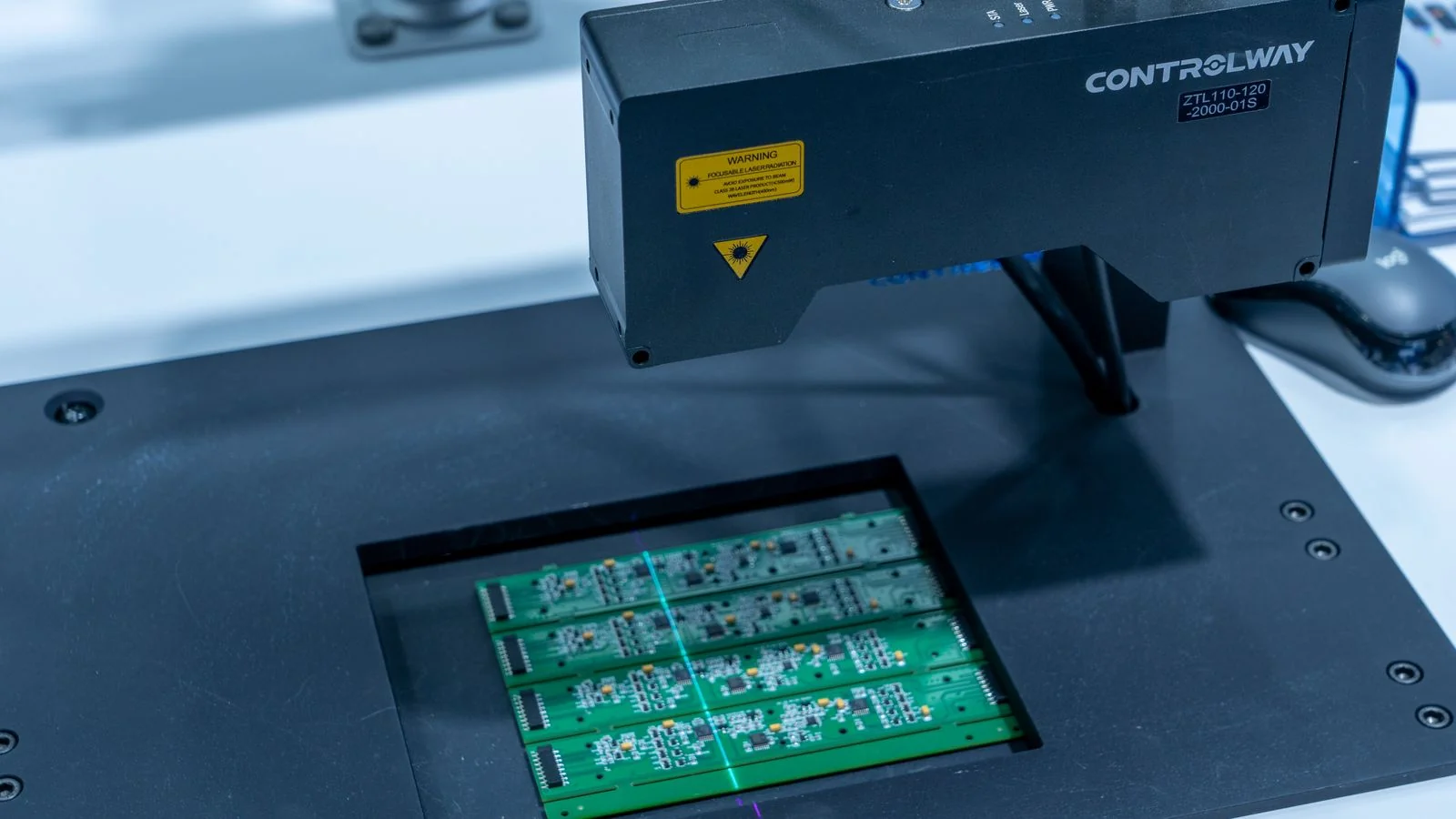
This matters because the pitch that works for a paid outlet is exactly wrong here. A paid placement wants a finished article, a quote, a headline, a link. A PCMag analyst wants a working unit, a spec sheet that does not lie, and a reason their category readers would want to know about it. Send the first thing when the second is wanted and your email reads as a press release from someone who has never read the site.
The practical version: before you write a word, go read three recent reviews in your exact category. Note the benchmarks used, the comparison products named, and the price bands the reviewer treats as cheap, mid and premium. That is the frame your product will be judged inside. If you cannot say where you sit in it, you are not ready to pitch.
What Happens to a Product After the Pitch Lands
The chain is shorter than most founders imagine and has more failure points.
An analyst or a category editor reads the note, usually in a batch with forty others. If the product is in their beat and the claim is interesting, they ask for a unit. A unit arrives, gets logged, and joins a queue. When it reaches the top, it runs the standard suite for its category, which for a laptop means synthetic benchmarks, a battery rundown, display measurement and a thermal check, and for security software means detection testing against a sample set. The analyst writes against the numbers, scores it, and the piece goes through edit.
Most pitches die at the first step, not the last. They die because the analyst could not tell in six seconds what the product is, what it costs, and which existing product it beats or undercuts. They do not die because the writing was not polished.
The second biggest killer is a unit that is not review ready. Pre production hardware with a firmware bug, a software account with half the features gated, a device with no retail packaging and no final price. An analyst who starts testing and hits a wall does not reschedule. The unit goes to the back of the queue, which in a busy category means it never comes back.
The Bench Test Threshold
Here is the framework we use with hardware and software clients before any outreach goes out. Five conditions, all of which have to be true before an analyst can say yes without creating work for themselves. We call it the Bench Test Threshold, and it has saved more wasted pitches than any template.
One: the product is final. Shipping firmware, shipping price, retail packaging. Not a review of what it will be in March.
Two: the category is one they cover. Check the site’s own navigation. If there is no category page for what you make, there is no analyst and no test suite, and a review would mean building both.
Three: there is a measurable claim. Not better, not faster. Twenty percent more battery than the model it replaces, or detection of a sample set that a named competitor misses. Something a bench can confirm or kill.
Four: a comparison product exists and you name it. Analysts write inside a ladder. Telling them which rung you are on does half their work and signals that you have read their coverage.
Five: you can ship a working unit within a week. Interest is perishable. An analyst who has to wait a month for hardware has filled the slot with something else.

Score yourself honestly. Three out of five means wait. The threshold is not a scoring system for marketing purposes; it exists because each of those five is a reason an analyst gives for declining, and all five are things you can fix before you ask.
Who Do You Actually Email?
Not the general press address. That inbox is a holding pen and everyone knows it.
Find the analyst whose name is on the last three reviews in your category and write to that person. PCMag publishes author pages with bios and often with social handles, and most of its analysts are visible and reachable. One named person, one specific beat, one email. If you cannot find an address, the category editor listed on the masthead is the next best target, and a short note asking who covers your category is a legitimate thing to send.
Timing matters more in this channel than in most. Hardware coverage clusters around the trade show calendar, so the weeks before CES in January and IFA in September are the worst possible time to ask for bench time from a consumer electronics analyst, and the weeks after are often the best. Software and services are steadier but still bunch up around major platform releases.
One note per pitch, one follow up after ten days, then stop. Analysts remember the people who kept emailing, and not in a useful way.
There is one exception worth knowing. If your product solves a problem the analyst has already written about as unsolved, say so in the subject line and reference the piece. That is not flattery, it is relevance, and it is the only form of personalisation that survives contact with a full inbox. A subject line reading “router with the WAN failover you said nobody ships” gets opened. A subject line reading “exciting new product” does not.
Write the Pitch Around the Test
The email that works is short and reads like a lab request rather than a marketing note. Lead with the product, the price and the category in one sentence. Give the measurable claim in the second. Name the comparison product in the third. Offer the unit in the fourth. Sign off.
What to leave out: the founding story, the funding, the market size, the adjectives. An analyst assigns value to specifications and to the plausibility of your claim, and every line that is not one of those two things pushes the useful content further down the screen.
A worked example of the difference. The weak version runs three paragraphs about a company founded by two former network engineers who saw a gap in the small business market and built a product that reimagines connectivity for the modern hybrid workplace. Nothing in that is false and nothing in it is testable. The strong version runs four sentences: the product is a four port Wi-Fi 7 router at $179, it holds 1.4 Gbps at thirty feet through two interior walls, that is roughly double the figure the reviewer measured on the $199 incumbent in their last roundup, and a retail unit can be at the lab Thursday. One of those emails creates a decision. The other creates a reply saying thanks, we will keep it in mind.
Put the price in the first sentence even if it is high. Analysts sort by price band before anything else, because price determines which comparison set the product lands in, and a pitch that hides the number reads as a pitch from someone who knows the number is a problem.
One habit worth building: send the spec sheet as a plain table in the body of the email, not as a PDF attachment. Attachments slow a reader down and some get stripped. A table that renders in the preview pane means the analyst can judge the product without clicking anything, which is the whole game in the first six seconds.
If the answer is yes, over deliver on logistics. Ship the retail unit, every cable, the real packaging, and a one page sheet of the claims you want tested. Then go quiet. The single fastest way to lose a review in progress is to email asking how it is going.
Include one thing most companies forget: a named technical contact who can answer a question in under two hours. Not a support queue. A person with a mobile number who understands the firmware. When an analyst hits an unexpected result at 4pm, the difference between a product that gets re tested and a product that gets scored on the bad number is whether someone picked up.
What the Review Is Worth, and What It Is Not
A PCMag review is not a traffic event. It is a permanence event.
The page ranks for your product name more or less forever, it gets cited by other reviewers building roundups, and it increasingly feeds the AI assistants that buyers now ask for recommendations. When someone asks an AI model which router to buy under $200, the model is reading the review ecosystem, and a PCMag review with a score sits high in that pile. That is the compounding return, and it arrives over quarters, not days.
What it will not do is fill your pipeline next week. Teams that need coverage volume for search visibility and Knowledge Panel work run that through a different channel, which is exactly what the paid catalog exists for, and treat editorial reviews as the slow layer underneath. The two are not substitutes and pretending otherwise is how founders end up disappointed by a four star review that did everything it could.
It also will not fix a product problem. This sounds obvious and is routinely ignored. An independent lab with a defined test suite is the most expensive possible way to discover that your battery claim was measured at half brightness. Run the benchmarks the analyst will run, before you ship the unit, and accept the result. If your own numbers come back worse than your marketing, you have learned that for free rather than in a published score that outranks your own website.
The companies that get reviewed repeatedly behave the same way over time. They pitch once per genuine product, they never pitch a refresh as a launch, they ship fast and complete, and they take a middling score without arguing. An analyst who has been treated professionally twice will open the third email. That relationship is the actual asset, and it is built by being easy to work with rather than by being persistent.
Build the product until it clears all five conditions. Then send one short email to one named analyst. That sequence works often enough to be worth the wait, and nothing else works at all.