
Analyses of AI referral traffic keep surfacing the same surprise: some answer engines send visitors to the sites they cite at rates far above what their user numbers would predict, and others cite plenty while sending almost no one. Perplexity and Microsoft Copilot land on different sides of that split, and it reframes the whole comparison. The Perplexity vs Microsoft Copilot question is usually posed as who cites your brand. The better question is who sends you a visitor after citing you, because a citation that produces no click is worth far less than one that does, and these two engines convert citations into traffic at very different rates.
This distinction gets lost because most AEO conversations stop at the citation. Being named feels like the win. But a name the user never clicks is a soft, unmeasurable form of credit, while a name the user follows is a visitor, a lead, a number you can actually see in your analytics. Sorting these two engines by how well their citations travel is the thing that turns AI visibility into something with a business case.
The click-out coefficient
Every AI engine has what I call a click-out coefficient: the share of its citations that turn into an actual visit to the cited site. It is a property of the engine’s design, not just its size, and it is the single most useful number to hold in your head when comparing Perplexity and Copilot.
Perplexity has a high click-out coefficient by design. Its whole interface pushes sources to the front and encourages users to follow them, so a meaningful fraction of the people who see your citation actually click it. Being cited there is unusually likely to become a visit.
Copilot’s click-out coefficient is shaped by a different goal. It cites with visible footnotes, so credit is real, but Copilot lives inside the Microsoft ecosystem and is often designed to keep the user in the conversation or the surrounding product rather than send them off to a third-party site. Its citations are honest but less aggressively click-oriented than Perplexity’s. The result is that the same citation can be worth more in Perplexity than in Copilot, purely because more people follow it. The click-out coefficient is why you cannot judge these engines by citation frequency alone, and why the engine that cites you a little less can still send you a lot more.
Why Perplexity turns citations into visits
Perplexity’s design treats the source as part of the answer rather than an appendix to it. Numbered citations sit next to the claims they support, the source list is prominent, and the entire experience nudges a curious user toward the underlying page. For a brand, this is close to ideal, because the gap between being cited and being visited is small.

The strategic implication is that a Perplexity citation is worth pursuing not just for influence but for measurable traffic. When you earn one, you can expect a share of the people who see it to arrive on your page, where your own site takes over the job of converting them. This makes Perplexity one of the few AI engines where AEO work produces a visible referral signal you can point to, rather than only an invisible influence on answers. And because Perplexity’s live retrieval is largely independent of Google’s authority map, that click-driving citation is reachable even for brands Google underranks, as long as their pages are clear, specific, and the best available answer to the question. High click-out plus underdog-friendly retrieval is a strong combination, and it is why Perplexity rewards deliberate effort.
Why Copilot’s citation still matters
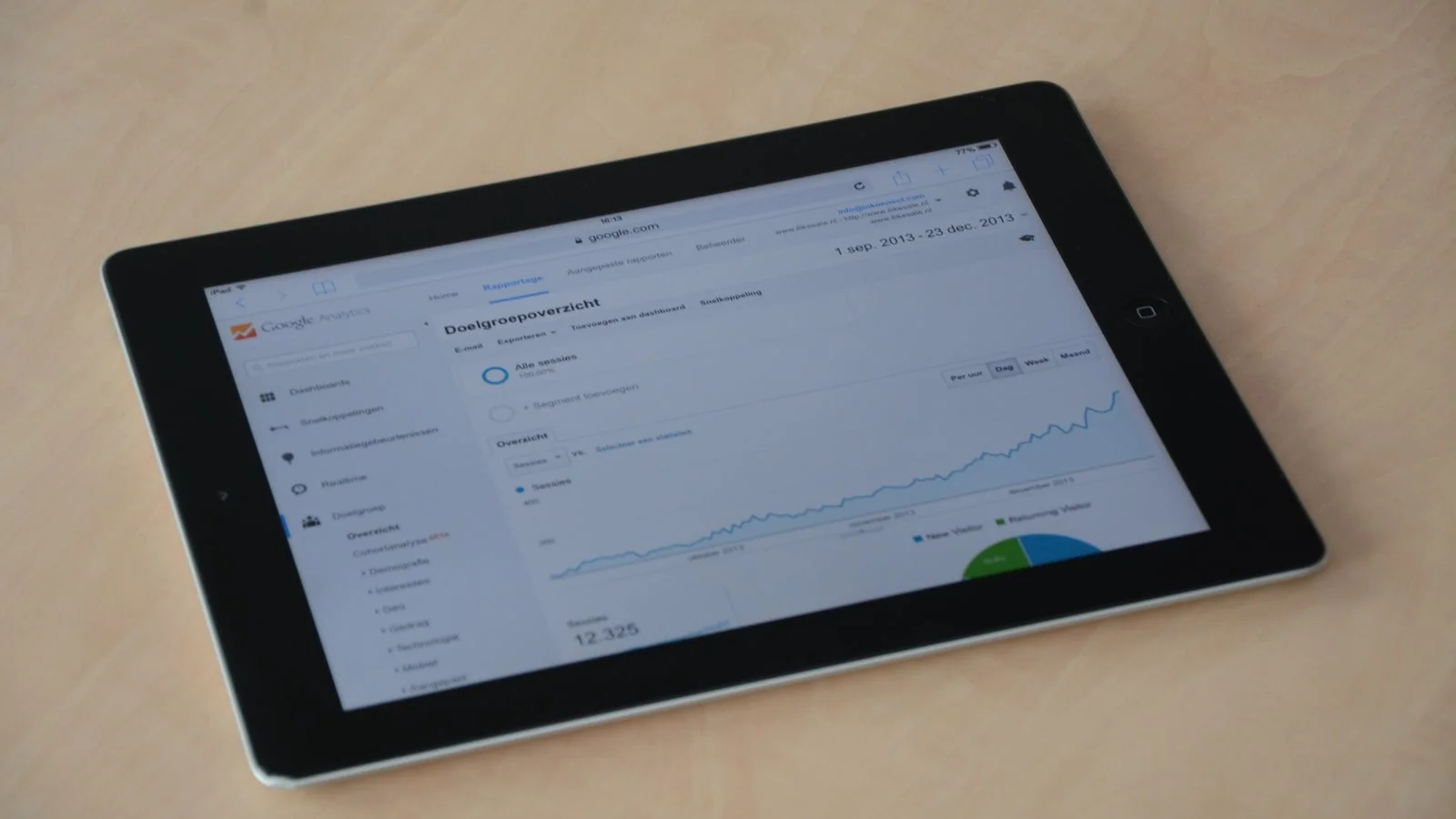
It would be a mistake to read the click-out gap as a reason to ignore Copilot, and the reason comes back to distribution. Copilot is threaded through Windows, Edge, Office, and Bing, sitting in front of an enormous number of people inside tools they already use for work. Even with a lower click-out coefficient, that reach means real numbers of people encounter your citation, and some of them do follow it.
There is also the value of the mention itself, click or no click. When Copilot names your brand as a source in an answer to a work-related question, you have influenced a decision even if the user never leaves the conversation, because your brand is now part of how they understand the topic. That influence is harder to measure than a click, but it is not worth nothing, especially in professional contexts where Copilot is heavily used. And Copilot’s grounding in Bing means the same Bing-health work that earns its citation is comparatively neglected by most brands, so the citation is often easier to earn than a competitive Google position. Lower click-out, yes, but broad reach, professional context, and an achievable path through Bing make Copilot a citation worth having rather than one to write off.
What to build for both
The efficient move, as with every AI engine pair, is to build one strong asset that both can cite, then tune for the difference. The shared foundation is the usual one: direct answers near the top, clear structure, thorough coverage of the specific question, genuine authority, and clean technical access. A page like that is retrievable by Perplexity’s live search and surfaceable through the Bing index Copilot grounds in.
The tuning is small but specific. For Copilot, make sure your Bing presence is healthy, because most brands neglect Bing entirely and that neglect is the most common reason Copilot skips them, an easy and high-value fix. For Perplexity, lean into structural clarity and specificity, since its live retrieval rewards the cleanest, most direct answer to the exact question. At Instant Press we score this combined readiness with the AEO rating, and a page that scores well tends to earn citations from both engines because it satisfies the qualities each is looking for. Then, because you understand the click-out coefficient, you treat the two citations differently once you have them: the Perplexity citation as a source of measurable referral traffic to optimize your landing experience around, and the Copilot citation as broad, professional-context influence plus whatever clicks its reach delivers. So who cites your brand and sends the visitor? Perplexity is the higher click-out engine and the one to chase for traffic you can measure, while Copilot is the broad-reach, Bing-grounded citation worth earning for influence and scale. Build the shared asset, fix Bing for Copilot, sharpen structure for Perplexity, and turn both citations into the kind of visibility you can actually put a number on.