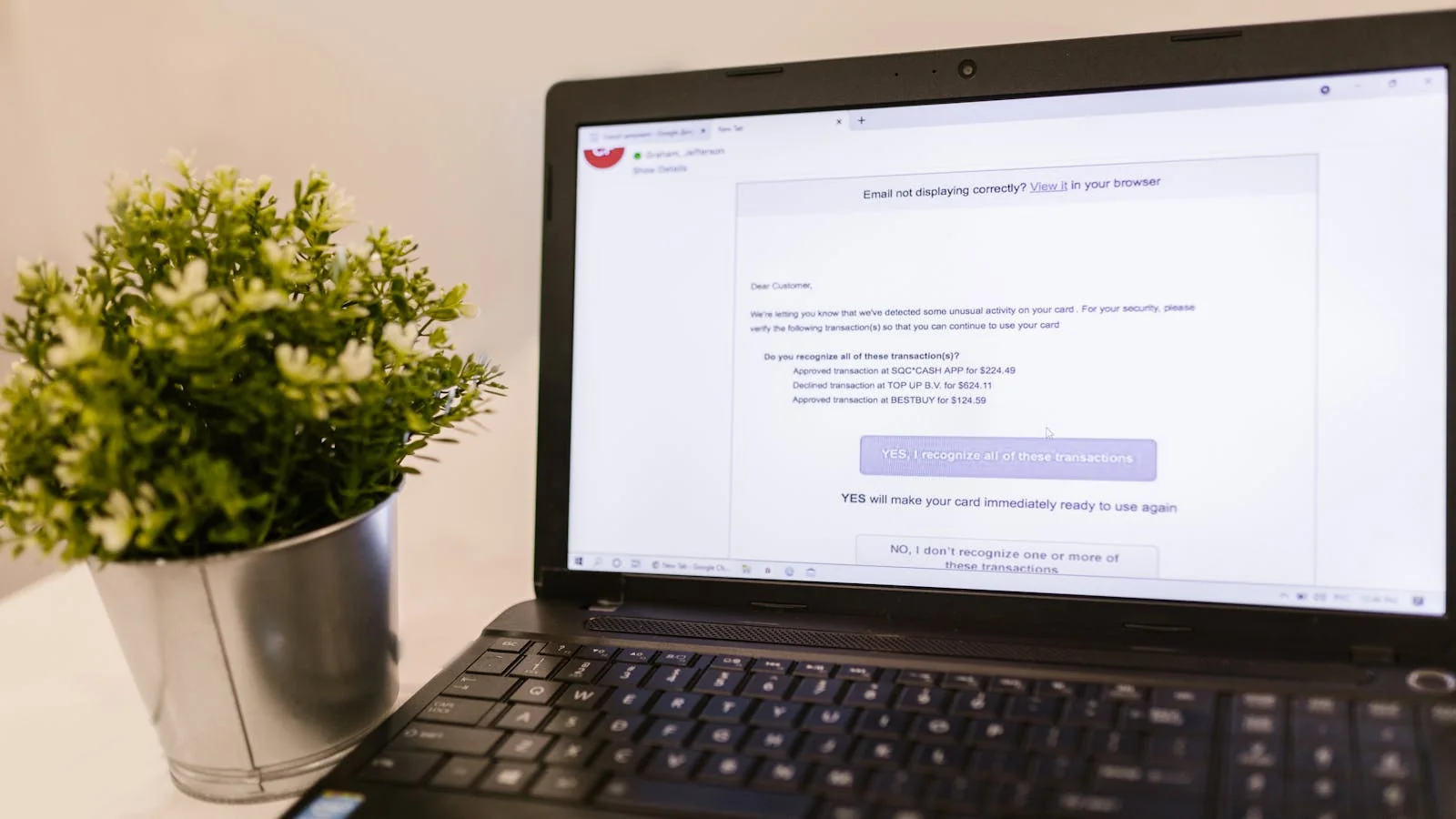
The default answer in 2026 is that cold PR emails do not work. The actual answer is that cold PR emails work fine, but the median cold PR email is structurally broken in ways that guarantee deletion. Editors at major publications receive between 250 and 600 unsolicited pitches per week. They decide which to read based on signals visible in the inbox preview: sender name and domain, subject line construction, and the first 80 characters of the body. The pitches that win are the ones engineered to clear those three signals; the pitches that lose share a small set of recognizable failures.
This guide is built from analyzing the response patterns on roughly 1,400 pitch emails I have either sent or reviewed for clients in the last 14 months. The response rates were tracked, the pattern differences logged. The guide is opinionated about what actually moves the response rate because the numbers, not the conventional wisdom, are the basis for the recommendations.
The inbox preview math
Start with the math. The editor opens their inbox and sees a list of senders, subject lines, and a fragment of the body, usually the first 80 to 120 characters. They scan in two to four seconds per message. Their decision is binary: open or delete. Opening means at minimum 20 seconds of attention to read further; deleting means the message is gone forever.
The hit rate at the inbox-preview stage is the ceiling for everything downstream. A pitch with a 30% open rate at the preview stage cannot have more than a 30% response rate, no matter how strong the body of the email is. Most pitch optimization advice focuses on the body of the email. The higher-leverage work is in the three preview signals.
Signal 1: sender name and domain
The first preview signal is who the email is from. Editors filter by sender almost instantly. Senders the editor recognizes (past contacts, named PR contacts at major brands, names that have appeared in their own coverage) get the highest open rates. Senders the editor does not recognize get filtered by domain. A pitch from joey@instantpress.co reads as a real person at a real company. A pitch from outreach@pr-blast-platform.example reads as bulk and gets deleted unopened in many cases.
The fix is to send from the operator’s actual work address or the dedicated PR contact’s actual work address. Not from a platform’s no-reply domain. Not from a personal Gmail unless the operator’s Gmail is their established work identity. The domain signals legitimacy, and legitimacy is the entry ticket.
A secondary fix is to fill in the display name correctly. “Joey Sendz, Instant Press” in the display name reads better than “joey” or “Instant Press Outreach Team.” The full name plus organization is the format editors are calibrated to recognize from their existing professional contacts.
Signal 2: subject line construction

The subject line is the second preview signal and the one operators usually over-engineer. The subject lines that work are descriptive, not clever. “Pitch: How rural vets are solving the after-hours coverage gap” outperforms “An idea that might interest you.” The descriptive subject lets the editor immediately assess whether the topic fits their beat. The clever subject forces them to open to find out, and most don’t.
Subject line conventions that move the response rate up: prefix with [Pitch:] or [Story idea:] in brackets so the editor’s inbox filter can route it; include the topic in plain language; keep the line under 60 characters so it doesn’t truncate on mobile; avoid all-caps, exclamation marks, and clickbait constructions; include a date or news-peg signal when it applies (“Pitch: Q1 vet workforce data ready for embargo Thursday”).
Subject line conventions that destroy the response rate: vague openers (“Quick question,” “Following up,” “Touching base”); over-personalized salesy openers (“Saw your piece on X, thought you’d love…”); subject lines longer than 70 characters; emoji-heavy subject lines; subject lines that begin with “RE:” when the email is not actually a reply.
The discipline is to write the subject line last, after the pitch body is finished, and to write the subject line as a one-sentence summary of the pitch rather than as a hook. The pitch body is where hooks belong. The subject line is where the editor decides whether to read the pitch body.
Signal 3: the first 80 characters
The third preview signal is the body preview, which most inboxes show as the first 80 to 120 characters next to the subject line. The pitch’s first sentence is doing double duty: serving as the opener for editors who open the email, and serving as the second-chance signal for editors who are still deciding whether to open.
The first sentence has to do three things in 80 characters. First, identify a specific person or beat (“For your beat on rural healthcare workforce…”). Second, offer a specific hook (“the new AVMA data on rural vet shortages is out and…”). Third, signal that there is a substantive pitch behind the opener.
The first sentence cannot be the salutation. “Dear [Editor Name], I hope this email finds you well” wastes the entire preview. The editor sees a generic opener and updates their prior toward “this is a template, delete.” Move the salutation off the first line, or skip the salutation entirely and lead with the substance.
The first sentence cannot be biographical. “I’m Joey Sendz, founder of Instant Press, and we work with…” wastes the preview on context the editor does not need. The biographical context belongs in the third or fourth sentence, after the pitch has established its value. Reverse the conventional order; lead with what the editor cares about, follow with who you are.
The body structure: five paragraphs, decreasing length
After the editor opens the email, the body has roughly 20 seconds to land the pitch. The structure that works is five short paragraphs of decreasing length.
Paragraph one: the news peg and the pitch in two sentences. “New AVMA data released this morning shows 41% of rural mixed-animal practices have reduced after-hours coverage over the past 18 months. I want to pitch a story angle on how three practices in East Texas are solving the problem with regional triage networks.”
Paragraph two: the substantive details that establish the story is real. Names of the practices, scope of the network, outcome data if available, the angle the publication has not yet covered. 60 to 90 words.
Paragraph three: the credibility anchor. Who you are, why you have access to this story, and one sentence of bona fides. 30 to 50 words.
Paragraph four: the offer. What you can deliver if the pitch is accepted: interview access to the practice owners, photos, data sets, an exclusive embargo period if applicable, draft contribution if the publication takes guest writing. 20 to 40 words.
Paragraph five: the close. A specific ask (“Happy to send a one-page briefing or set up a call this week”), your contact information, and your name. 20 words.
Total length: 180 to 250 words. Long enough to be substantive. Short enough that the editor can read it in 30 to 45 seconds.
The follow-up sequence
The follow-up sequence is the second highest-leverage point after the inbox preview signals. The right sequence is two follow-ups, on a specific cadence, with specific content.
Follow-up one lands on day three. It is a short reply to the original thread (not a new thread) that adds a new piece of information or a tightened version of the pitch. “Following up on the rural vet triage pitch. We just confirmed access to the practice owner in Marshall for the interview, and the AVMA data set is now available in full. Let me know if the angle is right for your beat.” 40 to 60 words.
Follow-up two lands on day seven. It is a final note, also as a reply to the original thread, that offers an alternative (“If this angle isn’t right, I have two other stories from the same network that might fit better, happy to share”) and closes graciously. 30 to 50 words.
After day seven, stop. The editor has decided. More emails read as desperate and damage the relationship for future pitches.
The list-building work

The pitch quality matters, but the list matters more. The same pitch sent to the right 30 editors will outperform the same pitch sent to the wrong 300 editors by a factor of 10 or more on response rate, and by a factor of 20 to 50 on actual published coverage.
The list-building work is unglamorous and runs roughly: identify the publications that cover your specific category (15 to 30 outlets for most categories); identify the specific beat reporter or editor at each who covers the angle you have (one to three names per outlet); verify the contact information through public sources (the outlet’s contact page, the journalist’s personal website, their LinkedIn, their Twitter/X bio); cross-reference against their recent work to confirm they actually cover the angle.
This produces a list of 30 to 80 named contacts per category. Each contact gets a personalized pitch that references their recent work and matches the angle to their beat. This is the targeting layer that makes the difference between 0.5% response rates on bulk pitches and 12% to 18% response rates on targeted ones.
What changes by category
The structural advice holds across categories, but a few details shift by beat. For consumer tech and startups, TechCrunch, The Information, and trade-pub editors prefer pitches that lead with the specific business model angle rather than the founder story. For healthcare and bio, KHN, STAT, and the trade pubs want clinical or data substance in the first paragraph. For consumer goods and DTC, the editors at Modern Retail, Retail Dive, and the lifestyle outlets care most about the operational case (channel mix, growth metrics, supplier story). For B2B SaaS, the publications want either the unusual customer story or the contrarian thesis on the category.
Calibrating to category is a one-time research investment per outlet. The operator who has read the last 20 articles by a target editor before pitching has a meaningful advantage over the operator who hasn’t, and the advantage shows up in the response rate.
The compounding effect of doing this right
The pitch quality and targeting compound over years. Editors remember the senders who consistently sent substantive, well-targeted pitches; those names get faster opens and warmer receptions on future pitches even when the topic is different. Editors also burn the senders who sent broken pitches; those names get filtered on future sends, sometimes literally via inbox rules. Reputation is the long-term variable. The operator who runs this guide consistently for two to three years ends up with a personal editor list of warm contacts whose response rates climb steadily, while the operator who sends broken pitches month after month ends up with a list that gets quieter over time.
The work to do this right is real. The leverage of doing it right is also real. Most operators stop after the first low-response month and conclude that PR does not work. The operators who keep going, fix the structural failures, build the list, and run the calendar are the ones whose names show up in their categories’ press over the next decade. The difference is not luck. It is the patient mechanical execution of the practices above.