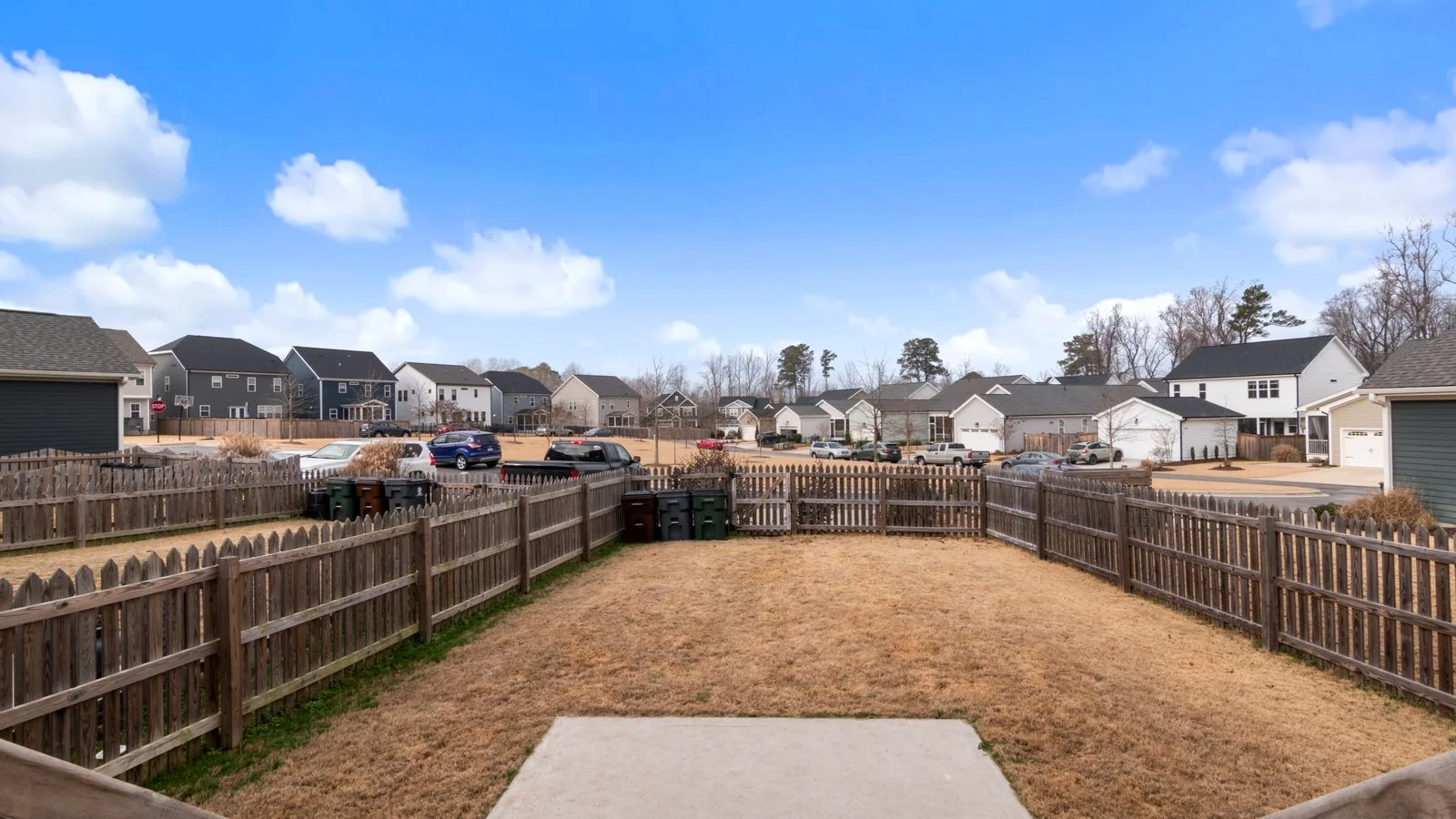
The fence buyer is not price shopping. They are anxiety shopping, and if the only thing your business says to them is a number, you have already lost. A homeowner deciding to install a fence is making a permanent, expensive change to their property, and they are full of questions they are embarrassed to ask out loud: how much does this really cost, will I need a permit, what happens with my neighbor, is wood or vinyl the right call, how do I know a contractor is not going to rip me off. They spend weeks quietly researching all of it before they ever pick up the phone, and the contractor whose content answers those questions is the one they call. That is the whole argument for content marketing for fencing contractors.
Most fencing contractors do the opposite. Their website shows a gallery, lists fence types, and says “call for a free quote,” which meets the buyer nowhere in the long research phase where the real decision is forming. It assumes the customer is ready to buy when in fact they are ready to learn, and by staying silent during the learning, you cede the entire relationship to whichever competitor bothered to teach them. The buyer bonds with the source that answered their questions, and if that source is not you, the quote you eventually give is competing against a contractor the customer already trusts.
Call it the Fence Buyer’s Question Map. Every question a homeowner asks on the road to hiring a fencing contractor is a piece of content you can own, and mapping them all lets you meet the buyer at every step of a weeks-long decision instead of only at the very end. This piece walks the map and shows you how to turn it into content that earns the call.
The buyer researches for weeks before calling

A fence is a considered purchase, not an impulse one, and understanding that timeline changes everything about how you market. The homeowner does not wake up and hire a fence company. They decide they want a fence, then spend days or weeks figuring out what kind, what it costs, whether they can afford it, what the rules are, and who to trust, before they ever request a quote. By the time they call you, most of the important decisions are already made, shaped by whatever they read along the way.
This long research phase is invisible to contractors who only think about the quote-and-close moment, which is exactly why they lose deals they never knew they were in. The customer who calls three companies for estimates formed their preferences during the research phase, and the company whose content guided that research has a decisive advantage, because they are no longer a stranger competing on price; they are the trusted expert who already helped. The quote conversation is easier, the price sensitivity is lower, and the close rate is higher, all because you were present before the buyer was ready to buy.
Content marketing for fencing contractors is how you get into that research phase. Instead of waiting at the finish line hoping to win on price, you place useful answers all along the buyer’s path so that you are the voice in their head as the decision forms. You are not interrupting them with ads; you are helping them with the exact questions they are already asking, which is what earns the trust that later converts to a signed contract.
Map every question a fence buyer asks
Building content starts with mapping the real questions, and a fence buyer’s questions fall into predictable clusters you already hear at every estimate. There are the decision questions: wood versus vinyl versus aluminum versus chain link, what lasts longest, what needs the least maintenance, what suits my yard and my goal of privacy or security or looks. There are the money questions: how much does a fence cost per foot, what makes one quote higher than another, is it cheaper to install myself, how do I finance it. There are the process questions: do I need a permit, how do I handle the property line and my neighbor, how long does installation take, what do I need to do to prepare.
Then there are the trust questions, the ones that decide who gets hired: how do I know a fence contractor is reputable, what should be in the contract, what are the signs of a bad installer, what warranty should I expect. Each of these is a distinct piece of content, and each captures a buyer at a specific point in their decision. Write the honest, specific answer to “how much does a wood fence cost and what changes the price,” and you capture every homeowner researching budget. Write “how to handle the fence conversation with your neighbor,” and you capture the anxious buyer worried about a boundary dispute.
The map is your content plan for a year or more, and the beauty of it is that you are not guessing. You already know these questions because homeowners ask you them constantly. Content marketing for fencing contractors is largely the work of writing down, once and well, the answers you already give in person every week, so they reach the hundreds of researching buyers you never speak to.
Write the cost content nobody wants to write

The single highest-value content you can publish is the honest breakdown of cost, and it is exactly the content most contractors refuse to write. They fear that naming prices will scare buyers off or lock them into a number, so they stay vague, which is a mistake, because the cost question is the one every buyer cares about most and searches for first. The contractor who answers it honestly earns disproportionate trust, because they are being straight where everyone else is evasive.
You do not have to publish a fixed price list to be useful. You explain what drives cost, which is what the buyer actually needs to understand your eventual quote. Walk through how material choice changes the price, how linear footage and height matter, how terrain and post-setting and gates and old-fence removal add up, and what a typical range looks like for common projects in your area. When a homeowner understands why a fence costs what it does, two things happen: they trust you as the honest expert, and they arrive at your estimate already educated, so your quote reads as fair rather than shocking. Transparency about cost is not giving away an edge; it is the fastest way to build the trust that closes the deal.
This content also does defensive work. A buyer who understands real pricing is protected from the lowball bid that hides scope or cuts corners, and they will recognize your fair, complete quote as the better value. By teaching the buyer how to read a fence quote, you inoculate them against your least scrupulous competitors and position yourself as the trustworthy choice, all in a single piece of content that your rivals are too nervous to publish.
Show the material decisions
Fencing lives and dies on material choices, and buyers agonize over them, which makes material content some of your most valuable. Wood versus vinyl versus aluminum versus composite versus chain link is not an abstract question to a homeowner; it is a decision about money, maintenance, looks, and longevity that they feel unqualified to make. Content that walks them through the real tradeoffs, honestly, positions you as the advisor who helped them decide rather than the vendor trying to upsell them.
Write the genuine comparisons. What wood costs up front and in maintenance, and how long it really lasts in your climate. Why vinyl costs more initially but needs almost no upkeep. Where aluminum makes sense and where it does not. What chain link is good for and its limits. The goal is not to push your highest-margin option but to help the buyer match the material to their actual goal, whether that is privacy, security, curb appeal, or budget. When your content demonstrates that you will guide them to the right choice rather than the most expensive one, you earn the trust that makes them want you to do the work.
This is also where your regional expertise matters, because the right material depends on local climate, soil, and code, and generic internet advice cannot account for that. Content that reflects your specific market, how the local weather treats each material, what the local codes require, what suits the housing styles in your area, is more useful than any national guide and marks you as the local expert, which is exactly what the researching buyer is trying to find.
Photograph the work into content
Fencing is visual, and your finished projects are proof and content at once, so document them relentlessly. Every install is an opportunity to show craftsmanship, and the before-and-after of a yard transformed by a good fence is genuinely compelling to a homeowner imagining the same for their property. Photograph and film your work not as a vanity gallery but as evidence tied to the questions buyers ask: here is a privacy fence solving a specific problem, here is how a clean post-set and level run should look, here is the difference between a quality gate and a cheap one.
Turn each project into multiple pieces. The finished photos become portfolio proof. A short video of the install shows your process and professionalism. A written case of the project, what the homeowner wanted, what you recommended and why, how it turned out, becomes content that answers a decision question with a real example. One job, documented, feeds your website, your social channels, and your material-comparison content with concrete illustrations, which makes content marketing for fencing contractors sustainable because the raw material comes from the work you are already doing.
Craftsmanship shown is craftsmanship believed. A buyer cannot judge your quality from a claim of “professional installation,” but they can see it in a photo of a straight, well-built fence with clean details. Let your work argue for you visually, tied to the questions and decisions in the buyer’s mind, and your content does double duty as both education and proof.
Content built to be cited by AI
Homeowners increasingly ask an assistant instead of only searching: “what type of fence is best for a backyard,” “how much does a privacy fence cost,” “how do I find a good fence contractor near me.” The assistant answers from sources it judges specific, credentialed, and locally grounded, and being that source puts you in front of the buyer already trusted. Content marketing for fencing contractors now means writing so these engines can use your material.
Content built to genuinely help a buyer is already most of the way there, because the engines reward the same clarity people do. Answer each question directly and completely, with the plain question and a specific response. Reflect your real service area so the local grounding is unmistakable. Include the practical specifics, materials, costs, code realities, that make an answer genuinely useful. When your content clearly and honestly answers the questions buyers ask, it becomes the material ChatGPT, Perplexity, and Google’s AI reach for when someone in your market asks about fencing, which is visibility your silent competitors will never have, because you cannot cite content that was never written.
Where the content earns the call
Content only works if the researching buyer finds it, so the distribution has to match how fence buyers actually research. Your website is the anchor, because it is where search and the answer engines send people and where your full library of answers lives, so every question on the map should exist there as a real, findable page. That library is what turns a stranger’s late-night search into a first impression of you as the helpful expert.
From there, meet buyers where they gather. Share project photos and comparisons on the visual platforms where home-improvement inspiration spreads, since a beautiful fence sells itself. Answer questions in local community groups where neighbors ask for fence recommendations, being the genuinely helpful contractor rather than the one dropping a sales pitch. Build relationships with the local businesses adjacent to yours, landscapers, deck builders, real estate agents, who encounter homeowners planning outdoor projects and can point them to your useful content. The aim is to saturate your specific market with proof that you are the knowledgeable, honest local expert, so that across a buyer’s weeks of research, they keep encountering you until calling you feels like the obvious next step. Do that consistently and the content you publish today becomes the reason your phone rings for years, because a fence is a considered purchase and the contractor who guided the consideration is the one who wins it.