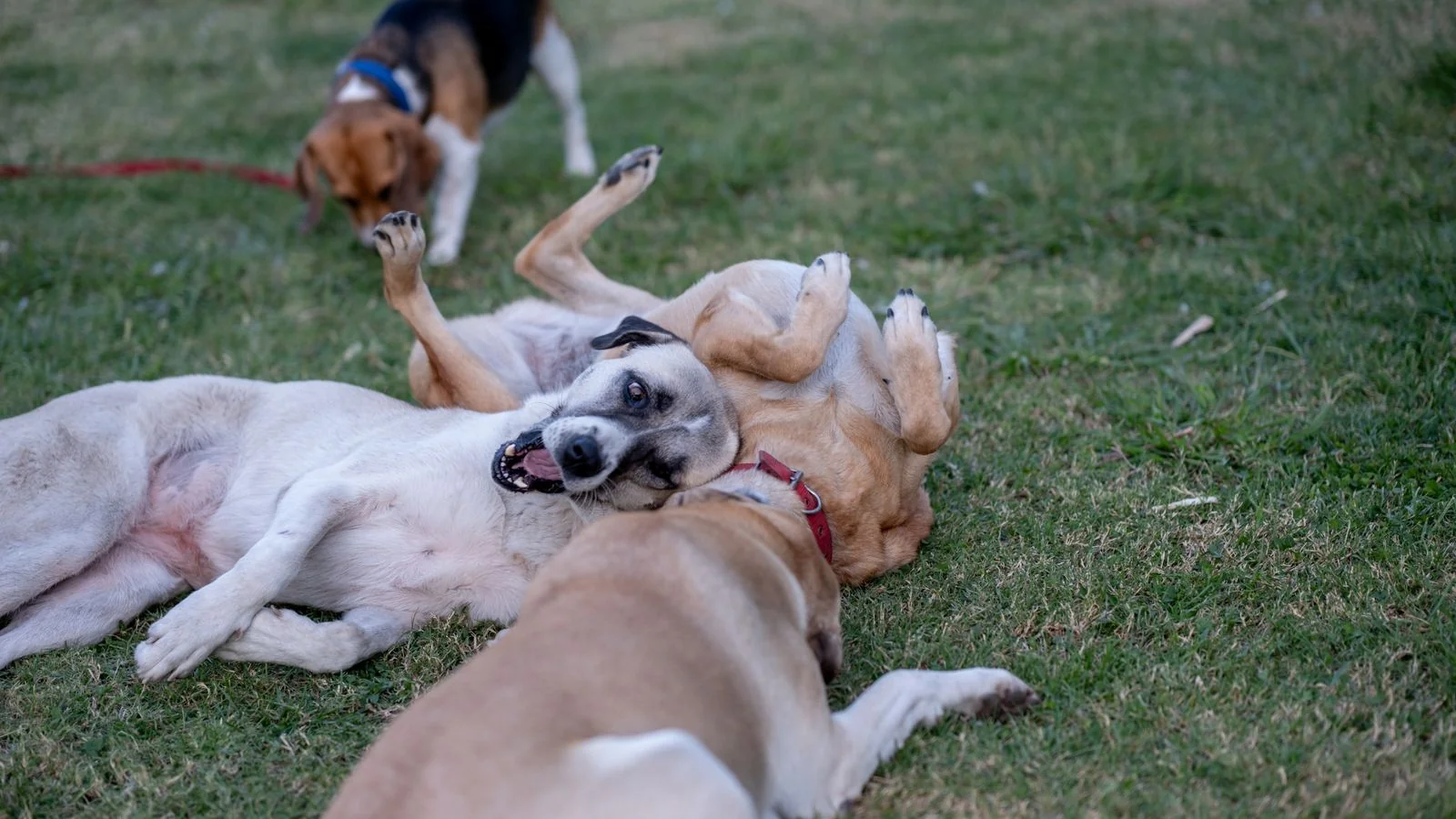
You have a yard with thirty dogs in it, a waiting list, a staff of five, and a local paper that has never mentioned you. Meanwhile the coffee shop that opened last month has been written up twice.
The difference is not that the coffee shop is more interesting. It is that somebody there understood what a journalist needs and sent it to them, and nobody at your facility has ever done that.
Pet businesses are in an unusually strong position with press. The subject is visual, emotionally engaging, relevant to a large share of households, and mostly free of the controversy that makes editors nervous. Editors want this content. They just need someone to hand them a reason.
The Pitchable Moment

Nearly every rejected pitch fails the same test, so it helps to understand the test before writing anything.
A journalist is asking one question about your email: is there a story here for my readers, or is this a business telling me about itself?
Almost everything that feels significant inside your business falls on the wrong side of that line. A new play area. Extended hours. Five years in business. A rebrand. New equipment. These are meaningful to you and invisible to a reader who does not use your service.
What crosses the line falls into three types, and I would call all three Pitchable Moments.
The first is expertise applied to something already in the news. A heatwave is forecast, dog thefts are up in the county, a story ran about a dog injured at a facility. You have professional knowledge bearing directly on a subject the newsroom is already covering. This is by far the highest-hit-rate category and it requires speed rather than creativity.
The second is genuine human interest with a picture attached. A rescue dog that arrived terrified and now runs the yard. A dog reunited with an owner. A long-standing member of your pack that has died and been mourned by thirty families. These run because they make readers feel something and because the photographs are good.
The third is data or a pattern only you can see. What has happened to bookings as household budgets tightened. How many dogs in your area have separation problems. A shift in the breeds coming through your door. Journalists like numbers from the coalface because nobody else has them.
Test every idea against those three before you spend an hour writing a pitch.
Angle one: heat, and the advice that is wrong
The most reliable press angle in the category, available every single summer.
When temperatures rise, local newsrooms run dog safety stories on a near-automatic basis, and they need someone operational to quote. You manage thirty dogs in a yard on a thirty degree day. You know what you actually do: when outdoor play stops entirely, how you cool a yard properly, what early heat stress looks like before it becomes obvious, why a dog that is still running is not necessarily fine.
The angle with the most traction is the counterintuitive one. The instinct to shave a double-coated dog in summer removes its insulation against heat as well as cold. Owners hear this from groomers and rarely from anyone else, and it makes a clean headline.
Pitch this in the first day of a forecast heatwave, not during it. Newsrooms plan a day ahead.
Angle two: the December capacity crunch
Every year, demand for pet care spikes around the holidays and supply runs out, and every year a portion of owners discover this far too late.
You know the real numbers: how far ahead you fill, how many enquiries you turn away in December, what happens to prices across the sector, what people do when they cannot find cover.
That is a consumer service story with a genuine deadline attached, which is exactly what a features desk wants in early November. It is useful to readers, it positions you as the person who knows how the sector works, and it is the sort of piece that gets you called again next year.
Angle three: the rescue transformation

The pure human interest play, and the one most likely to be picked up widely.
A dog arrives unable to cope with other dogs, or terrified of people, or with a history the owner half knows. Over months it changes. The owner cries at pickup one day because the dog played.
Two things make this run rather than sit in an inbox. Photographs, meaning genuine before and after images, horizontal, high resolution, permission cleared in advance. And a willing owner, because the story belongs to them and a reporter will want to speak to them rather than to you.
Prepare both before pitching. A story offered complete, with an available interviewee and usable images, is dramatically more likely to run than a good idea that requires the journalist to assemble it.
Angle four: what owners are cutting
The economics angle, and the one that lands in business sections rather than lifestyle.
You have a live view of discretionary household spending. Dogs moving from five days to three. Owners switching from daycare to a walker. Cancellations clustered at particular times of the month. New enquiries slowing or accelerating.
Local business desks cover the cost of living continuously and are always looking for concrete indicators from real businesses rather than from national surveys. A daycare is an unusually sensitive indicator, because pet care is one of the first things a stretched household reduces and one of the first it restores.
Give real figures, even approximate ones, and be honest about what they show including when the picture is unflattering to your own business. That candour is what gets you quoted repeatedly.
Angle five: safety standards nobody checks
The serious angle, and the one with the most potential to establish you as the authority in your area.
In many places the regulatory bar for running a daycare is lower than owners assume. There is often no legally mandated staff-to-dog ratio, no required training in canine body language, and no standard for how dogs are assessed before joining a group.
An operator willing to say that publicly, and to publish their own standards alongside it, is offering a consumer affairs story with a public interest hook. It can be reported without attacking any named competitor, which keeps it comfortable for an editor.
It carries obvious commercial benefit, which is fine as long as the argument is honest and you hold yourself to the standard you are describing. Do not pitch this unless your own numbers stand up.
Angle six: the dog that went missing and came back
Local newsrooms run lost and found dog stories constantly because readers engage with them more than with almost anything else.
If your facility helps reunite a dog, if your staff spend an evening searching, if your client network circulates a description that leads to a find, that is a ready-made local story with a happy ending and good pictures.
It also demonstrates something about you that no advertisement could: that the people who look after these animals care about them beyond the invoice.
What to prepare before you pitch anything
Half the reason daycare pitches fail is that they arrive as ideas rather than as stories, and the journalist would have to do three hours of work to run them.
Fix that in advance, once, and every subsequent pitch gets easier.
Build a small press kit and keep it current. Twenty high-resolution horizontal photographs of the facility, the yard, the staff and the dogs, all with owner permission already cleared in writing. Journalists work to deadlines and a story with usable images attached beats a better story that requires a photographer.
Write a two-paragraph description of your business that a reporter could paste into a piece without editing: how long you have operated, how many dogs you take, how many staff, anything genuinely distinguishing. Most quotes about small businesses are wrong in small ways because nobody supplied the correct version.
Keep a short list of clients who have agreed in advance to speak to press. This is the piece that most often stalls a story, because the reporter wants an owner’s voice and you have to go and find one while the news window closes. Ask a handful of your most enthusiastic regulars now, while nothing is happening.
Decide your position on the hard questions before you are asked. What is your ratio. What happens after an incident. How many dogs have you turned away this year. A reporter will ask at least one of these, and answering confidently is the difference between being a source and being a subject.
And nominate one person who speaks for the business, with a phone that is answered. Journalists work in hours, not days, and the most common reason a daycare misses coverage is nobody picked up.
How to actually send it
The mechanics matter as much as the idea.
Pitch a named person. Read the last month of your local paper, find whoever writes community, small business and lifestyle pieces, and address them directly. A generic newsroom address is a much longer shot.
Keep the email short. A subject line that states the story, three or four sentences explaining it, one line on why now, one line offering photographs and interviewees, and your phone number. Journalists decide in seconds.
Lead with the story and not with yourself. Your business should appear as the source of the information rather than as the subject of the email.
Be fast when news breaks. An expert comment offered within a couple of hours of a developing story has a far better chance than a considered one sent the next day.
And follow up once, briefly, then stop. A single polite nudge after two days is professional. More than that damages a relationship you will want later.
One habit separates operators who get covered once from operators who get covered repeatedly. When a piece runs, thank the journalist, share it, and then send them something useful two months later with no ask attached. A figure from your bookings, a heads-up that holiday capacity is tightening earlier than usual, a photograph they might want. Reporters keep a mental list of people who make their job easier and call down that list when a story breaks. Getting onto it takes three emails a year.
Track what you send and what runs, too. After a year you will know which angles your local desk actually uses and which they ignore, and you can stop wasting effort on the rest.
Pick the heat angle or the December capacity angle depending on the season, spend twenty minutes finding the right reporter’s name, and send it this week. The first piece of coverage is the hard one. After that, they call you.