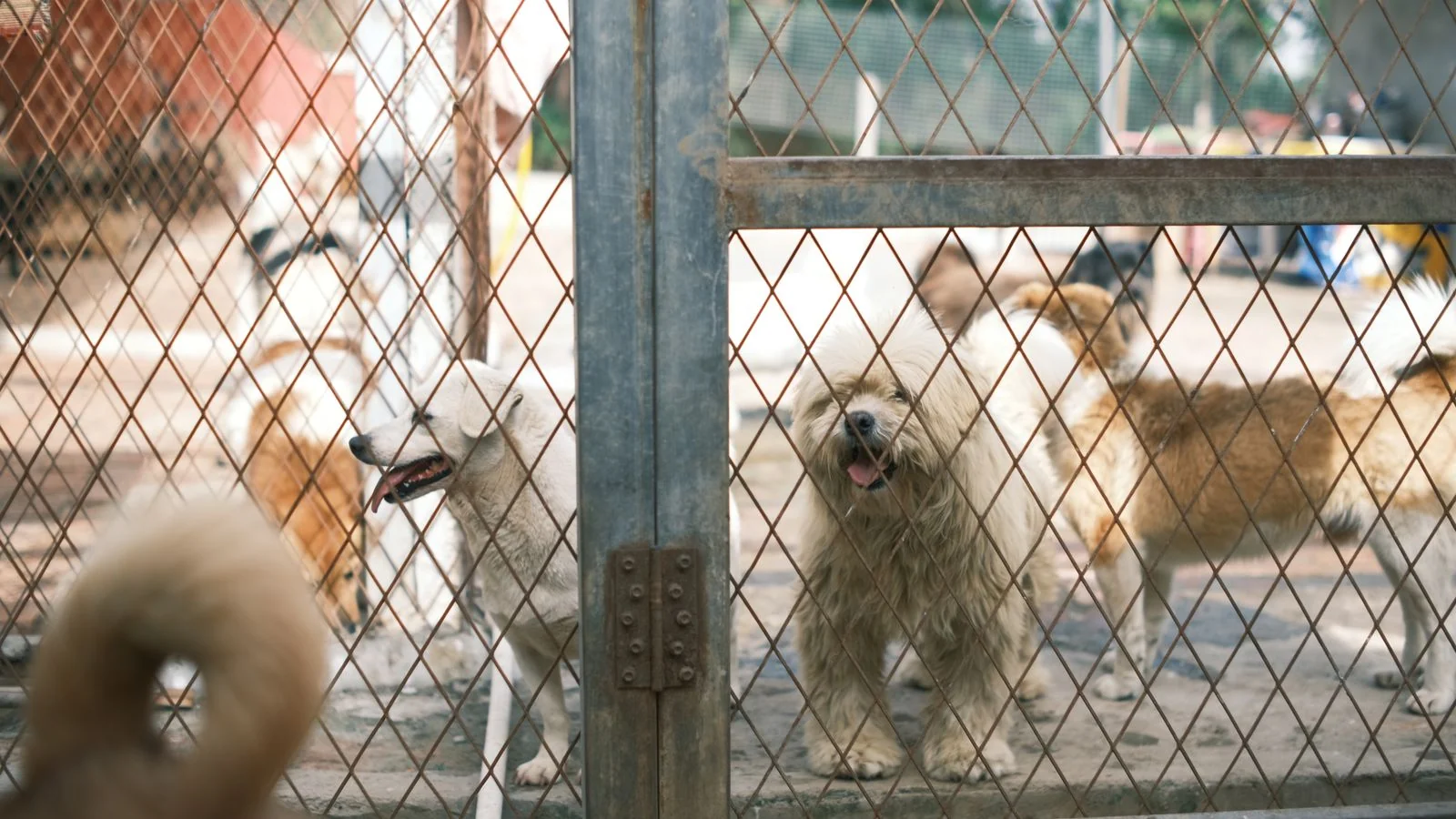
Boarding kennels are covered by the press more often than almost any other pet business. The problem is that essentially all of it is bad.
Search the archives of any regional paper and the pattern is consistent. Kennels appear when an animal is injured, when one escapes, when a facility is prosecuted, when an inspection fails, when a family returns from holiday to news nobody wants. The category has a default news frame and that frame is harm.
Nothing else in pet care carries this. Groomers get feature pieces. Trainers get quoted as experts. Daycares get heat-safety stories. Boarding gets investigations.
That is a genuine disadvantage and it is also the reason coverage is worth more to you than to anyone else in the sector.
The Reversal Window
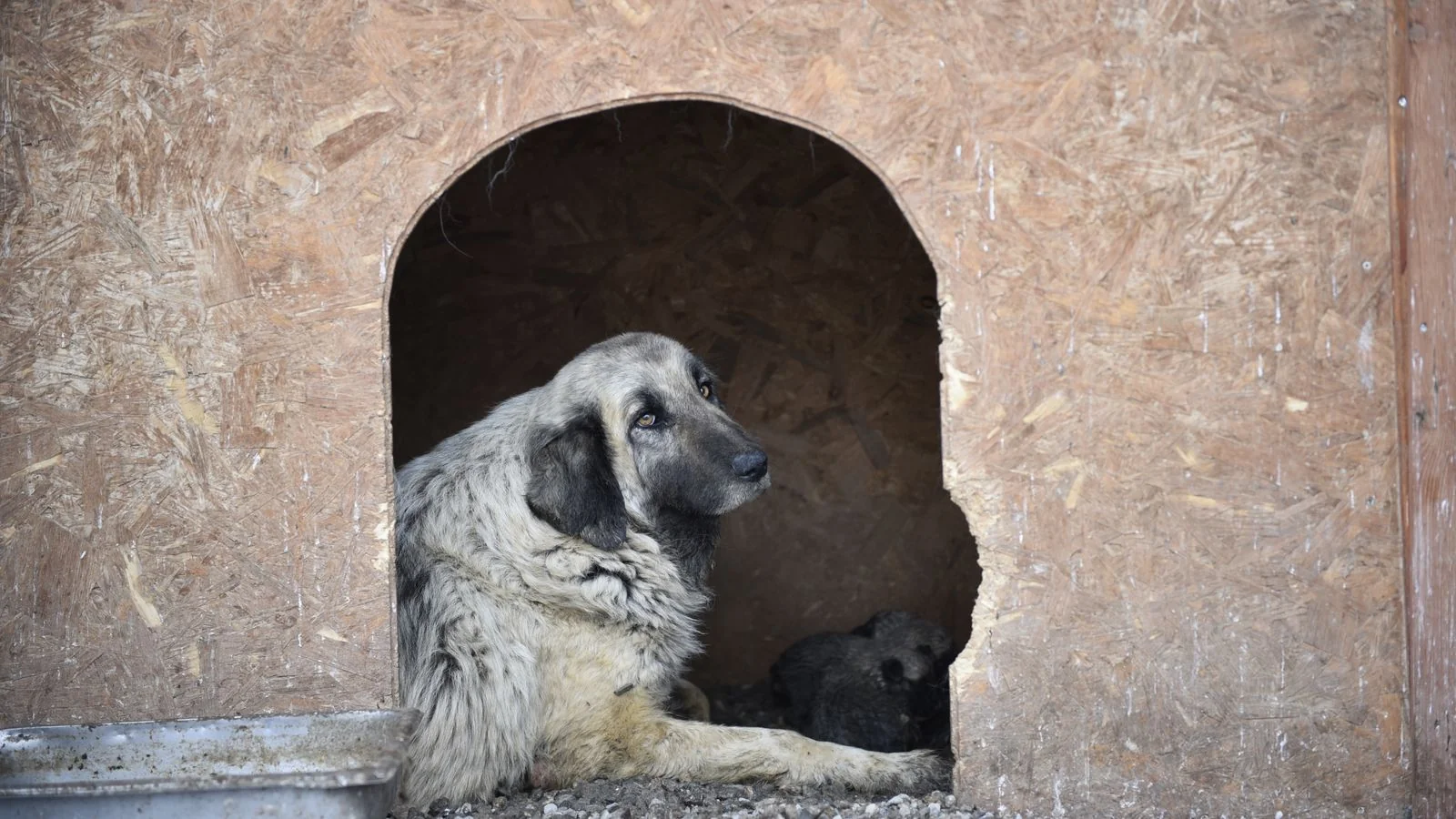
Here is the mechanic that makes press unusually valuable for a boarding facility.
When an owner searches your name, they see whatever exists. For most kennels that is a website, a Google profile, a handful of reviews and nothing else. The space is empty, which means that if anything ever goes wrong at your facility, a single news story immediately becomes the dominant result and stays there for years.
A facility that has banked coverage is in a different position. Three or four pieces of local reporting naming you as a source on pet care, a feature about your rescue work, an interview about holiday capacity: those occupy the space. If an incident ever happens, it lands among a body of material rather than into a vacuum.
The window to do this is now, while nothing is wrong. That is the only time it is possible, because coverage sought after an incident reads as damage control and journalists treat it accordingly.
Almost no operators do this, which is why the facilities that do end up as the default local expert by the simple fact of having shown up first.
Angle one: the holiday planning piece

Your most reliable entry point, and the one to start with.
Every major travel period produces the same reader problem: people book flights and then realise they have nowhere for the dog. Demand outruns supply, good facilities fill months ahead, and a large group of owners discovers this far too late.
You have the information that solves it. How far in advance you actually fill. Which weeks are impossible. What vaccinations are needed and how long before arrival they must be done, which catches people out constantly. What a facility will refuse to accept. What it costs, honestly, including the extras.
Pitch it six to eight weeks before the period, not during it. Features desks work ahead and a piece that helps readers avoid a predictable problem is exactly what they want in that slot.
This angle also does something subtle and useful. Explaining vaccination requirements and booking lead times positions you as an operator with standards, without you having to claim anything about yourself.
Angle two: what happens to pets in an emergency
The public interest angle, and the one with the most genuine substance.
A large number of households have no arrangement for their animals if the owner is hospitalised, detained, or otherwise unable to get home. Boarding facilities see the consequences directly: the emergency intake, the animal nobody can collect, the family member three hundred miles away trying to organise something by phone.
This is a real gap and it is covered by local press, charity publications and age-focused outlets, usually without any practitioner voice.
Write about what a simple plan looks like. A named person with a key. A facility that already has the animal’s records. Vaccination kept current so emergency intake is possible at all, which is the detail that stops most emergency placements. Written authorisation for treatment.
It is useful, it is quotable, and it establishes you as someone thinking about the animals rather than about the invoice.
Angle three: standards, inspection and what the licence does not cover
The consumer affairs angle. Handle it carefully and it is the strongest position available to you.
Licensing regimes vary enormously by country and local authority, and in many places the inspection covers premises, records and basic welfare conditions rather than the things that actually determine an animal’s experience: staffing levels overnight, how often dogs are exercised and for how long, whether anyone is on site through the night, how anxious animals are managed, what happens if an animal stops eating.
An operator willing to explain that distinction publicly, and to publish their own answers to each of those questions, is offering a story with real public value.
Two conditions. Do not attack named competitors, because editors will not run it and it makes you look like the story rather than the source. And do not pitch it unless your own operation stands up to the questions you are raising, because the first thing a reporter will do is ask you to answer them.
Angle four: the animals nobody collects
The human interest angle, and the one most likely to travel beyond local press.
Every long-standing facility has these stories. The dog boarded for a fortnight whose owner never returned. The cat that stayed nine months while an owner recovered. The animal rehomed to a staff member. The family that came back from a difficult year and found their dog had been looked after the whole time on trust.
These are genuinely moving and they are almost never told, because operators regard them as private or unremarkable.
Handle them properly: get consent where there is a living owner involved, protect the identifying details, and offer photographs. A reporter given a complete story with a willing interviewee and usable images will run it.
Angle five: what the cameras changed
A quieter story, and one that almost no operator has told, is what happened to boarding when owners gained the ability to watch.
Camera access has become close to an expectation in parts of the sector. Owners want a live feed, and facilities have had to decide whether to offer one, how much to show, and what happens when a client watches their dog at three in the morning from another time zone.
That decision is more interesting than it looks, and you have a genuine view on it.
Cameras reassure, and they also change behaviour on both sides. Owners who watch continuously often become more anxious rather than less, because a dog lying still for two hours reads as depression to someone who has never seen a kennel at rest. Staff who are watched continuously work differently, and not always better. And a feed creates a record, which cuts in both directions when something is disputed.
There is a real argument to make about what transparency in boarding should actually mean: whether a live feed is the right form of it, or whether published standards, daily written updates and open inspection would tell owners more about the quality of care than watching a sleeping dog.
Consumer and technology desks cover this kind of question, and the pet angle gives it a human frame. It also positions you as an operator thinking seriously about the relationship rather than one defending a practice.
Whichever side you take, take one. An operator with a considered position on the most visible change in their industry is exactly who a reporter wants to call.
What to do when the bad story is about you
Since this category’s default coverage is negative, it is worth being direct about the situation you are actually preparing for.
An incident has happened. A reporter has called, or is about to. You have hours rather than days, and whatever you say will sit in search results attached to your name for years.
The reflex is to say nothing, or to route everything through a lawyer, or to issue something so hedged it says less than silence. All three read as guilt to a reader, and a reporter will run the story regardless with the line “the facility did not respond to a request for comment.” That sentence does more damage than almost anything you could have said.
What works is narrow and human. Acknowledge what happened without speculating about cause. Say what you have done for the animal and the owner, specifically. Say what you are reviewing. Decline, politely and on the record, to discuss details while facts are still being established, and give a reason for declining rather than simply refusing.
Then supply context that is factually verifiable and not self-serving in tone: how long you have operated, how many animals you care for in a year, your inspection status. A reporter will use it because it is the only background available, and it changes the shape of the piece from an incident to an incident at an established facility.
Never dispute an owner’s account publicly, even when you believe it is wrong. That argument cannot be won in print and it converts a single story into a running one.
This is the moment the earlier work pays. If you have spent two years being quoted as a knowledgeable local operator, the reporter writing about you already knows who you are, and that relationship measurably changes the tone of a piece. If the first time they hear from you is on the worst day, you are a subject rather than a source.
Getting it in front of the right person
The execution is straightforward and most operators get it wrong in the same predictable ways.
Find the specific journalist rather than emailing the newsroom. Read a month of the local paper, identify who covers community, consumer and small business stories, and write to them by name.
Keep the pitch to a few sentences. What the story is, why now, what you can provide, your number. Journalists scan and decide quickly.
Offer photographs every time, cleared for use with credit, horizontal and high resolution. Pet stories run partly because the pictures perform, and a pitch that arrives with usable images is far easier to say yes to.
Move fast when something breaks. If a story about pet care, travel, heat or animal welfare appears in your area, a useful comment offered within a couple of hours has a real chance. The same comment the following day has almost none.
Then keep the relationship. A reporter who has used you once will come back, and being reliable and quick to respond is worth more over time than any single piece.
Set yourself a modest target to start with. Three pieces of coverage in a year is enough to change what a search for your name returns, and it is achievable for any operator willing to send four or five well-aimed emails a quarter. The facilities that dominate local coverage are almost never the largest ones. They are the ones that answered the phone.
Write the holiday planning piece first. It is useful, it is easy to place, and it starts filling the space around your name while nothing is going wrong.