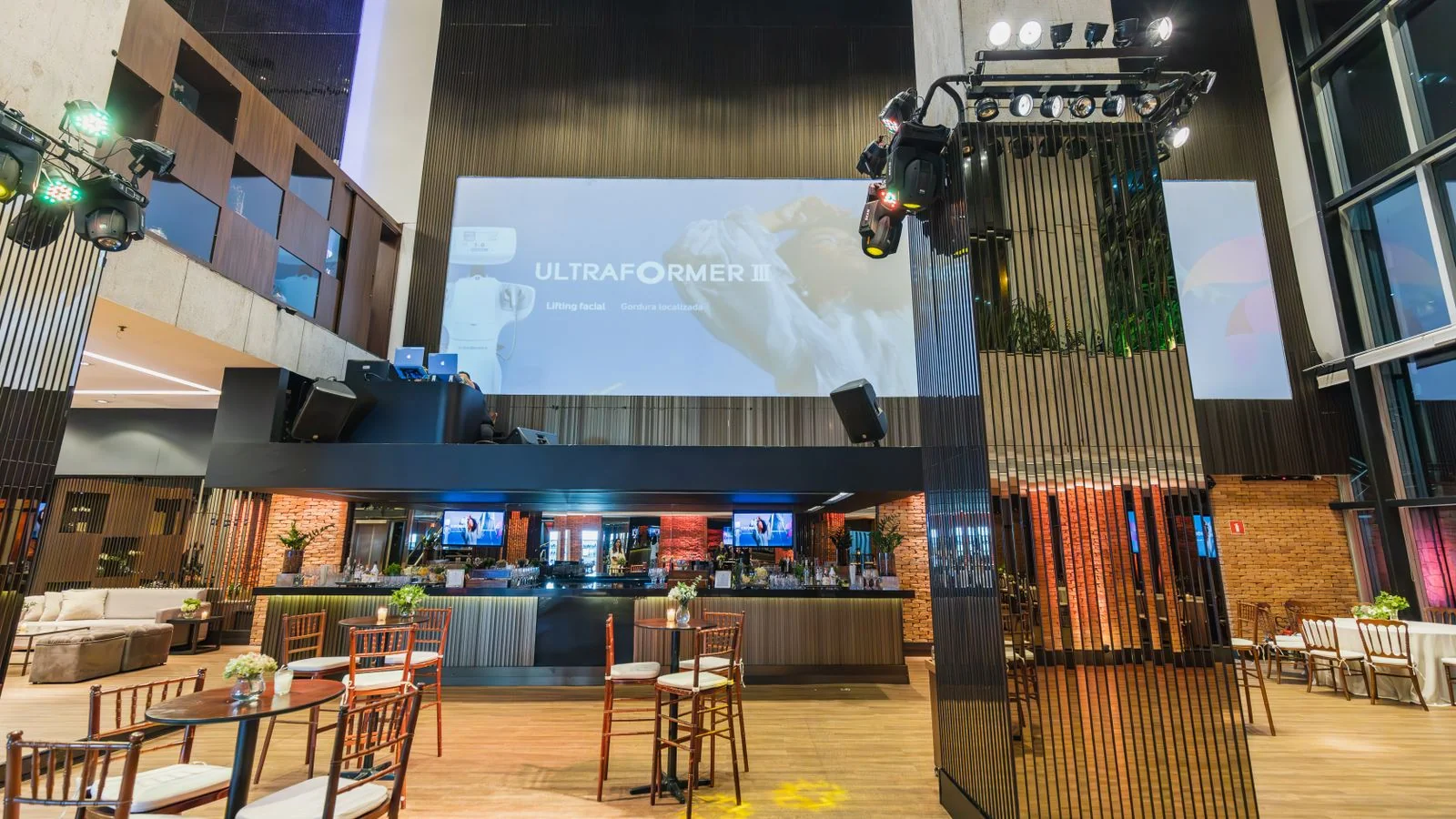
How long does a corporate planner spend deciding whether your venue makes their shortlist?
Somewhere between ninety seconds and four minutes, on a laptop, with eleven other venue tabs open and a brief from a client that specifies headcount, date, budget and three requirements they cannot flex on. They are not browsing. They are eliminating, and elimination is fast because almost every venue site makes it easy by failing to answer the questions that would keep them in.
You will never hear about this. Venues hear from planners who enquired. The ones who closed the tab at second forty are invisible, and they are the majority.
Write for the planner, not the attendee
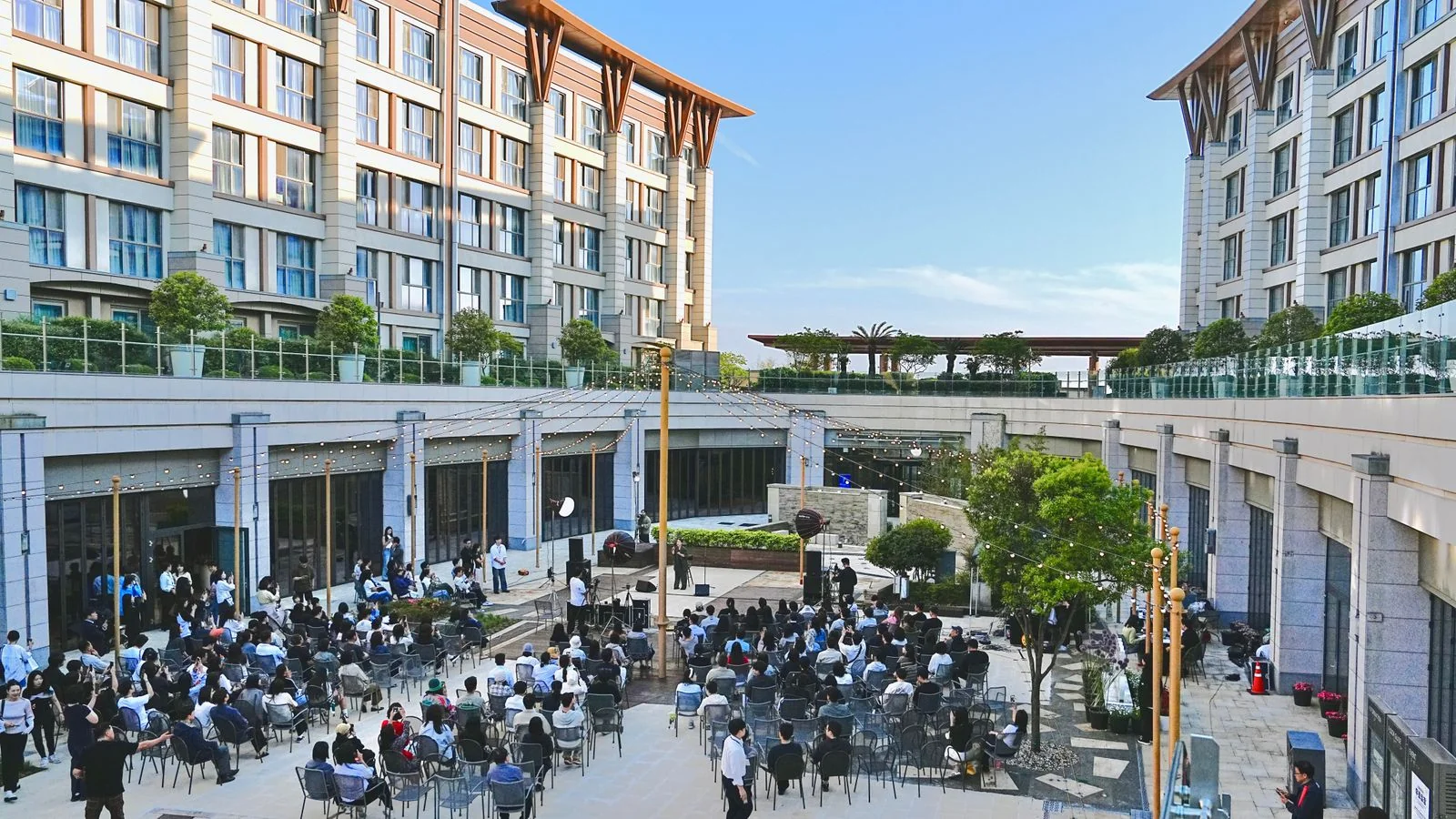
Most event venue websites are written for the person who will attend the event. Inspiring spaces. Memorable experiences. A gallery of people laughing near a branded backdrop.
The person who will attend the event has no say in anything. They did not choose the venue, they will not pay for it, and they will not be consulted. The decision belongs to a planner, an executive assistant, an internal events team or an agency, and every one of those people is running a professional process with professional criteria.
Rewrite your site for that reader and half your competition disappears, because they will not do it. The planner’s criteria are specific and stable across almost every brief: can the space hold the headcount in the required configuration, is the date available, does the total land inside the budget, and will the event run without the planner having to solve problems on the day.
Content that speaks to those four criteria is content that survives the shortlist. Content about memorable experiences is content that gets closed.
Worth being precise about who the decision-maker actually is, because venues routinely aim at the wrong one. Corporate events are commissioned by a budget holder and specified by a planner, and those two people want different things. The budget holder wants the event to reflect well on them and to land inside the number. The planner wants to not be the person who chose a venue that could not handle the load-in. Your website is read by the planner, and the planner is the one who builds the shortlist the budget holder chooses from. Write for the person doing the eliminating.
The association and conference market adds a third reader: a committee, often volunteers, working from a written brief, comparing venues in a document. Anything that cannot be copied into a spreadsheet cell will not make it into that document. This is the most literal argument for publishing specifications as data that exists anywhere in venue marketing.
Publish the four numbers planners cannot get
Call these the Planner’s Four. They are the specifications that decide shortlists and the specifications most venues bury, vague up, or omit.
The first is capacity by configuration, not capacity as a single headline number. A room that holds four hundred standing holds two hundred and forty at rounds, one hundred and eighty at rounds with a dance floor, three hundred theatre and ninety cabaret. A planner with a brief for two hundred and twenty at a seated dinner cannot use “up to 400.” They need the row that matches their layout, and if they cannot find it in thirty seconds they move on rather than guess.
The second is load-in reality. Dock or street level. Door dimensions. Lift capacity if there is a lift and stair count if there is not. How far from the vehicle to the room. Whether load-in can happen the night before or only from six in the morning. This information decides whether a production company can build the event you are being considered for, and a planner who has been burned once by a venue that omitted it will now check before enquiring.
The third is audiovisual truth. Rigging points and weight limits. Ceiling height at the lowest point, which is different from the height you quote. Power available and where the outlets are. Whether there is an in-house supplier you are obliged to use, what they cost, and whether external crews are permitted. In-house AV requirements are a frequent late-stage deal killer, and hiding them does not prevent the deal from dying, it just moves the death to the point where everybody has wasted three weeks.
The fourth is food and beverage constraints. Exclusive caterer or open list. Kitchen capacity in covers, and the honest number for a plated service rather than the theoretical one. Minimum spend, and whether it moves by day of week. Dietary handling. Corkage if relevant.
Publish all four as data. Not prose. A planner scanning for a number should find the number.
A fifth specification sits just behind the four and decides more deals than venues realise: what happens when something changes. Cancellation and postponement terms, the date by which final numbers are due, whether a held date can be moved and at what cost. Planners have been burned badly enough on this in the past few years that many now check it before they enquire. A venue that publishes reasonable terms plainly is choosing to be compared on them, which is a good trade when the alternative is being assumed to have unreasonable ones.
The objection to publishing all of this is always the same. Venues want the enquiry so a salesperson can handle the objections. That logic made sense when a planner’s alternative was calling round. It does not survive a market where eleven other venues are one tab away and three of them have published their tables. Hiding specifications does not create a conversation. It creates a closed tab.
Kill the brochure page and build a spec sheet
The typical venue site has a page per space, each containing three photographs, a paragraph of atmosphere and a single capacity figure. Replace it.
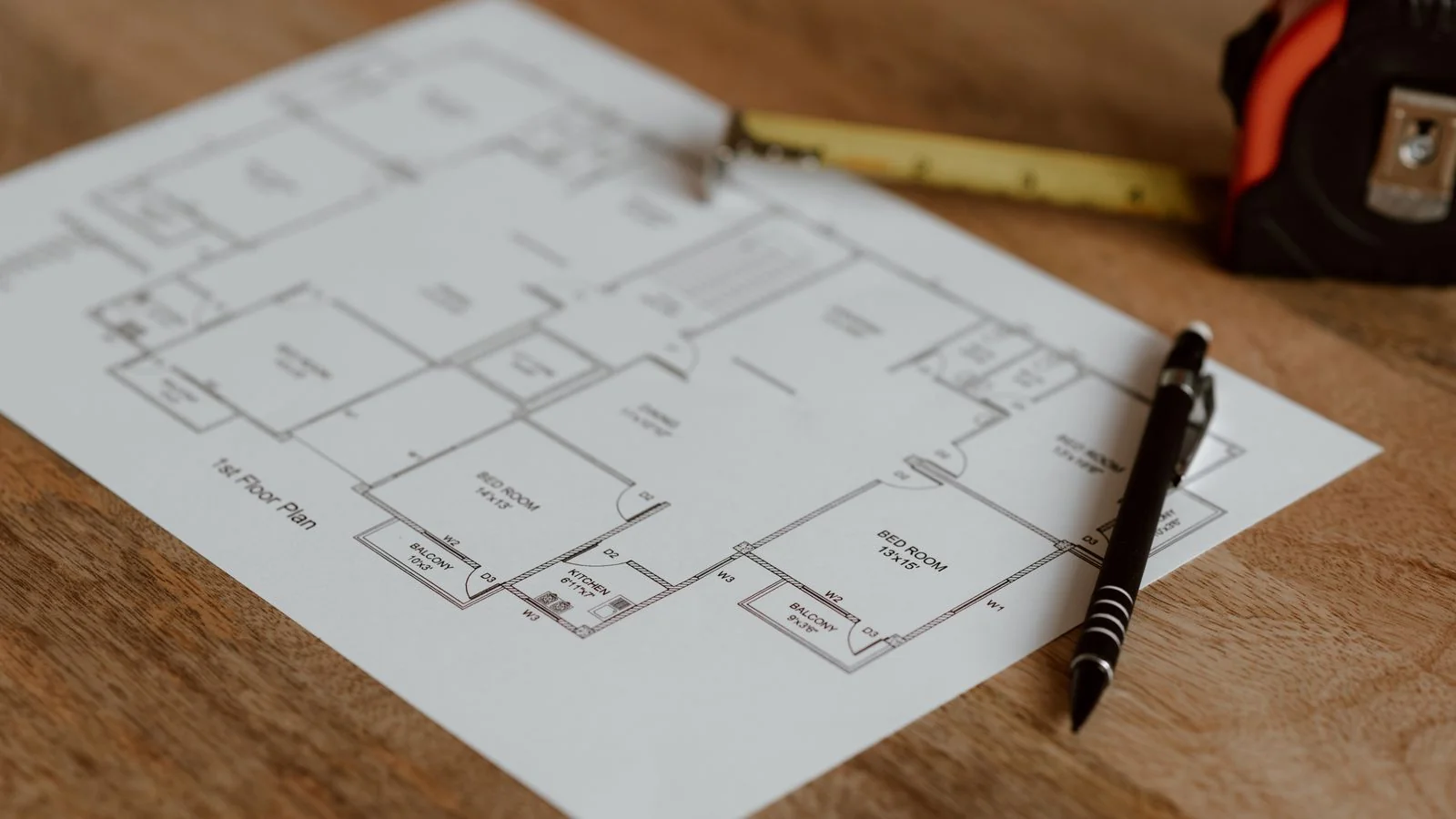
Every space gets a page that opens with the specification table, then the floor plan, then the photographs. The order matters, because the planner’s sequence is eliminate first and imagine second. Putting the imagery first forces them to scroll past it to find out whether they can even consider you, and some fraction of them will not scroll.
Two additions raise the conversion rate further. Add a downloadable floor plan in a format production companies can actually use, which means a PDF with dimensions marked rather than an illustration. And add a short section describing three real events that have happened in the space, with headcounts and configurations named, so a planner can find the one closest to their brief and stop wondering.
There is a second reason to structure this as data rather than prose, and it has become significant in the last two years. Planners increasingly start by asking an answer engine to shortlist for them. Which venues in this city can seat two hundred and twenty for dinner with in-house AV and a midnight curfew. A system answering that question is looking for extractable specifications, and a venue whose capacities exist only inside a paragraph about timeless elegance is not in the answer set. The venues in the answer set are the ones that published tables.
Make your calendar do the selling
Availability is the single most decisive variable in event venue sales and the one almost nobody surfaces.
A planner with a fixed date does not care how good you are if you are booked. A planner with a flexible date will take a better rate to move it. Both of those are content opportunities and both are usually handled by a form that promises a reply within two working days, which is two working days during which eleven other venues have replied.
Publish something about availability, even if it is coarse. A month-level view of which weeks are open. A note on which days of the week carry a lower minimum. A page for the dates you most want to sell, which for most venues is January, February and the Sunday-to-Wednesday block, written as a specific offer rather than a general invitation.
Then do the thing that follows from it: build one piece of content for the events you most want and least get. If you want conferences and you get parties, write the conference content. Breakout room configurations, delegate day rates, wifi capacity in concurrent devices, what the natural light situation is in the rooms people will sit in for six hours. Venues attract the events their content describes, and a venue whose entire library is party photography will keep receiving party enquiries and keep wondering where the corporate business is.
Wifi deserves a line of its own because it is the most frequently misrepresented specification in the industry. Venues quote a connection speed. Planners need concurrent device capacity and whether the network holds when four hundred people join at once, which is a different question with a different answer, and every planner who has watched a registration app fail in a lobby knows it. Publishing the honest figure, including the point at which you would recommend a dedicated line, is the kind of detail that gets a venue trusted.
The same principle applies to accessibility. Publish the specifics rather than a claim of compliance. Step-free routes and where they are, lift dimensions, accessible toilet locations relative to the main rooms, hearing loop coverage, and where a wheelchair user sits with their group rather than beside the door. Planners increasingly have to evidence this to clients, and a venue that has already written it down saves them a site visit.
One more piece belongs in the calendar conversation, and it is the one venues with genuine pricing flexibility should build. Publish a page for the specific gaps you are trying to fill, written as a defined offer rather than a discount. A January conference package at a stated delegate rate. A Sunday-to-Wednesday rate for a two-day off-site. Planners with flexible dates search for exactly this and find almost nothing, because venues prefer to negotiate privately and therefore never appear in the search at all.
The discipline that makes any of this work is measuring the right thing. Venue marketing is usually judged on enquiry volume, which rewards vagueness, because a site that answers nothing generates enquiries from people who need answers. Judge it on the ratio of enquiries that convert to site visits, and on how many arrive already knowing your capacity and your minimum. Those are the enquiries worth having, and they are produced by exactly the content that reduces the raw number.
Here is where to start this week. Open the page for your largest space, and check whether a planner can find capacity by configuration, ceiling height, load-in access and minimum spend without emailing you. If any of the four is missing, that is the piece of content to write first, and it will do more for your enquiry quality than a year of gallery updates.