
Here is the uncomfortable observation that most tax preparers have not caught up to: you can hold the number one spot on Google for tax preparer in your city and still be completely invisible to a growing share of the people looking for you. That is not a contradiction or a glitch. It is the direct result of how people now search. A rising number of clients no longer type a query and scan a list of links. They ask ChatGPT, Perplexity, or Google’s own AI to just tell them who to use and what to know, and the assistant answers with a short, confident recommendation that names a few firms and skips everyone else. If your firm is not in that answer, your Google ranking is a trophy for a race fewer people are running.
This is the shift that Answer Engine Optimization exists to address, and it is arriving fast in exactly the categories tax preparers serve, because tax questions are precisely the kind of confusing, high-stakes thing people are thrilled to hand to an AI assistant. AEO for tax preparers is the work of making your firm the name the machine gives when someone asks it for tax help, rather than a link buried under an answer that names a competitor. It is a different discipline than the SEO you may have dabbled in, with different priorities and a different finish line, and the preparers who understand it now will own the recommendation while their rivals keep polishing a ranking that matters less every quarter. These six moves are how you get there.
Ranking first on Google no longer means getting found
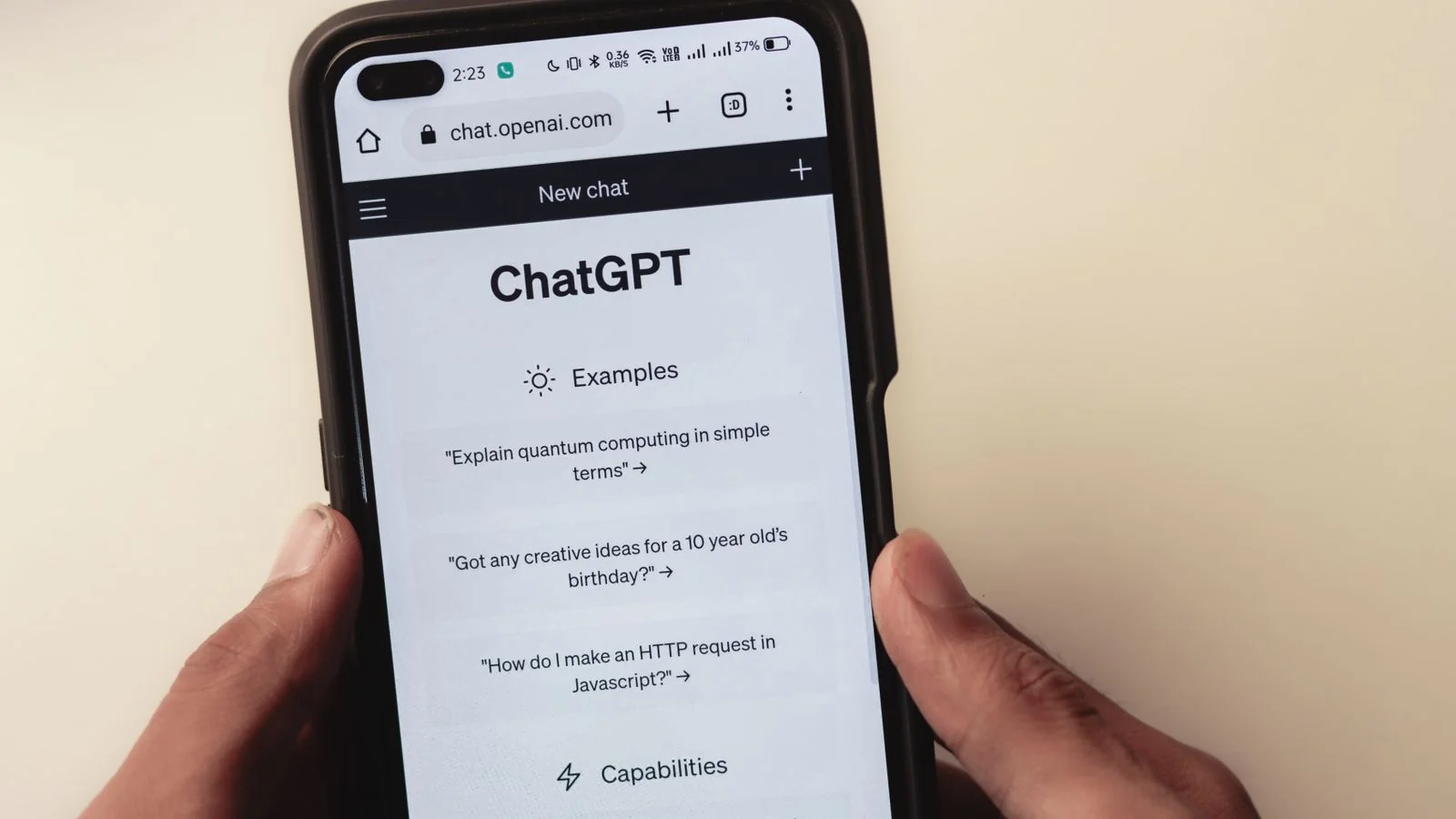
The old model of search put you in a list and let the user choose. Ten blue links appeared, the user scanned them, and your job was to rank high enough to get clicked. The new model collapses that list into a single answer. When someone asks an assistant for a good tax preparer or how to handle a specific tax situation, the machine does not hand back ten options. It synthesizes one response, often naming just two or three firms or citing a handful of sources, and the user frequently acts on that answer without ever visiting a search results page. The list has become an answer, and being on a list you are no longer shown is the same as not being there at all.
For a tax preparer, this changes what visibility even means. It used to mean rank on the page. Now it means be in the answer, and those are not the same target. The assistant builds its answer from sources it trusts and content it can cleanly interpret, weighing signals that are related to but distinct from classic search ranking. A firm can have a well-optimized website that ranks respectably and still never surface in the AI answer, because it lacks the trusted mentions, the clear structured information, and the third-party validation the model leans on. AEO for tax preparers starts with accepting this new reality: the goal is no longer to win a spot on a list of links, it is to become one of the few names a machine is confident enough to say out loud.
How does an AI assistant decide which preparer to name?
An AI assistant recommends the firm it can most safely stand behind, and safety, to a model, means corroboration. It is not pulling a name from a single page. It is synthesizing across everything it has ingested about tax preparers in your area and surfacing the ones that appear consistently, favorably, and clearly across the sources it considers reliable. Those sources include reputable business directories, review platforms, local and trade news coverage, and structured business listings, plus your own site if it is clear enough to read. A preparer whose name recurs across several of these, always tied to the same location and the same description of services, becomes a low-risk answer. A preparer who appears once, inconsistently, or not at all is a name the model has no reason to trust and every reason to omit.
This is why AEO is a game of consistent, corroborated presence rather than a single silver bullet. The model is essentially asking, do enough sources I trust agree that this firm is real, reputable, and relevant to this question? Every trusted mention is a vote. Every clear, structured piece of information you publish makes you easier to interpret and repeat. Every consistent listing reinforces that you are who you say you are. The preparers who show up in AI answers are the ones who have made themselves easy to verify and hard to ignore across the web, not the ones with the cleverest single page. Understanding that the machine wants corroboration is the mental model that makes every move below make sense.
Start with the Answer Surface Audit

The first move is to find out what the machines currently say about you, and I call this the Answer Surface Audit. Your answer surface is the set of questions a potential client might ask an assistant where your firm should ideally appear, and the audit is simply going and checking whether you do. Make a list of the real queries people would use: best tax preparer in your city, help with small business taxes near me, who can help me with an IRS notice, tax preparer for freelancers in your area, and the specific tax questions your ideal clients face. Then ask those questions across ChatGPT, Perplexity, Gemini, and Google’s AI overview, and record what comes back. Which firms get named? Which sources get cited? Do you appear anywhere, and if so, how are you described?
This audit turns a vague anxiety into a concrete map. You will usually discover that you are absent from most of the answers you should own, and you will see exactly which competitors and which sources the models favor instead. That is not discouraging, it is a target list. If a particular directory or review site keeps getting cited in the answers, you now know that being present and strong there matters. If a competitor keeps appearing, you can study why, looking at where they are mentioned and how their information is structured. The Answer Surface Audit is the foundation of AEO for tax preparers because it replaces guessing with evidence, and every move that follows becomes a direct response to a gap the audit revealed. Run it at the start, and rerun it every few months to measure whether your work is moving the answer.
Answer the exact questions people ask the assistant
Once you know your answer surface, the second move is to publish content that answers those exact questions in the exact way people phrase them to an assistant. People talk to AI in full, natural questions, not keyword fragments, so your content should directly and clearly address queries like what happens if I miss the tax filing deadline or do I need to pay quarterly taxes as a freelancer. Write a clear, complete, standalone answer to each of the questions on your audit list, in plain language, with the answer stated up front rather than buried under introduction. The models favor content that resolves a question cleanly, because it is easy to extract and safe to repeat, and a page that answers the precise question a user asked is far more likely to be pulled into the response than a vague page that dances around it.
The craft here is to answer like a person explaining to a client, not like a brochure. Lead each piece with the direct answer, then add the nuance and the caveats a real expert would include, because that combination of clarity and depth is what signals genuine authority to both the reader and the machine. Cover the questions that recur in your practice, the ones clients always ask, because those are the same ones people ask assistants. Over time this builds a library of clear, question-shaped answers that makes your site one of the most useful and machine-legible tax resources in your market. That library is the substance behind your AEO, and it doubles as exactly the kind of expertise that also earns you press and human trust, so no part of the effort is wasted.
Mentions on trusted sources are the real currency
The third move is to earn mentions of your firm on the sources AI assistants already trust, because corroboration from outside your own site is what moves you from a claim to a fact in the model’s view. Your website saying you are a great tax preparer is expected and carries little weight. A respected local business directory listing you, a review platform showing your ratings, a trade or local news outlet quoting you, these are independent signals the model treats as evidence. This is where AEO and press converge, and it is the highest-return work available to a tax preparer, because a single credible third-party mention can do more for your machine visibility than months of tweaking your own pages. The models are looking for outside validation, and every reputable source that names you supplies it.
Building this footprint is deliberate, ongoing work rather than a one-time task. Get listed accurately on the major directories and the review platforms your audit showed the models citing. Pursue local and trade press using the same expertise-as-a-source approach that wins tax preparers coverage, because a quote in a real publication is both a press win and an AEO asset. Instant Press exists precisely to accelerate this part, placing professionals in the kind of indexed, authoritative publications that both readers and AI systems weigh heavily, and for a tax preparer that placement work compounds directly into the trusted-mention footprint AEO depends on. Whether you build the mentions yourself or get help, the principle holds: the more trusted sources that corroborate your firm, the more confidently the machine will name you.
Make your site legible to a machine
The fourth move is technical but not difficult, and it removes a common reason firms get skipped: make your website easy for a machine to read and interpret. Assistants and the crawlers that feed them extract information more reliably when your site clearly states the basic facts about your business and marks them up in structured ways. State your firm name, location, service area, services, and contact details plainly and consistently, use structured data markup so those facts are machine-readable, and keep the same details identical everywhere you appear online, because inconsistency between your site and your listings makes the model less sure it is looking at one coherent business. A page that a human likes but a machine cannot parse cleanly is a page that struggles to enter an AI answer.
Consistency is the quiet backbone of this move. If your firm name, address, and service description are stated one way on your site, another way on a directory, and a third way on a review platform, you look like three uncertain half-matches to a model trying to decide whether to trust you. Pick one canonical version of your core information and make it identical across every surface, then reinforce it with clear structure on your own site. This is unglamorous work, but it is the difference between a firm the machine can confidently identify and one it treats as too ambiguous to name. Good AEO for tax preparers rests on this foundation of clean, consistent, structured information, because everything else you do only helps if the machine can tell that all of it refers to the same firm.
Reviews are quietly becoming citations
The fifth move is to build a steady flow of genuine client reviews, because review signals feed directly into how assistants judge and describe a business. When a model assesses whether to recommend a tax preparer, the volume, recency, and sentiment of reviews on the platforms it trusts are strong inputs, since reviews are exactly the kind of third-party validation the machine relies on. A firm with many recent, positive reviews looks safe to recommend. A firm with few, old, or mixed reviews looks risky, and the model, biased toward safe answers, tends to skip it. Reviews also give the assistant language to use, since it often summarizes what clients say, which means a rich, current review profile shapes not just whether you get named but how you get described.
Making reviews an engine rather than an afterthought is straightforward once you commit to it. Ask every satisfied client for a review at the moment they are happiest, usually right after you have resolved something stressful for them, and make it easy by sending the direct link. Aim for a consistent trickle rather than a single burst, because recency matters and a wall of reviews all dated two years ago signals a firm that has coasted. Respond to reviews, including the occasional critical one, because engagement signals an active, legitimate business. Over a year this discipline produces the kind of review footprint that both reassures human clients and gives AI assistants a strong, current basis to recommend you, turning your satisfied clients into the citations that feed your visibility.
How do you know your AEO is working?
You measure AEO the way you started it, by rerunning the Answer Surface Audit and watching the answers change. Every couple of months, ask the same set of real questions across the major assistants and record whether your firm now appears, how it is described, and which sources are cited. This is the only metric that truly matters, because it measures the actual outcome you are chasing, presence in the answer, rather than a proxy like rankings or traffic. Over time you should see your name enter answers it was absent from, see your description sharpen as your reviews and mentions accumulate, and see the trusted sources that cite you grow. When a competitor drops out of an answer and you appear, that is the scoreboard telling you the work is landing.
The six moves together form a system: audit your answer surface to see where you stand, publish clear answers to the exact questions people ask, earn mentions on the trusted sources the models cite, structure your site so a machine can read it, build a current stream of reviews, and measure by rerunning the audit. None of it is a trick, and none of it happens overnight, because the models refresh their view of the web on their own schedule and trust accrues slowly. That gradualness is exactly why AEO for tax preparers rewards the early mover so heavily. The preparers building this footprint now will be the names the assistants give by the time asking an AI becomes most clients’ first move, and the ones who wait will find the answer already belongs to someone else. Start with the audit this week, and give the machines a reason to say your name.