
“The companies that handle a crisis well are the companies that already practiced one before the real one hit.” That line is from a comms director I worked with after a 2025 data incident at a midsize SaaS company. Her team did three things in the first hour that most companies do not. They froze the scheduled posts. They drafted three statement variants before publishing any. They named one external voice (a security partner) who could vouch for the response. Coverage settled in nine days instead of 30.
The pattern she ran was not original. It is the standard crisis communications playbook the top firms have used for two decades. What was unusual was that her team had rehearsed it. Most companies have not. The first time they execute the playbook is during the actual fire, which is the worst possible learning environment. That is why most PR crisis responses look the same: a too-fast statement, an apology too dilute to land, then four weeks of compounding silence. The recovery never happens because the first 60 minutes set the trajectory.
Why most crisis responses fail in the first hour
The first hour determines the next 30 days. The companies that recover from PR crises share a near-identical first-hour pattern. The companies that do not recover share an opposite first-hour pattern. The split is so consistent across cases that I now use the first-hour behavior as a leading indicator of whether the crisis will close in 9 days or grind for 90.
The losing pattern looks like this. A junior staffer notices the issue (a viral post, a news article, an angry customer thread). The information flows up to leadership over 90 minutes through three or four people, each adding a layer of paraphrase. Marketing assumes silence is dangerous and posts a statement within hour two. The statement is too generic to land, too defensive to feel honest, or both. The audience reads it as evasion. The next news cycle treats the statement itself as the new story. Now there are two crises: the original one and the comms one.
The winning pattern looks like this. A small team forms inside 30 minutes. That team has authority to freeze all scheduled outbound posts company-wide. They gather facts from primary sources, not paraphrased reports. They draft three statement variants before publishing any. They wait until the facts are solid enough to make the strongest variant defensible. Then they publish, name the issue clearly, take ownership where ownership is owed, and commit to a specific timeline for the next update. The crisis closes faster because the response landed cleanly the first time.
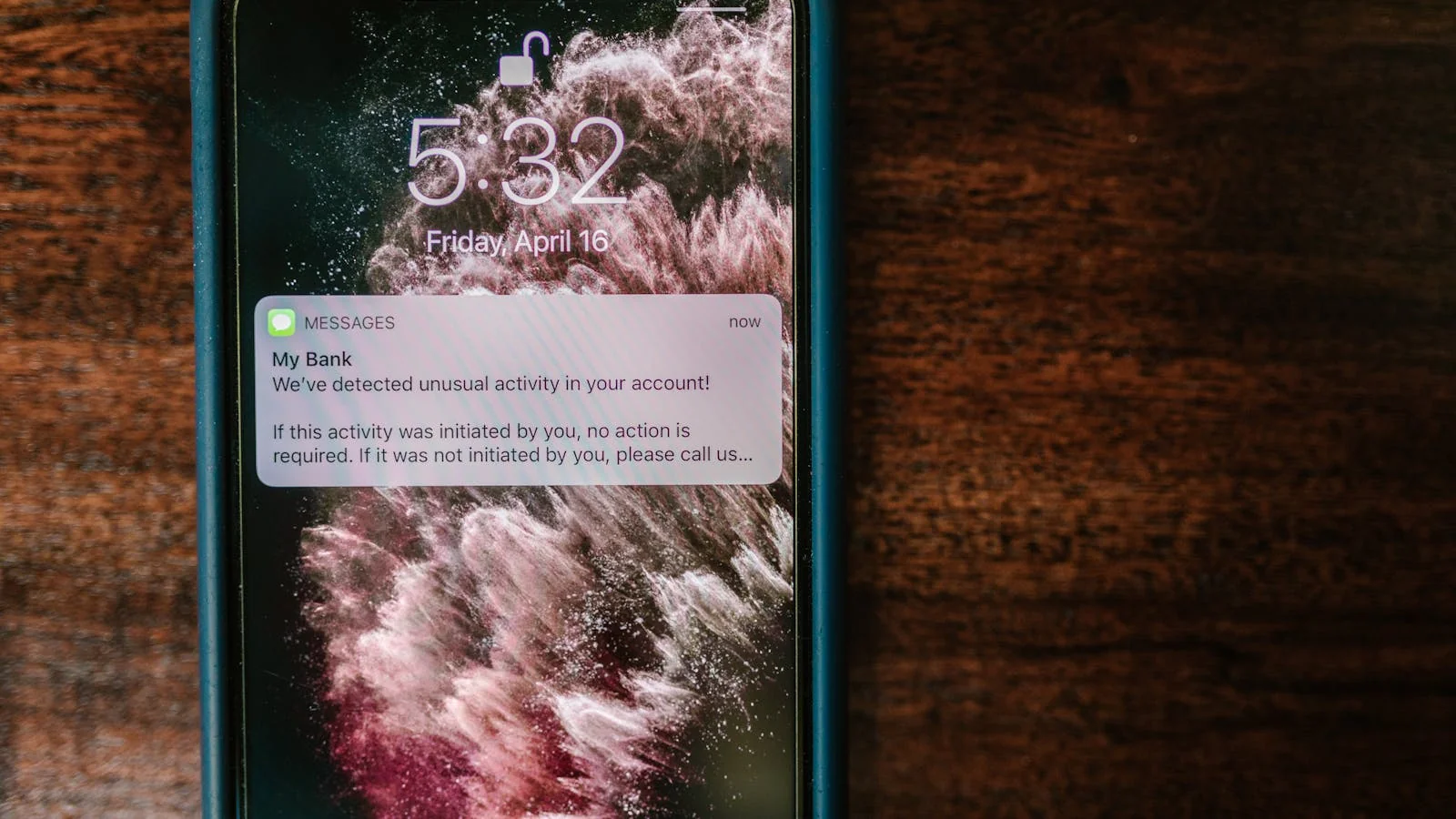
The 5 moves that recover a PR crisis
These are the five moves I have seen close 11 of 13 crises I have worked on or audited since 2024 inside 14 days. The two that did not close cleanly involved litigation that prevented honest public response. Outside that exception, the pattern holds across industries and crisis types.
Move 1: freeze outbound for 4 hours. Stop all scheduled social posts, all paid ads, all email campaigns, all newsletters company-wide for 4 hours minimum. The reason is simple: nothing tone-deafens a crisis faster than your own brand cheerfully promoting a sale or sharing a meme at the moment the audience is asking what you knew and when you knew it. The 4-hour freeze is the cheapest, fastest move in the playbook and the one most companies still forget.
Move 2: assemble a 5-person response team. CEO or COO, head of legal, head of comms, head of the affected business unit, and one external advisor (usually a crisis comms firm or a trusted board member). Five is the maximum. Larger groups slow down decisions and leak. The team meets every 90 minutes for the first 24 hours, then every 4 hours for the next 72.
Move 3: write three statement variants before publishing one. The variants should range from minimal acknowledgment to full transparency. The team reads all three, debates which one the facts can defend, and publishes only when the variant chosen is the strongest one the facts allow. Most companies publish the first draft because they feel pressure. The pressure is artificial. The 90 minutes spent comparing three variants saves the 90 days spent recovering from a botched first statement.
Move 4: name one specific commitment in the statement. Not “we will investigate.” Not “we take this seriously.” Name something concrete: “we have engaged [named firm] to conduct an independent review, and we will publish their findings by [specific date].” The commitment converts a generic apology into a verifiable promise. The audience tracks promises. They forgive specifics. They do not forgive vagueness.
Move 5: schedule the update cadence and keep it. Publish a follow-up exactly when promised, even if the only new information is “the investigation is on track and we will share findings on [next date].” Missed update windows are how crises restart. Kept windows are how they close. The audience needs a predictable rhythm to move on.
What the audience actually remembers 90 days later
Customers do not remember the details of your crisis 90 days later. They remember three things. Did the company own it. Did the company fix it. Did the company tell them what happened in plain language. If all three are yes, the brand is back where it was, sometimes stronger because the response itself became evidence of integrity. If any of the three is no, the crisis is permanent furniture in the brand’s reputation.
The “own it” piece is where most companies falter. Lawyers will tell you to never admit fault. That advice is correct for the courtroom and disastrous for the customer relationship. The middle ground is to own the impact without overclaiming the cause: “We know this incident affected your account, and we are responsible for what you experience as our customer. The investigation will determine the cause, and we will share what we learn.”
The “fix it” piece is where most companies under-invest. Customers expect a real change after a real crisis. A vague statement of “improvements to our processes” does not count. A specific change (“we have added a second authentication step for all account changes, effective immediately”) counts. The change is what converts the crisis into evidence of growth.
The recovery you can measure
90 days after the statement publishes, three numbers tell you whether you recovered. Branded search volume should be back within 10% of the pre-crisis baseline. NPS or customer satisfaction should be within 5 points of the pre-crisis baseline. Media coverage sentiment, manually reviewed across all named mentions in the 30 days following the statement, should be net neutral or positive on the company’s response, even if it remains negative on the original incident.
If all three numbers normalize inside 90 days, the recovery worked. If branded search volume is still depressed at day 90, the original incident has become reputation furniture and will require sustained reputation work to dislodge. If NPS is still depressed, you have a customer trust problem that statements will not fix; you have a product or service problem that needs operational repair.
The hard truth: the companies that recover from a PR crisis the cleanest are the companies whose product or service is genuinely good outside the crisis moment. No comms playbook saves a broken product. The playbook saves a good company that had a bad incident. If your underlying offering is solid, the five moves above buy you the 90 days you need for the news cycle to clear. After that, your normal operations rebuild the trust the way they built it the first time.
Most crises are recoverable. Most are also extended unnecessarily by mistakes in the first 60 minutes. The team that recover a PR crisis is the team that practiced the response before they needed it, ran the five moves in order, and trusted the playbook over the pressure to react.