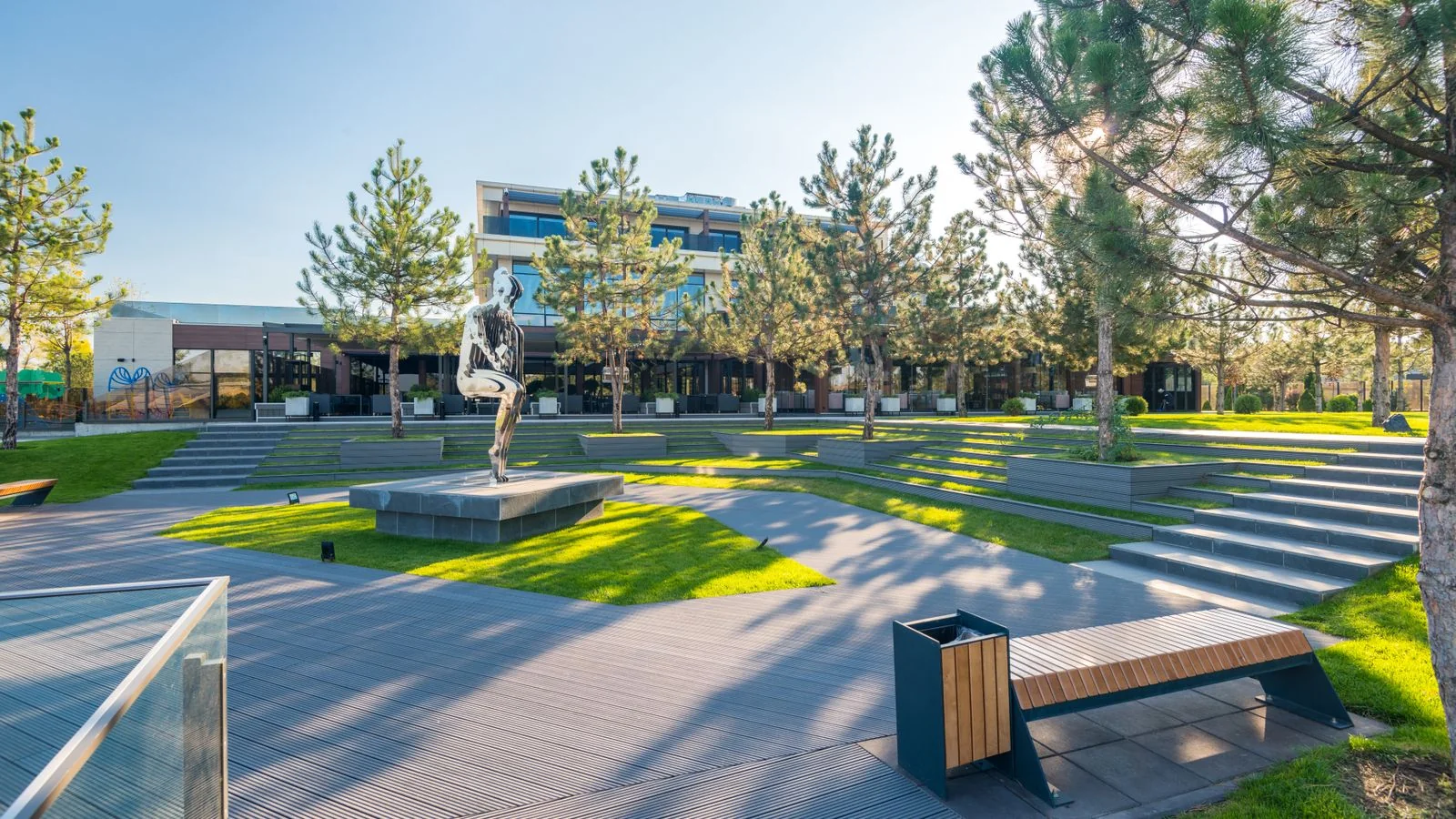
When the first section of the High Line opened in New York in June 2009, the coverage did not read like a landscape story. It read like a civic one. Reporters wrote about a neighborhood remade, a rail line saved from demolition, a new kind of public space, and a model other cities would copy. James Corner Field Operations and Diller Scofidio + Renfro were named in almost every piece, and the project became one of the most written-about works of landscape architecture in a generation. The lesson most firms took from it was “do a spectacular project.” The lesson that matters for how to get press for landscape architects is different: the High Line got covered because it was framed as a story about a city, not a story about a design.
That framing is available to almost every landscape project, including the ones that are not spectacular. A stormwater park in a flood-prone neighborhood, a schoolyard converted from asphalt, a streetscape that slowed traffic, a cemetery restoration, a corporate campus that replaced lawn with prairie. Each is a civic story waiting for someone to tell it that way, and the firms that get coverage are the ones that learned to.
Understand why landscape architecture is under-covered
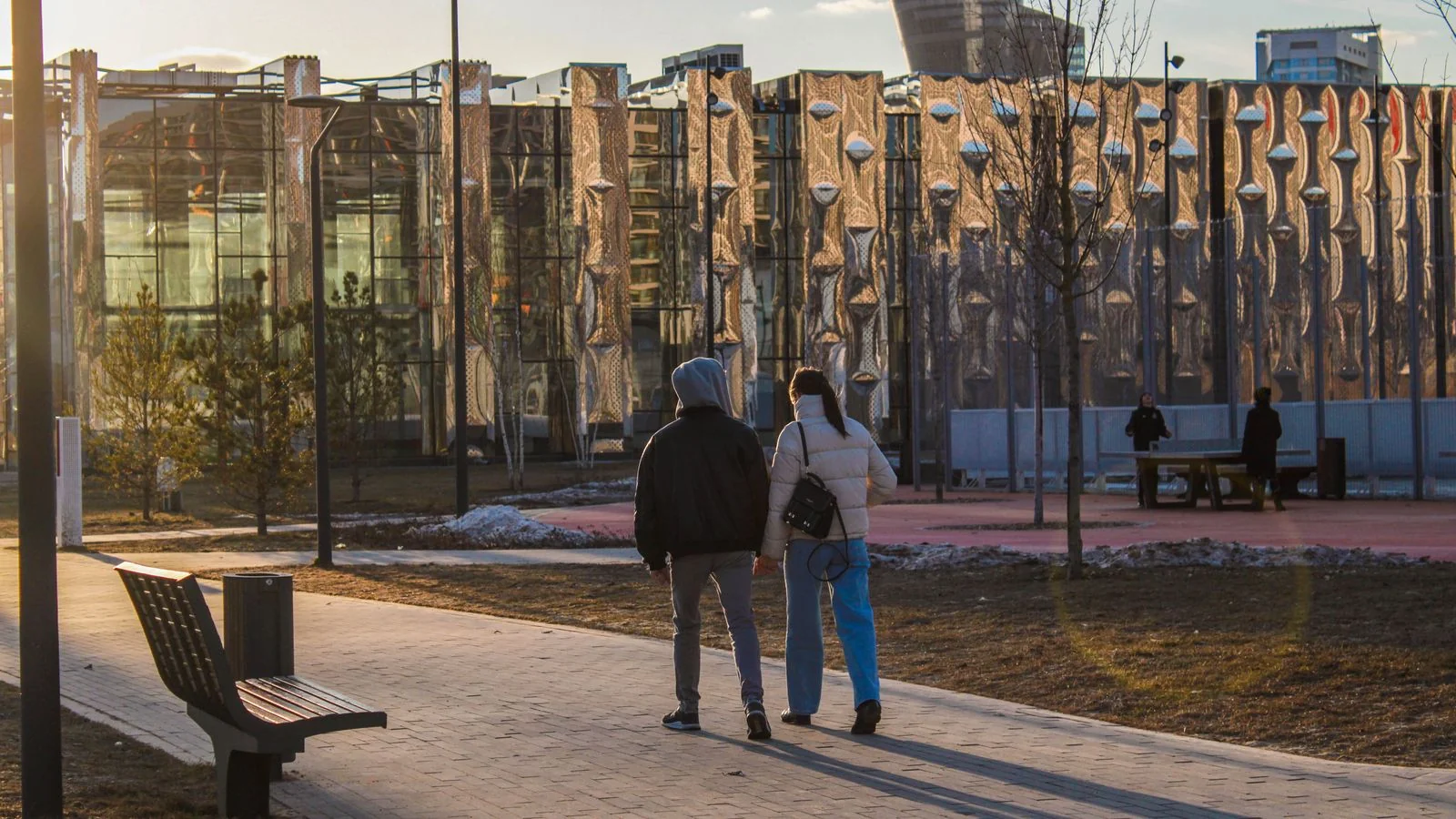
Buildings get covered because they have a facade, an architect with a name, and a ribbon-cutting. Landscapes get used by more people than most buildings and covered less, for three reasons. The first is that the work is often invisible as design: people experience a good park as nature, not as a decision someone made. The second is that the profession does a bad job crediting itself. Press releases from the city name the mayor and the general contractor and leave the landscape architect out altogether, or bury the firm in a list. The third is that firms pitch the wrong story. They send reporters plan drawings and planting palettes when the reporter wants to know what the space does for the people who live near it.
Fixing those three problems is most of what it takes to get press for landscape architects. Make the design visible, make sure the firm is credited, and lead with what the project does for the city.
Build the Civic Angle Stack
Every landscape project can be pitched at five levels, and the strongest pitches stack two or three of them. I call this the Civic Angle Stack, and it runs from the most local to the most universal.
The neighborhood angle is the base. Who lives next to this project and what changed for them? A park where there was a vacant lot. A safe route to a school. Shade on a street that had none. Local newspapers, neighborhood blogs, and community radio run this story every time, and they are the easiest coverage a firm will ever get.
The infrastructure angle sits above it. What does the project do that a pipe or a wall used to do? Landscape architects now design stormwater systems, coastal defenses, heat mitigation, and habitat, and every one of those is a story about a city solving a problem with plants and grading instead of concrete. Reporters covering climate, flooding, or heat need these examples and rarely know where to find them.
The policy angle is third. Does the project demonstrate something a city council, a school board, or a state agency is debating? A schoolyard that shows what a green schoolyards ordinance would produce. A street that shows what a complete streets policy looks like in practice. Policy reporters and civic columnists will use a built project as the concrete illustration for an abstract debate, and they will name the firm that built it.
The economic angle is fourth. What did the project do to property values, foot traffic, retail vacancy, or tourism? Business journals cover this angle every week and almost never hear from landscape architects, which means a firm with numbers on a completed project has an open lane.
The model angle is the top of the stack. Is this a project other cities will copy? That is the High Line’s story, and it is available in smaller form to any project that is the first of its kind in a region. First stormwater park in the state. First school district to depave every playground. First downtown to remove a parking requirement and build a plaza. “First” is a word editors cannot resist.
Get the credit before the ribbon is cut
The most common reason landscape architects go unnamed in coverage is that they never asked. Municipal communications offices write the press release for a park opening, and they write it from the information in front of them, which is most often the contractor’s paperwork and the mayor’s schedule. If the firm’s name is not in that packet, it is not in the release.
Fix this at the contract stage. Put a credit clause in your agreement with public clients specifying that the firm will be named as landscape architect in press materials, signage, and the opening announcement. Then, sixty days before the opening, send the client’s communications office a short project sheet with the firm’s name, the design story, three quotable sentences from the principal, and a link to professional photography. Communications staff are overworked and will use what you hand them. The firm that provides the material writes its own coverage.
Photograph the space with people in it
Landscape photography for awards and portfolios is shot at dawn with no one in the frame. Landscape photography for press should be shot on a Saturday afternoon with the space full. Editors and reporters are looking for evidence that the project works, and a photograph of children on a splash pad or commuters on a shaded bench is that evidence. Commission both sets. Use the empty ones for the awards submission and the full ones for the pitch.
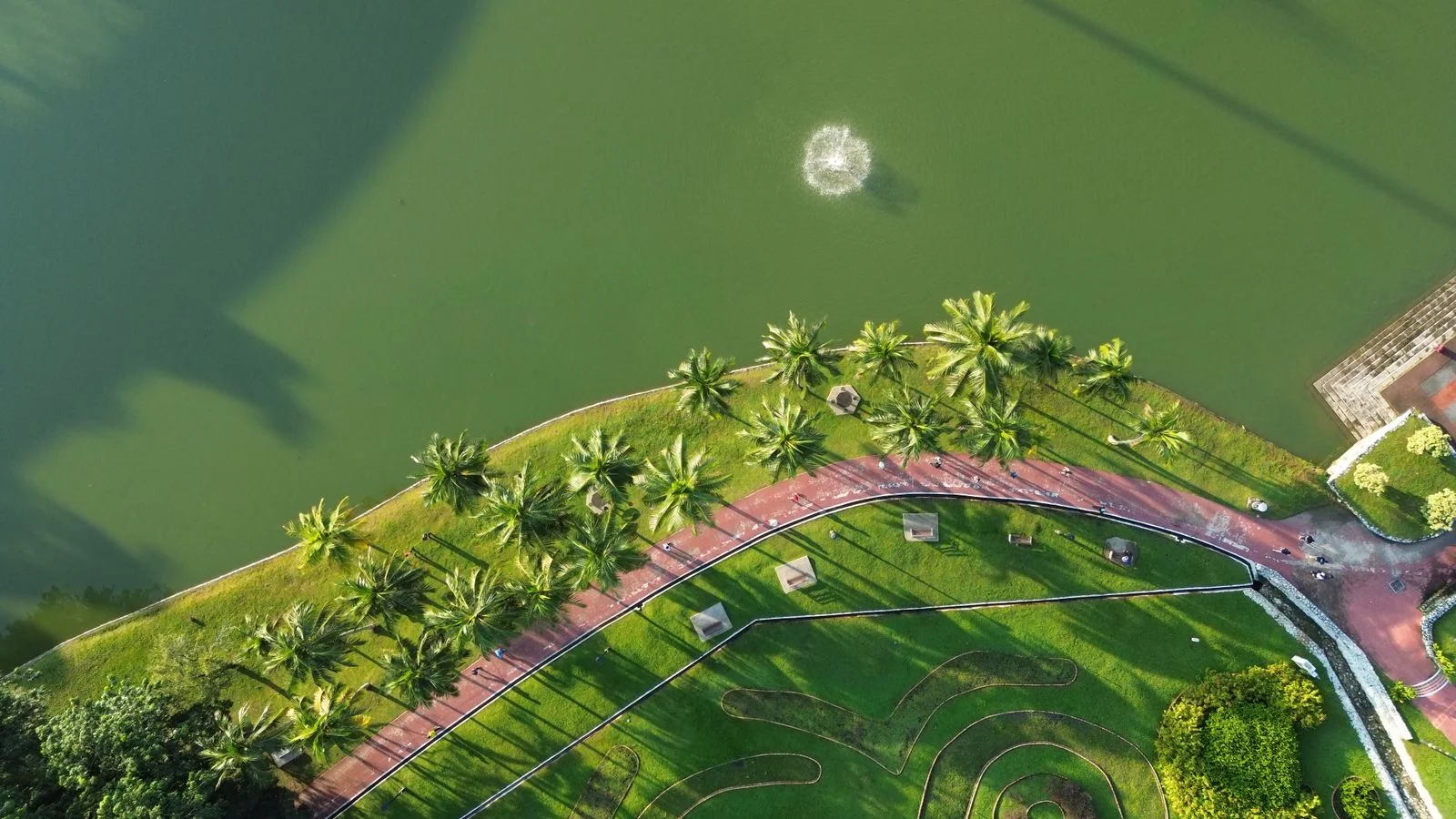
Aerial imagery matters more for landscape than for any other design discipline, because the design logic of a site is often only legible from above. A drone photograph that shows the relationship between the new wetland and the neighborhood it protects tells the infrastructure story in one image. Budget for it on every project of any size.
Pitch the reporter who covers the problem, not the beat
Firms tend to pitch the architecture critic, if the city still has one, or the design press. Those are the hardest outlets to land and the smallest audiences. The reporters who will run a landscape story are the ones covering the problem the project solves: the environment reporter for the stormwater park, the education reporter for the schoolyard, the transportation reporter for the streetscape, the real estate reporter for the downtown plaza, the health reporter for the project that reduced heat in a neighborhood. Read their last ten stories, find the one where your project would have been the perfect example, and write a three-paragraph note saying so.
National design outlets come after that. Landscape Architecture Magazine, published by the American Society of Landscape Architects, covers the profession’s best work and is read by every peer and most public clients. Dezeen and ArchDaily accept landscape submissions and run them regularly. The Architect’s Newspaper, Metropolis, and regional design publications all run landscape stories when the project has a civic frame. Local coverage first, with a civic angle, gives those outlets a reason to believe the project matters.
Trade and design outlets also reward a firm that arrives with the local clips in hand. A pitch to Landscape Architecture Magazine that includes two links to local coverage of the project’s opening and first season is a pitch with proof that the project mattered to someone outside the profession, and editors at national outlets read that proof as a reason to believe the story will hold their readers too.
Use the awards cycle as a press calendar
The ASLA Professional Awards are announced annually and covered by the design press, and state ASLA chapters run their own awards programs with local coverage. An award is a press event with a built-in date, and firms waste it by posting a graphic on LinkedIn and moving on. Instead, treat the announcement as a reason to re-pitch the project locally: “our stormwater park just won a national award, here is what it has done for the neighborhood since it opened.” Reporters who passed on the opening will often take the award story, because the award is external validation they can cite.
Put the principal in front of the microphone
Reporters need a landscape architect to call when heat waves hit, when a flood recedes, when a city debates a park bond, or when a developer proposes replacing trees with parking. Most cities have no such person, because no firm has volunteered. The principal who writes a short op-ed after the next heat wave, appears on the local public radio station to explain urban tree canopy, and answers a reporter’s email within the hour becomes the default source, and being the default source is the most durable press a firm can have. It also builds the citation trail that AI assistants draw on when someone asks which landscape architecture firms in a region are respected.
Track the numbers the project produces
The economic and infrastructure angles depend on data, and landscape architects rarely collect it after the project opens. Change that. Count visitors on a sample day, and do it again a year later so the trend is yours to report. Ask the city for the stormwater volume the site captured in the last storm. Pull the property assessments on the surrounding block before and after. Ask the school for attendance or behavior data after the schoolyard opened. A firm that can say “this two-acre park absorbed this many gallons during the storm on this date” has given a reporter a sentence they will print verbatim.
Turn each project into a year of coverage
A single landscape project can generate coverage at five moments: the design approval, the groundbreaking, the opening, the first season of use, and the award or first-anniversary data. Most firms pitch none of them or only the opening. Map all five for every project on the boards, because the firms that get press for landscape architects are the ones that pitch on a schedule rather than at an opening, decide which angle from the stack fits each moment, and put the dates on a calendar. Two projects a year, five moments each, is ten pitches, and ten well-aimed pitches with civic framing will produce more coverage than most firms have earned in a decade.
The firms that are named in next year’s stories about heat, flooding, and public space will be the ones that started framing their work as civic news this year.