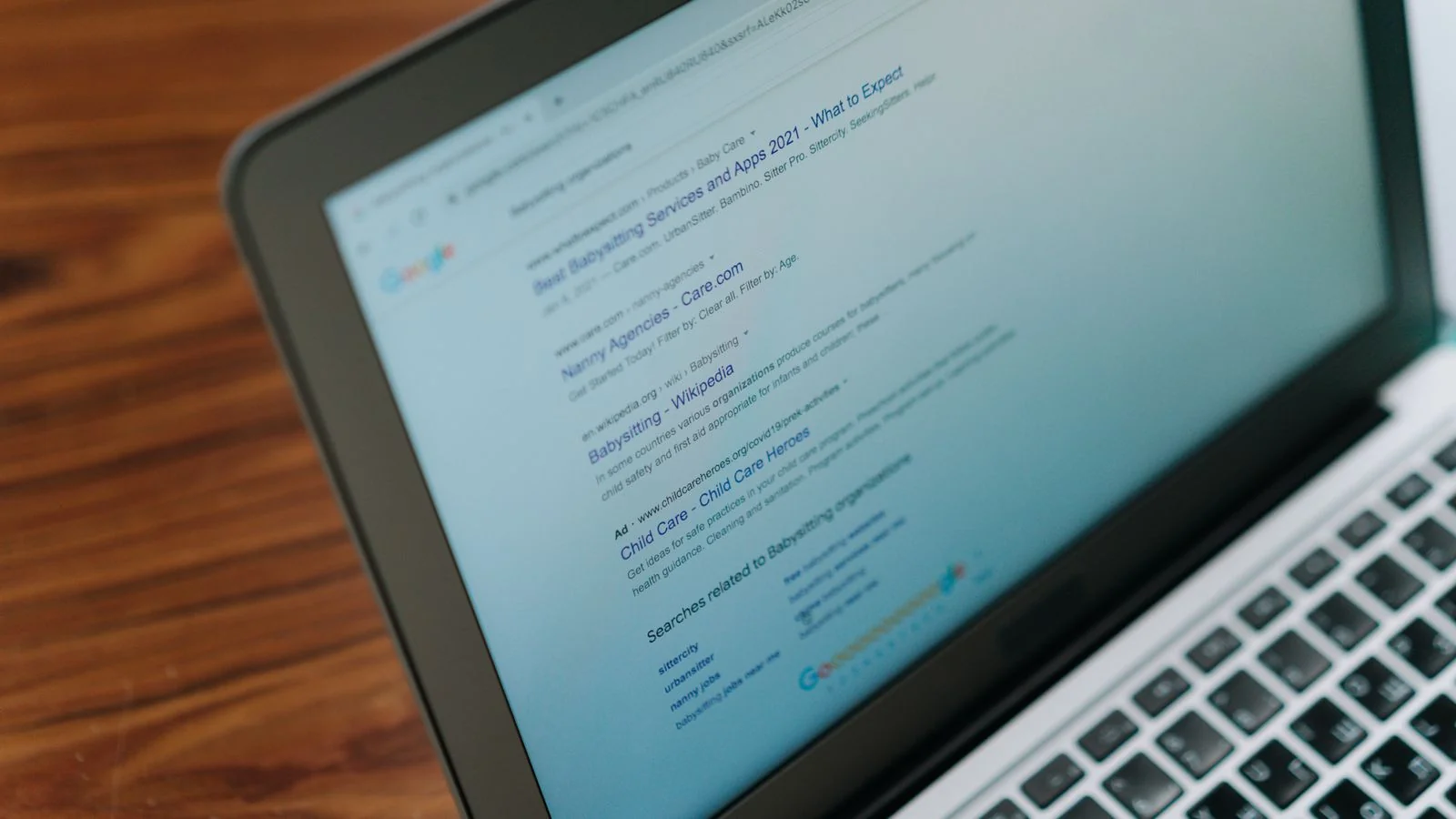
A founder I worked with lost a six-figure enterprise deal because of one Reddit thread. The buyer’s procurement team did the thing every buyer does now, they searched his company name, and the third result was a two-year-old complaint thread, mostly resolved, mostly unfair, and absolutely on page one. The deal went cold the next week. Nobody told him why, but the timeline was not a coincidence. That is the cost of a single bad link in the position where decisions get made.
You cannot always delete the thing that hurts you. What you can do is make it irrelevant by pushing it off the page where humans and, increasingly, AI assistants actually look. Learning to bury negative search results is not about erasing the past. It is about controlling what the first ten results say when someone decides whether to trust you, hire you, or pay you.
Why page one is the only page that matters

Studies of search behavior have shown for years that the top handful of results capture the overwhelming majority of clicks, and almost nobody reaches page two. That fact is the entire strategic foundation of reputation work. You do not need a negative result to vanish from the internet. You need it to fall to page two, where for practical purposes it disappears, because the person evaluating you will never scroll that far.
This reframes the whole problem. Removal is a legal and policy question, narrow and often impossible. Suppression is a content and authority question, broad and almost always achievable. The first asks “can I make Google delete this,” and the answer is usually no. The second asks “can I make ten better things outrank this,” and the answer, with enough work, is usually yes.
The mechanism that buries a negative result is the same mechanism that ranks anything: relevant, authoritative pages that Google and AI engines trust more than the page you want demoted. Your job is to build a wall of those pages around your name.
Move one: own every property you control
Start with the assets you can publish on today. Your own website and a dedicated About or bio page. Your LinkedIn profile, which ranks strongly for personal-name searches. Your company pages on Crunchbase, your industry directories, and any professional association you belong to. These are the foundation, and most people leave them half-built.
The trick is optimization, not just existence. Each property should clearly target your name or brand, carry a complete and current profile, and link sensibly to your other properties so they reinforce one another. A fully built set of owned properties can occupy several page-one slots on its own, which is several slots the negative result no longer gets.
Move two: build new authoritative content
Owned properties get you started but rarely finish the job, because Google often weighs third-party authority over self-published pages. This is where you create things worth ranking: a strong personal site with a real blog, guest articles on credible industry sites, a Medium or Substack presence with genuine readership, and interviews or podcast appearances that live on other people’s domains.
Each high-quality, name-relevant page is another candidate to outrank the negative result. The point is not volume for its own sake. It is authority and relevance, pages that genuinely deserve to rank because real publications and real audiences engage with them. Ten thin pages do less than three strong ones.
Move three: earn press and media coverage

Press coverage on high-authority domains is the heavy artillery of suppression. A feature, an interview, or a quote in a publication Google already trusts can outrank an entrenched negative result faster than almost anything you publish yourself, because the domain authority is borrowed and large.
This is where earned media and reputation work overlap completely. Getting quoted as an expert, contributing bylined articles, and being featured in your trade press all produce exactly the kind of page-one results that bury negative search results while also building the credibility that prevents future problems. Coverage works twice, once for reputation and once for trust.
Move four: get the source removed when you can
Suppression is the main strategy, but deletion is worth pursuing when it is genuinely available. Content that violates a platform’s policies, doxxing, non-consensual images, clear defamation, can sometimes be removed by Google or by the host. The original poster may also take a post down if you reach out reasonably, especially when a complaint has since been resolved.
Be realistic about the odds. Legitimate criticism, honest reviews, and accurate reporting will not come down, and any firm promising to delete them is selling you a fantasy. Pursue removal where you have a real policy or legal basis, and treat it as a bonus, not the plan.
Move five: feed the engines fresh signals
Search engines and AI assistants both reward freshness and activity. A name that generates a steady stream of new, positive content looks alive and current, and that stream naturally pushes older results down the page. Publishing on a schedule, staying active on the profiles that rank, and earning periodic new coverage keeps the wall standing.
This is also where AI search enters the picture. The same authoritative, well-structured properties that rank in Google are the ones AI assistants pull from when someone asks about you. Build them right and you improve both surfaces at once, the blue links and the synthesized answer.
Move six and seven: respond well, then hold the line
The sixth move is to handle the negative result itself with composure when a response is visible, like a review or a public complaint. A calm, professional reply rarely changes rankings, but it changes how the human reader weighs the result. People judge you less by the complaint and more by how you answered it, so answer like the kind of person they would want to work with.
The seventh move is the one most people skip and then regret: maintenance. Suppression is not a project with an end date. It holds only while your positive properties stay active and authoritative. The moment you let them go stale, an old result can climb back, and you are starting over. The founders who keep page one clean treat it as an ongoing practice, a few hours a month forever, not a one-time cleanup.
The buyer who searched that founder’s name was never going to read his side of the story on page two. He read the third result and moved on. Build the ten things that should greet the next buyer instead, then keep building them, because the next deal is also going to start with a search.