
On Friday, October 23, 2026, CBS News Editor-in-Chief Bari Weiss and President Tom Cibrowski sent an internal memo naming Jon Tower executive producer of CBS Mornings. Tower is no stranger to the show. He joined CBS News in 2014, held senior production roles on the morning broadcast and its predecessors for more than a decade, and was part of the original team that launched MSNBC’s Morning Joe. But his appointment capped a fall of change. Six weeks earlier, Norah O’Donnell had returned to the anchor desk alongside Gayle King and Nate Burleson, filling the seat Tony Dokoupil vacated when he moved to the CBS Evening News.
If you want to know how to get on CBS Mornings, start there. The show you are pitching in late 2026 is not the show your publicist pitched in 2024. It has a new executive producer, a new co-host, a network leadership team that wants to grow the audience, and, according to Variety, a push toward segments where the hosts hold longer conversations about colorful stories in the news. Every one of those changes shapes what a producer says yes to.
This guide covers who decides, what the show is hungry for right now, how to prepare once you get the call, and the pitch that gets you there.
Who books the segments?
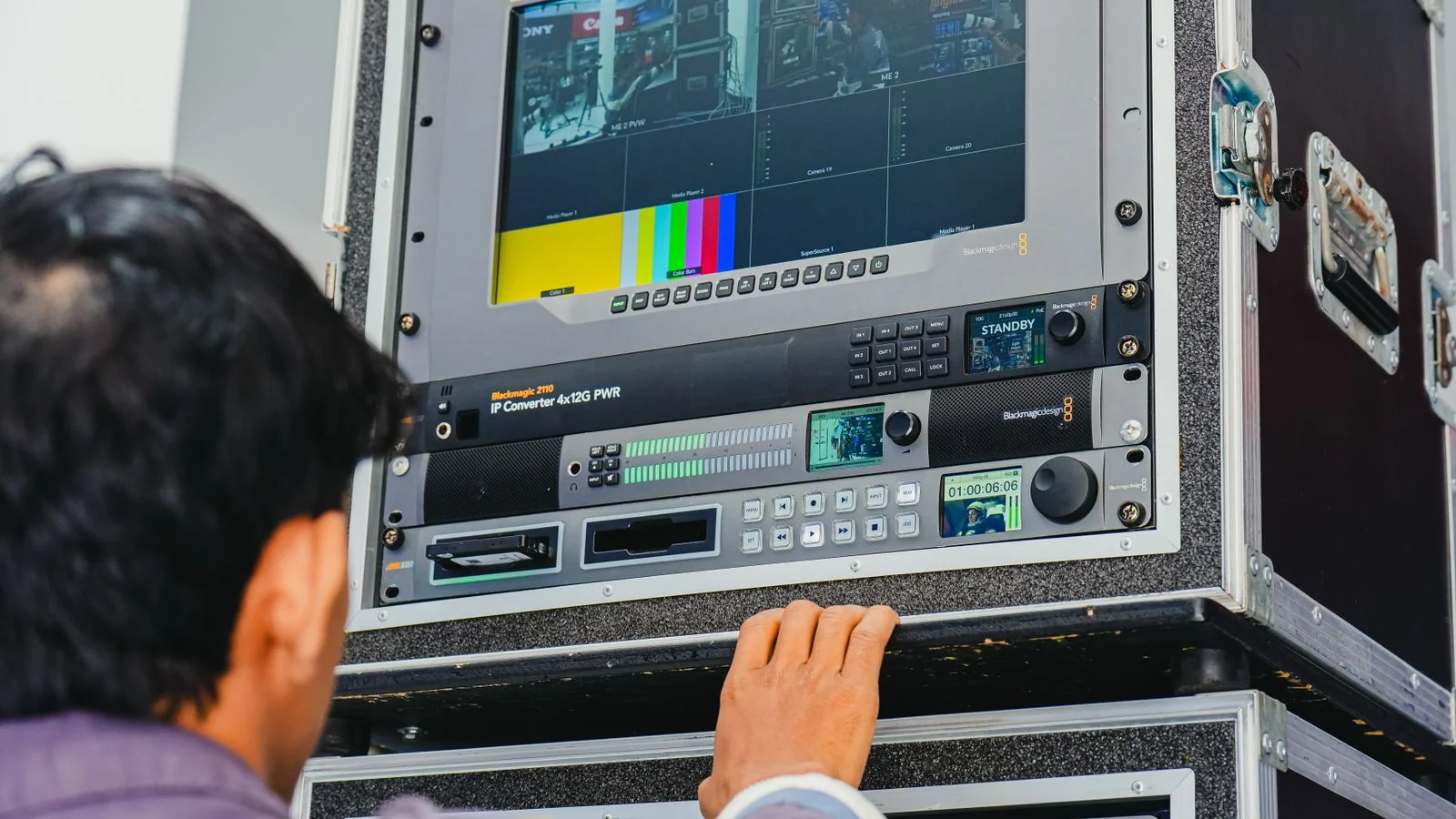
The anchors do not book you. Producers do. CBS Mornings runs two hours, from 7:00 to 9:00 a.m. Eastern, out of Studio 57 at the CBS Broadcast Center in New York, where the show moved back from Times Square in the fall of 2025. Behind those two hours sits a staff of bookers, segment producers, senior producers and a managing editor layer that decides what makes air.
The two hours behave like two different shows. The 7 a.m. hour leans hard on news: the overnight developments, politics, weather events, the stories CBS correspondents are breaking. The 8 a.m. hour is where most features and special projects live. One senior producer who oversees that work describes his job on his public LinkedIn profile as assembling story pitches from the staff and leading the discussion among senior producers about what to greenlight. That detail matters. Your pitch does not land on one desk and get a yes or no. A producer who likes it has to carry it into a room and argue for it against other ideas.
So write the pitch for the producer who has to sell it upstairs. Give them a one-line version they can repeat in that meeting without notes.
The same profile lists recurring franchises the features team runs, including Never Too Late, Three Meals, Pushing the Limits, Mornings Mixtape and America 250. Recurring franchises are the easiest doors to find because they have a fixed shape. A producer filling Never Too Late next month needs a person who started something late in life and has a story worth four minutes. If that is you, you are not asking the show to invent a slot. You are filling one they already have.
CBS also publishes weekly guest listings through Paramount Press Express, the company’s press site. The listing for the week of October 12, 2026, for example, showed Gayle King talking with Billy Crystal on Monday and Nate Burleson talking with actor Noah Centineo on Friday. Read those listings for a month. You will see who interviews whom, which guests get a named host and which segments run without one. That is free intelligence on how the show matches people to anchors.
The Hour-Host-Hook test
Most pitches to morning television fail for a reason the sender never sees. The idea is fine. It just does not fit any specific place in the broadcast, so no producer can picture it on air. The filter I recommend running before anything goes out is what I call the Hour-Host-Hook test. A pitch has to clear all three.
Hour is the first question. Is this a 7 a.m. story or an 8 a.m. story? If your story only works with news urgency, a fresh study, a breaking trend, a lawsuit, a recall, it belongs in the first hour and it needs to be timely the day you send it. If it is a profile, a how-to, a personal journey or a lifestyle piece, it belongs in the second hour, where there is more room and more patience. A pitch that tries to be both reads as neither.
Host is the second question. Which person at that table is the natural interviewer? Gayle King gets the big newsmaker and celebrity sit-downs, and she has spent decades building a reputation for interviews that go somewhere emotional. In September 2026 she landed Stella Parton’s first interview after the death of her sister, Dolly. Nate Burleson, an Emmy-winning analyst on CBS Sports’ The NFL Today, is a natural fit for sports, fitness, comebacks and stories with a coaching angle. Norah O’Donnell is also a full-time 60 Minutes correspondent, so serious reporting, military and policy stories map to her. Vladimir Duthiers and Kelly O’Grady run the looser cultural conversations, the ones about what the internet cannot stop talking about. You are not pitching a host by name, but naming the right one in your head forces you to shape the story in a way that producer can picture.
Hook is the third question, and the one most founders skip. Why this week? A product launch is not a hook. A company anniversary is not a hook. A hook is a reason the audience needs this story now: a new federal rule, a seasonal moment, a cultural conversation already underway, a data point that contradicts what people assume. Cibrowski, who helped ABC’s Good Morning America pass Today in the ratings before he came to CBS, is pushing segments where hosts talk at length about issues tied to stories in the news. If your expertise lets the hosts have a better version of a conversation the country is already having, you have a hook.
Run the test with care. If you cannot answer one of the three in a single sentence, the pitch is not ready.
Prepare as if you get four minutes
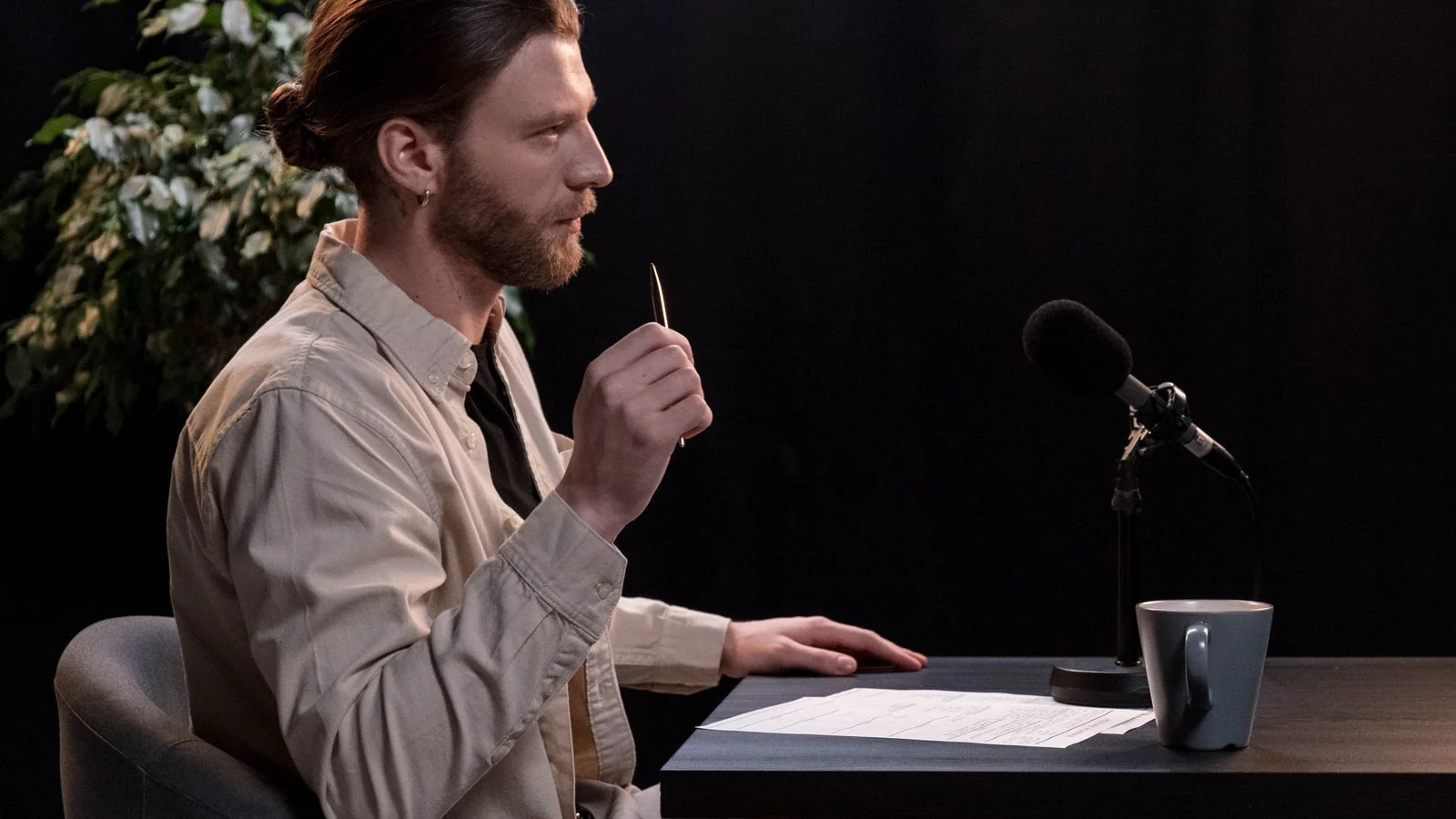
When a producer calls, the work changes. You will likely get a pre-interview, a phone or video call where a producer asks you the questions the host might ask and listens to how you answer. Treat it as the audition it is. Producers use it to decide whether you are clear, warm and quick, and they write the host’s notes from what you say. If you ramble on the pre-interview, the segment can get cut or shortened before you ever reach the studio.
Prepare three points and no more. A morning show segment runs a few minutes, split between the host’s setup, your answers and a closing beat. Three points is the most you will get across. Write each one as a single sentence a viewer could repeat over breakfast. Then attach a specific example or number to each, because examples are what make segments feel alive on camera.
Practice out loud, on video, at the speed of real conversation. Watch it back with the sound off once, so you can see whether your face and hands look engaged, and once with your eyes closed, so you can hear whether your answers start with the point or wander toward it. Cut every answer that runs longer than about 30 seconds. On live television, long answers get interrupted, and interrupted guests look flustered even when they are not.
Plan for the visuals. Morning television is a visual medium, and producers love a segment where something is happening on screen: a product they can hold, before-and-after footage, a short clip of your work, a chart that makes your data point obvious. Offer B-roll and photos in your follow-up so the producer has something to cut to while you talk.
Last, sort out logistics fast. The show is in New York and it starts at 7 a.m., which means a call time well before dawn. If you are remote, ask whether they want you in a CBS affiliate studio or on a home setup, and test your camera, light and audio the day before. Reliability is a reason producers book people a second time.
Write the pitch email a producer can forward
The pitch itself should be short enough to read on a phone in the elevator. Start with a subject line that states the story, not your company: something shaped like this made-up example: “New retirement survey out today (founder who started her company at 67).” That one line tells the producer the hook, the hour and the franchise it could fit.
The body needs four parts and should run under 200 words. Open with the story in two sentences, written as if it were the host’s introduction. Follow with why now, in one sentence, naming the news moment, date or data. Then explain who you are and why you are the right person to tell it, with one line of proof that you can talk on camera, such as a link to a past interview or a 30-second clip. Close with what you can offer: a guest, footage, a demonstration, a real customer willing to appear. End with your phone number and the windows you are free.
Do not attach press releases or decks. Do not send the same pitch to every CBS producer you can find at once, since producers talk to each other and duplicate pitches look careless. Pick the producer whose recent segments sit closest to your story, send it, and follow up once after about a week with something new, a fresh data point or a development, not a “just checking in” note.
If you have no producer names, start by watching the show for two weeks and noting who covers which beats, then confirm the right person through public bios and their published work. That patience shows in the pitch, because it will be built for one person rather than a generic inbox. Most people who ask how to get on CBS Mornings want a shortcut. The research is the shortcut, because almost nobody else does it.
The short version
CBS Mornings in late 2026 has a new executive producer, a returning co-host and leadership that wants longer, newsier conversations. Producers decide what airs, and they have to sell your story to a room of senior producers. Pass the Hour-Host-Hook test before you send anything, aim at a recurring franchise when you can, nail the pre-interview with three sharp points, and send a pitch short enough to forward. That is how to get on CBS Mornings in the season of Tower and O’Donnell. Do those four things and you are no longer asking for airtime. You are handing a producer a segment.