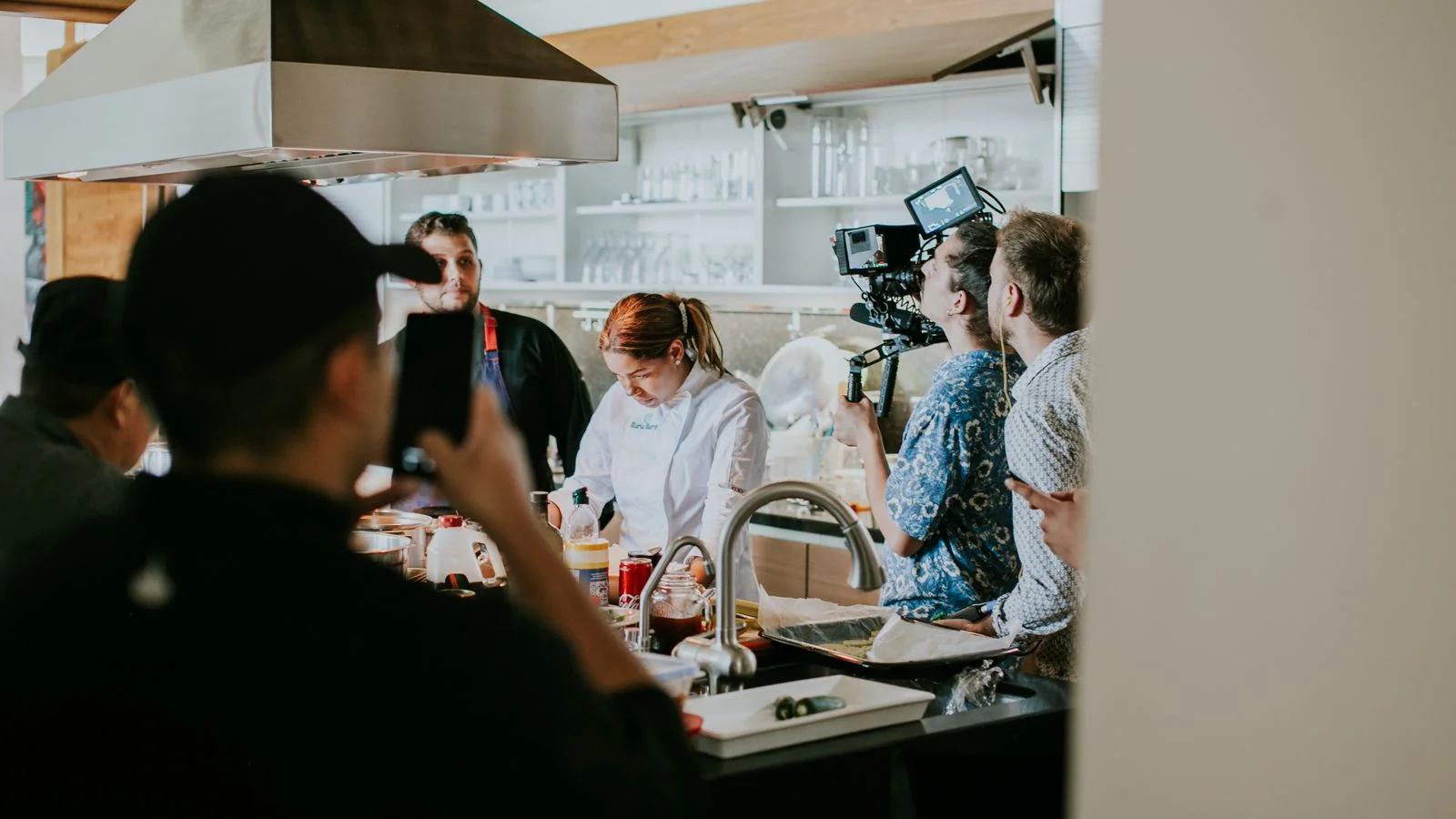
You cannot pitch Food Network. That is the short answer, and it comes from the network itself. Its About page says casting happens through production companies, that Food Network and its hosts do not contact individuals directly, and that it “cannot accept unsolicited pitches from individuals.”
So the founder who emails a show idea to a generic Food Network inbox is knocking on a wall. The people who end up on screen walk through side doors that the network describes in plain language on its help center, if you know where to look. I call the result the Four Doors Map: restaurants, products, competitors and digital editorial. Each door has a different gatekeeper, a different timeline and a different thing it wants to see. Pick the one that matches what you have, and how to get featured on Food Network stops being a mystery.
Food Network doesn’t cast you. Production companies do.
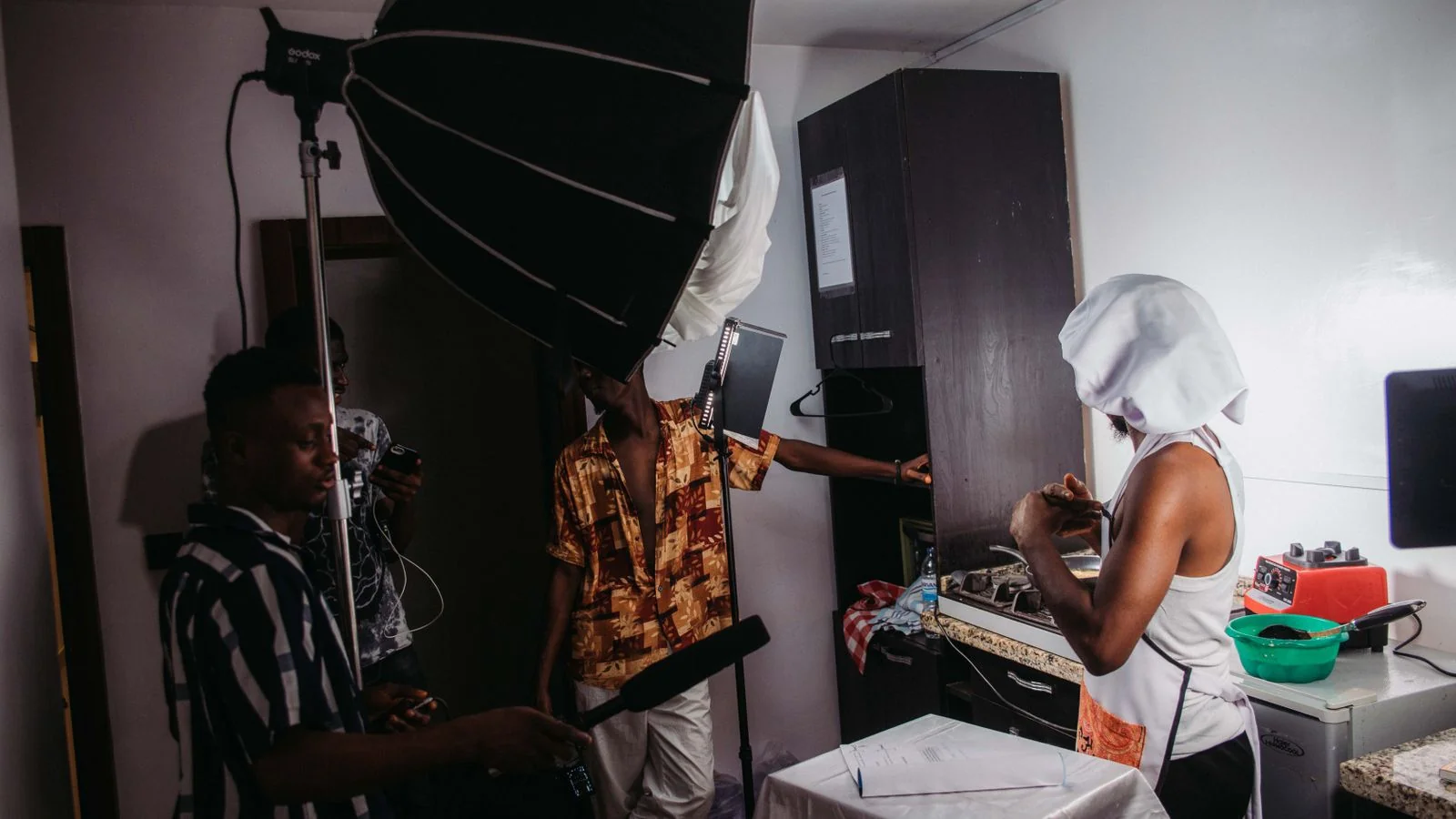
Start with how the shows get made. Most of what airs is produced by outside companies under contract to the network. Diners, Drive-Ins and Dives, for example, has been produced by Citizen Pictures, a Denver company whose crew told Videomaker in 2019 how they scout, shoot and edit the show. The network commissions, schedules and promotes. The production company finds the restaurants, books the chefs and decides which bottle of hot sauce sits on the counter.
That split matters because it changes who you write to. Food Network’s help center answers the product question directly: “The items seen on our shows are selected by individual production companies, so you would need to reach out to the company directly.” It even tells you how to find them. The production company name appears in the end credits of each episode.
The show-pitch rules work the same way. The help center sends established producers to a producer portal, where they register and agree to the Discovery idea submission policy before uploading anything. Individuals without a production company are pointed elsewhere. If you have a show concept and no production partner, the network is not your first meeting. A production company is.
Here is the map in one table, so you can find your door before you read the rest.
| Door | Who decides | What you send | Best fit |
|---|---|---|---|
| Restaurant segment | Show producers and researchers | A suggestion email, then interviews | Independent restaurants with a story |
| Product on screen | The production company | Samples and a short note to the credited company | Packaged food, tools, cookware |
| Competitor | Casting teams at production companies | A casting application and audition tape | Chefs and strong home cooks |
| Digital and magazine | Editors at FoodNetwork.com and the magazine | A pitch with a story, not a press release | Trends, recipes, expert commentary |
Door 1: Get your restaurant onto Triple D
This is the most public door the network has. Food Network’s help center lists a dedicated address for suggestions to Guy Fieri’s show: storyideas@tripledinfo.com. The page asks one thing: include your contact information.
The email is the easy part. What happens next is a long screen. In the Videomaker piece, the producers said they take suggestions from the public but run a serious selection process, because they do not want to send viewers somewhere that isn’t a great restaurant. They also said two things that should shape your suggestion. They usually avoid places that have already been on television, and they want “a high portion of what they’re serving” made from scratch.
Owners who have been through the process describe more steps. A Tasting Table feature from August 31, 2026 laid out the rules restaurants follow to appear. It starts with a phone interview that covers ingredients and popular dishes, and owners must be willing to share health inspection reports. More calls follow, then an in-person visit. Fieri himself has said the bar is not two great specials on top of frozen food. Everything leaving the kitchen has to be fresh.
So write the suggestion the way a producer reads it. Name the dish that nobody else in your region makes. Say what is made in house, from the bread to the sauces. Mention your history in a sentence, especially if there is a family or neighborhood story behind the menu. Include your address, your hours and a phone number that someone answers. Leave out the adjectives. Producers have heard every restaurant call itself the best in town.
A suggestion from a regular customer can carry more weight than one from the owner, because it reads like the kind of tip the show was built on. If your regulars are loyal, it is fair to ask one of them to write in. Do not stage a campaign of fifty identical emails. Producers notice.
Door 2: Get your product onto a show
Product placement on cooking shows runs through the production company, and that is good news for a small brand. Production companies need pantry items, small appliances, knives and serving pieces for every episode. They are practical buyers. They want things that look good on camera, arrive on time and come with the rights cleared.
Start by watching the end credits of the shows that fit your product. A grill brand belongs on outdoor cooking and barbecue competitions. A baking mix belongs on holiday baking shows. Write down the production company names, then find their websites and look for a contact for props, art department or product integration. Some companies list it. Many do not, and a polite email to the general inbox asking who handles product requests is the right first step.
Keep the note short. Say what the product is, why it reads well on camera and what you can supply. Offer enough units for a full shoot, because a single sample does not help a crew filming several episodes in a week. Say clearly that you are not asking for a credit or a mention. Many placements are uncredited, and a brand that demands a logo shot looks like an advertiser, which is a different conversation with a different team.
Be honest with yourself about timing. Shows are produced months before they air. A product that ships today may not be seen for a year, and you may never be told it was used. Treat this door as a long game.
Door 3: Compete on a cooking competition show
Competition shows are cast, not pitched. The casting teams sit inside the production companies, and calls go out through casting sites, social posts and local press. In 2025, Food Network Canada ran an open casting call for home cooks across the country, which outlets like Daily Hive and blogTO covered. The call itself was the news.
Casting producers tend to look for three things. First, real skill, which you prove with photos and video of your own food. Second, a personality that holds up on camera when things go wrong. Third, a story that gives viewers a reason to root for you. A line cook raising money to open a first restaurant is a story. A chef who “loves to cook” is not.
Guy’s Big Project showed how the network thinks about on-camera talent. The series took eight prospects, chosen from thousands of submissions, through tasks like describing a bite of food to camera, shooting a show intro and interviewing a chef. Those are the skills a casting producer watches for in your audition tape, even for a competition. If you cannot describe your own dish in two lively sentences, practice that before you apply.
Watch for scams. Because the network does not contact people directly, any message that claims to be from a Food Network host asking for a fee or personal details is not real. Legitimate casting calls name the show and the production company.
Door 4: FoodNetwork.com and the magazine
The network’s digital and print arms run on editorial calendars, like any food publication. FoodNetwork.com publishes recipes, trend stories, product reviews and how-to guides, and its site lists the Food Network Kitchen, healthy eating standards and product testing experts. Food Network Magazine runs seasonal packages planned months ahead.
This door rewards the same things every food editor rewards. A trend with numbers behind it. A recipe idea tied to a moment readers already care about. An expert who can explain why a viral hack works or fails. A product that belongs in a tested roundup. If you are a dietitian, a food scientist or a chef with a specialty, offer yourself as a source on a specific topic instead of asking for a profile.
Media questions about shows and talent go through the Food Network section of the Warner Bros. Discovery newsroom, according to the network’s About page. That route is for press inquiries about the network’s own programming, not for selling your brand. Use it if you are a journalist or if your news involves a Food Network show directly.
For a wider view of food outlets and how each one wants to be pitched, see our guide on how to get featured in food media.
A side door: the UK incubator model
One more route shows where the network may head next. In March 2026, Warner Bros. Discovery Access launched a Production Incubator with Food Network and discovery+ in the UK. It invited emerging and mid-sized production companies to develop a new episode within an existing format, the Secrets of the… series. In August 2026, Advanced Television reported the three picks: Secrets of the Caribbean Kitchen with chef Keshia Sakarah, Secrets of the Chinese Kitchen with chef Andrew Wong, and Secrets of the Fire Kitchen with Adam Purnell, a self-taught chef and YouTube creator.
Read the brief and you can see the criteria in writing. WBD asked for talent-led ideas with “a strong on-screen personality” and someone “who can command a kitchen and a conversation.” That is the casting logic of the whole network, stated plainly. It also confirms the pattern. Even when the network opens a door wider, it opens it to production companies, and those companies bring the talent.
What to send, and when
Pick your door, then match your materials to it. This is the practical core of how to get featured on Food Network: the right material sent to the right gatekeeper. A restaurant needs a two-paragraph suggestion and a phone number. A product needs a sample plan and the right production company contact. A competitor needs a strong audition video and a story. A source needs one clear area of expertise and fast replies.
Then build the public record that makes each of those easier. Producers and editors search your name before they call. A clean website, recent local press and a short video of you cooking or explaining your product do more than any cover letter. If you are still building that record, start with local outlets. Our guide on how to get press for a restaurant covers the first steps.
Knowing how to get featured on Food Network mostly means knowing who you are pitching. It is almost never the network. It is the producer, the casting director or the editor one step closer to the work. Find that person, give them what their job requires, and the logo on the screen takes care of itself.