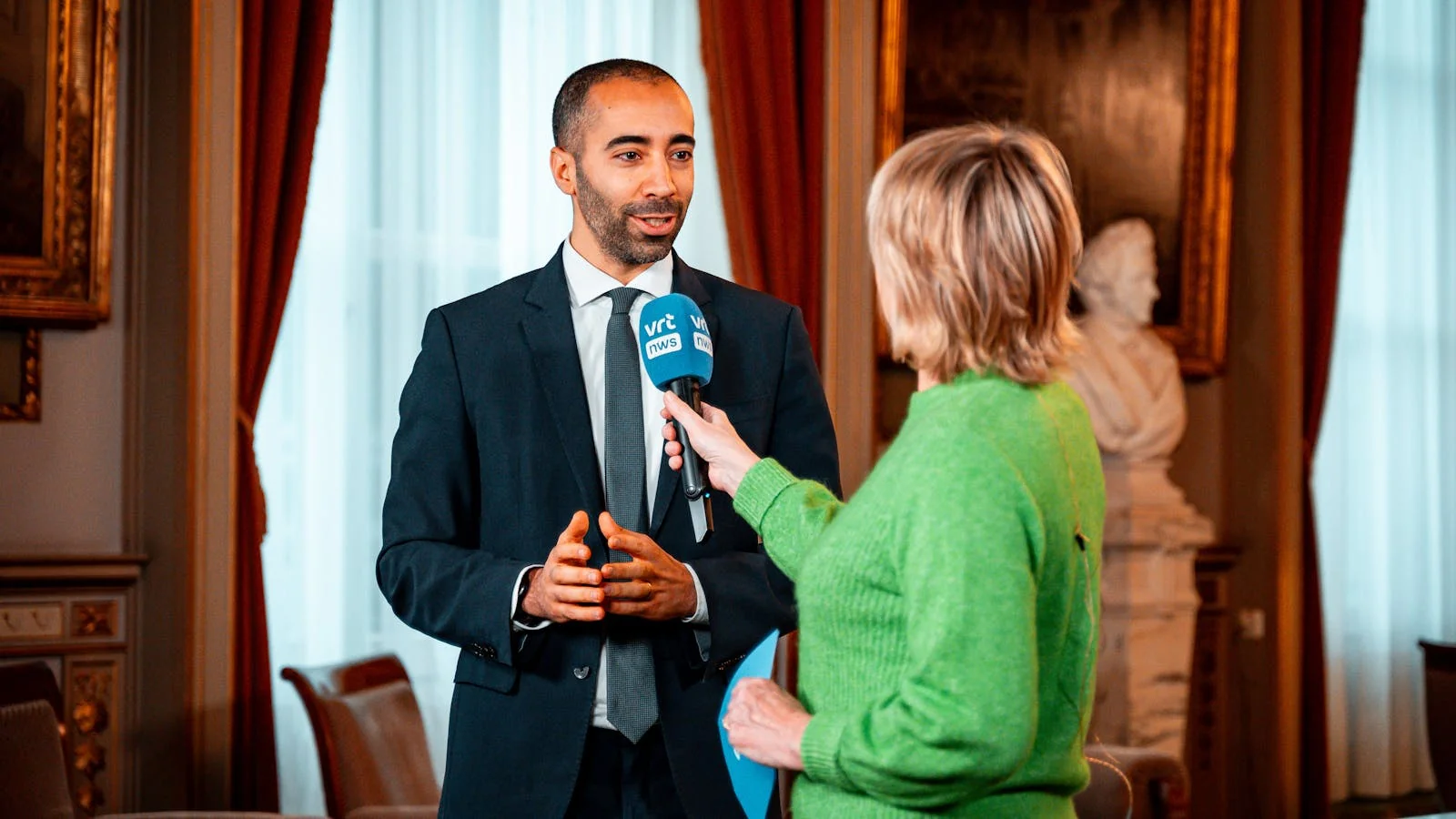
It is 11:43 AM on a Tuesday. A federal court releases a ruling at 11:30 that nobody saw coming, and MSNBC’s afternoon block needs an expert who can talk about it on live television by 1:15. The senior booker has a list of 14 people open on her phone. She is texting the top three. If she does not get one of them in 25 minutes, she is going to text someone she has never met based on a clip somebody sent her last week. That is the moment you either exist or you do not.
This is what almost every aspiring MSNBC guest gets wrong. They think the path is a polished email pitch sent on launch day. The actual path is a relationship built across the previous six months that ends with your name on a list a booker scrolls when the news clock is moving. Cable news is not a publication you pitch. It is a hiring queue you prepare for.
Michael Steele, the former RNC chair now ubiquitous across MSNBC daytime, did not become a regular by pitching. He became a regular because he was willing to take a live segment on 90 minutes of notice in November 2016, did it well, then said yes the next four times he was called. Sixty appearances later he was a contributor on contract. The bookers remember the people who pick up the phone. The five plays below are how you get the phone to ring.
Play 1: own a single, narrow beat in public
The biggest mistake is positioning yourself as a generalist. MSNBC bookers do not need a generalist. They have 40 of them. They need a person who is the obvious phone call for one specific topic the booker has to cover three times a week.
“Election law in swing states.” “Hospital antitrust enforcement.” “Cybersecurity policy in the executive branch.” Those are beats. “Politics” is not a beat. “Healthcare” is not a beat. The narrower you go, the easier you become to remember. The booker who needs a hospital-antitrust expert at 11:43 AM has three names in her head. You want to be one of those three. You will never be one of the three names for “politics” because the field is 4,000 deep.
The way you own the beat in public is by publishing two pieces a month on it, every month, on a platform the booker reads. That platform is Bluesky for daytime production, X for primetime, LinkedIn for business shows, and Substack for the writerly producers. You do not need a million followers. You need to be the named voice on the topic among the 600 people who matter, because those 600 people include four MSNBC bookers, six rival-network producers, and the dozen reporters who write the stories that drive the segments.
Play 2: get the first booking from the bottom up
The path to MSNBC daytime runs through MSNBC’s lowest-prestige slots. Weekend mornings, holiday weeks, overnight breaking-news coverage. Producers at those slots are hungrier, less established, and more willing to take a chance on a guest with one viral thread and no agent. The hosts at those slots include people who get promoted to daytime within 18 months.
Email the booker for the weekend morning block with a specific segment idea, not a generic intro. “Saturday’s anniversary of the Dobbs ruling will drive coverage. I have unpublished data from a survey of 800 OBGYNs about how their practice has changed in the three years since. Available live Saturday 8 to 11 AM Eastern.” That is the format. A specific date, a specific peg, a specific data offer, a specific availability window. Bookers triage these in 30 seconds. The pitch that gives them the segment outline is the pitch that gets a yes.
Play 3: get great on camera before the camera is on
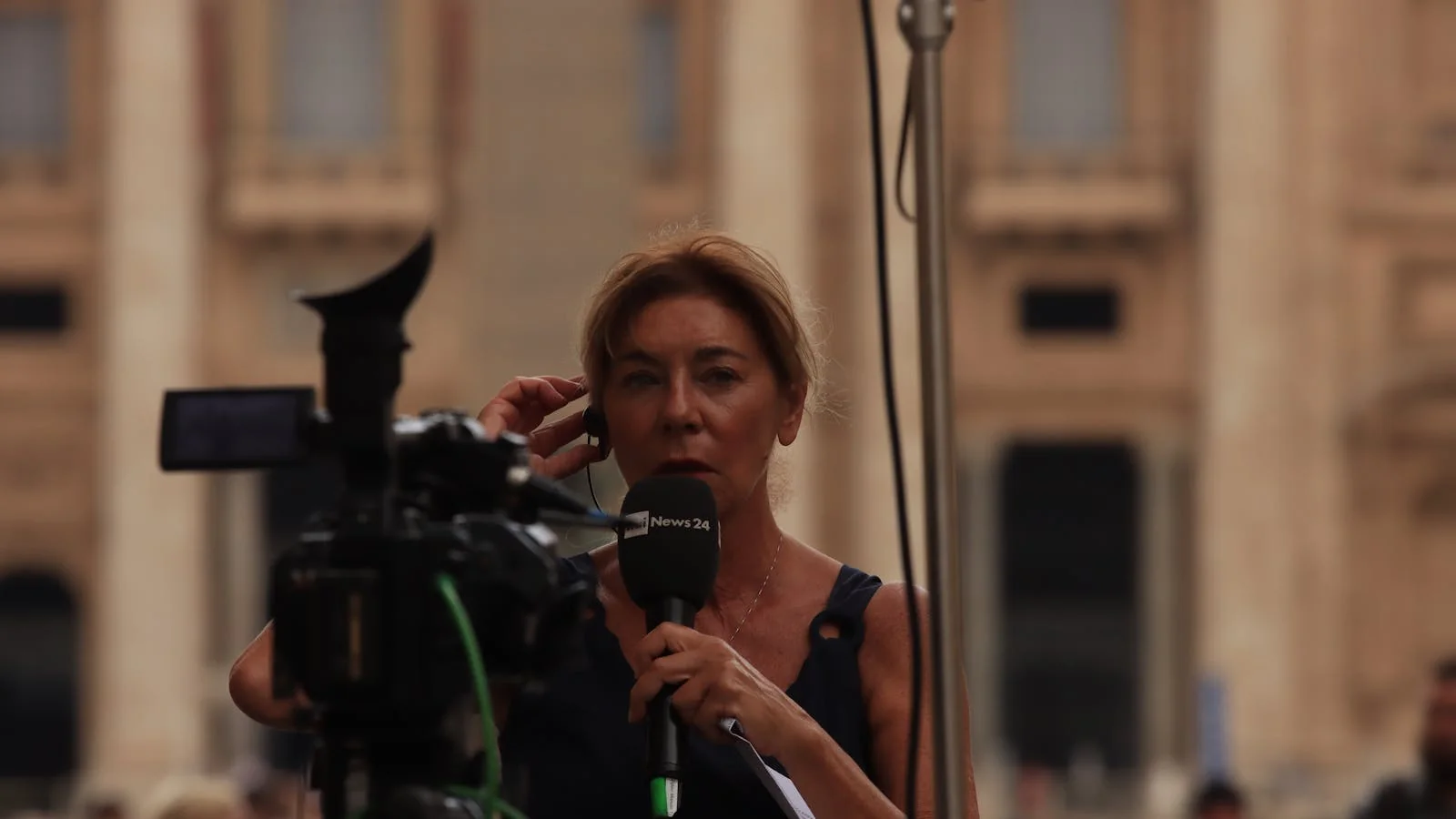
The reason bookers do not call new guests twice is that the first appearance was bad. Bad means the guest spoke in paragraphs, refused to answer the host’s question, talked over the anchor on the cross-talk, looked at the wrong camera, or hedged every claim into mush. None of these problems are about expertise. All of them are about format.
Hire a former producer for $400 and do a 90-minute mock segment. Have them throw you the three hardest questions a hostile host would ask. Record it. Watch it back. Notice the moment your eyes drift to the laptop screen instead of the camera. Notice the eighth time you said “you know” or “kind of.” Notice that your answer ran 47 seconds when the host only had 22. Fix all of it. The next mock will be a 60-second answer with a clear thesis, a single piece of evidence, and a pivot back to the host. That is the format. Anyone can learn it in a week.
Play 4: become the source the booker steals from the show two doors down
Cable news bookers watch each other’s shows. If you appear on CBSN Sunday morning and give a clean answer about Medicaid reimbursement, the MSNBC daytime senior producer who saw the segment is going to text you on Monday. The fastest path into MSNBC is not pitching MSNBC. It is appearing somewhere else first, doing it well, and waiting for the inbound.
The “somewhere else” is podcasts on the same beat, regional television in markets above 50, network radio segments, and Spectrum News local cable. The threshold is lower at each of those. The clip is the asset. A 4-minute clip of you handling a tough question on a regional network, edited cleanly with the chyron visible, attached to your next pitch with the line “here is what I look like on camera,” answers the booker’s biggest unspoken question. The booker is not worried whether you are smart. The booker is worried whether you will freeze on live television. The clip solves that.
Play 5: make yourself easy to find at 11:43 AM Tuesday
The booker who needs you in 60 minutes will not scroll your website looking for a phone number. She will text the three people whose direct numbers she has saved, then she will move on. The plays that get you saved into a booker’s phone are the unsexy ones nobody writes about.
Send a Christmas card. Send a holiday email in early January with three story angles for the year ahead. Email the booker after a colleague’s good segment with a specific compliment that proves you watched the show. Reply to her tweets occasionally with substance, not flattery. Six months of low-grade contact, none of it pitching yourself, lands you in her contacts. The day she needs an expert she will text you before she emails. Email gets buried at 11:43 AM. A text gets answered in 90 seconds.
Have a quiet room available with good lighting and a hardwired connection. Have the contact form of your media-ready bio sitting at the top of your website, with a phone number, an email, and a one-line statement of what you cover. Keep your inbox responsive on a 30-minute clock during news cycles. Reply to every booker email in the time zone of the network, not yours. None of this is hard. All of it is the difference between getting the call and being the third name on a list of three the booker scrolls past.
What you should not do
Do not pitch yourself as available to talk about anything. Do not buy a service that submits your name to 200 bookers a week. Do not send a one-pager that lists 14 areas of expertise. Do not call the assignment desk. Do not slide into the host’s DMs. Every one of these moves marks you as someone who has not done the work and will not be ready when the segment needs to happen.
The MSNBC system is permeable but unforgiving. It rewards the expert who built a single sharp beat, did the unglamorous regional television first, sent the holiday card, and was available with hardwired internet at 1:00 PM on a Tuesday. The first booking is the hardest. The fifth booking happens on its own.