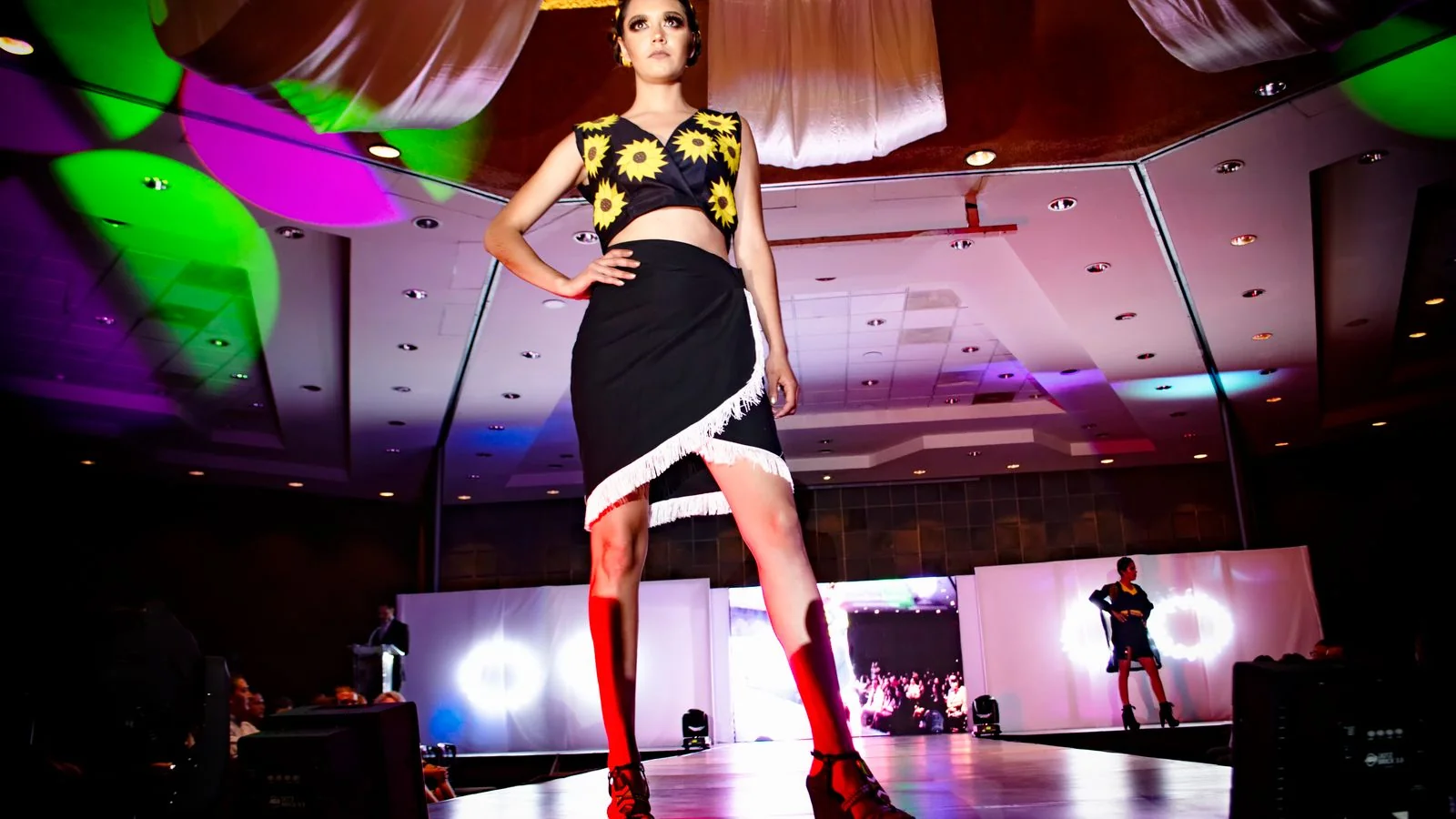
In 1988 the designer Pauline Trigère bought a full-page advertisement to protest her treatment by Women’s Wear Daily. Under its publisher John B. Fairchild, the paper had a habit of feuding with designers and sometimes keeping their names out of its pages for years. Trigère’s ad is believed to be the first widely seen counterattack on that policy. The story still circulates in fashion because it shows how much a mention in WWD mattered: being left out was serious enough to pay for a page in protest.
WWD is gentler now, and it is owned by Penske Media Corporation rather than the Fairchild family. But the core fact has not changed. For designers, brands, retailers and suppliers, a WWD story still signals to buyers, investors and the press that you are a real player in the trade. This guide covers how to get featured in WWD in 2026, step by step: what it covers, who you are pitching, which angles work, and when to send.
What WWD is in 2026
Edmund Fairchild founded Women’s Wear Daily on July 13, 1910, as an offshoot of his menswear trade journal, the Daily News Record. For most of the century it was the daily newspaper of the American garment business, read by manufacturers, retailers and designers who needed to know what was selling, who was hiring and which stores were buying.
John B. Fairchild, publisher from 1960 to 1996, turned it into something more: a paper that covered fashion’s social world and helped build the celebrity of designers. Walt Disney sold Fairchild Publications to Advance Publications, the parent of Condé Nast, in 1999. Condé Nast sold WWD to Penske Media in August 2014 for a price reported near $100 million, and it now sits at the center of PMC’s Fairchild Media group.
The print schedule has shrunk. WWD moved to weekly print in April 2015 and later cut print further to fashion weeks and select events, while the daily digital edition and the website became the main product. Michael Atmore became editor-in-chief in 2025, following Eugenia Richman (2024 to 2025) and Miles Socha (2017 to 2023).
What that history tells you as a pitcher: WWD is a trade publication first. Its reader is a buyer, a merchant, a brand executive, a beauty founder, a supplier, an investor. Glossy consumer magazines tell shoppers what to want. WWD tells the industry what is happening to its business.
Who are you pitching?
WWD covers far more than womenswear despite its name. Its coverage spans fashion, retail, business, beauty, menswear, accessories, footwear, sustainability and the social calendar of the industry. It also runs franchise products and events, with Beauty Inc as the best-known beauty business brand under the WWD name.
That breadth is why I map pitches with what I call the Three Desks Map. Before you write anything, decide which of three broad desks your story belongs to, then find the reporters who write for it.
The fashion desk covers collections, designers, creative directors, runway shows and the creative side of brands. It wants news about people and product with industry significance: a new creative director, a designer launching a label after leaving a major house, a collaboration with a known retailer.
The business and retail desk covers deals, earnings, store openings and closings, executive appointments, retail strategy, supply chain and technology. This is where most founders and executives belong, and where most pitches should go.
The beauty desk covers beauty brands, retailers, deals, product launches with market significance, and the executives behind them. Beauty has its own rhythm and its own reporters, and a beauty pitch sent to a fashion reporter is a wasted email.
Once you know your desk, read the last thirty days of stories in that section, note the bylines that recur, and write down the kinds of stories each person files. WWD does not need to tell you who covers what. Its archive does.
Six angles WWD editors open
The executive move. WWD reports appointments across the industry, from chief executives to heads of design and merchandising. If you are hiring a senior person from a known company, or a known executive is joining you, that is often your simplest way in. Send the news before the LinkedIn post, with the person’s background and why the hire matters to your strategy.
The retail expansion or contraction. New stores, new wholesale partners, exits from wholesale, store closures, international entries. WWD readers are buyers and retail executives, and every distribution decision is news to them. Include numbers: how many doors, which cities, what square footage, which partners.
The deal. Funding rounds, acquisitions, licensing agreements and joint ventures. A brand raising money is more interesting to WWD when you explain what the money is for and what the business looks like (revenue range, growth rate, channels). Investors and the size of the round should be in the first paragraph of your pitch.
The business result with a mechanism. “Our sales grew 60%” is a claim. “Our sales grew 60% after we cut our wholesale accounts from 120 to 40 and moved inventory to our own site” is a story. WWD’s business desk wants the operating choice behind the number.
The supply chain or sustainability shift. Moving production, changing materials, adopting traceability tools, responding to new regulations. These stories matter to every manufacturer and retailer, and they need sources who can explain the costs and tradeoffs with specifics.
The trend with data. If you have data from your stores, your platform or your customer base showing a real shift in what is selling, WWD reporters can build a market story around it. Aggregate it, explain the sample, and offer it to one reporter first.
What does not work: pitching a product launch as news when the product does not change anything for the trade. A new colorway, a capsule with no notable partner, a campaign shoot. These belong in consumer outlets or on your own channels.
When should you send it?
Fashion runs on a calendar, and WWD runs on that same calendar. The four main womenswear fashion weeks (New York, London, Milan, Paris) happen twice a year, in about February to March and September to October, with menswear and resort seasons layered around them. During those weeks the fashion desk is covering shows from morning to night, and business pitches compete with a flood of runway news.
That makes the weeks between seasons your best window for business, retail and beauty stories. Retail earnings seasons shift the business desk toward results, so pitch a deal or expansion story just before or just after the large listed retailers report, not during the busiest days. Trade shows and market weeks (when buyers visit showrooms) are good moments for wholesale news, because buyers are reading WWD to plan their visits.
For exclusive news, give the reporter at least a few days of lead time and a clear embargo. A pitch that arrives two hours before you announce on social media leaves no time to report the story properly, and the reporter may simply pass.
How to write the pitch
Keep it under 150 words. The subject line is the news: “Exclusive: [Brand] opens first three stores, in Chicago, Dallas and Miami” or “[Executive], former head of design at [House], joins [Brand] as creative director.” A reporter should know from the subject line alone whether the story belongs in their section.
The first paragraph states the news with names and numbers. The second explains why it matters for the trade, in two sentences. The third lists what you can provide: an interview with the founder or executive, images, financial context you are willing to share, and the timing of the announcement. Include a phone number. Do not attach files. Link to a short page with images and background.
If you have a real relationship with a WWD reporter, use it with care. Send them only stories they would want, give them the exclusive when you can, and never send a story to them and a competitor at the same time while calling it exclusive. Fashion media is small. People talk.
Mistakes that cost you the story
The most expensive mistake is the lookbook pitch: a beautiful PDF of the new season, a line about the inspiration, and no news. WWD reporters receive these by the hundred. Without a business fact attached (a new retailer, a revenue milestone, a hire, a deal), the email reads as a request for free advertising.
The second mistake is hiding the numbers. Founders worry that sharing revenue ranges, door counts or growth rates will hurt them competitively. Sometimes that worry is fair. But a WWD story without any numbers is hard to write, and reporters will choose the brand that gives them something concrete. If you cannot share revenue, share door counts, growth percentages, units sold or headcount. Give the reporter something to anchor the piece.
The third mistake is pitching through the wrong desk. A beauty founder who sends a funding story to a runway reporter will wait a long time for a reply. Use the Three Desks Map every time, even when you think you know the answer.
The fourth is announcing on social media first. If your news is already on Instagram and LinkedIn, it is no longer news to a trade reporter, and you have given away the one thing that made the pitch valuable. Hold the announcement until the story runs, then share the WWD link.
Founders who learn how to get featured in WWD the hard way often made at least two of these mistakes on the first try. The fix is cheap: one business fact, one number, one desk, one reporter, and silence on social until the story is live.
What happens after the story runs
A WWD article tends to get picked up. Other trade outlets, consumer fashion sites and local business press often follow WWD, and buyers forward stories to colleagues. Expect a short wave of inbound interest from press, partners and sometimes recruiters. Have someone ready to answer.
Then use the story. Add it to your press page and wholesale line sheets, share it with buyers you are courting, and send it to investors in your next update. A WWD headline is proof that the trade takes you seriously, and it shortens conversations with people who would otherwise need convincing.
Your move this week: decide which of the three desks your next piece of news belongs to, read the last thirty days of that desk’s stories, and write the 150-word pitch to the one reporter whose recent bylines fit it best, timed for the gap before the next fashion week.