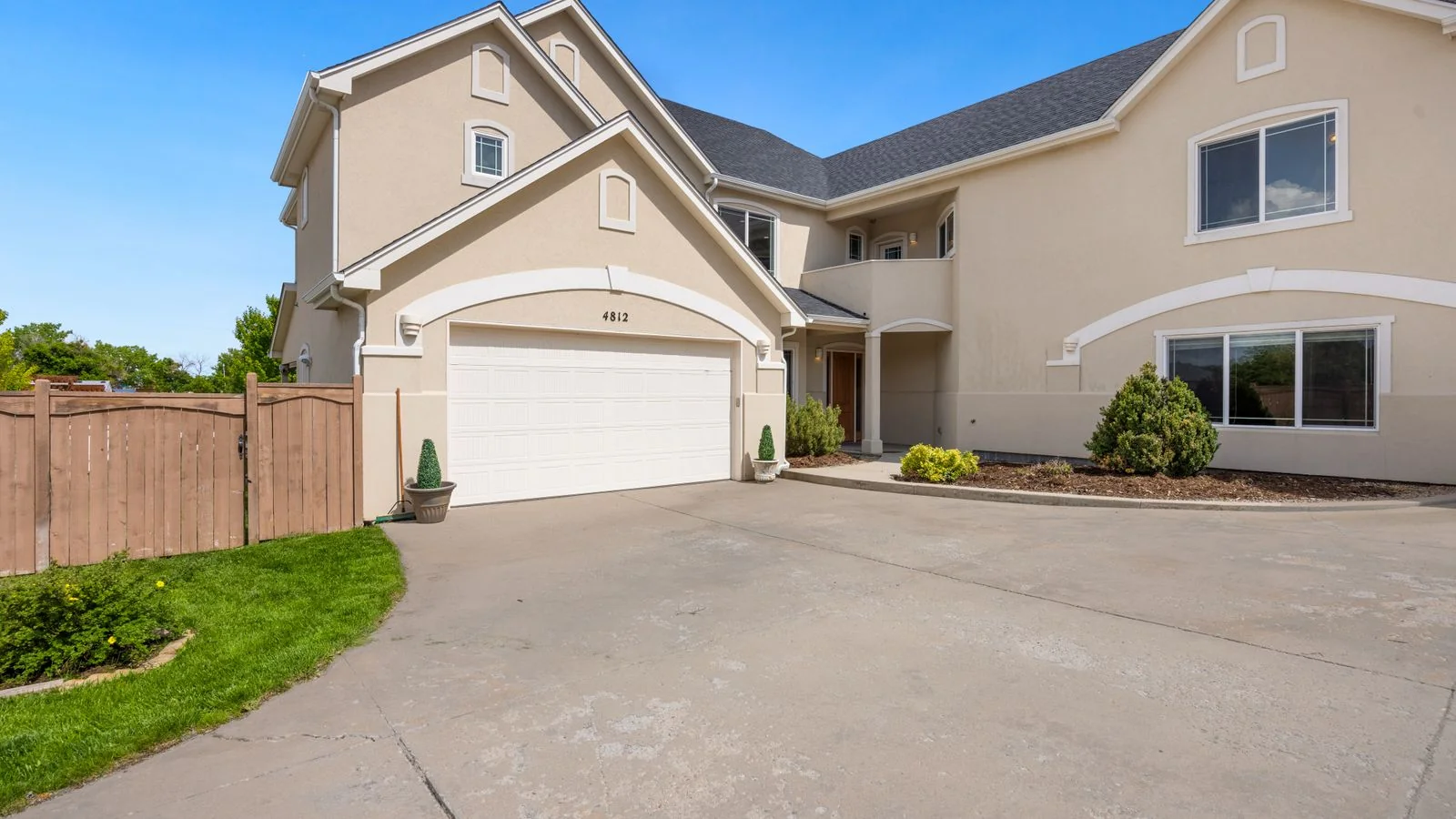
The most overlooked object on the front of a house is also one of the most dangerous, and that contradiction is your entire press opportunity. A garage door is the largest moving object most families own. It weighs a few hundred pounds, runs on springs under enormous tension, and opens and closes thousands of times a year, often with kids and pets nearby. People treat it as boring hardware right up until it fails, and that gap between “boring” and “dangerous” is exactly the kind of tension reporters build stories around.
Almost no garage door company uses that. They send releases announcing new models and promotions, which read like advertising and get deleted. Meanwhile the safety angle, the storm angle, and the security angle sit unused, even though they are genuine public-interest stories that editors want. Writing a strong press release for garage door companies is not hard. It just requires leading with the part a reader cares about, and getting out of your own way. Here is how, with a template you can copy.
Stop announcing products and start reporting news
The fastest way to lose a reporter is a headline that names your company and a product in the same breath. “Company Introduces New Insulated Garage Doors” is not news. It is a billboard. A features or local-news editor reads that and moves on before the first paragraph.
Flip it. Lead with the stake. “Garage door spring failures send thousands to the emergency room each year, and most are preventable” is a public-safety story you happen to be the expert on. “After the windstorm, damaged garage doors left dozens of homes exposed” is a resilience story tied to a real event. The product still appears, later, as the solution. But the headline and first paragraph belong to the reader’s concern, not your catalog. Every effective press release for garage door companies makes that trade, giving up the sales headline to earn the coverage.
The reason this works is simple: a reporter’s job is to serve their readers, not to promote your business, so a pitch that already serves those readers does half their work for them. When you lead with a genuine safety warning, a timely resilience tip, or a real community moment, you hand the reporter something they can publish without feeling used, and you position yourself as the credible expert behind it rather than the advertiser interrupting it. That expert framing is worth more than any product mention, because readers trust a source who helped them far more than a company that sold to them. Get comfortable putting the reader first and the coverage, and the calls that follow it, tend to take care of themselves.

The Trigger-Event Method for finding your angle
News needs a reason to run now, and this is where most evergreen business releases fail. They have no trigger. The fix is a method I call the Trigger-Event approach: never send a release without tying it to something happening in the world this month. The trigger is what turns a standing fact about your business into timely news.
For garage door companies the triggers are plentiful once you look. Storm and hurricane season makes door resilience urgent. A manufacturer recall makes safety a live topic you can comment on. Winter makes cold-weather spring failures and opener problems seasonal. A rise in neighborhood break-ins makes garage security a public concern. Back-to-school and holidays, when homes sit empty, make security timely again. Child-safety awareness periods make the auto-reverse sensor story land. Pick the trigger first, then write the release around it, and you will never again send news that a reporter reads and thinks “why now?” The Trigger-Event Method also gives you a natural calendar, since the triggers repeat every year and hand you a fresh reason to reach out each season.
Six angles that get a garage door release picked up
The first angle is spring and mechanical safety. Torsion springs under tension are a real hazard, and a release explaining the danger, with a technician offering prevention tips, is a service story reporters value.
The second is storm and weather resilience. Reinforced and impact-rated doors matter when wind arrives, and a release timed to a forecast or the season is instantly relevant.
The third is home security. The garage is a common entry point for break-ins, and practical guidance on securing it speaks to a fear readers already have.
The fourth is child and pet safety. Auto-reverse sensors, proper maintenance, and what to check gives parents a concrete reason to read and share.
The fifth is curb appeal and home value. A new door is one of the highest-return exterior upgrades, and a data-backed angle on resale value fits real estate and home coverage.
The sixth is community involvement. A donated repair for a veteran, a fire-station door replaced at cost, an install for a family after a disaster. These give a reporter a person to photograph and a reason to care beyond commerce.
Match the angle to the outlet, because the same story can land in very different places depending on how you frame it. The spring-safety angle fits a consumer or health reporter. The storm-resilience angle belongs with whoever covers weather and home preparation. The curb-appeal and home-value angle suits real estate and lifestyle sections. The community piece is a features or local-news story. One job can often support two or three of these framings, which means one strong install can become two or three separate pitches to two or three different reporters, each written for that reporter’s beat. Thinking this way multiplies the coverage you get from a single newsworthy event, and it teaches you to see every notable job as raw material for several stories rather than one. That habit, more than any single release, is what keeps a garage door company visible month after month.

The errors that sink a garage door release
Most releases fail for the same reasons, so learn them once and skip them forever. The first is the product headline. Leading with your company name and a new door model reads as an advertisement, and editors delete advertisements. Lead with the stake or the trigger instead. The second is the missing trigger, a release that gives no reason it matters this month, which reads as filler no matter how well written. The third is the empty quote. “We are proud to serve homeowners” is dead weight, while “we pull three failed springs a week every January, and almost all of it traces back to skipped maintenance” is a quote a reporter will actually run.
The fourth error is length and padding. A release past 500 words usually hides its news under marketing, and busy editors will not dig for it. The fifth is skipping the photo, which for garage door work is close to fatal, since the visual of a damaged, repaired, or striking door is often what earns the story its space. The sixth is spraying a generic release to hundreds of unrelated outlets. A dozen local reporters who cover home, safety, and small business will do more for you than a thousand irrelevant addresses. Sidestep these six and your release already outclasses nearly everything else in the inbox.
Turn one release into a reporter relationship
The real return on press is not a single article. It is the relationship that a good release starts. When a reporter runs your safety story and it performs well, you become a known, reliable source, which makes every future pitch easier and occasionally turns you into the person they call first when a garage door or home-safety angle comes up. That standing is worth far more than any one placement.
Cultivate it deliberately. After a story runs, send a short thank-you with no ask attached. Offer yourself as a quick expert source whenever they need a comment on home safety or storm preparation, and then actually deliver on deadline when they take you up on it. Keep a simple list of the local reporters who cover your beats, note what each one has run, and pitch them angles that genuinely fit their coverage rather than blasting everyone the same thing. Over a year, a handful of these relationships becomes a quiet distribution network that a competitor cannot buy, and it starts with one well-timed press release for garage door companies that you followed up on like it mattered.
The template, and how to send it
Build the release in five parts and keep it near 450 words. The headline states the news or the stake in plain language and, where possible, leaves your company name out. The first paragraph tells the whole story on its own, so an editor who reads nothing else still has who, what, where, and why it matters. Two or three short paragraphs add context, the trigger, and any real numbers. Then a genuine quote, not “we are excited,” but something a person would actually say: “We see the same spring failure every January, and nearly all of it comes down to skipped maintenance.” Close with a one-paragraph boilerplate about your company and service area, your contact details, and a note that photos are available.
Send it down two tracks. Put it on a wire service such as EIN Presswire to get indexed and build a durable, searchable footprint that can earn syndicated pickups and later feed the sources AI answer engines read. Separately, pitch the human version straight to local reporters who cover home, safety, or small business, since that direct route is where the coverage that books jobs comes from. Attach a strong photo every time, because garage door work is visual and the image often decides whether a story runs at all. Do this once a month, anchored to a real trigger, and a press release for garage door companies stops being a shot in the dark and becomes a steady engine that builds your name, your search footprint, and your phone’s ring rate at the same time.