You cannot apply for one. That is the first thing to understand, and it saves months of wasted effort.
A Google knowledge panel for musicians is generated, not granted. Google’s systems decide that a real-world entity exists, that they understand enough about it, and that they are confident enough in that understanding to display a summary box. There is no submission form, no request process, and no amount of paying for one that works. The claim process exists only after a panel appears, and it lets you suggest corrections rather than create the panel itself.
What you can do is build the conditions. Every Google knowledge panel for musicians rests on the same foundation. Google generates a panel when enough independent, consistent, machine-readable sources describe the same artist in compatible ways. That is a construction project, and the steps below are the order that actually works.
Understand what Google is looking for
The underlying mechanism is entity resolution. Google is trying to decide whether “you” are a distinct thing in the world, separate from every similarly named artist, with attributes it can state as fact.
Three conditions have to be met. Google has to recognize that the entity exists. It has to accumulate enough attributes to say something useful (genre, origin, active years, releases, associated acts). And it has to resolve conflicts between sources well enough to be confident. Any one of those failing means no panel, and the third is where most established artists get stuck.
For anyone chasing a Google knowledge panel for musicians, there is good news. The music industry has unusually rich structured data infrastructure. MusicBrainz, Discogs, streaming platform catalogs, rights databases and label metadata all exist, are machine-readable, and are already part of how Google understands music. A musician starting from zero has a clearer path than most other professions, because the databases are waiting.
The bad news is that the same richness creates contradiction. An artist with releases across four distributors, two label eras and a name change has usually accumulated conflicting records, and that conflict is the thing suppressing the panel.
Step one, fix your name problem before anything else
Nothing matters until the name is unambiguous.
If you perform as a common word, share a name with another artist, or release under variations (with and without “The”, a stylized spelling, a solo name alongside a band name), Google is being asked to resolve an identity question with contradictory evidence. That almost always resolves as no panel rather than a wrong panel.
Pick one canonical form and audit every surface. Streaming profiles, social handles, label pages, press releases, booking listings, festival bills, YouTube channel, bandcamp. The exact string should match. This is tedious and it is the highest-yield hour of work in the whole process, because every later step inherits it.
Where a name collision with another artist is unavoidable, add a persistent disambiguator that appears consistently in your own copy. Not in the name itself, but in the surrounding description, so the genre, origin and era attached to your name differ reliably from the other artist’s.
Step two, claim the music databases
This is the step most artists skip and it is the one Google leans on hardest for musicians.
MusicBrainz is the priority. It is open, it is used downstream by a large number of services, and an accurate entry with your releases, aliases, relationships and identifiers gives Google a clean structured spine. Create or correct your artist entry, link every release, and add the relationships to labels, producers and other acts. Discogs matters for anything with a physical or historical release footprint.
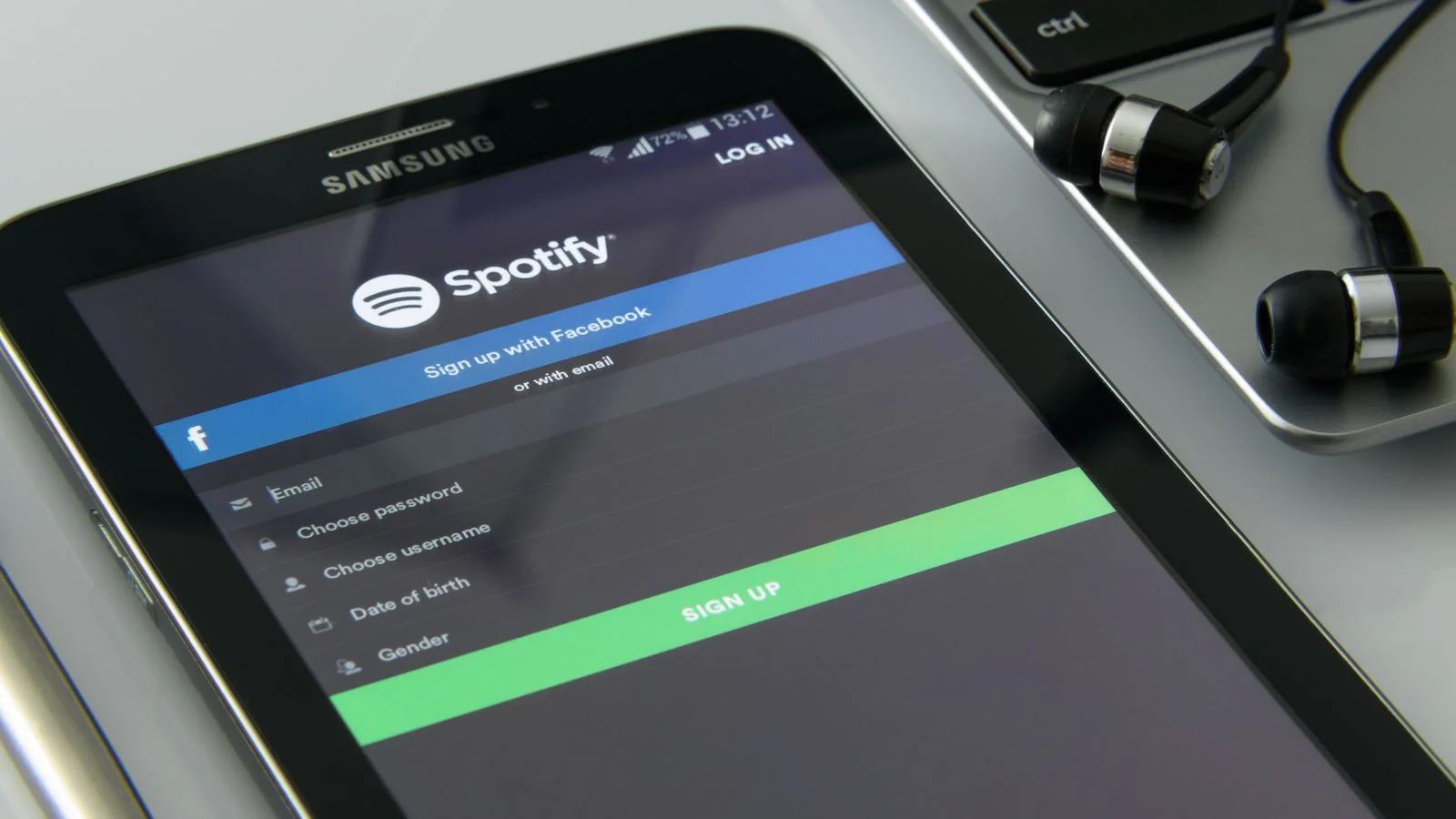
Alongside those, make sure your streaming platform artist profiles are claimed and complete. Spotify for Artists and the equivalent on Apple Music and YouTube Music are not optional. A claimed profile with a biography, correct images and accurate release attribution is both a source and a correction mechanism. Unclaimed profiles frequently carry misattributed releases, which is a direct contradiction in Google’s evidence pool.
Check your identifiers while you are there. ISNI, IPI and ISRC codes attached correctly to your work make you resolvable in ways that free text never will.
Step three, publish one authoritative source you control
You need a canonical home that states the facts plainly, because Google needs a reference to check other sources against.
An official site with a real biography page does this. Not a link tree, not a single-page splash with a streaming embed. A page containing your origin, when you started, your genre, your releases with dates, your label history and your notable performances, written as prose a machine can parse rather than as a press bio full of adjectives.
Add structured data. A MusicGroup or Person schema markup block with sameAs links pointing to your claimed profiles on every platform and database is the single clearest statement you can make that all these scattered records refer to one entity. This is the technical step artists most often omit and it costs an hour.
Keep it current. A biography page that stopped in 2023 is a source Google will downweight against newer, external information.
Step four, earn third-party coverage that corroborates
Self-published facts are necessary and not sufficient. Google needs independent sources saying compatible things.
For musicians, the useful coverage is more varied than press. Reviews in music publications, local and regional press, radio station features and interviews, festival and venue listings with your name on the bill, playlist editorial, podcast appearances with published show notes, and industry trade coverage all count. Each one is a text that corroborates an attribute.
What matters is specificity and consistency, not prestige. A regional paper that correctly states your name, origin and genre contributes more to entity resolution than a national outlet that misspells your name. When you give an interview, make sure the basics come out right, and ask for a correction when they do not.
Volume helps but convergence helps more. Twelve sources agreeing on your origin city is stronger than forty sources, nine of which disagree.
Step five, address Wikipedia honestly
Wikipedia is useful when it legitimately exists and actively harmful when forced.
A Wikipedia article makes panels substantially more likely because it is structured, independent, and already integrated into Google’s entity understanding. But notability guidelines for musicians are specific and enforced. Charting, significant coverage in reliable independent sources, major label releases, notable tours and similar criteria. Articles created by artists or their representatives without meeting those bars get deleted, and the deletion record is itself a negative signal that is difficult to undo.
So the correct sequence is to build the coverage first, then let the article happen or create it properly once the sources genuinely support it. Wikidata is a separate and more accessible matter. A Wikidata item does not require the same notability bar and does feed entity understanding, so it is worth creating accurately.
If someone offers to write your Wikipedia article as a service, read the terms of use on paid editing before agreeing. The downside risk is real.
Step six, align everything and wait
Once the sources exist, the remaining work is reconciliation.
Go through every surface one more time and check that the stated facts match. Birth year or formation year, origin, genre labels, band membership, release dates, current label. Contradictions between your own site and your streaming biography are the easiest to find and fix, and they are the ones most likely to be blocking confidence.
Then wait, which is the part nobody wants to hear. Recalculation is not on a schedule you can see. Artists with substantial existing coverage sometimes see a panel appear within weeks of resolving a conflict. Artists building from nothing should expect many months. Some never trigger one, and that outcome is not a failure of execution.
While waiting, resist the temptation to churn. Changing your canonical name, your genre description or your biography repeatedly resets the consistency you were building.
What the scams look like, and why artists fall for them
The gap between how panels work and how artists assume they work is where the money gets taken, so it is worth naming the pitches precisely.
The most common offer is a flat fee for a guaranteed knowledge panel, usually quoted somewhere between a few hundred and a few thousand dollars, with a delivery window of two to six weeks. That guarantee cannot be honored. No vendor controls Google’s entity confidence, and the confident timeline is the tell. A legitimate consultant describes the work (database cleanup, schema markup, coverage development) and declines to promise the outcome.
The second pitch is a paid Wikipedia article bundled with the panel. This is the expensive version of the mistake, because a deleted article leaves a trail. Articles created against notability guidelines by undisclosed paid editors get removed, the artist’s name ends up in deletion discussions, and the next attempt faces editors who have already seen it.
The third is subtler and catches sophisticated artists. A vendor builds dozens of low-quality profile pages across directory sites to manufacture the appearance of a widely documented entity. This does not work, because the sources carry no independent weight, and it frequently introduces new contradictions in genre and origin data that make resolution harder than before the engagement started.
The pattern across all three is that they sell the output instead of the input. You can buy effort on your public record. You cannot buy Google’s conclusion about it, and the vendors who understand that difference are the ones worth hiring.
A realistic sequence for an artist starting now
If you are early, the order matters more than the effort, so here is how a year of this actually looks.
Spend the first month on the name audit and the database work, because both are one-time fixes with permanent benefit. Claim MusicBrainz, Discogs where relevant, and every streaming artist profile. Create the Wikidata item. Attach your identifiers.
Spend the second month on your own site. Write the biography page as a factual reference, add the schema markup with sameAs links to everything you claimed, and make sure the release discography is complete and dated.
Then spend the next six to nine months doing the thing that was always the real work, which is making music people write about. Pitch the regional press, play the festivals that publish lineups, do the podcasts, service the playlists. Check every piece of resulting coverage for factual accuracy on name, origin and genre, and request corrections where it is wrong. That correction habit matters more than any single placement.
Re-audit for contradictions once a quarter. Do not change your canonical name or your core description during this period. If a panel appears, claim and maintain it. If it does not, the work still produced the coverage, the clean metadata and the searchable record, which were worth having for their own reasons.
Step seven, claim and maintain it once it appears
When a panel does appear, the work changes rather than ending.
Claim it. Google provides a verification process for the entity the panel represents, and a verified claim lets you suggest changes, update the featured image and flag errors. Verification requires proving you represent the entity, usually through an official profile you control.
Then watch it. Panels change when their sources change, and they disappear for the same reason. An artist whose panel vanished after a label page went offline is a common story. Keep the sources alive, keep the databases accurate, and re-check after any significant change like a name change, a label move or a lineup shift.
The whole process rewards patience and punishes shortcuts, which is an unsatisfying thing to say and the accurate one. Build the record, keep it consistent, and let Google find it.