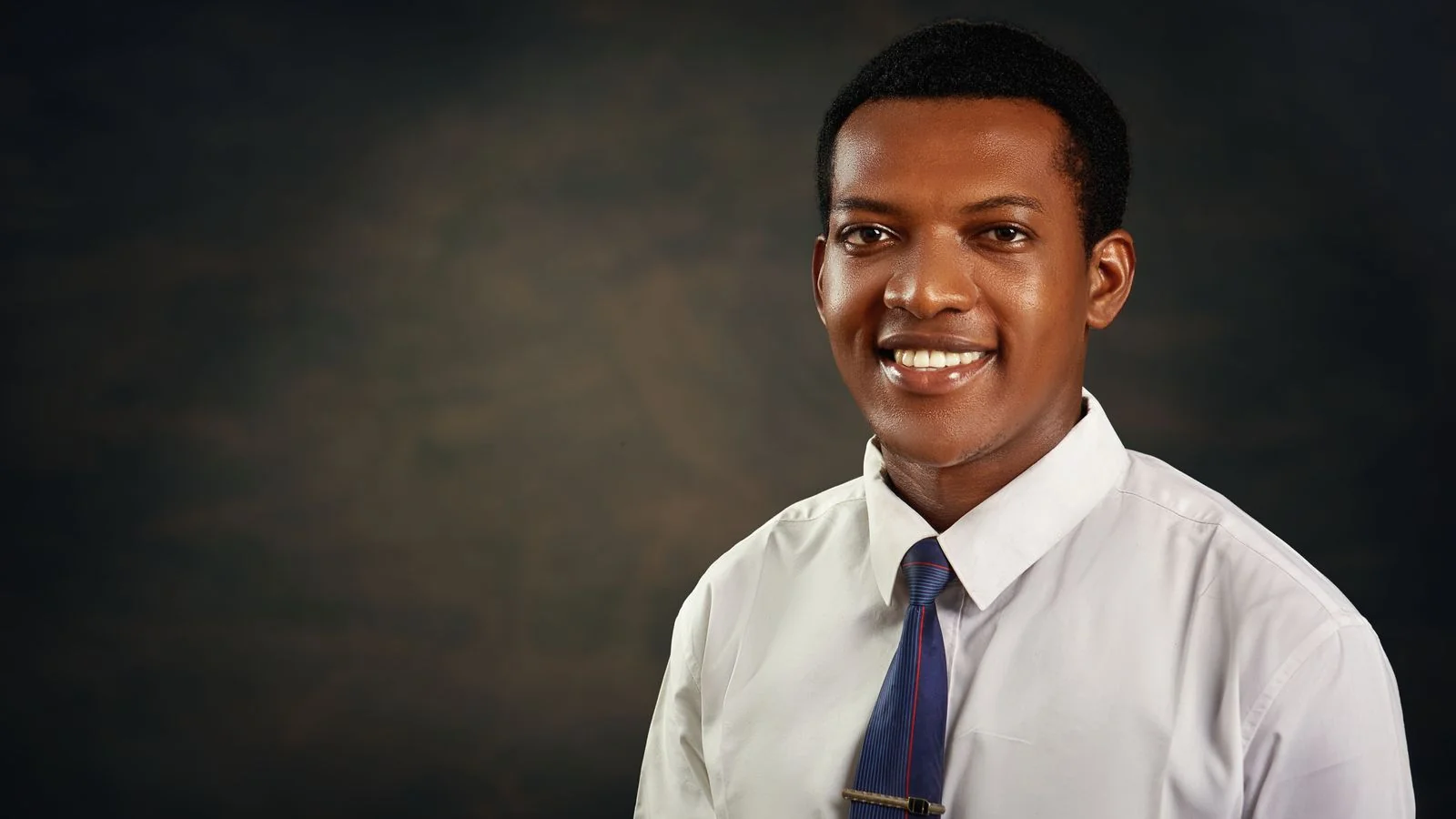
Your headshot is doing more work than your resume, and most people let it sabotage them. A potential client decides whether you look trustworthy in about a tenth of a second, well before they read a single word about what you do. The cruel part is that the photo you think looks confident often reads as stiff, defensive, or worse, fake. Good personal brand photoshoot tips are not about looking attractive. They are about looking like someone a stranger would hand money to.
The shift from a snapshot to a personal brand image is mostly psychology, not gear. A phone from the last three years takes a technically fine photo. What separates a portrait that builds a business from one that quietly loses it is what you do with your face, your body, and the space around you. Here is how to run a shoot that produces images people believe.
Start with the job the photo has to do
Before you book anything, decide what the image is for. A keynote speaker needs a different photo than a child therapist, and a child therapist needs a different photo than a luxury real estate agent. The speaker wants energy and authority. The therapist wants warmth and safety. The agent wants aspiration and polish. One photo cannot do all three, which is why people who shoot “just a nice headshot” end up with something that fits nowhere.
At Instant Press we score client portraits before a shoot using what we call the Trust Triangle: competence, warmth, and approachability. A great brand photo hits at least two corners hard. Bankers and surgeons lean competence. Coaches and creators lean warmth. The mistake is sitting dead center and hitting none of them, which produces the bland corporate headshot that makes everyone look like a stock photo of a person.

Write down the two corners you want to hit, then judge every pose and setting against them. This single decision saves you from the most common failure, which is a folder of 300 photos where none of them feel like the same person, because you never decided who that person was supposed to be.
Nine poses that read as trustworthy
Poses are where most people freeze, so treat them as small adjustments rather than dramatic positions. First, turn your shoulders about thirty degrees off the camera while keeping your face toward the lens. A straight-on torso reads as a mugshot. The angle adds dimension and ease.
Second, create space between your arms and your body. Pinned elbows signal anxiety. A slight gap signals comfort. Third, drop your shoulders down and back on purpose, because nerves pull them toward your ears and the camera catches it. Fourth, lean a few degrees toward the lens from the waist. Leaning in reads as interest and confidence, while sitting back reads as judgment.
Fifth, give your hands a job. Hold a coffee, adjust a sleeve, rest one hand in a pocket with the thumb out. Idle hands look awkward and the brain notices. Sixth, find the real smile by thinking of something specific rather than saying cheese, because the muscles around the eyes only move for a genuine thought. Seventh, try a closed-mouth half smile for the competence-forward shot, since a full grin can undercut authority in some fields. Eighth, vary your chin height across the set, dropping it slightly for approachability and lifting it a touch for command. Ninth, take a “between” frame right after the photographer says they got it, because the unguarded half-second is often the most human shot of the day.
Settings that flatter without distracting
Light beats location every time. The single best move in any of these personal brand photoshoot tips is to shoot near a large window with soft, indirect daylight, with the light hitting your face at a gentle angle rather than straight on. Harsh midday sun carves shadows under the eyes and makes everyone look exhausted. Overcast days are a gift, because the whole sky becomes one giant softbox.
For background, choose something that supports your story and stays out of the way. A clean studio backdrop puts all attention on you and works for almost any field. An environmental setting, your actual office, a workshop, a kitchen for a chef, adds context and credibility but only if it is tidy and intentional. Clutter behind you steals trust because the eye reads a messy background as a messy operator.
Mind the depth. A background that is slightly out of focus separates you from the scene and looks professional, which is why portrait mode exists and why standing six feet in front of your backdrop beats pressing against it. Wardrobe matters here too. Solid colors in tones that contrast your background keep the focus on your face, while busy patterns vibrate on camera and date the photo instantly.
Edit for honesty, not perfection
The temptation after a shoot is to smooth every line and erase every flaw until the photo no longer looks like you. That backfires. An over-edited portrait triggers the same distrust as a too-good-to-be-true claim, because the viewer senses the gap between the image and a real person. Light retouching that removes a temporary blemish is fine. Reshaping your face, erasing every wrinkle, or smoothing skin into plastic reads as fake, and fake is the opposite of what a trust-building photo is for.
Aim for the best honest version of you on a good day, not a different person. Keep the features that make you recognizable, including the ones you are self-conscious about, because consistency between your photo and your face in a video call or a meeting is itself a trust signal. The goal of all these personal brand photoshoot tips is recognition and credibility, and both depend on the image being believably you.
What to do with the photos after the shoot
Prep the day so the camera catches the right you
A great brand photo is mostly won before the shutter ever clicks. The people who look natural on camera are almost never the ones winging it. They prepared, which freed them to relax. Start with sleep and water in the days before, because the camera reads tiredness in the eyes and skin in a way no editing fully hides. Skip the late night before a shoot the way you would before anything that matters, because it does matter.
Plan wardrobe in advance and bring options. Lay out two or three outfits that fit the two corners of trust you chose, in solid colors that contrast your background, pressed and lint-rolled. Patterns vibrate on camera, logos date a photo, and anything too trendy ages the image within a year. Neutral, well-fitted, and simple keeps the focus on your face, which is the only part of the frame doing persuasive work.
Warm up your expression before you are on the clock. Most people freeze the second a lens points at them because their face is not used to performing. Spend a few minutes in the mirror beforehand finding your real smile, the one that moves your eyes, and practicing the half-smile for the competence shots. It feels silly and it works, because the muscles learn the positions so they are available when the nerves hit.
Finally, decide the logistics that quietly wreck shoots: arrive early so you are not flustered, eat beforehand so you are not distracted, and give yourself a buffer so the session does not feel rushed. Tension shows up in the shoulders and the jaw, and rushing manufactures tension. The unglamorous prep is what lets the personal brand photoshoot tips above actually land, because technique only helps a subject who is calm enough to use it.
The five shots every brand actually needs
People book a photographer, get one good headshot, and discover three months later that they need a dozen different images they never captured. A single portrait cannot carry a website, a LinkedIn banner, a speaking bio, a podcast feature, and a press kit. Plan the shoot around the formats you will actually use, and you walk away with a library instead of a lonely headshot.
Start with the tight headshot, shoulders up, clean background, for profiles and bylines. This is the workhorse and the one most people stop at. Second, capture a medium shot from the waist up with a hand gesture or a prop, which gives you a more human, approachable image for an About page or a feature. Third, get a wide environmental frame that shows you in your actual workspace, because context shots read as real and journalists love them for articles.
Fourth, shoot a few horizontal compositions with empty space beside you, since banners, website headers, and social covers all crop wide and need room for text. A gorgeous vertical portrait is useless as a LinkedIn banner, and finding that out after the shoot is a familiar regret. Fifth, capture a candid working shot, you mid-task, looking at something other than the lens, which becomes the image that makes you look busy, capable, and unposed.
Across all five, keep your wardrobe and grooming consistent so the set reads as one session. The point of the library is interchangeability. When a podcast asks for a photo, a magazine asks for a different one, and your site needs a third, you want to pull from a coherent set rather than scrambling for a usable file. A founder who shoots this way once a year never has to apologize for a blurry conference snapshot again, and that readiness is itself a quiet signal of professionalism.
One more practical note: shoot more frames than you think you need and budget time for variety over perfection. The difference between a folder you use for two years and one you abandon in a month is usually breadth, not artistry. Give yourself options, and the personal brand photoshoot tips above turn into an asset you draw on constantly rather than a one-time vanity project.
A great photo that lives in a folder helps no one. The portrait should appear consistently across every place a person checks you out: your website, your LinkedIn, your speaker bio, your author byline, your Google presence. Consistency is itself a trust signal, because matching images across platforms tell both humans and machines that these profiles belong to the same real person.
That last point matters more every year. AI engines and knowledge panels assemble a picture of who you are by matching signals across the web, and a consistent, high-quality image attached to a consistent name strengthens that entity. A founder we worked with used a single strong portrait everywhere for six months and watched her Google Knowledge Panel finally pull the right photo instead of a random conference snapshot. The shoot is the start. The discipline of using one strong image everywhere is what turns a nice photo into a brand people recognize and remember.