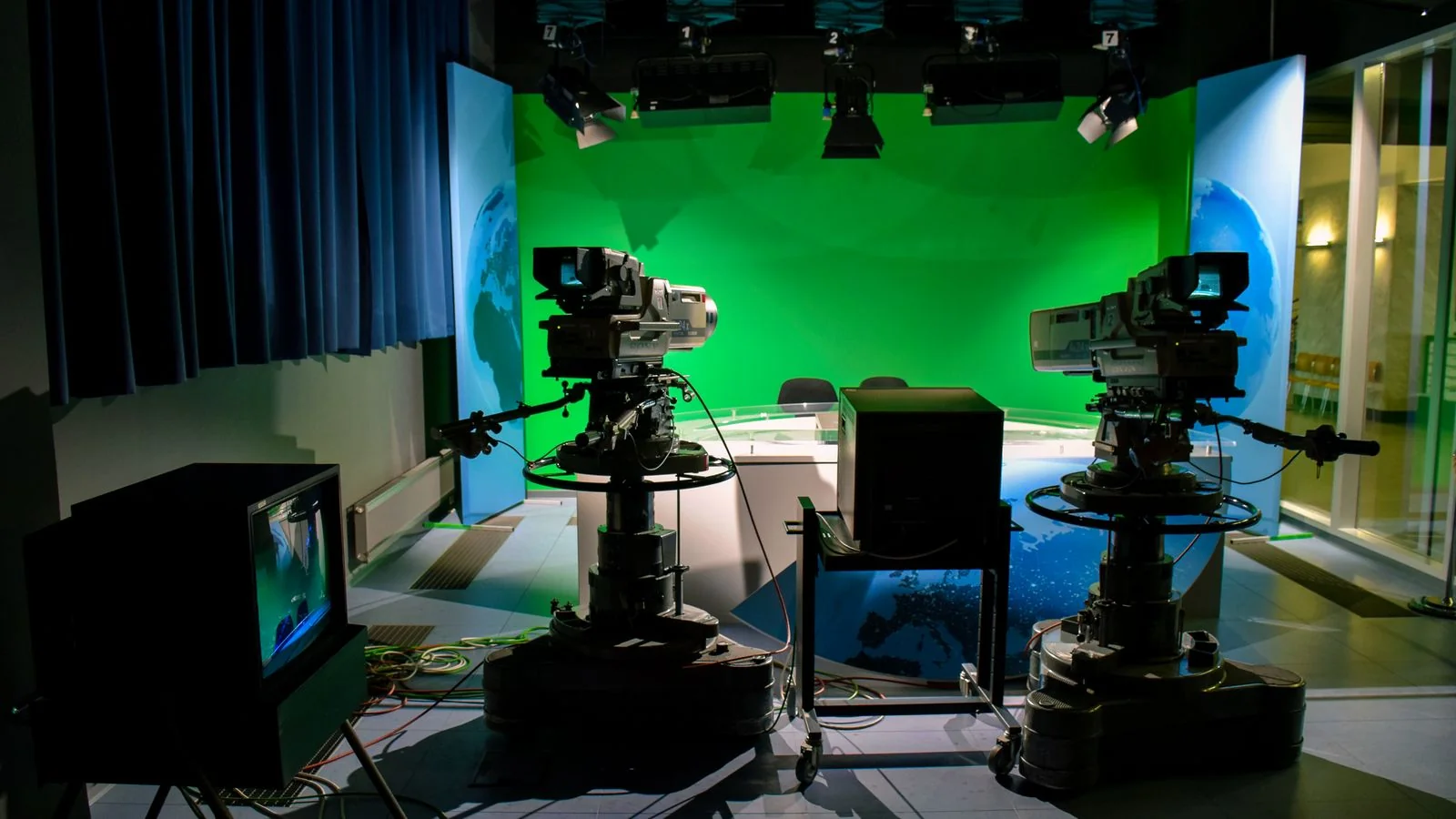
A local morning-show producer arrives before sunrise needing to fill several minutes of airtime that did not exist yesterday, and they need it to look good, feel local, and not fall apart on live television. That is the reality your pitch is competing inside, and it explains why so much PR advice fails when applied to local TV. Television is not print. It does not run because your news is important; it runs because your story will play well in a four-minute segment and is easy enough to produce that a stretched team can pull it off before air. If you want to get on local TV news, you have to think like the person filling that airtime, not like the person with something to promote.
The encouraging part is that local TV is one of the most attainable forms of media coverage, far more reachable than national press, because the demand for content is relentless and local. Stations need a steady stream of segments, and they need them from sources who make the producer’s job easier rather than harder. Understanding the few things producers actually care about turns a long-shot pitch into a bookable one.
How local TV decides what to book
Every segment passes through what amounts to a producer’s three-question filter, whether or not they would name it that way. First, will it show well on camera, meaning is there something to see beyond a person talking. Second, is it timely and local, meaning does it connect to something happening now and to this specific audience. Third, is it easy to produce, meaning can the team pull it together quickly without complications. A story that passes all three is bookable. A story that fails any one of them is a problem the producer will skip in favor of an easier option, because their day is full of easier options.
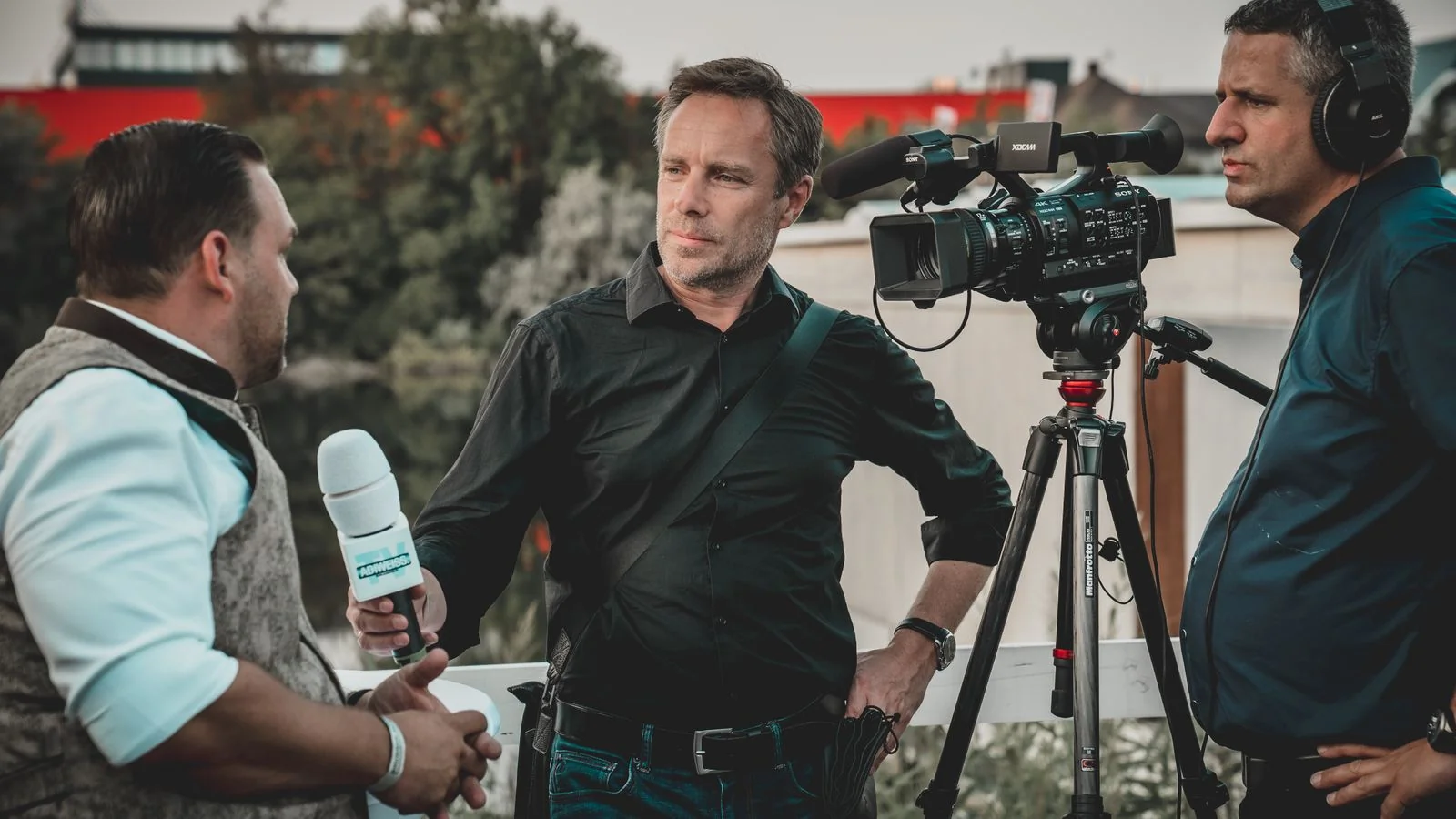
This filter is why so many pitches that would work for a newspaper die at a TV station. A complex policy story with no visual element fails the first question, a great evergreen story with no timely hook fails the second, and a story requiring an out-of-town shoot or elaborate setup fails the third. To get on local TV news, you have to pre-answer all three questions in the pitch itself, showing the producer the visual, the timely local angle, and how simple it will be to execute. The pitch that does the producer’s filtering for them is the pitch that gets booked, because it removes the work that would otherwise make them pass.
The 5 stories producers actually want
Local TV reliably books a handful of story types, and fitting one of them dramatically raises your odds. The first is the timely expert, the local person who can explain a story already in the news with authority and clarity. When something national breaks, producers scramble for a local voice to localize it, and being that voice is the fastest route onto the air. The second is the human-interest story, the emotional, visual story about a person or a moment that makes viewers feel something. The third is the local-impact angle, where a national trend gets grounded in what it means for this specific community.
The fourth is the seasonal or calendar hook, the story tied to a holiday, a season, a back-to-school moment, or any recurring date producers plan around and need fresh angles for. The fifth is the genuinely novel local thing, the new business, event, or development that is visual and locally relevant. Each of these passes the producer’s filter naturally, which is why they recur. When you try to get on local TV news, the move is to shape your story into the closest of these five rather than pitching your news in its raw form. A product launch is not a story; a local founder explaining a trend, or a visual human-interest angle on why the product exists, is one of the five.
Make it visual or it won’t air
Television is a visual medium, and a story with nothing to show is a story that will not air no matter how interesting it sounds, because the producer cannot put a static talking head on screen for four minutes and hold an audience. This is the single most underappreciated fact in pitching TV, and it is where print-minded pitchers consistently fail. Before anything else, the producer needs to know what the camera will see, and if your answer is “an interview,” you have not given them a segment.

The fix is to build the visual into the pitch. Offer a location worth shooting, a demonstration, a process the camera can capture, a before-and-after, people doing something, anything that gives the segment motion and interest. If your story is inherently abstract, your job is to invent the visual that represents it, because the producer will not do that work for you. To get on local TV news, lead the pitch with what the audience will see, then explain the substance. A pitch that opens with a compelling visual answers the producer’s first and hardest question immediately, and a pitch that ignores the visual gets passed over even when the underlying story is strong.
Pitch the segment, not the press release
A press release is built for print, and sending one to a TV producer signals that you do not understand the medium. Producers do not want a formal document; they want a fast, conversational pitch that paints the segment in their head: here is the story, here is what it looks like, here is the local hook, here is who talks and what they say, and here is how easy it is to do. The pitch should read like you are describing a segment that already exists, because that is what helps the producer say yes.
Format the pitch for how a producer works, which is quickly and visually. Short, punchy, with the segment vision up front and the production simplicity made obvious. Tell them the guest is articulate and available, the visual is ready, and the timing fits their show. Every detail that reduces the producer’s uncertainty about whether the segment will work raises your odds. To get on local TV news, translate your news into a segment description a producer can immediately picture airing, and skip the press-release formality entirely. The producer is not evaluating your announcement; they are evaluating whether they can build four good minutes of television around it, so pitch the four minutes.
Time it to the news cycle
Timing governs local TV even more than print, because the demand for segments is tied tightly to the calendar and the news cycle. A pitch that arrives when its hook is live gets attention; the same pitch sent at a dead moment gets nothing. Same-day news segments fill earlier in the day, morning and lifestyle shows plan further ahead, and seasonal content gets booked in the run-up to the date. Knowing the rhythm of the show you are targeting tells you when your pitch will actually be useful.
The highest-leverage timing move is to pitch into an active news cycle your story extends. When a topic is in the news and you can localize it or add expert context, that is the moment a producer is actively hunting for exactly what you have. A pitch that lands the morning a related story breaks, offering a local expert to explain it, can get booked within hours, because you are solving a problem the producer has right now. To get on local TV news consistently, watch the cycle and pitch into momentum rather than sending cold pitches at random and hoping one coincides with a need. The right story at the right hour beats a better story at the wrong one.
Be the guest who’s easy to book
Producers book sources who make their lives easy and avoid sources who create risk, and your reputation as a guest determines whether you get invited back. Easy means responsive, available on short notice, articulate in short answers, and reliable on camera. Risky means slow to respond, hard to schedule, prone to rambling, or likely to freeze when the light turns on. Producers remember which category you fall into, and the easy guests become the ones they call first when they need someone fast.
This is partly about preparation and partly about temperament. Be reachable, say yes quickly, show up ready, and deliver your points in tight, quotable sentences that fit a segment’s pace. Do not treat the appearance as your platform to say everything; treat it as a chance to make one or two clear points well, which is what television rewards. The guests who get on local TV news repeatedly are not the most credentialed; they are the most bookable, the ones a producer trusts to deliver without drama. Becoming that guest is a competitive advantage that compounds, because the relationship is worth more than any single hit.
The preparation that makes you easy to book is also the preparation that makes you good on air, so it pays twice. Before any segment, distill your message into two sentences you could say to a stranger at a bus stop, then practice saying them out loud until they sound natural rather than rehearsed. Anticipate the obvious question and have a crisp answer ready. Producers can tell within the first thirty seconds whether a guest will carry their weight, and the guests who clearly did the prep get the benefit of the doubt on the next booking. The ones who wing it and ramble teach the producer to stop calling, no matter how qualified they are on paper.
Turn one hit into a recurring slot
A single TV appearance is a win, but the real prize is becoming a station’s go-to source, invited back whenever the topic comes up. That status is earned by being excellent the first time and easy to work with afterward. After a strong segment where you were clear, visual, and reliable, the producer files you mentally as a known quantity, which lowers the bar for booking you again, because they no longer have to gamble on an unknown guest.
Build on the first hit deliberately. Thank the producer, make yourself available for future segments, and stay on their radar as a reliable local expert in your area. When the topic recurs, and local news topics always recur, you want to be the first name that comes to mind. The path from one appearance to a recurring slot is paved with reliability and ease, not with aggressive self-promotion. To get on local TV news again and again, focus on being the source the station is glad it found, and the recurring invitations follow from the relationship rather than from the next pitch. One great appearance, handled well, is worth more than ten cold pitches for what comes next.