
Picture the inbox of a New York Post reporter on a Tuesday morning. Roughly 200 unread pitches, a Slack channel full of breaking tips, and an editor two desks over asking what they are filing by noon. Your email has about eight seconds to earn a second look. Most pitches lose in the first line, not because the story is weak, but because the sender wrote a press release when they should have written a tabloid headline. Getting featured in the New York Post is less about who you know and more about whether you can hand a reporter a story that is already half-written in their voice.
The Post is the fourth-largest paper in the country by circulation and one of the most-read news sites on the planet. It is also unusually reachable. There is no velvet rope, no mandatory agency, no secret submission portal. What there is, instead, is a house style so specific that ignoring it gets you deleted faster than a typo. Learn the style, bring a real hook, and a single email can put your name in front of millions and into the citation pool that AI engines now read from.
Why the Post deletes most pitches in eight seconds
Reporters at speed-driven papers triage by pattern. They are not reading your pitch, they are scanning it for the three things that make a Post story work: conflict, a number, and a New York angle. Miss all three and you read like a marketing email. The 2026 inbox is worse than ever, because half the pitches a reporter receives now arrive lightly rewritten by a chatbot, which means they all open with the same throat-clearing sentence about being “thrilled to share.”
At Instant Press we keep a running file of the pitches that landed coverage versus the ones that died, and the split is brutal. The pitches that got featured in the New York Post averaged 92 words before the ask. The ones that got ignored averaged 310. Length is a proxy for confidence. A short pitch says you know exactly why this is a story. A long one says you are hoping the reporter will find the story for you, and no one filing by noon has time to do your job.
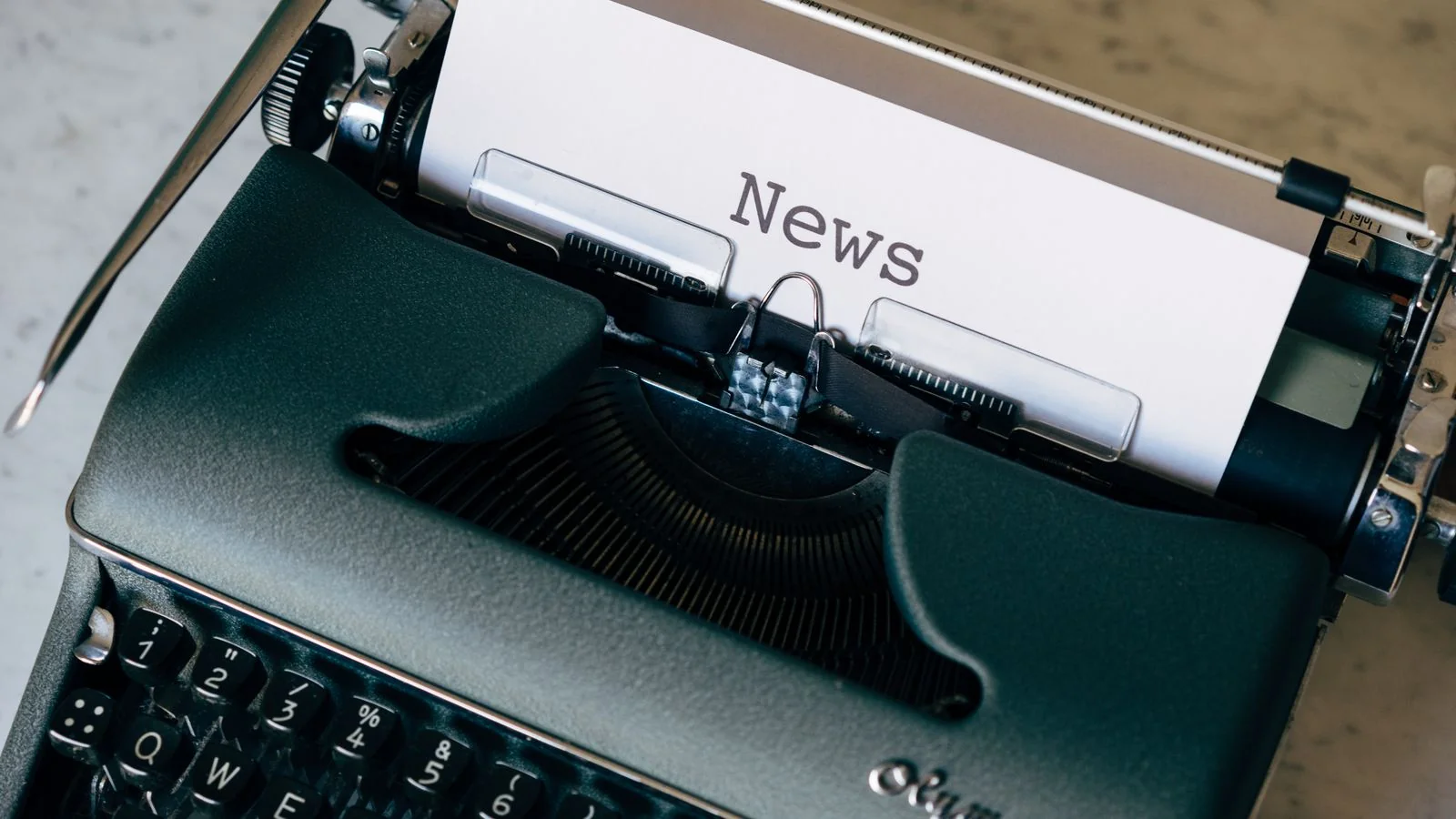
The second filter is voice. The Post writes in active verbs, short sentences, and a wink. If your pitch is corporate and bloodless, the reporter has to translate it before they can use it, and translation is friction. Friction loses. Write your pitch in something close to the headline you want to see, and you remove the work between your email and their byline.
Play 1: lead with the conflict, not the company
Every Post story has a fight in it. Someone is winning, someone is losing, a rule is being broken, a norm is being challenged. If your pitch is “local founder launches new app,” there is no fight and there is no story. If your pitch is “Brooklyn founder is suing the landlord who tripled her rent and turning the fight into a business,” now there is a villain, a stake, and a human.
Find the conflict inside your own story before you write a word. Are you doing something your industry says is impossible? Are you the small operator beating the giant? Are you exposing a practice everyone quietly accepts? The conflict does not have to be ugly. It has to be clear. Reporters need tension because tension is what makes a reader stop scrolling, and the reporter’s whole job is to make readers stop scrolling.
Play 2: hand them a number they cannot get anywhere else
The fastest way to get featured in the New York Post is to bring data the reporter cannot Google. A surprising statistic from your own business, a survey you ran, a price comparison, a count of something nobody has counted. The Post loves a number in the headline because numbers feel like proof and they fit the format.
The number has to be specific and yours. “Most people overpay for X” is not a number. “We pulled 4,000 receipts and New Yorkers overpaid for X by an average of $312 last year” is a number, an angle, and a headline in one sentence. When we coach clients through the Local-Hook Ladder, our internal framework for shaping a pitch, the number is the second rung, right after the conflict. Give a reporter a fight and a figure and you have done most of their reporting for them.
Play 3: make the New York angle impossible to miss
The word “Post” in New York Post is not decoration. The paper is a New York paper, and almost every story it runs touches the city, its boroughs, its money, its characters, or its grievances. A national story with no local hook is a hard sell. The same story with a New York lead is an easy yes.

If you are not in New York, you can still build the angle. Tie your story to a New York trend, a New York neighborhood, a New York company, or New York data. A fitness brand in Austin got featured in the New York Post not as an Austin story but as “the workout New York finance bros are flying to Texas for.” Same brand, same facts, different door. The reporter could see their reader in the headline, and that is the whole game.
Play 4: pitch the right reporter, by name, with proof you read them
Editors do not assign your pitch. Reporters claim it. So your email has to reach the specific person who covers your specific beat, and it has to prove in one line that you actually read their work. “I saw your piece last week on the rent freeze and thought of a related fight playing out in Queens” beats “Dear Editor” by a mile, because it tells the reporter you are not spraying the same email at forty inboxes.
Spend twenty minutes on the byline search before you send anything. Find the two or three reporters who have written something adjacent to your story in the last sixty days. Read their recent pieces. Match your hook to their proven interest. A targeted pitch to one right reporter outperforms a blast to twenty wrong ones every time, and it protects your reputation, because reporters talk and a known spammer gets filtered permanently.
Play 5: be ready to move at tabloid speed
The Post runs fast. If a reporter bites, they may want a quote, a photo, and a fact within the hour, not the week. The people who get featured are the ones who answer immediately, send a usable high-resolution photo without being asked twice, and give a quote that is already printable. Make the reporter wait and the news peg moves on without you.
Prepare the kit before you pitch. A two-sentence bio, a clean headshot, one sharp quote, and one backup statistic, all sitting in a draft you can paste in sixty seconds. The story that gets featured in the New York Post is usually not the best story in the inbox. It is the best story attached to the person who responded fastest and made the reporter’s afternoon easier.
When the Post passes, read the silence correctly
Most pitches get no reply, and beginners read that silence as a verdict on their worth. It is not. A non-response usually means the timing was wrong, the reporter was buried, or the angle did not fit this week, none of which is a judgment on you or your story. The professionals treat a non-answer as a pause, not a no, and they follow up once, briefly, a few days later with a fresh angle or a new peg rather than a wounded “did you see my email.”
There is craft in the follow-up. Do not resend the same pitch, which only reminds the reporter they already skipped it. Send a short note with something new: a development in the story, a fresh statistic, a tie to a headline that broke since your first email. You are giving them a second, better reason to care, and reporters who ignored a cold pitch will sometimes bite on a timely one from the same sender, because the news peg changed even though you did not.
And when a specific reporter passes, keep them on your list anyway. Beats shift, slow weeks happen, and the person who could not use your story in June may be hunting for exactly it in September. The people who eventually get featured in the New York Post are rarely the ones who nailed it on the first try. They are the ones who kept showing up with sharper angles until the timing finally lined up, treating each non-answer as information about timing rather than a final score.
The follow-up that turns one hit into three
Most people treat a feature as a finish line. The smart ones treat it as a starting gun. The hours right after a New York Post story publishes are the most valuable window you will get, and almost nobody uses them. The piece is fresh, it is climbing, and other journalists are watching what the Post just validated. A quick, well-aimed follow-up can turn a single placement into a small wave of coverage.
Start by sending the live link to the two or three reporters at other outlets who cover your beat, with one honest line: the Post just ran this angle, here is a related thread they have not touched. You are not bragging, you are handing them a pre-validated story that a major paper already deemed worth running. Editors take fewer risks on a story a competitor has already legitimized, which is why a Post hit makes the second placement easier than the first.
Then mine the piece for everything it is worth internally. Add the logo and link to your site, your email signature, your speaker bio, and your pitch kit, so the next reporter sees you are someone the Post took seriously. Pull one sharp sentence from the article and use it as social proof in your outreach. The phrase “as featured in the New York Post” does quiet work in every future pitch, because it answers the unspoken question every journalist has, which is whether you are a credible source or a time-waster.
There is also a defensive move here. Screenshot and archive the piece the day it runs. Online articles get edited, paywalled, or quietly pulled, and a story you cannot prove existed is a story you cannot use later. Save the URL, the headline, and a full-page capture so the proof outlives the news cycle.
Finally, resist the urge to over-promote in a way that annoys the reporter. Thank them once, share the piece genuinely, and do not pester them for a follow-up the next week. The goal is to become a source they want to call again, and the fastest way to ruin that is to treat one yes as a license to flood their inbox. Play the long game, and the relationship becomes worth more than any single headline.
A Post feature does more than flatter your ego. The URL carries weight that compounds. Other outlets quote the Post, aggregators re-run it, and your name attaches to a high-authority domain that AI engines treat as a trust signal when they decide who to name in an answer. One clean tabloid hit can echo through search for years. Write the pitch the reporter wishes everyone wrote, send it to the one person who covers your fight, and be ready to move the second they say yes.