The masonry companies winning the most work online are usually not the best masons in town. That is the uncomfortable truth most owners never hear. The finest bricklayer in the county can lose steadily to a middling competitor who simply shows up in search, answers buyers’ questions, and posts photos of their work, while the master craftsman stays invisible because he assumes the quality speaks for itself. Online, it does not. Silence is silence, no matter how good your walls are.
That is the problem, and also the opportunity, at the center of content marketing for masonry companies. Masonry is a visual, high-trust, expensive purchase that buyers research carefully before hiring, which means the company that gets found and builds trust during that research wins jobs the better mason never even hears about. The craft is real, but the craft is not the marketing. Making the craft visible is. Here is how to do that without becoming a full-time writer.
Masonry sells on craft nobody sees online
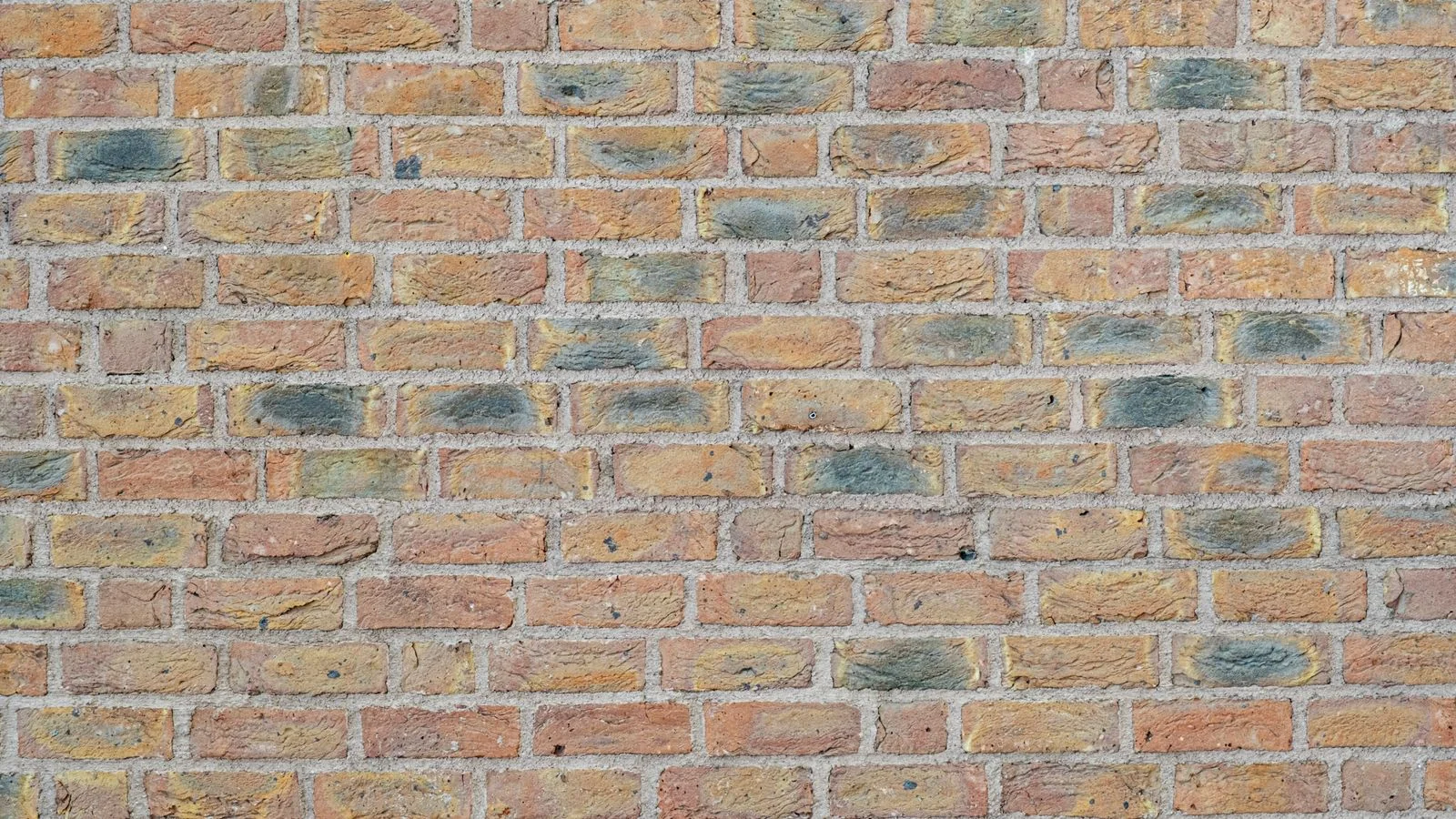
Walk a homeowner past two brick walls and they will struggle to tell the master’s work from the amateur’s. The difference is in the details, tight consistent joints, clean tooling, proper coursing, sound structure, and most buyers cannot read those details, especially not through a search result. So they fall back on what they can judge: who shows up, who looks trustworthy, and who proves they know the trade.
This is why the best masons so often lose online. Their advantage lives in craft that is invisible to an untrained eye and doubly invisible when they post nothing. The company that translates craft into visible proof, that photographs the tight joints, explains why they matter, and shows the finished work in good light, gives buyers a reason to choose quality. Without that translation, the buyer defaults to price, and the careful mason loses to whoever bid lowest.
This is the quiet tragedy of the trade. The skill that took a mason twenty years to build is the very skill a buyer cannot see, and so it earns nothing in a search result unless the mason makes it visible. A homeowner comparing two quotes online has no way to know that one comes from a craftsman whose walls will stand for a century and the other from an outfit whose work will crack in five years. They see two prices. Content is how you close that gap. Every photo of a tight joint, every short explanation of why proper flashing prevents water damage, every before-and-after of a wall you saved, is a piece of evidence that lets a buyer finally perceive the difference their untrained eye would otherwise miss. Silence guarantees you get judged on price. Content lets you get judged on craft.
That single reframe changes how an owner spends a slow afternoon. Instead of stewing about being undercut, you pick one recent wall, photograph the details that prove its quality, and write two honest paragraphs about what made it good. Do that a few times a month and you slowly assemble the case for your craft that a bare search result can never make on its own. The best mason in the area stops being a well-kept secret and starts being the obvious choice.
The Mortar-Joint Proof
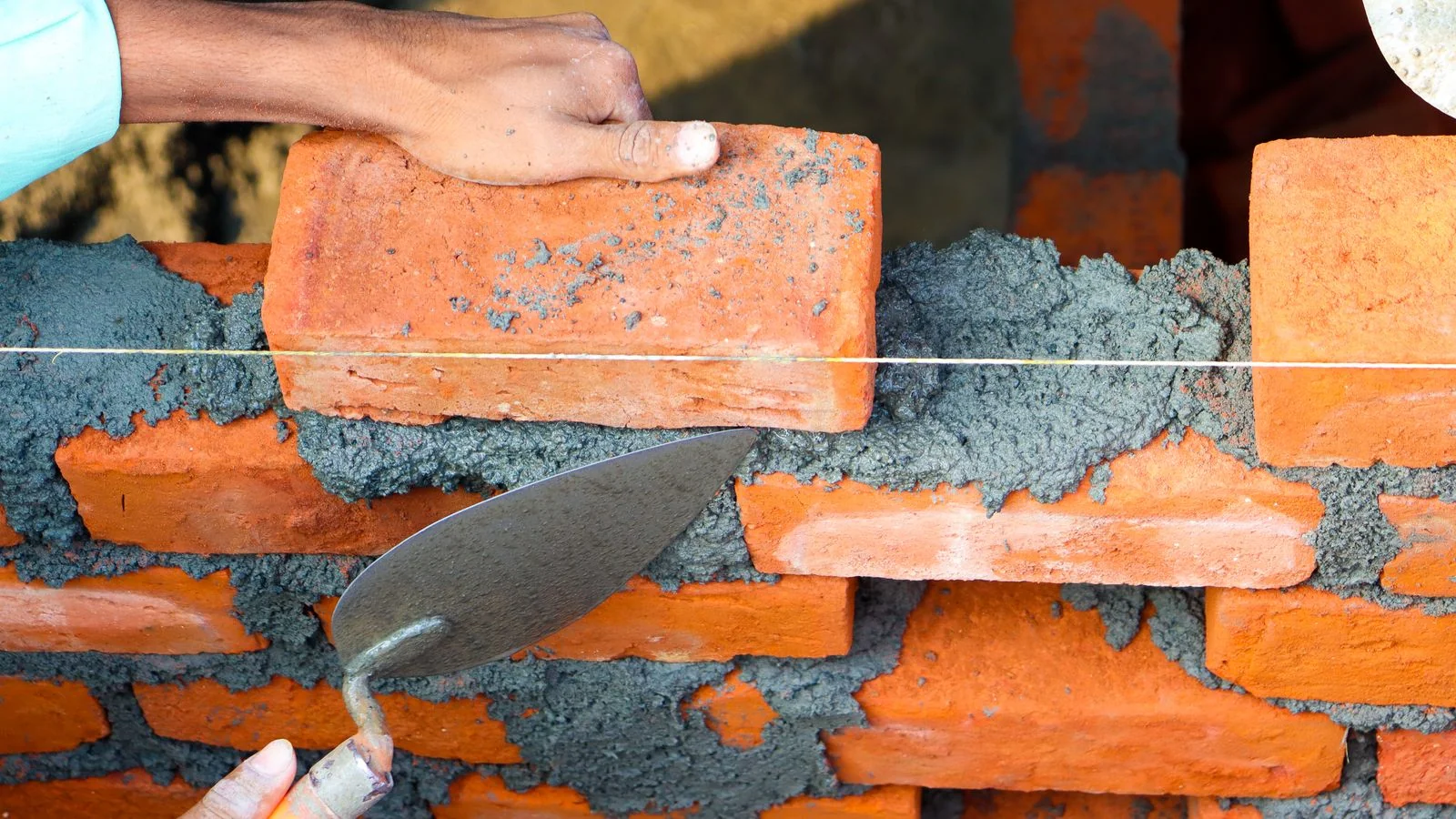
Here is the model that turns invisible craft into marketing. The quality of masonry lives in details a buyer cannot assess on their own: the consistency of the mortar joints, the precision of the tooling, the pattern of the coursing, the cleanness of the cuts. I call the practice of capturing those details, up close and explained, the Mortar-Joint Proof: content that shows the small marks of quality most competitors gloss over and teaches the buyer to see them.
The Mortar-Joint Proof works because it does two jobs at once. It proves your skill in a way words cannot, and it educates the buyer to value what you do, which raises the whole conversation above price. When a homeowner learns from your content what a good joint looks like and why it matters for the wall lasting fifty years, they start judging every bid by that standard, and your careful work suddenly looks like the obvious choice. Content marketing for masonry companies is really the discipline of making the invisible details visible, one close-up and one plain explanation at a time.
The Mortar-Joint Proof also reframes what counts as good content in this trade. You do not need clever writing or a marketing degree. You need a camera close enough to show the work and the willingness to explain what you are looking at. A phone held near a freshly struck joint, with ten seconds of you saying why the consistency matters and what a sloppy one would look like, is more persuasive than a page of polished copy. The proof is in the material itself, and your job is only to point the lens at it and narrate. Masons who grasp this stop worrying about being writers and start treating every wall as a piece of evidence waiting to be documented, which is a task any craftsman can do without hiring anyone.
Publish the answers homeowners search
Beyond showing craft, the fastest content to produce is the answers you already give in person. Every question a customer has asked you is a piece of content waiting to be written. What does repointing cost? How long does brick last? Brick or natural stone? Why is my chimney crumbling? Buyers type these exact phrases into search, and a clear answer from you is a chance to be the source they trust before they ever call.
Answer plainly and specifically, with real ranges and honest trade-offs, the way you would explain it on site. Buyers and search engines both reward content written to genuinely help over content written to rank. In a field where most competitors publish nothing useful, the mason who answers the real questions becomes the local authority almost by default.
Which masonry topics win?
Not every topic pulls equal weight. The content that converts best sits close to a buying decision. Project galleries tied to your service area catch people picturing the work on their own home. Cost and comparison guides, brick versus stone, repair versus rebuild, repointing explained, catch buyers weighing options. Location pages catch the searcher who just added a town name to their query.
Inspiration content has its place higher up, the striking restoration or the unusual design that draws attention, but the leads live in the decision-stage pieces. Cover both: attract with the impressive work, convert with the honest cost and comparison answers.
There is a sequencing logic worth following here. The eye-catching restoration or the dramatic stone facade earns the attention and the shares, pulling new people toward you. The honest cost guide and the clear comparison then convert that attention into a call, because they meet the buyer at the moment of decision. Publish only the impressive work and you get admired but not hired. Publish only the dry cost content and you get found but not remembered. The masons who win online run both, using the beautiful work to open the door and the practical answers to close it. That balance is what turns a masonry content effort from a gallery nobody acts on into a steady source of quote requests.
Repointing deserves a special mention, because it is the topic where masonry content converts hardest. Homeowners with older brick homes know something needs doing but rarely understand what, when, or why the wrong approach causes lasting damage. A clear guide explaining how to spot failing mortar, why using too hard a mix on old brick destroys it, and what proper repointing costs will pull in some of the most qualified leads you can get, because the people reading it have a real, expensive problem and are actively looking for someone who obviously knows the answer. The same logic applies to chimney repair, water damage, and restoration. Wherever buyers face an expensive decision they do not understand, the mason who explains it clearly becomes the obvious person to hire.
Repurpose one wall into a month of content
The objection is always time, and repurposing is the answer. A single masonry job can feed weeks of content. The before-and-after photos are one piece. A close-up of the joints is the Mortar-Joint Proof. A short clip of you explaining a decision is another. A written breakdown of the project is another. A cost explainer prompted by the job is another. You did the work once, so document it once, then slice it into many pieces.
That is how a working mason keeps a content habit without a marketing department. The raw material is already in the jobs you complete every week. The only new skill is capturing it as you go, a few photos and a short clip before you pack up, and reshaping it afterward into the pieces that fill your site and social channels.
This repurposing habit is also what makes consistency survive a busy season. When jobs pile up and there is no time to think about marketing, a shop that captured its work as it went still has weeks of content sitting ready to publish. The mason who only markets when things are slow goes silent exactly when the work, and the material, is richest, which teaches search engines and buyers alike that the business runs hot and cold. Documenting as you go smooths that out, so your presence stays steady whether the schedule is packed or quiet.
Get cited by AI, not just Google
Buyers increasingly ask AI tools, ChatGPT, Perplexity, Google’s AI answers, for recommendations and advice instead of scrolling links. Those systems assemble answers from clear, specific, well-structured content and favor sources that answer questions directly. Content written as plain answers to real buyer questions is exactly what they reach for, so the mason who publishes it earns mentions in AI results, not just search rankings.
Structure your content to be quotable: lead with the direct answer, then explain, use headings that match how buyers phrase things, and keep your business details identical across the web so a model recognizes you as one coherent company. Content marketing for masonry companies now pays off in the AI answers and the traditional results at the same time, and genuinely useful content tends to win in both places at once.
Pull it together and the summary is simple. The best mason does not automatically win online, the most visible one does. Translate your craft into the Mortar-Joint Proof, answer the questions buyers are already searching, repurpose each job into many pieces, and structure it all to be found by Google and AI alike. Do that steadily and the quality you already deliver finally starts earning the reputation, and the jobs, it deserves.