
The best press statements are the ones that say less than you want them to. That runs against instinct. When something goes wrong, or a reporter calls about a lawsuit, the urge is to explain, add context, defend every decision and reassure every audience at once. The result is a 600-word document that reads like a legal brief, gets quoted out of order and gives the reporter four new questions to ask.
A good press statement template does the opposite. It confirms what you know, states your position, says what you are doing and tells people when they will hear more. Then it stops. This guide explains how a statement differs from a release, sets out the four-line framework we use with clients, gives you a template to copy and shows three worked examples.
A statement is not a short press release

A press release announces news you chose to make. You control the timing, the angle and the details. It has a headline, a dateline, quotes, background and a boilerplate. Its job is to get attention.
A press statement responds to news that is already happening, often news you would rather not be in. A product recall, a data breach, a lawsuit, an executive’s departure, a protest outside your office or a reporter’s question about something a former employee posted. Its job is to put your position on the record, with accuracy and as little room for misreading as possible.
That difference changes everything about how you write it. A release can be generous with detail because each detail is a selling point. A statement has to be careful with detail because each detail is a claim you will be held to. A release can run for a page. A statement is often four sentences long. A release is pitched to reporters. A statement is sent to reporters who are already writing.
It also changes who signs off. Releases usually go through marketing and communications. Statements on legal, safety or employment issues, should be reviewed by legal counsel and the executive who will be named. Build that review into your process before you need it, because a statement that takes two days to approve arrives after the story has run.
The 4-Line Statement framework
We use a simple structure we call the 4-Line Statement. Each line answers one question a reporter, a customer or an employee will have, in the order they will have it.
Line one is the fact. What happened, as far as you know it? State it in plain words, without minimizing it and without speculating beyond what you can confirm. “On Tuesday, we identified unauthorized access to a database containing customer email addresses.” Not “We recently became aware of a potential security incident that may have affected a limited number of users.”
Line two is the position. Where do you stand? This is where you take responsibility if you should, express concern for people affected if there are any or state clear disagreement if you dispute a claim. “We take this seriously” is not a position. “We are sorry, and we are contacting every affected customer today” is.
Line three is the action. What are you doing about it? Name specific steps that are already underway. Hiring an outside firm to investigate, pausing a product, cooperating with regulators, placing an employee on leave or reviewing a policy. Avoid promising outcomes you cannot guarantee.
Line four is the next update. When and where will people hear more? “We will share an update on our website by Friday” gives reporters a reason to wait for you rather than fill the gap with speculation, and it commits you to keeping the story moving on your terms.
That is the whole framework. Some statements need a fifth line, such as a hotline number or a link to a support page. Most do not need more than that.
The template
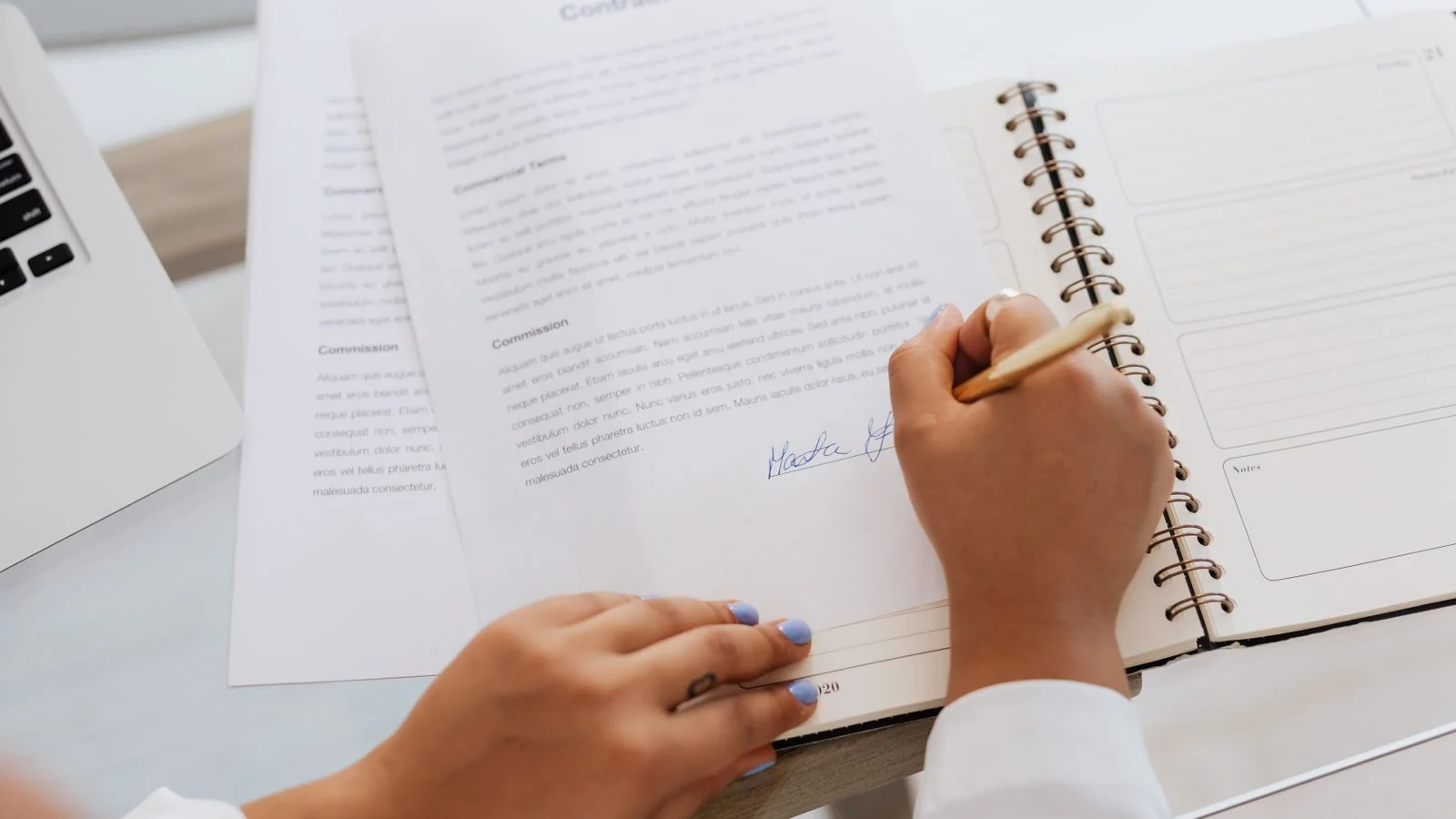
Copy this press statement template into your crisis file now, and fill in the brackets when you need it.
STATEMENT FROM [NAME, TITLE, ORGANIZATION]
[Date] [Time, time zone]

[Line 1: The fact. What happened, in plain words, limited to what you can confirm.]

[Line 2: The position. Responsibility, concern for those affected, or clear disagreement.]

[Line 3: The action. The specific steps already underway.]

[Line 4: The next update. When and where people will hear more.]

[Optional: Where affected people can get help, such as a phone line or support page.]

Media contact: [Name, email, phone]
Put the time on it, not just the date. In a fast-moving story, reporters need to know which version they are looking at. If you update the statement, say so at the top and keep the old version available.
Attribute the statement to a named person when the matter is serious. A quote from the CEO tells readers that the top of the organization owns the response. For routine responses, such as declining to comment on a rumor, a company spokesperson is fine.
When to issue a statement, and when to wait
Not every bad moment needs a statement. Issuing one can turn a story nobody was covering into a story everyone is covering. The test we use is simple: is a reporter, regulator, customer group or large audience already asking? If yes, a statement puts your position on the record before someone else frames it for you. If no, prepare one and hold it.
There are three situations where you should almost always have a statement ready within an hour. The first is any incident involving safety, health or personal data, where people affected need to hear from you before they hear about you. The second is any matter where a reporter has contacted you directly with a deadline. If you do not respond, the story will say you did not respond, and readers will fill in the reason. The third is any event already visible in public, such as a viral post, a protest or a court filing.
There are also situations where a short holding statement is better than a full one. If the facts are still unclear, a two-line note that confirms you are aware, says you are looking into it and gives a time for the next update buys you a few hours without locking you into claims you might need to revise. Follow it with the full four-line statement as soon as you can.
Whichever you send, give it to everyone who might be asked about it. Customer support, sales, front-desk staff and the leadership team should have the same text before reporters start calling them, so that no one improvises a different answer.
Three worked examples
The examples below use invented companies so you can see the framework at work without the baggage of a real case.
The first is an outage. A fictional payments app, Ledgerly, goes down for six hours on a Friday. Its statement reads: “Between 9 a.m. and 3 p.m. Eastern today, Ledgerly customers could not send or receive payments because of a failure in one of our data centers. We are sorry for the disruption, above all to the small businesses who rely on us to get paid. Service is now restored, and our engineers are reviewing the failure to prevent it happening again. We will publish a full account of what went wrong on our blog by Wednesday.” Four sentences, a clear apology, a real action and a date.
The second is a lawsuit. A fictional software company, Northbeam, is sued by a former partner. Its statement reads: “We are aware of the lawsuit filed today by Atlas Data. We believe the claims are without merit and we will defend ourselves in court. Our products and services for customers are not affected. We will not comment further while the case is ongoing.” Here line two is a disagreement, not an apology, and line four sets a clear boundary rather than promising an update.
The third is an executive departure. A fictional retailer, Fieldhouse, announces its chief operating officer is leaving after a news report about workplace complaints. Its statement reads: “Fieldhouse’s chief operating officer, Dana Reyes, has left the company, effective today. We received complaints about workplace conduct last month and opened an independent investigation, which is ongoing. Our interim COO is Sam Patel, who has led our supply chain team for six years. We will share the findings of the investigation with employees when it concludes.” It confirms the facts, shows the company acted before the story broke and names who is in charge now.
Notice what none of these do. They do not argue with the reporter. They do not list every past achievement. They do not use phrases like “out of an abundance of caution” or “we take this matter extremely seriously.” They tell people what happened and what is next.
Mistakes that turn a statement into a second story
The first mistake is saying “no comment.” It sounds like hiding. If you cannot discuss something, say why: “We do not comment on ongoing legal matters” or “We are still gathering the facts and will share more by Thursday.” Both are better than silence.
The second mistake is minimizing. Words like “small,” “limited,” “isolated” and “a handful” become the headline when the real number turns out to be larger. State the figure if you know it, or say you are still confirming it.
The third mistake is speculating. Do not guess at causes, numbers or blame before you know. A statement that has to be corrected tomorrow does more damage than a cautious one today.
The fourth mistake is a mismatch between the statement and the behavior. If the statement says you are contacting every affected customer and customers say they heard nothing, the story becomes about the statement. Only promise what is already happening.
The fifth mistake is forgetting where the statement lives after the news cycle ends. Reporters, search engines and AI assistants will look for your official position for months. Post the statement on a dated newsroom page, keep updates in one place and make sure your final word on the matter is easy to find. If you want to see what AI assistants say about your company after an incident, our free AEO rating will show you which sources they are using.
Keep this press statement template close, agree who signs off before you need it and practice the four lines on a calm day. When the bad day comes, you will be glad the hard part is already done.