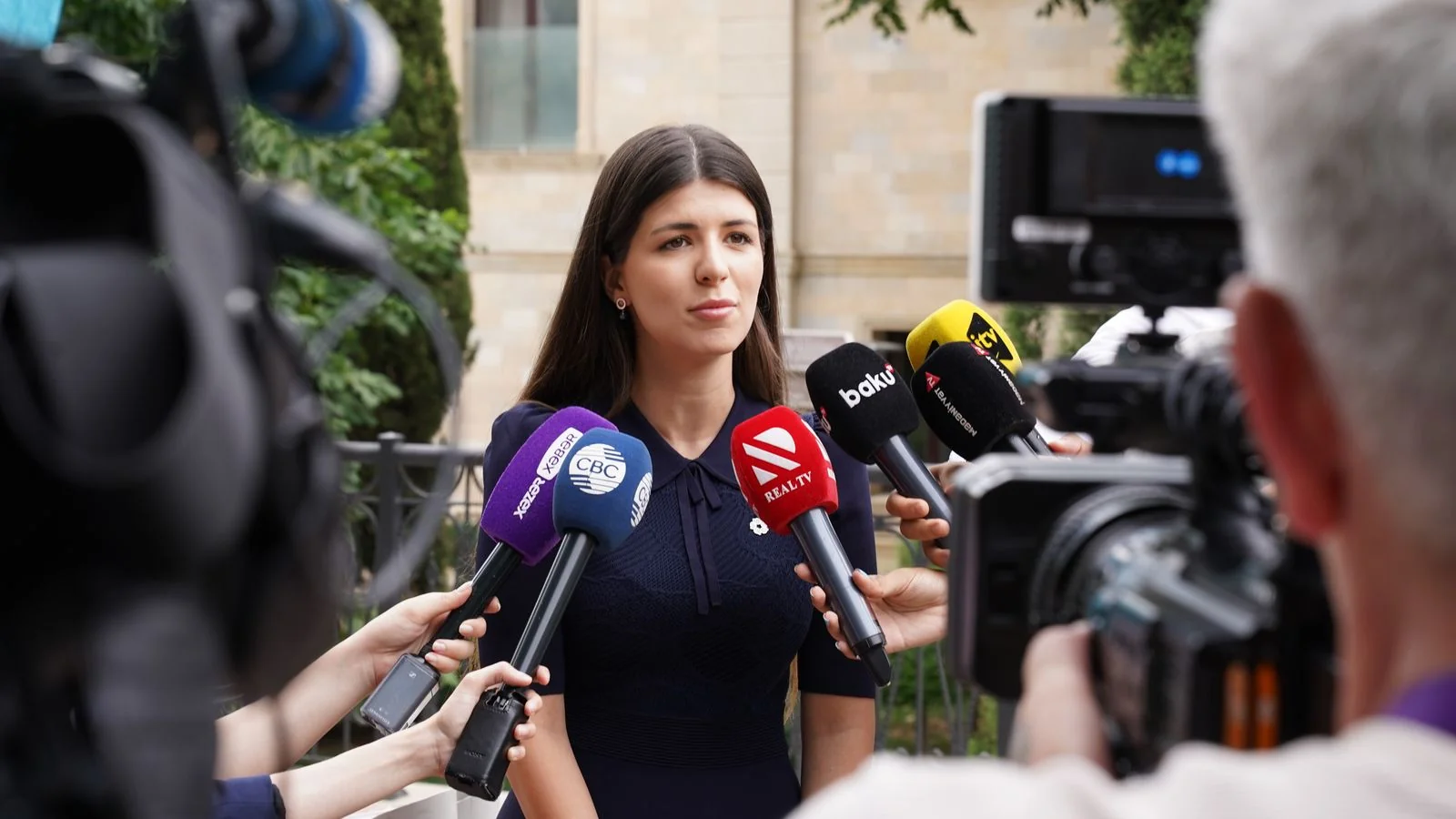
You are hosting something worth covering. A ribbon cutting with the mayor, a product unveiling, a rally, a research announcement with a scientist available for interviews. You write it all up, send it to twenty reporters, and nobody comes. The event happens, the cameras stay away, and you conclude the press does not care. Most of the time that is the wrong conclusion. The press never got the one document that would have told them where to point a camera and why it was worth their morning. That document is a media advisory, and confusing it with a press release is one of the most common reasons good events go uncovered.
A media advisory is a short, one-page notice that invites journalists to cover an upcoming event. It answers the basic logistical questions a newsroom needs to decide whether to send a reporter or a camera, and it does almost nothing else. It is not the story. It is the invitation to the story. An assignment editor scanning fifty of these before the morning meeting is looking for one thing: is there something here worth a slot, and do I know exactly when and where to send someone. If your advisory buries that under three paragraphs of company background, it loses to the one that put the time and place in the first two lines.
What a media advisory actually is

Think of the advisory as a calendar entry a newsroom can act on. Its whole job is to get an event onto the daybook, the internal list of things an outlet might cover on a given day. Editors build that list days in advance, and they build it from advisories. A press release, by contrast, is the finished account of something that already has all its facts assembled, written to be published or excerpted. The two documents serve different moments in the cycle. The advisory comes before, to summon coverage. The release comes during or after, to feed it.
The format reflects that job. A media advisory is skimmable on purpose, structured so an editor gets the essentials in a five-second glance. It leads with a tight headline naming the event, then lays out the who, what, when, where, and why in a compact block, followed by contact details and any logistics a crew needs, such as parking, credentials, or the best window for footage. There are no long quotes, no history of the company, no marketing adjectives. Everything that does not help a reporter decide to come and know how to get there is cut.
That restraint is exactly what makes it work. Reporters and assignment editors read a lot of these, and they have trained themselves to abandon anything that reads like a sales pitch. The advisory that respects their time, that hands them the facts and gets out of the way, is the one that earns a spot on the daybook. The advisory that treats the newsroom to a paragraph about the company’s mission before revealing what is actually happening gets deleted before the editor reaches the date.
What every media advisory must include
An advisory earns coverage when it answers a reporter’s questions before they have to ask. Five elements carry that weight, and dropping any one of them is usually why an advisory fails.
The first is a headline that names the event and the hook in one line. Not your company’s tagline, not a clever phrase, but a plain description an editor can grasp instantly: “Mayor to Cut Ribbon on City’s First Solar-Powered Fire Station, Tuesday.” An editor should know from that line alone whether it belongs on the list. The second is the who and what, stated with specifics. Name the principals who will be present and available, especially anyone with a title or draw, because the presence of a namable person is often what turns a maybe into a yes. “The governor will speak and take questions” is a different proposition than “officials will be present.”
The third is the when and where, written so precisely that a crew could find the spot without calling you. Full date, exact start time, the venue name, the street address, the specific room or entrance, and the best time for cameras if the newsworthy moment happens at a set point. The fourth is the why, the reason this matters to the outlet’s audience, framed in one or two sentences about impact rather than about your organization. The fifth is contact information for a real human who will answer a phone that day, because reporters make decisions late and need someone reachable. Those five, delivered cleanly on a single page, are the whole machine.
The Show-Up Test: a filter before you send
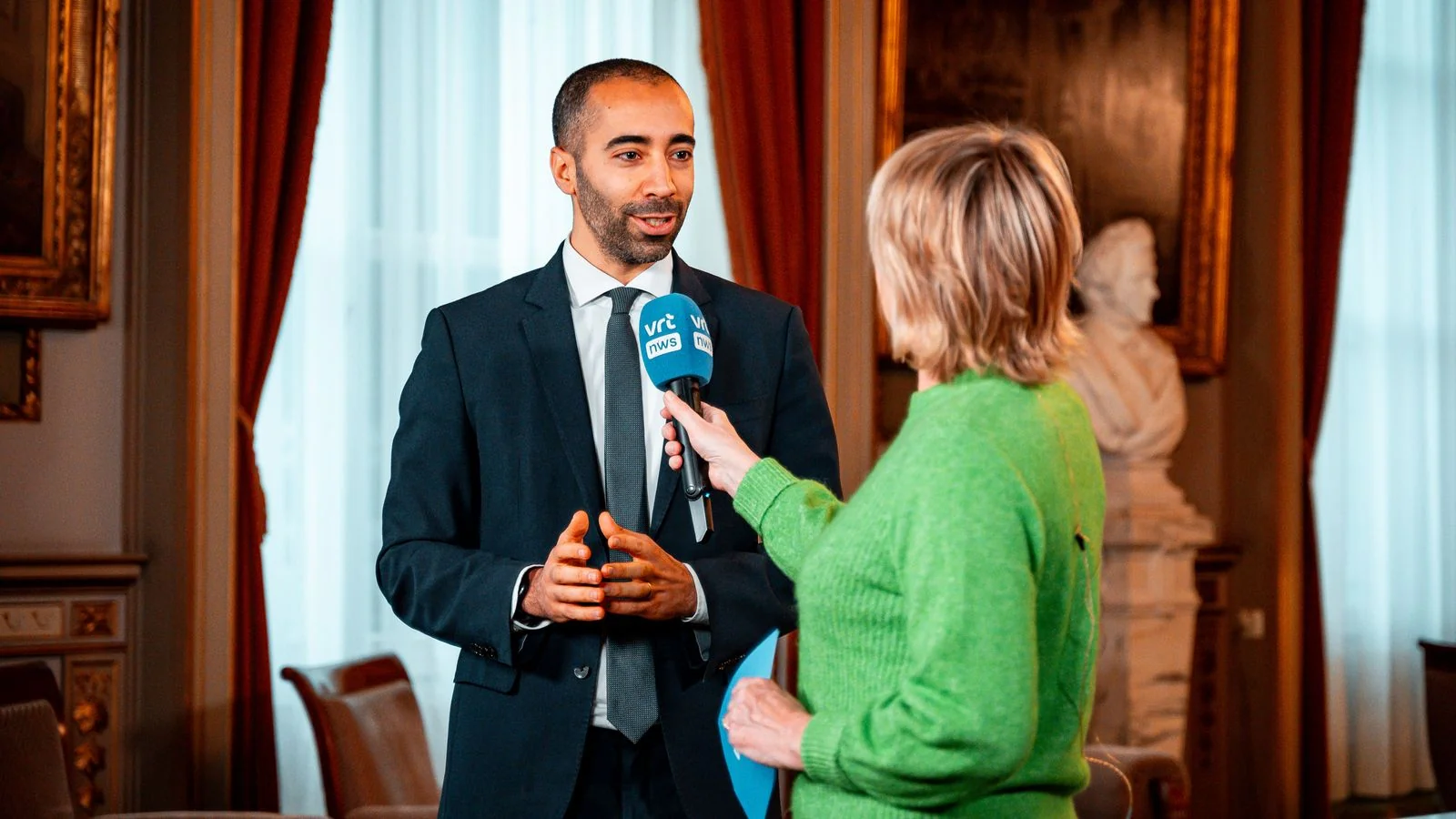
Before an advisory goes out, run it through what I call the Show-Up Test, a four-question filter that predicts whether a newsroom will actually dispatch someone. The test exists because most advisories fail for reasons the sender could have caught in thirty seconds.
Question one: can a reporter tell what will happen visually or on the record. Broadcast needs a picture and radio needs sound, so an advisory that promises a signing, a demonstration, a walkout, or a person answering questions beats one that promises a meeting. Question two: is there a namable, quotable person present. Access to a specific individual is a stronger draw than the event itself, so if you have a mayor, a scientist, an athlete, or a founder available, that has to be visible in the first few lines. Question three: is the logistical path frictionless. If a crew cannot instantly see where to park, when to arrive, and whether they need credentials, some editors will pass rather than chase you for it. Question four: does the why connect to the audience, not to you. An advisory that explains why local residents, patients, or taxpayers should care will beat one that explains why the company is proud.
If your advisory clears all four, it has a real chance. If it fails even one, fix that before you send, because reporters will not do the work of filling the gap. The Show-Up Test is deliberately harsh, since the newsroom applies an even harsher version and does it silently.
The mistakes that keep crews away
Most advisories that fail do so for reasons the sender could have caught, and the same handful of errors recur across nearly every weak one. The first is burying the lead under company background. An advisory that opens with a paragraph about the organization’s mission before revealing what is actually happening loses the editor in the first two lines, because the editor is scanning for the event, not the sender. The fix is ruthless order: the event and its hook come first, the organizational context comes last or not at all.
The second recurring error is vagueness about the visual or the access. An advisory that promises “a discussion” or “an announcement” gives a broadcast desk nothing to picture and a print reporter no reason to prioritize it. The advisories that pull crews name the concrete thing that will happen, the ribbon that will be cut, the machine that will run, the person who will take questions, because specificity is what lets an editor imagine the coverage. If your advisory could describe any event at all, it describes none well enough to earn a slot.
The third is logistical friction, the small gaps that make an editor’s decision harder than it should be. A missing exact address, an unstated start time for the newsworthy moment, no note about parking or credentials, no named contact who will actually answer, each of these adds a reason to pass in a business where passing is the default. Editors choose the events that are easy to cover, and ease is something you engineer into the advisory by answering every logistical question before it is asked. The advisory that leaves a crew guessing loses to the one that leaves nothing to chance.
How to send it, and when
Timing decides as much as content. Send the advisory three to five business days before the event, which is the window when daybook editors are planning but have not yet locked their assignments. Too early and it slides off the radar before the date arrives. Too late and the crews are already committed. Then send a short reminder the morning of the event, a two-line nudge repeating the time, place, and contact, because morning assignment meetings are where the final calls get made and a timely reminder can win a slot that was still open.
The channel matters too. Email remains the standard, with the full advisory in the body of the message rather than trapped in an attachment an editor has to open. The subject line should carry the same clarity as the headline, naming the event and the date, so it survives a crowded inbox. Address it to the right desk or the specific reporter who covers the beat, not a generic tip line, since a targeted send signals you know the outlet and respect its structure. A well-built advisory sent to the wrong person is a wasted document.
One more discipline separates the professionals: follow up by phone, briefly, to the outlets that matter most to you. A short call the day before, confirming the advisory arrived and offering to arrange access, converts more coverage than a second email. Reporters are busy and forgetful in the good way that busy people are, and a human voice offering to make their job easier is hard to refuse. The advisory opens the door. The follow-up walks someone through it.
Get the document right and you change the economics of your event. A clean, scannable, correctly timed advisory turns an occasion the press would have missed into one they plan for, staff, and cover, which is the entire point. The next time you have something worth a camera, do not send a press release and hope. Send the invitation the newsroom is actually built to read.