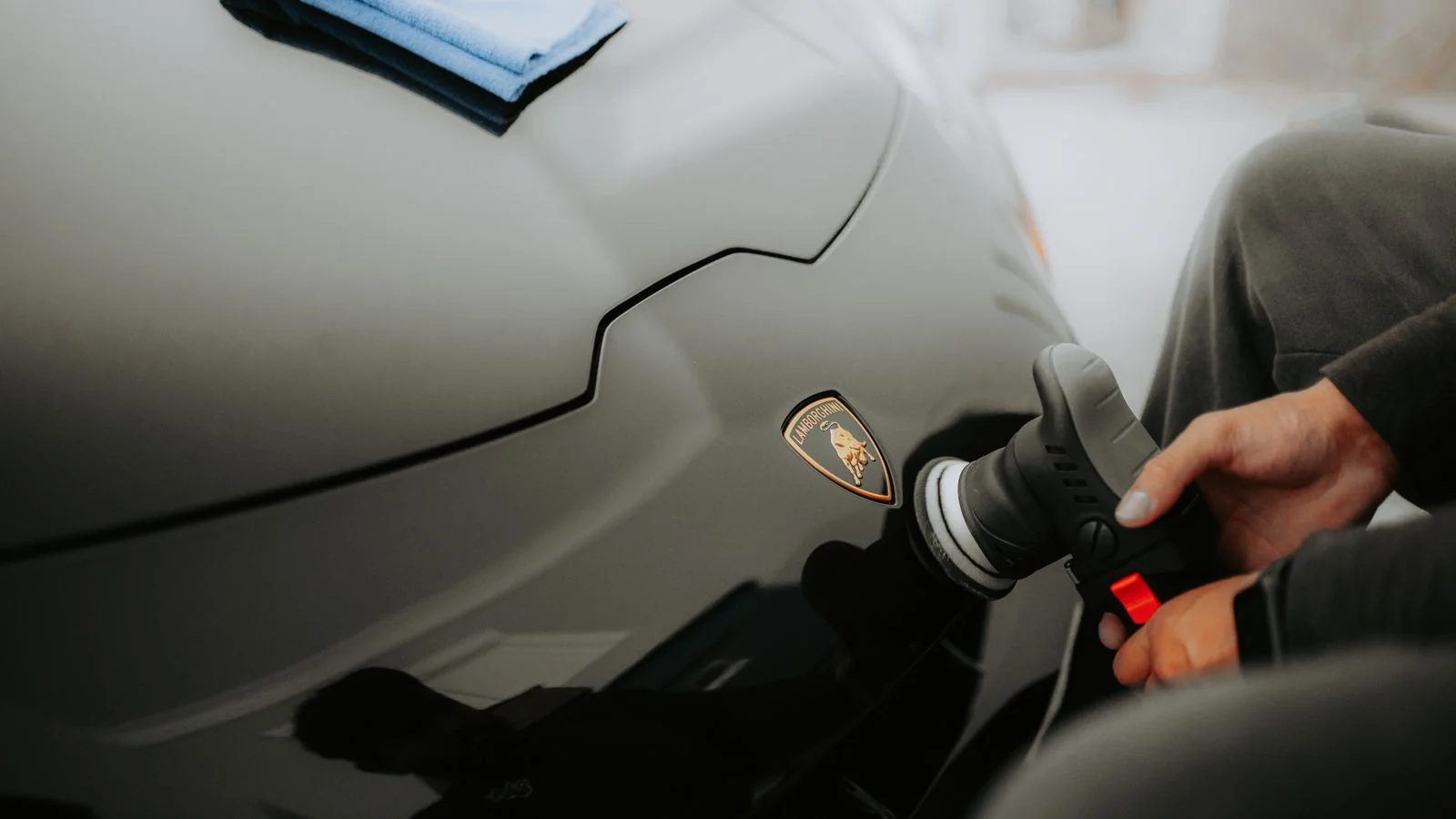
The short answer first: a press release for car detailers works when it stops advertising the wash and starts reporting the transformation. You spend your days turning neglected paint and filthy interiors into something owners barely recognize, and almost none of your competitors think to show that work to anyone beyond an Instagram grid.
That is the whole opportunity. A detailer who announces “we offer premium detailing packages” gets ignored, because every shop says that and none of it is news. A detailer who reports “a flood-soaked interior that three shops called a write-off, brought back in two days, and here is how owners can spot mold before it spreads” gets a callback from the local paper, because that is a story readers can use and only a detailer could tell.
Call the method the Paint-Proof Release. It carries four loads a reporter and a car owner both respond to: the Transformation they can see, the Cost that makes neglect feel expensive, the Credential that makes you a citable source, and the Care Tip a reader can act on today. Drop any one and the release falls flat. The rest of this shows you how to carry all four.
Lead with a transformation, not a service
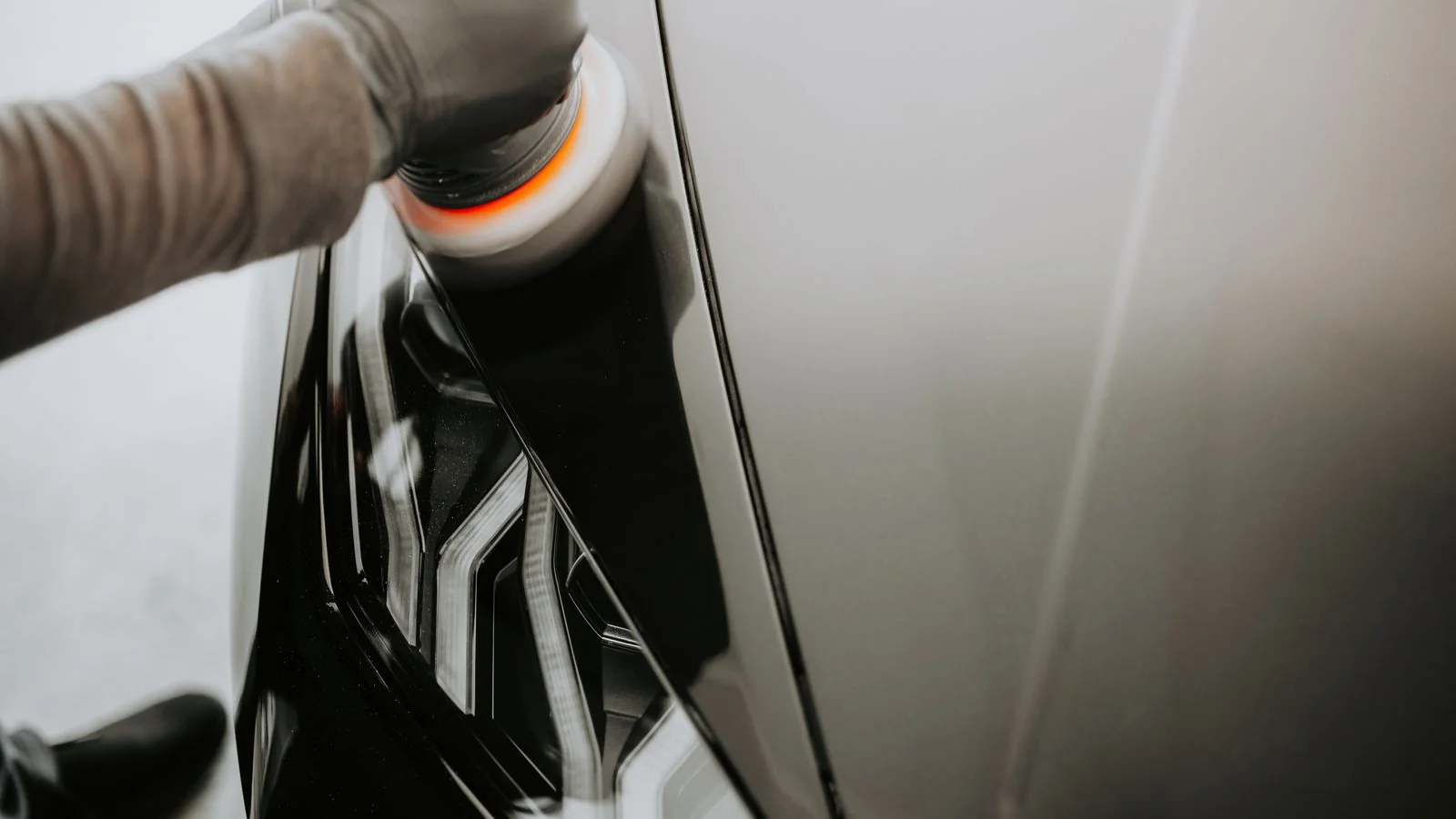
Your camera roll is a newsroom’s dream and you treat it like a marketing afterthought. Every job is a visible story: the swirl-marked black sedan that looked new again after paint correction, the work truck’s oxidized hood brought back without a respray, the luxury interior pulled out of a smoke-damage claim. A transformation is the one part of your press release for car detailers that no competitor can copy, because it happened in your bay, to a real car, and you have the before-and-after to prove it.
The Transformation sits at the front because it does the work a headline cannot. “We deliver quality results” is a claim. “A ten-year-old finish with heavy oxidation, corrected to a mirror gloss in a single day, no repaint” is a story, because it is specific, it is yours, and a reader can picture it. Reporters and owners both think in pictures, and the picture is your unfair advantage.
One honesty rule governs this section. Report only what your own work supports. If you did not measure the paint depth, do not invent a number. “Most of the neglected finishes we see” is defensible when it is true. A fabricated statistic is a liability the moment an editor asks for the source. You do not need invented data. You need the real, dramatic result you already produced, described as far as the truth reaches and no further.
Why the cost of neglect beats a sales pitch
A transformation on its own is a nice photo. A transformation with a cost attached is a story, because the cost is where the reader’s own money enters the frame. This is the second load of the Paint-Proof Release, and it answers the question every car owner is quietly asking: what does ignoring this cost me?
Translate the result into a consequence a driver can feel. The oxidized clear coat is not an abstraction; it is a finish that fails years early and knocks real money off resale value. The neglected interior is not a cosmetic note; it is trapped moisture that turns into mold and a health problem for a family car. The road-salt undercarriage is not routine; it is rust that spreads under panels an owner never inspects. Money and health are the two stakes drivers respond to, and your work almost always converts into one or both.
The cost is also what lets a local editor justify the story to readers. A paper does not run “detailer offers ceramic coating.” It runs “the maintenance mistake quietly costing local drivers thousands at resale, and how to avoid it.” That framing is service journalism, and it is exactly what community outlets want, because it helps their audience and costs them nothing. You are handing them a reader-service piece with your name attached as the expert.
Keep the cost honest and proportionate. Do not turn a light water spot into a catastrophe. Detailers who cry wolf lose the trust that makes the whole release work. The real stakes are dramatic enough on their own.
The credential that makes a detailer quotable
A reporter can only quote a source readers will believe, and an AI engine can only cite a source it can identify as an authority. The Credential is the third load, and it separates a professional from a guy with a pressure washer.
Name your standing in specifics. Manufacturer training and brand certifications carry weight in this trade: recognized ceramic-coating certifications from lines like Ceramic Pro, Gtechniq, or System X, IDA (International Detailing Association) certification, paint-correction training, and the count of vehicles you have restored. “An IDA-certified detailer who has corrected more than 1,200 finishes since 2015” is standing. “An experienced professional” is not.
Specialty capability is standing too, and it doubles as proof you see what others miss. Paint-depth gauges that catch a panel that cannot survive another correction, ceramic and graphene coatings, ozone treatment for odor and contamination, steam extraction for interiors. When your result came from equipment or training most shops do not have, say so, because it explains why you saved a car the last shop gave up on. Attach the standing to a named human, not the company. Reporters quote people. “Andre Cole, an IDA-certified detailer and owner of the shop” can be called back. “A company spokesperson” cannot.
Write it the way a local editor reads
Local editors read fast and cut from the bottom, so build the release as an inverted pyramid with your transformation and its cost in the first two sentences. If the news is buried in paragraph four, it does not exist. Every mechanical part of the format exists to make the editor’s job faster, not to decorate the page.
The expected parts are simple. A “FOR IMMEDIATE RELEASE” line. A headline that states the transformation and the stake in plain words. A dateline with your city, state, and date. A lead sentence that delivers the result, the cost, and who is reporting it. A short body with the details you can defend and the care tip. One quote attributed to you by name and certification. A boilerplate describing your shop and service area. A media contact with a real name and phone number. Three hash marks to close. Keep it near 400 to 600 words on one page.
Here is the shape, filled in:
FOR IMMEDIATE RELEASE
Local Detailer Warns Drivers of the Summer Mistake That Ruins Car Paint
RIVERTON, Utah, August 17, 2026. After a summer of correcting sun-baked finishes, veteran auto detailer Andre Cole says the damage owners blame on age is usually neglect that a few habits could have prevented. Cole, an IDA-certified detailer who has corrected more than 1,200 finishes since 2015, restored a decade-old clear coat this month that two shops had called a repaint job, using paint correction alone.
“People think a faded hood is just what old cars look like,” said Cole. “Most of the time it is oxidation we could have stopped, and it comes straight off the resale value.”
Cole recommends that drivers wash off road film every two weeks, park in shade during peak heat, and have paint evaluated before it clouds, not after.
About the shop: a professional auto detailing studio serving the valley since 2015, offering paint correction, ceramic coating, and interior restoration. Media contact: [name, phone, email].
###
Every line reports something true and useful. Nothing in it is a sales pitch, which is precisely why it gets printed.
End with a car-care tip readers can use
The Care Tip is the fourth load, and it converts a dramatic story into a piece an editor wants to run and a reader wants to forward. Journalists who cover autos and consumer topics are hunting for service angles, and a tip is what turns your warning into a service. Close every finding with what a car owner should do about it.
The tip does not give away your job; it demonstrates it. “Rinse road salt off the undercarriage within a day of winter driving, and check the lower door seams for early rust” does not replace a detail, it makes the reader want a good one. The people who read your tip and feel informed are the same people who book the detailer who informed them. Generosity here is the marketing, not a cost of it.
A good tip is specific and immediate. Not “maintain your vehicle,” which says nothing, but “wax or seal the paint before summer, because a bare clear coat oxidizes fastest in July heat.” The more concrete the action, the more useful the piece, and the more likely a local editor runs it as the reader-service story it already is. That specificity is also what makes a press release for car detailers quotable by an answer engine, because a named expert paired with a safe, concrete recommendation is exactly what these systems repeat.
Where a car detailer’s release actually lands
Not on a national wire, and not in a mass blast. A press release for car detailers lands locally, with the drivers who own the cars in your market. The first and most important target is the reporter who covers autos, small business, or consumer affairs at your community paper or regional outlet. Find that byline, learn what they cover, and send your transformation directly as a story, not an ad. One well-aimed pitch beats a thousand-inbox distribution every time.
The second target is the ecosystem already around you: local car clubs and enthusiast groups, dealerships that need a trusted detailer, and the show and cars-and-coffee circuit where your restoration work is the whole point. A dealer who can point a buyer to your work looks good doing it, and your transformation becomes their value-add.
The third target is the machines. When a driver asks a chatbot how to protect their paint or who to trust with a ceramic coating locally, answer engines assemble replies from sources that are specific, credentialed, and grounded in a place. A release that names you, your certification, your city, and a concrete car-care tip gives those systems something real to cite. Load all four parts of the Paint-Proof Release into your next announcement, send it to the one reporter who covers cars in your town, and the work you already do every day stops living on a phone and starts becoming the reason drivers know your name.