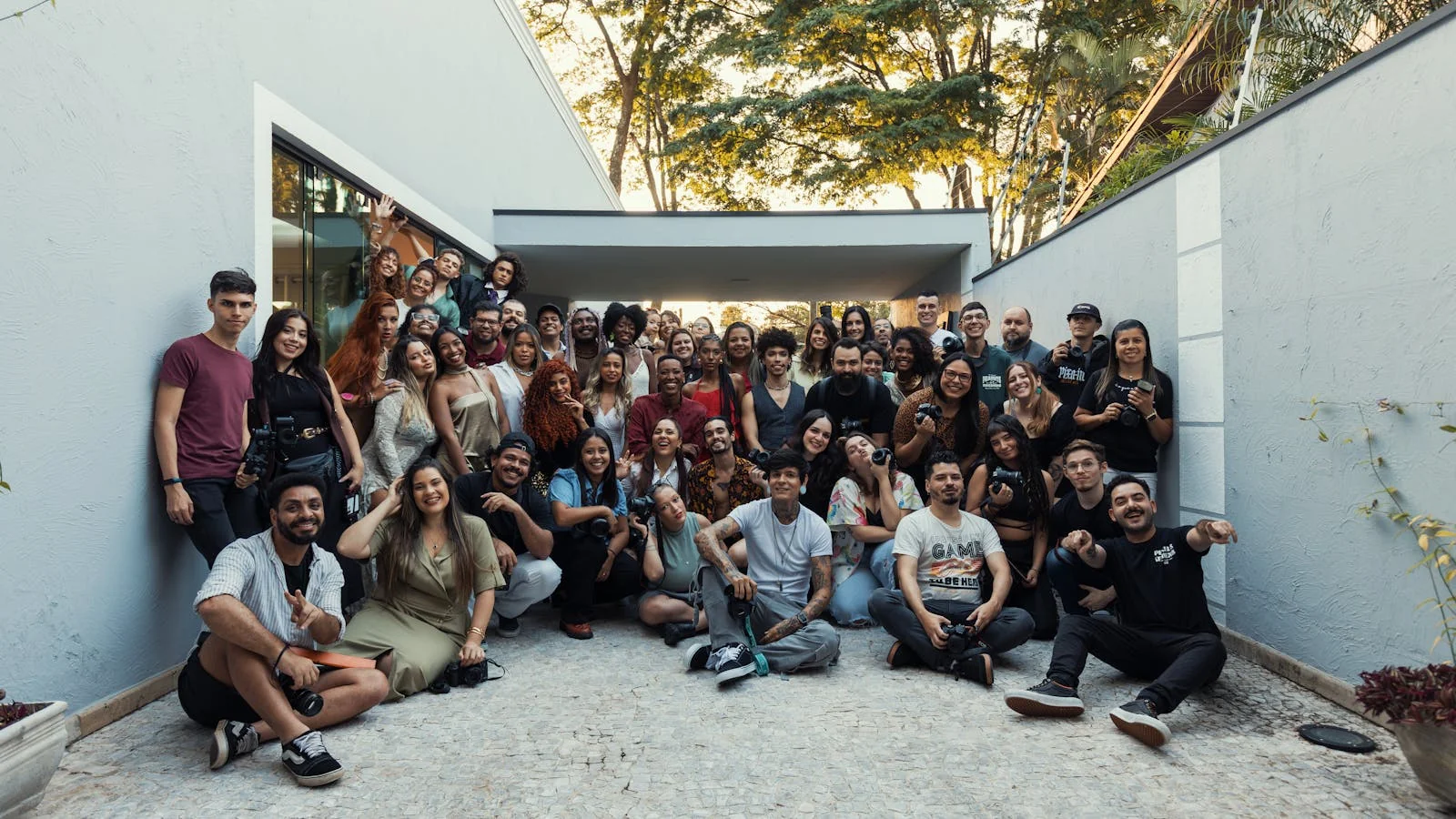
The conventional advice on brand community is wrong, and the people repeating it have rarely built one that survived its first general manager change. The conventional advice says to start with the platform, then content cadence, then events, then “scale.” That is a four-stage path to a dead Slack workspace with 4,200 ghost members and a calendar reminder no one opens.
A community is not a channel. A community is a place where members get value from each other, which the brand sometimes facilitates. The brand-as-host model is a 2010 model. It survived because the platforms (Facebook Groups, early Slack workspaces) made one-to-many broadcasting cheap. That model is unrecoverably broken in 2026, because the platforms have changed and the audience expectations have changed. What works now is a member-to-member value loop where the brand subsidizes the infrastructure and gets out of the way.
This community building guide for brands maps the five stages every functioning brand community passes through, what dies at each stage, and what the operator running the project should do to make it through. Read it the way you would read a stage-based diagnostic: figure out which stage you are at, then look at the failure mode that kills 80% of communities at that exact stage.
Stage one: the seed cohort (members 1-100)
The first stage is not a launch. The first stage is finding 30 to 60 people who would talk to each other even if your brand did not exist. These are the people who have all complained about the same problem in the same week, all attended the same conference last fall, all worked together at the same now-acquired company. The seed cohort gets built by hand, in DMs, with a level of personal attention that does not scale.
The single biggest mistake at stage one is launching publicly. Public launches at this stage attract a thousand curious lurkers and zero actual members. Lurkers ruin the seed cohort because they break the assumption every active member needs to make, which is “everyone in here is here for the same reason I am.” Once that assumption breaks, the early posters go quiet, and the community is dead before it ever had a second weekly thread.
Build the seed cohort invite-only. Aim for a strange-sounding ratio: at least 40% of your initial 60 members should already know at least one other initial member. This is what produces the inside-joke effect inside the first three weeks, which is the only thing that converts ghost members into active ones.
Stage two: the activation cliff (members 100-500)

Stage two is where 80% of brand communities die, and the death is almost always misdiagnosed as a content problem. The pattern is the same every time: the seed cohort plateaus around 150 active members, growth is added through a public link or a marketing push, the new members do not match the seed cohort culture, the activation rate drops from 60% to 8%, and the community manager panics and adds three new channels and a weekly “intro thread” that no one reads.
The fix is not more channels. The fix is a member-onboarding loop that does one thing: it produces a first-week interaction between every new member and at least one existing high-value member. Not the community manager. An actual peer. Slack pulse polls. Buddy assignments. A “what are you working on this week” thread that surfaces in a digest. The mechanism does not matter. The outcome is what matters: every new member talks to a non-staff peer in the first seven days, or they will never become an active member.
The community manager’s job at stage two changes. In stage one they were a host. In stage two they are a matchmaker. They are looking at the member directory every morning and DMing introductions between members who do not yet know each other but should. The community management software does not do this for you in 2026. The model versions that claim to are still bad at picking matches that actually convert.
Stage three: the rituals layer (members 500-2,000)
Stage three is where rituals start to do the work that the community manager used to do. A ritual is a recurring activity that members run for each other, where the community manager’s job is to keep the activity going, not to be the activity. The Monday-morning “what are you stuck on this week” thread. The Friday celebration channel. The monthly anonymous salary survey. The quarterly in-person meetup that members volunteer to host.
The mistake here is treating rituals as content. They are not. Content has authors. Rituals have hosts. A ritual that depends on the brand’s CEO showing up every week is not a ritual, it is a show. The test for whether something is a ritual is whether it still runs when the community manager takes a vacation. If yes, ritual. If no, content.
The community building guide for brands that has held up in 2026 is to introduce one ritual per quarter, retire any that drop below 20% participation for three months, and never push members into a ritual they did not opt into. The rituals are the bone structure. The platform is the skin. Most brands invert this and end up with beautiful Slack workspaces that have no skeleton.
Stage four: member-led growth (members 2,000-10,000)
At stage four the community starts referring new members itself. This is the inflection most operators imagine when they pitch the project to leadership, and it is the stage where the community actually starts paying for itself in a defensible way. The metric to watch is the percentage of new members who came in through an existing member referral. Below 30%, you are still in stage three with a bigger Slack workspace. Above 50%, you are at stage four and the math starts working.
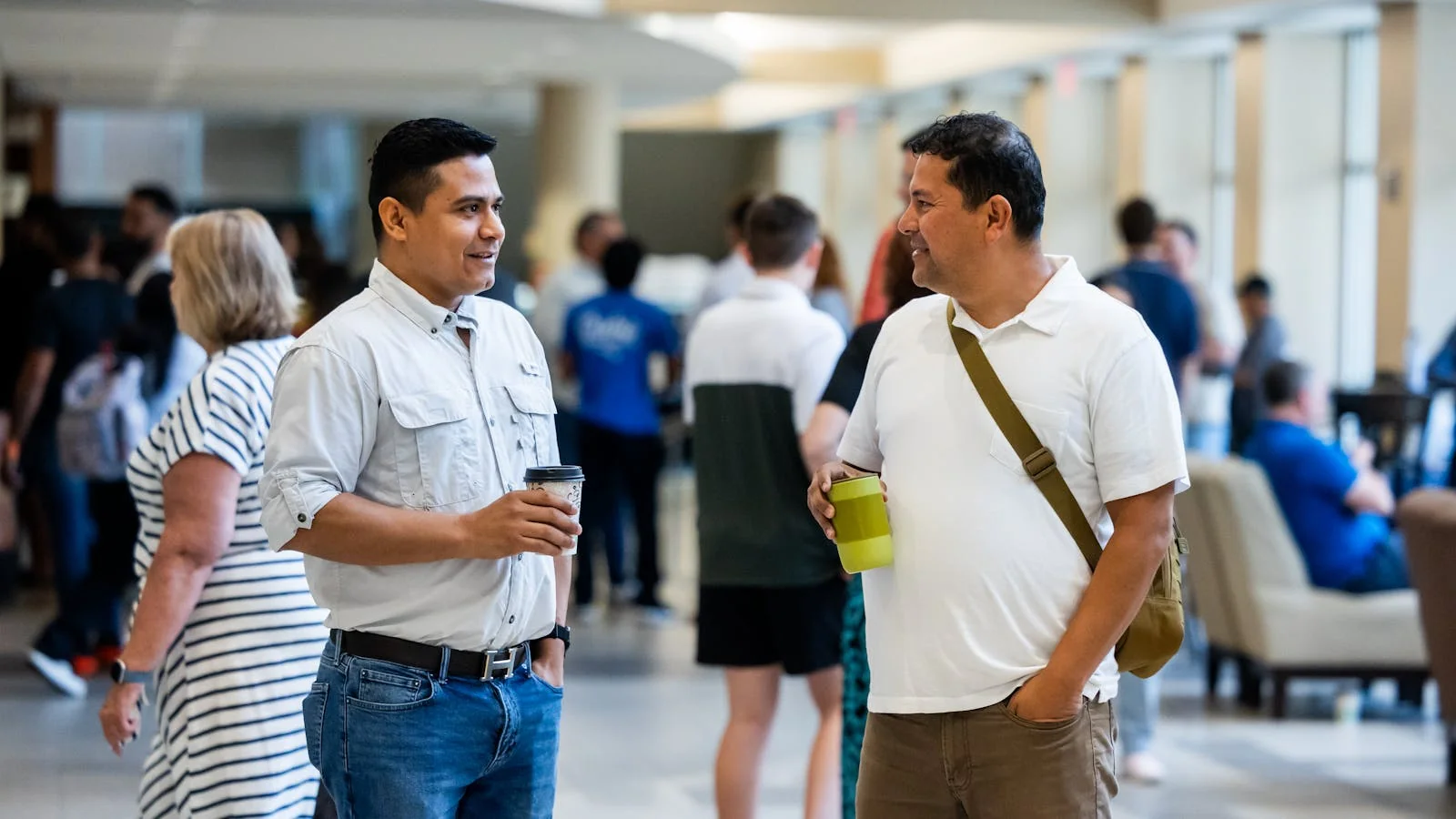
The risk at stage four is dilution. The referral motion brings in members who heard about the community from someone they admire, without going through the seed cohort screening or the onboarding loop. They show up expecting the energy they heard about, do not find it because the energy depends on relationships they do not yet have, and either ghost or post in a way that lowers the floor for everyone. The protection is to keep the onboarding loop tight even when the front door is wide. Buddy system. Slow ramp. Mandatory introduction post that gets responses from a sub-community before the new member sees the main channels.
This is also the stage to monetize, if monetization is on the roadmap. The cleanest monetization is a paid tier sitting next to the free community, not gated on top of it. A paid tier above creates a class system and members below the line resent it. A paid tier beside provides extra access (private channels, AMA queues, in-person events) and the free community continues to function. The 80/20 of paid community failures in 2026 is brands that put the wall in the wrong place.
Stage five: federation (members 10,000+)
The fifth stage is where most community building guides for brands stop, because most brand communities never reach it. The pattern at stage five is federation: sub-communities form around verticals, geographies, career stages, or use cases, each with their own moderation and rituals, loosely connected to the main community through a small shared layer of platform-wide events and a brand-managed weekly digest.
Federation works when the central team’s job becomes infrastructure provision, not content production. The central team is keeping the platform running, paying for events, vetting sub-community moderators, and resolving cross-community disputes. The actual community life happens inside the sub-communities. This is how Reddit, Stack Overflow, and the better Slack communities at scale have all evolved, and it is the only known shape that has survived past 10,000 active members without collapsing into noise.
Federation fails when the central team tries to maintain editorial control over the sub-communities. It also fails when the sub-community moderators are not given enough authority to actually run their space, including authority to remove members. The brand’s instinct is to centralize that authority for risk reasons. That instinct kills federations.
The diagnostic table
To use this community building guide for brands, locate your current stage by member count and weekly-active ratio, then look at what kills communities at the next stage up. If you have 800 members and 12% weekly active, you are at stage two and your next death is the activation cliff. The fix is the onboarding loop, not more content. If you have 4,000 members and the same number is climbing, you are in stage three and your next test is whether your rituals can run without you. If you have 9,000 members and an active referral motion, you are about to face the federation problem.
The community is not a project that ships. It is a thing that grows, plateaus, breaks, and is rebuilt several times across years. Treat it that way. Budget for it that way. And do not let anyone on the marketing team treat the member list as a distribution channel, because the day you send the marketing email is the day the community starts dying, regardless of which stage you were at when the email went out.