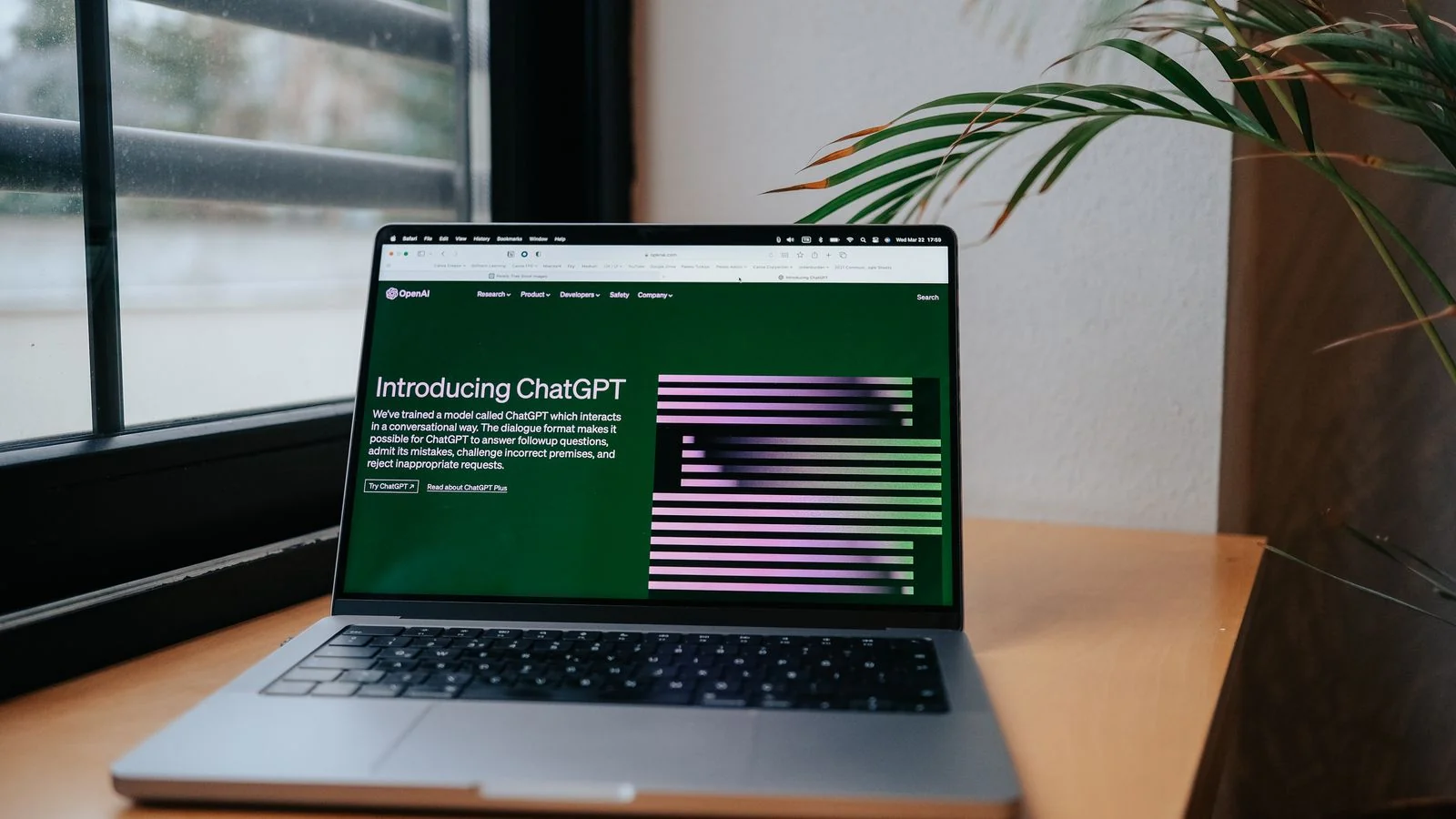
The direct answer is that SearchGPT cites the sources its live web search retrieves and judges most relevant and trustworthy for the question, then quotes the ones that answer it most clearly. So how to get cited by SearchGPT reduces to three things you can control: being retrievable by its search, answering the exact question cleanly on the page, and being credible enough that quoting you is safe. Everything below is a way to strengthen one of those three, and the brands that win citations are the ones that treat all three as deliberate work rather than luck.
SearchGPT is a search product, not just a chatbot
The framing that trips people up is thinking of SearchGPT as a chatbot that happens to know things. It is better understood as a search engine that answers in prose and shows its sources. OpenAI’s search experience runs a live web query, retrieves current pages, and builds an answer that cites them. That means classic discoverability, being crawlable and relevant, is the entry requirement, and everything about AI citation sits on top of that foundation rather than replacing it.

The practical first move is to confirm SearchGPT can actually reach you. Check that your robots rules allow the relevant crawler, that your important pages are indexed, and that they surface for the queries you want to own. A page blocked from the crawler or buried in the index cannot be cited no matter how good it is. This is the unglamorous baseline, and skipping it is the most common reason a strong page never appears. Get retrievable first, then earn the quote.
The crawler question deserves a moment of specific attention, because it is where brands accidentally lock themselves out. AI search systems reach your content through crawlers, and if your robots rules or your CDN settings block the relevant one, you are invisible to the whole system no matter how good your pages are. Some brands blocked AI crawlers reflexively during the early anxiety about training data, and never revisited the decision, which now quietly excludes them from citation. If getting cited by SearchGPT matters to you, the first thing to check is whether you are even allowing the crawler that makes it possible.
The flip side is that access is necessary but never sufficient, and it is worth being honest about that so you do not stop at the easy step. Allowing the crawler puts you in the running. It does nothing to win the citation, which still comes down to clarity, credibility, and corroboration. Plenty of brands confirm their pages are crawlable, breathe a sigh of relief, and never do the harder work of making those pages the best answer to a specific question. Access is the gate you have to pass through, not the finish line, and treating it as the finish line is why so many technically-accessible pages still never get quoted.
The Retrieval-Ready Page
Here is the concept to build toward. Call it the Retrieval-Ready Page, a page designed so that when SearchGPT retrieves it, quoting it is the path of least resistance. A Retrieval-Ready Page states its answer near the top of each section, uses clear headings that map to real questions, makes specific and verifiable claims, and identifies its author and publisher plainly. Everything about it says: here is the answer, here is who is standing behind it, quote it with confidence.

Contrast that with the pages most brands publish: answers buried under introductions, claims hedged into mush, no clear author, structure that wanders. Those pages can be retrieved and still lose the citation, because SearchGPT has to work too hard to extract a clean answer and reaches for a competitor instead. The Retrieval-Ready Page is not a different kind of content. It is the same substance, arranged so a retrieval-and-synthesis system can use it without friction. That arrangement is most of the battle for how to get cited by SearchGPT.
The seven fixes that earn the citation
Seven fixes turn an ordinary page into a Retrieval-Ready one. The first is access: confirm the crawler is allowed and the page is indexed, because nothing else counts until it is. The second is the lead answer: open each section with a direct, complete response to a specific question. The third is structure: short sections with clear, question-shaped headings so SearchGPT can match a passage to the query. The fourth is specificity: concrete, checkable claims that read as trustworthy rather than promotional.
The fifth is entity clarity: a named author, a real publisher, and consistent identity so the source can be attributed with confidence. The sixth is corroboration: key claims echoed across credible third-party sources so agreement exists when SearchGPT checks. The seventh is freshness for topics that move, keeping the page current so it beats stale competitors on time-sensitive questions. Work through the seven in order and you convert a page SearchGPT ignores into one it reaches for, because you have removed every reason it had to look elsewhere.
Questions, not keywords: how people actually ask
The queries people bring to SearchGPT look different from the ones they type into a traditional search box, and that difference should reshape your content. Search boxes trained people to type fragments: two or three keywords, stripped of grammar. Conversational search invites full questions, often long ones, phrased the way a person would ask a knowledgeable friend. Someone who once typed “AEO agency pricing” now asks “how much should I expect to pay an agency to get my brand cited in AI search, and what do they actually do for that.” The intent is richer, and the answer that wins is the one that matches the fuller question.
This means writing for the real question behind the keyword, not the keyword itself. A page optimized only for a short phrase can miss the conversational query entirely, because it never addresses the specifics the longer question contains. The fix is to anticipate the full questions your buyers ask and answer them in plain language, ideally using the question itself as a heading and the answer as the first line beneath it. When your page mirrors the shape of the question, SearchGPT has an easy match to make, and matching is what earns the citation.
There is a compounding benefit to this habit. Questions reveal intent that keywords hide, so writing to the question naturally produces content that serves the reader better, which in turn earns the engagement and corroboration that make a page more citable over time. Optimizing for the conversational question is not a separate task bolted onto SEO. It is a sharper version of understanding your audience, and it happens to be exactly what a question-answering system rewards.
Why structure beats volume for SearchGPT
There is a temptation to answer AI search by publishing more, on the theory that a bigger footprint means more chances to be cited. For SearchGPT, that theory is mostly wrong, and understanding why saves a lot of wasted effort. A retrieval-and-synthesis system does not reward you for the sheer number of pages you own. It rewards you for having the single clearest answer to a specific question at the moment it searches. Ten thin pages that each half-answer a question lose to one page that answers it completely and plainly.
This flips the usual content-mill instinct on its head. Instead of asking how many articles you can produce this month, the better question is how completely you cover the real questions in your topic and how cleanly each answer is stated. A brand with forty vague pages often gets cited less than a competitor with twelve sharp ones, because the sharp pages win the synthesis step every time they are retrieved. Volume without clarity is noise, and a system built to extract clean answers routes around noise.
The practical discipline is to consolidate rather than proliferate. When you find three overlapping pages that each partly address a question, the move is usually to merge them into one authoritative, well-structured page that answers it fully, then make that page as retrieval-ready as possible. Consolidation concentrates your relevance and your authority on a single URL, which is exactly what SearchGPT wants to find. Fragmenting the same substance across many weak pages splits your signal and hands the citation to whoever kept theirs whole.
What a SearchGPT citation is actually worth
It helps to be clear-eyed about the payoff, because it changes how much effort the work deserves. A SearchGPT citation is not a passive impression the way a low search ranking can be. It is your brand named inside a synthesized answer at the exact moment a person asked a question you can solve. The user did not scroll past you in a list of ten links. They received an answer that included you as a trusted source, which is a fundamentally warmer introduction than a blue link buried on a results page.
That warmth compounds when the question has commercial intent. Someone asking SearchGPT how to solve a problem you address, or which options exist in your category, is often early in a buying process, and being the cited source plants your name before a competitor’s ever enters the picture. The citation does double duty: it drives the occasional direct click, and, more valuably, it shapes the mental shortlist the buyer walks away with. Being absent from that answer is not neutral. It means the shortlist formed without you, and you may never learn the deal existed. That is why earning the citation is worth the unglamorous work of access, structure, and corroboration, and why the brands that take it seriously now are building an advantage that gets harder to reverse the longer they hold it.
Publisher trust and the corroboration edge
The signal worth dwelling on is trust, because SearchGPT, like any careful system, prefers to cite sources it can stand behind. Publisher credibility, author expertise, and a track record on the topic all feed that trust, and they are why a recognized, focused source often gets cited over an anonymous page that happens to rank. Building that credibility is slow, which is exactly why it protects you once you have it. A competitor cannot conjure a trustworthy reputation overnight to displace yours.
Corroboration is the lever that turns trust into consistent citation. When your best claims appear not only on your own site but across credible publications and references that SearchGPT’s search can reach, the model finds independent agreement and cites you with less hesitation. This is where digital PR and earned coverage pay off directly, because they place your position in the trusted places a retrieval system looks. Combine a Retrieval-Ready Page with real publisher trust and broad corroboration, and how to get cited by SearchGPT stops being a question. You have made yourself the obvious source, the one it would be strange not to quote.