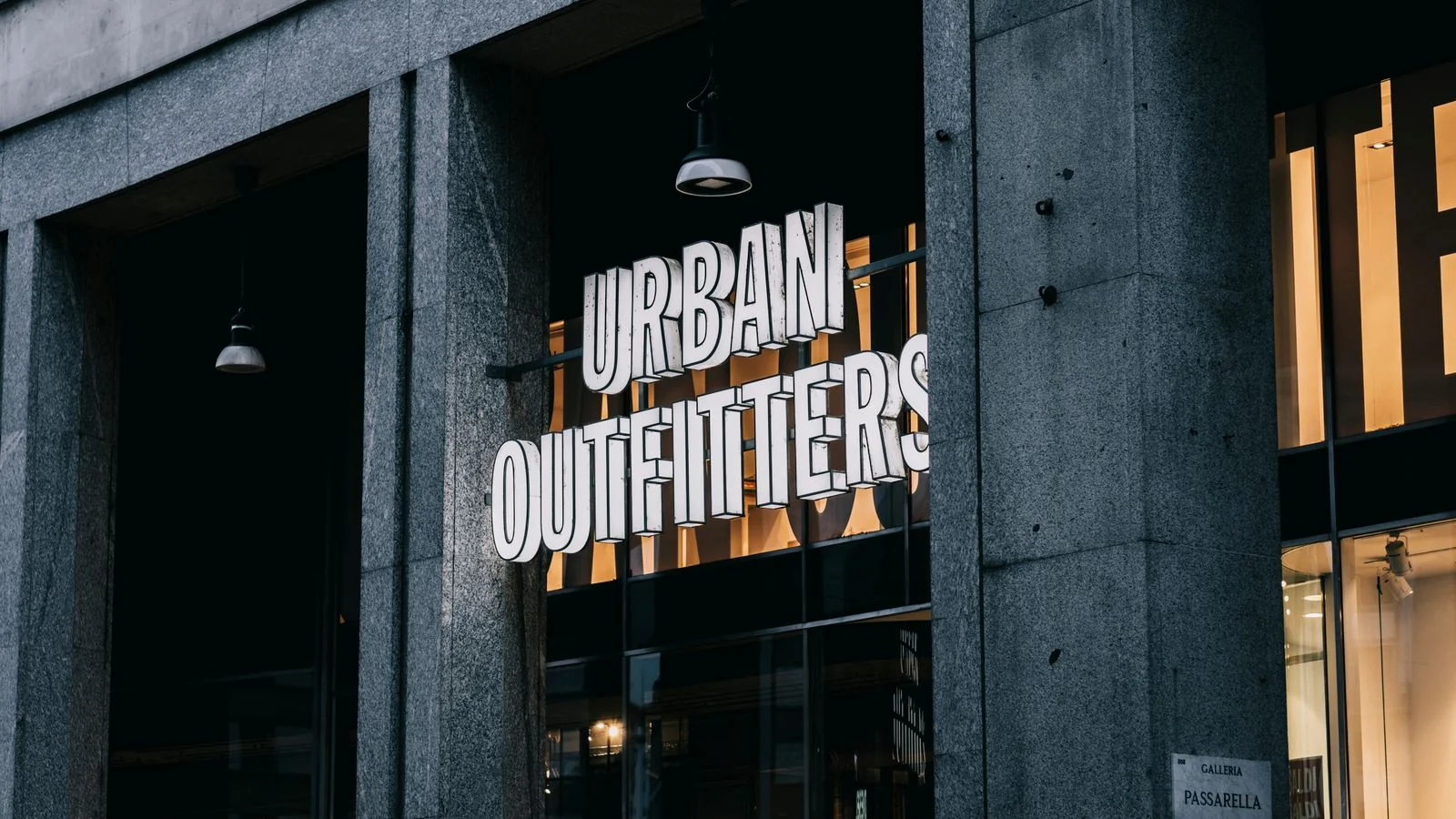
The most overlooked press opportunity in your town is bolted to the front of every building on Main Street, and the company that made those signs never once thinks to pitch it. That is the strange blind spot in the sign industry. Sign makers produce the most visible work in any community, the landmarks people use to give directions and the storefronts they remember, and then they market themselves like an invisible back-office vendor, chasing quotes and competing on price while sitting on a goldmine of visual, local, human stories.
Reporters love exactly what you make. Your work is photogenic, it is tied to the local businesses and landmarks a community cares about, and it carries stories of craft, history, and neighborhood identity. Learning how to get press for sign companies is mostly a matter of recognizing that the newsworthiness was there all along, and then offering it to the right journalist in the right way. Here is how to do it.
Sign companies sit on stories they never tell
Every sign you install is attached to a story you are ignoring. A new business is opening, and your sign is the face of it. A beloved local landmark is getting restored, and you are the craftsman bringing it back. A downtown is being revitalized, and your work is changing how the whole street looks and feels. These are community stories with visual drama and human interest built in, and reporters run stories like these constantly. The only thing missing is someone pointing them out.
Sign makers miss this because they think of a sign as a product rather than a piece of a place. But the public does not experience your work as signage. They experience it as the look of their town, the landmarks they steer by, the storefronts tied to memories. That emotional, communal dimension is what makes your work genuinely newsworthy, and it is why getting press for sign companies is easier than owners assume, once they stop pitching their services and start offering the stories their signs are part of.
Think about the raw material you generate in a normal year. A new restaurant opens and your sign is its first impression. A decades-old marquee gets restored and the whole neighborhood notices. A hospital, a school, or a city park gets new wayfinding that changes how thousands of people move through a space. Each of these is a moment a community actually cares about, and you are the maker at the center of it. Other trades struggle to find a single newsworthy angle a year. You produce them constantly and let them evaporate because you file them under “just another job.” The shift that changes everything is learning to see each notable install not as a completed order but as a story with a photo, a place, and a human element already attached.
Once you start seeing your work that way, the pitches almost write themselves. The install becomes the news hook, the location becomes the local angle, the business or landmark becomes the human interest, and your craft becomes the expert thread that ties it all together. A sign maker who trains this habit stops waiting for something newsworthy to happen and realizes it already did, last week, on a ladder in front of a building the whole town drives past.
The Streetscape Story
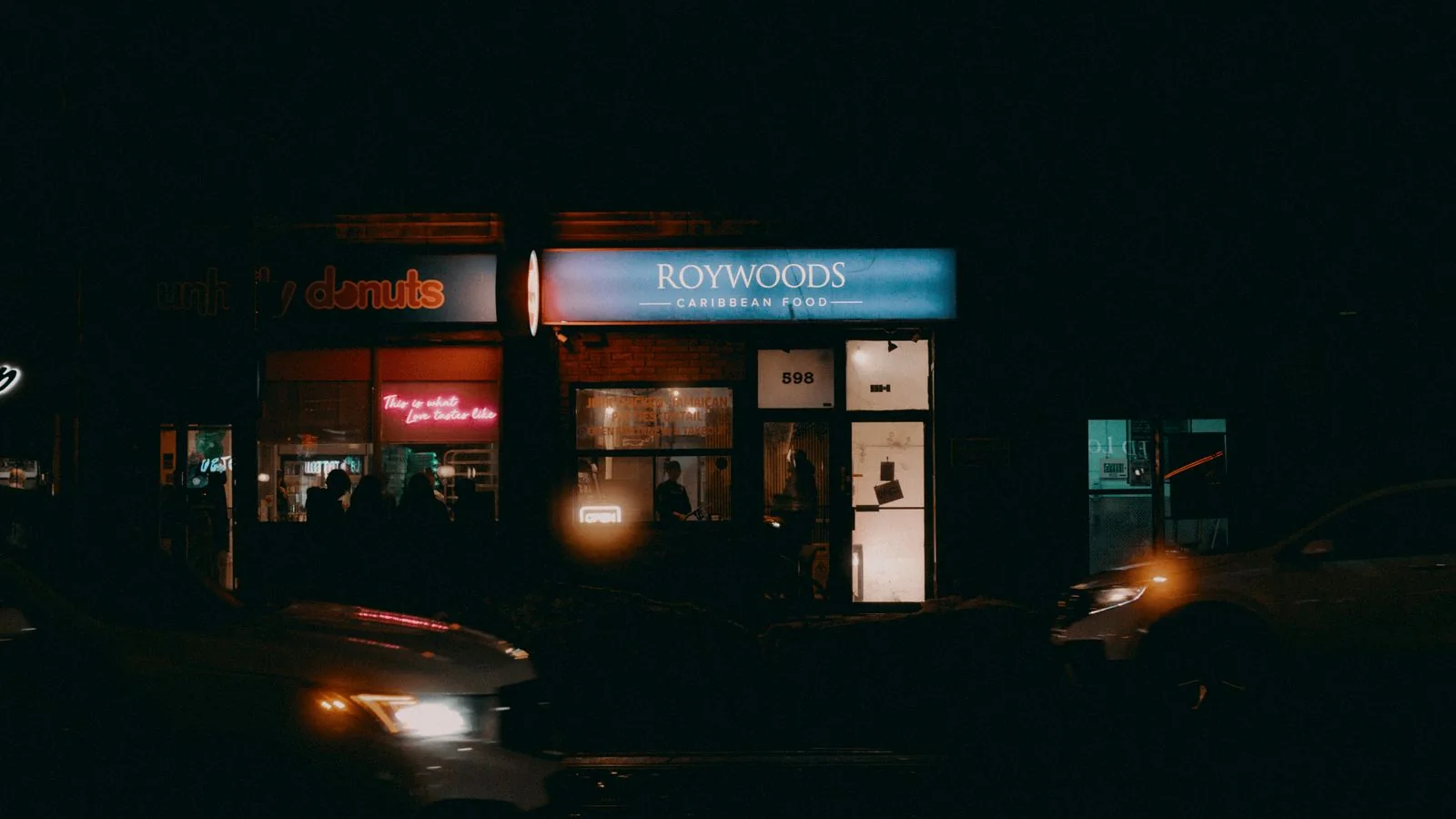
Here is the model that opens the door to coverage. Your signs are not private products hidden in a client’s building. They are public landmarks that the entire community sees every day, which means every notable sign you make is already part of a shared visual environment reporters cover. I call this the Streetscape Story: the angle where your work matters not because it advertises a business, but because it shapes a place people know and care about.
The Streetscape Story works because it connects your craft to something the audience already has a relationship with. A reporter has no reason to write about your sign shop. They have every reason to write about the return of a historic neon sign the whole town remembers, the striking new landmark going up on the corner, or the way a revitalized district is changing the streetscape, and you are the maker at the center of each. Pitching from the streetscape, from the public and communal meaning of your work, rather than from your capabilities, is what turns your signs into stories. It reframes you from a vendor seeking promotion into the craftsman behind the places people love, which is a role reporters are glad to feature.
Five angles that get a sign company covered
Working from the Streetscape Story, several angles reliably earn coverage. The first is historic sign restoration, bringing a beloved old sign back to life, which carries nostalgia, craft, and community memory all at once and is nearly irresistible to a local outlet. The second is a new landmark installation for a well-known business or public space, especially anything large, unusual, or technically impressive. The third is the craft-and-behind-the-scenes story, how a distinctive sign is actually made, the artistry and skill most people never see.
The fourth is the community and local-business angle, where your sign is the visible face of a new opening, a beloved shop’s expansion, or a neighborhood’s revival, and you provide the making-of story behind it. The fifth is the human-interest thread, the family sign shop passing to a new generation, the artist behind the town’s most recognizable work, the sign maker preserving a dying craft. And a sixth worth watching is the local-history angle, commentary on why a district looks the way it does and how its signs evolved. Each of these leads with something the community cares about, with your shop as the credible, visual center, which is the heart of how getting press for sign companies actually works.
Of these, historic restoration is the angle that punches above its weight, and it is worth going out of your way to find. Old signs carry memory in a way almost nothing else in a town does. The neon a whole generation grew up seeing, the hand-painted wall ad fading on a brick building, the theater marquee that anchored a downtown before it declined. When you bring one of those back, you are not just doing a job. You are restoring a piece of collective memory, and that is a story local outlets run every single time, often with real prominence. If restoration is part of what you do, lead with it. If it is not, consider taking on the occasional restoration project specifically because of the goodwill and coverage it generates. Few kinds of work buy as much community affection per dollar as bringing a beloved old sign back to life.
How do you pitch a reporter without sounding like an ad?
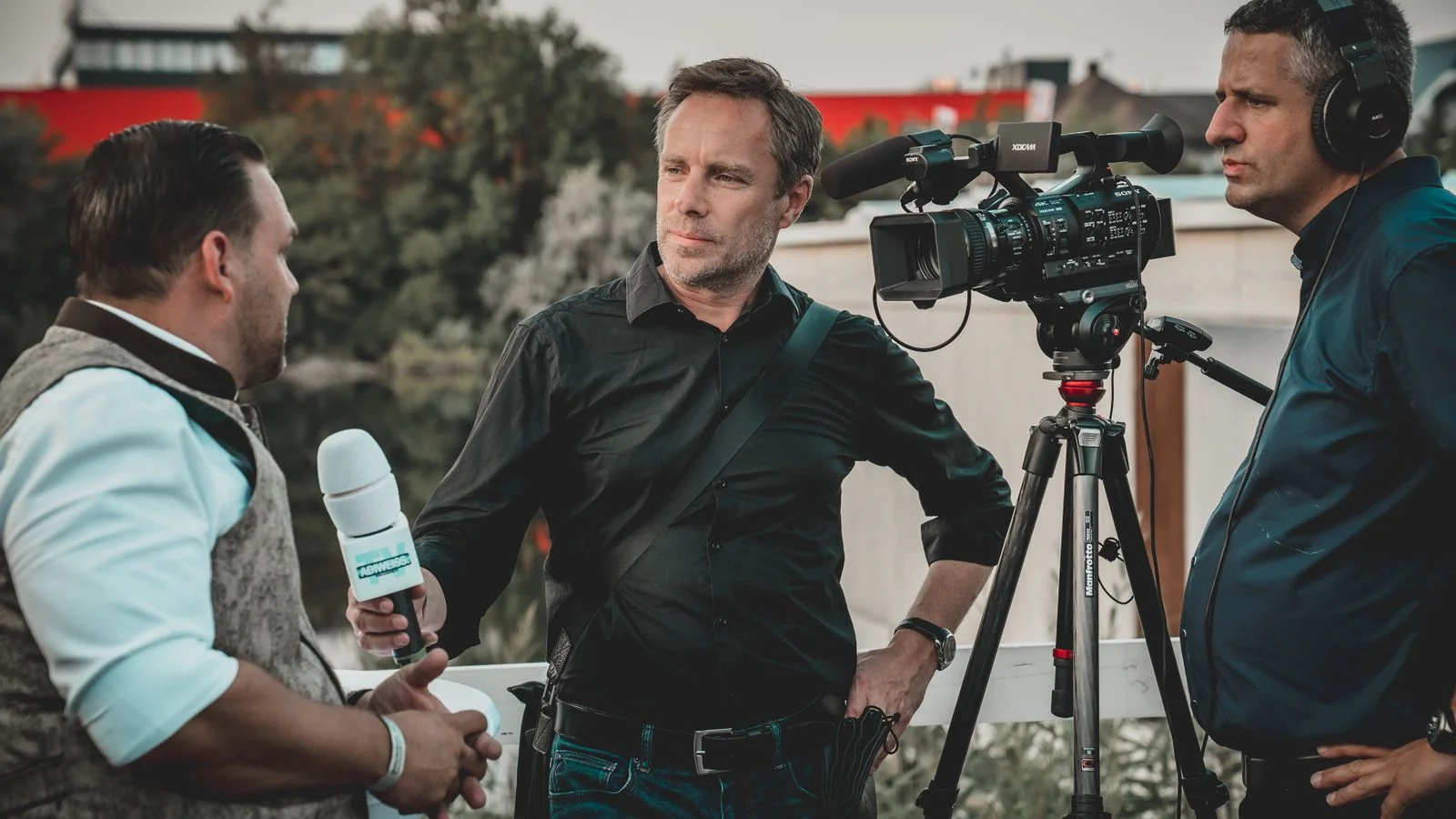
The fastest way to get deleted is to pitch your services. The fastest way to get covered is to pitch a story and let your role emerge naturally. Identify the specific reporter who covers local business, community, or arts and culture, read what they have written, and reach out with a story that fits their beat. A pitch to the right person, referencing their actual work, lands where a generic blast to a newsroom address never will. That precision is the core of how to get press for sign companies without wasting a reporter’s time.
Lead with the visual and the local hook. Reporters respond to strong images, so a striking photo of a restored sign or a dramatic new installation, offered right in the pitch, does a lot of the persuading. Keep it short: the story you are offering, why it matters to the community now, and why you are the person to tell it, in a couple of tight paragraphs. Timing helps, so tie the pitch to a business opening, a district event, or a restoration unveiling that gives it a reason to run this week. Make the reporter’s job easy, hand them images, access, and a clear angle, and you become the source they call, not the ad they ignore.
Photos matter more for you than for almost any other kind of pitch, so treat them as the centerpiece rather than an afterthought. Your work is visual, which is your greatest advantage with the press, and a striking image can carry a story on its own. Shoot your notable installs and restorations properly, in good light, from angles that show the sign in its setting, and keep a small library of them ready to send. A reporter weighing two possible stories will lean toward the one that comes with a photo that will look great on the page or the screen, because strong images earn clicks and prominent placement. When you can hand an editor a ready story and a photograph that sells it at a glance, you have removed most of the friction between your pitch and a published article.
Make one placement pay off for years
A single story is the start of an asset, not the end of an effort. When you earn coverage, put it to work everywhere. Add the outlet’s logo to your site as proof, share the article across your channels, and reference it in future pitches, because each placement makes the next reporter more comfortable saying yes. Coverage compounds once you can show you have been featured before, and every part of how to get press for sign companies gets easier the moment you have that first clip to point to.
The lasting value shows up in search and AI. Stories on real news sites build authoritative mentions and backlinks that lift your rankings, and they feed the AI answer engines that weigh credible third-party sources when deciding which local company to name. A sign maker featured in the local press becomes a business those systems can recommend when someone asks, which keeps a single article working long after it runs.
The compounding here is real and worth being deliberate about. Your first piece of coverage is the hardest to get, because you are an unknown quantity to every reporter you approach. Once you can point to a feature, the next journalist sees a proven, quotable source rather than a gamble, and saying yes gets easier. Three or four placements in, you are no longer pitching cold. You are the sign maker the local press already knows to call when a story touches signage, storefronts, or the look of downtown. That standing is an asset you build once and draw on for years, and every placement makes the next one easier to earn. To start, do one concrete thing this week: pick the most recognizable sign you have made in the past year, find the reporter who covers that neighborhood or that beat, and offer them the story behind it with a great photo attached. That one email is how getting press for sign companies begins, and the first yes makes every one after it easier.