You launched a beauty brand, the formula is genuinely good, the packaging photographs well, and you are convinced that one feature in a major beauty publication would change everything. So you find an editor’s email, attach your line sheet, write “I’d love to introduce our brand,” and hit send. Then nothing. That editor received roughly two hundred similar emails that week, and yours said the one thing that guarantees a delete: it was about your brand, not about a story their readers would want to read. Getting beauty brand press is not about access to editors. It is about handing them something they can actually publish.
Beauty is one of the most competitive media categories that exists, because the products are visual, the launches are constant, and every founder believes their serum is the one. The brands that break through treat editors as people with a hard job to do and make that job easier. These seven plays are how.
Pitch the story, not the SKU
Editors do not publish products. They publish stories that happen to involve products. The pitch that works leads with an angle their readers care about and uses your product as the proof, not the subject. “Introducing our new vitamin C serum” is a SKU. “Why dermatologists are quietly moving clients off the vitamin C everyone hyped in 2024, and what they recommend instead” is a story, and your serum can be the example inside it.
Build your angle from a trend, a tension, or a genuine point of difference. What is changing in your category? What does your formula do that the popular alternatives do not, backed by something real? What problem does your customer have that no one is writing about well? When the editor at a major beauty desk can see the article in their head from your first two lines, you have done their hardest work for them. Across the beauty pitches we have run at Instant Press, the ones framed as a reader story outperformed product-first pitches by a wide margin on response rate. Same product, different frame, completely different result.
Match the pitch to the editor’s actual beat
Beauty publications are not monoliths. There is a skincare editor, a makeup editor, a hair editor, a wellness editor, a commerce editor who handles shopping roundups, and a features editor who runs the bigger stories. Sending a skincare pitch to the makeup editor marks you as someone who did not do the work, and it gets ignored even if the product is perfect.
Read recent articles and find who covers your category and your angle specifically. Note the kinds of stories each one writes. A founder-journey feature goes to a features editor; a “best new serums” roundup goes to the commerce or skincare editor. Pitch the right person the right thing. The brands that get beauty brand press consistently keep a real media list with named editors and their beats, updated as people move outlets, which happens constantly in beauty media. A pitch addressed to the person who actually writes the story you are proposing has a different open rate than a blast to a generic press inbox.
Lead times decide everything in beauty
Beauty media runs on a calendar most founders underestimate by months. Print features and major seasonal roundups, especially holiday gift guides, are often locked far in advance: a winter gift guide can be finalized in late summer. If you pitch in the season, you have already missed it. The brands that land seasonal coverage built their outreach calendar backward from publish dates and pitched while the founder who waited was still designing the campaign.
Build a simple editorial calendar. For each seasonal moment that fits your brand, mark when the relevant publications are actually planning it, which is usually two to four months ahead for digital and longer for print, and pitch into that window. Off-season, focus on evergreen angles and timely trend stories that can run anytime. Treating lead time as a core part of how to get beauty brand press, rather than an afterthought, is the difference between landing the holiday roundup and watching competitors fill it.
Give editors images they can actually use
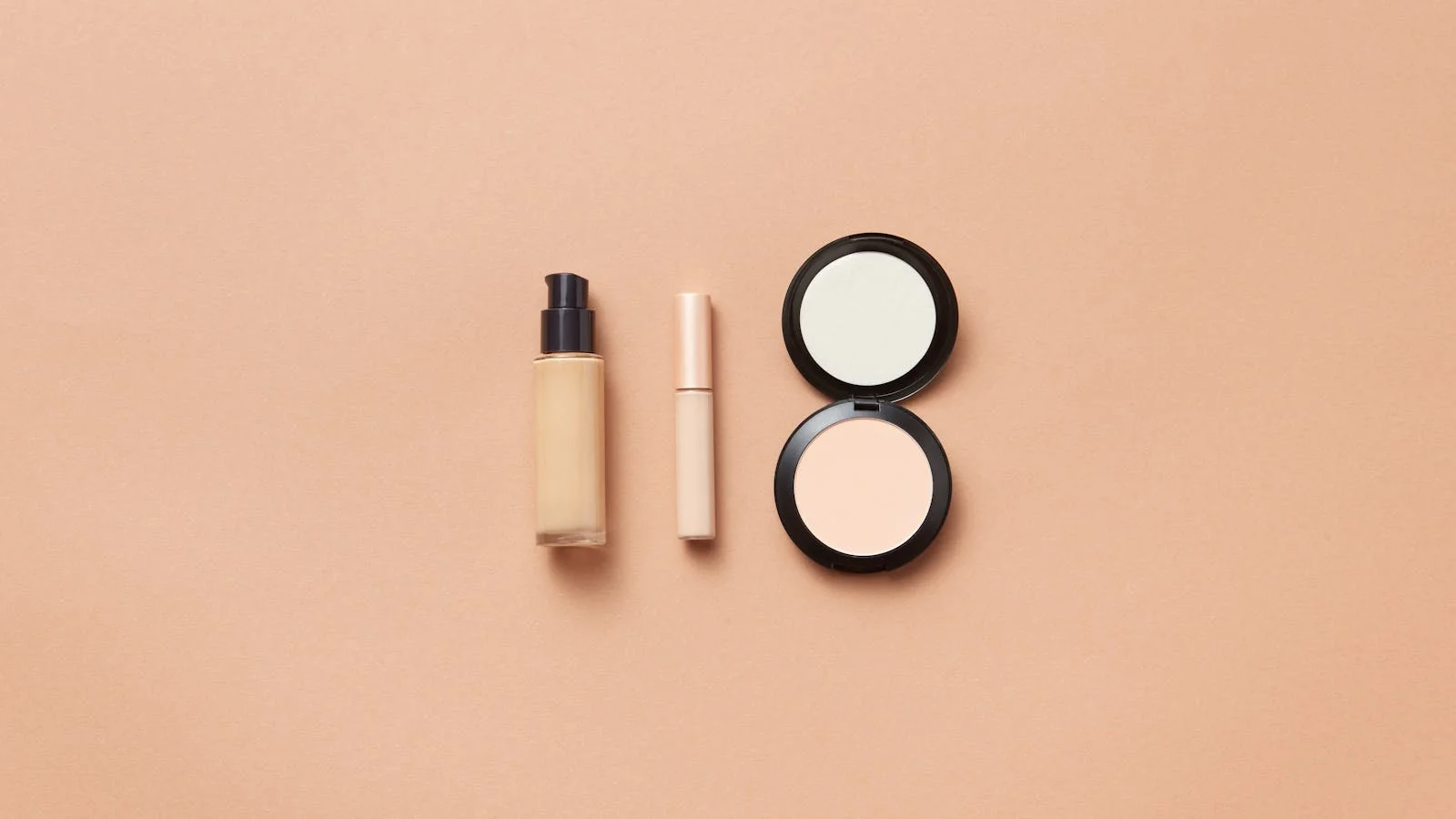
Beauty is visual, and an editor cannot run a story without usable imagery. A brand that supplies high-resolution product shots, lifestyle images, and clean shots on a neutral background removes a real obstacle, while a brand that sends a low-resolution phone photo and offers nothing else makes itself unpublishable regardless of the pitch.
Prepare an image kit before you pitch and mention it in the email. Include the product on white for cutouts, the product styled in context, and texture or swatch shots if relevant, all high resolution and ready to use. Many beauty roundups are assembled fast against deadline, and the brand whose assets are sitting ready gets included while the one the editor would have to chase gets dropped. Photography is not a nice-to-have in beauty press. It is part of the pitch.
Build founder credibility, not just product hype
Beauty editors increasingly write about the people and the point of view behind a brand, not only the formula. A founder with a genuine story, a real reason the brand exists, a credential, a distinctive perspective on the category, becomes a source editors return to. That credibility also makes product coverage easier, because the editor trusts the brand behind the product.
Develop and document your founder narrative: why you started, what you believe about the category that others do not, what you have learned. Make yourself available for commentary on trends in your space, so editors can quote you in stories that are not even about your product. Being a useful, quotable voice in your category builds relationships that turn into coverage over time. The brands that get written about repeatedly almost always have a founder editors know they can call, which is an asset you build deliberately, not one that appears with a good serum.
Make the relationship outlast the single pitch
The brands that win beauty press are not cold-pitching strangers every launch. They have relationships: editors who know the brand, have tested the products, and trust that a pitch from this founder is worth opening. That trust is built between launches, with no ask attached, through small genuine interactions and reliably useful information.
When you do get coverage, follow up with a real thank-you and make the editor’s future job easier, not with a pile of new asks. Share their work. Offer them first looks. Be the source who responds fast and never wastes their time. A senior editor at a well-known beauty title once described keeping a short mental list of founders whose emails she always opened, not because their products were the best, but because their pitches were always relevant, always complete, and never a waste of a busy morning. Getting on that list is the real long game of beauty brand press, and it pays off on every launch after the first.
Pick one publication you genuinely want, find the exact editor who covers your category, and write a pitch that leads with a reader story instead of your product. Send that one, well, this week. One precise, story-first pitch to the right editor beats fifty generic ones to a press inbox, and it is how the relationship that carries your next five launches begins.