
Picture the inbox of a Robb Report watch editor on a Tuesday in October. Forty new emails since breakfast. Twelve are from brands launching a “luxury” timepiece. Nine of those twelve use the words “exquisite,” “unparalleled” and “timeless” in the first paragraph. Two include a link to a Dropbox folder of product shots on a white background. One, maybe, explains that only 25 pieces exist, that each dial is hand-engraved by a single craftsman in a village outside Geneva, and that the movement took four years to develop.
That last email is the one that gets a reply. If you have been wondering how to get featured in Robb Report, the core lesson sits in that contrast. Robb Report editors are not short of luxury products. They are short of luxury stories: scarcity with a reason, craft with a name attached, and access the reader cannot get anywhere else.
This guide covers who reads the magazine, a framework we call the Rarity Ladder for testing whether your story is a fit, the five angles that land most often, and how to write and time the pitch.
Who reads Robb Report, and why that changes your pitch
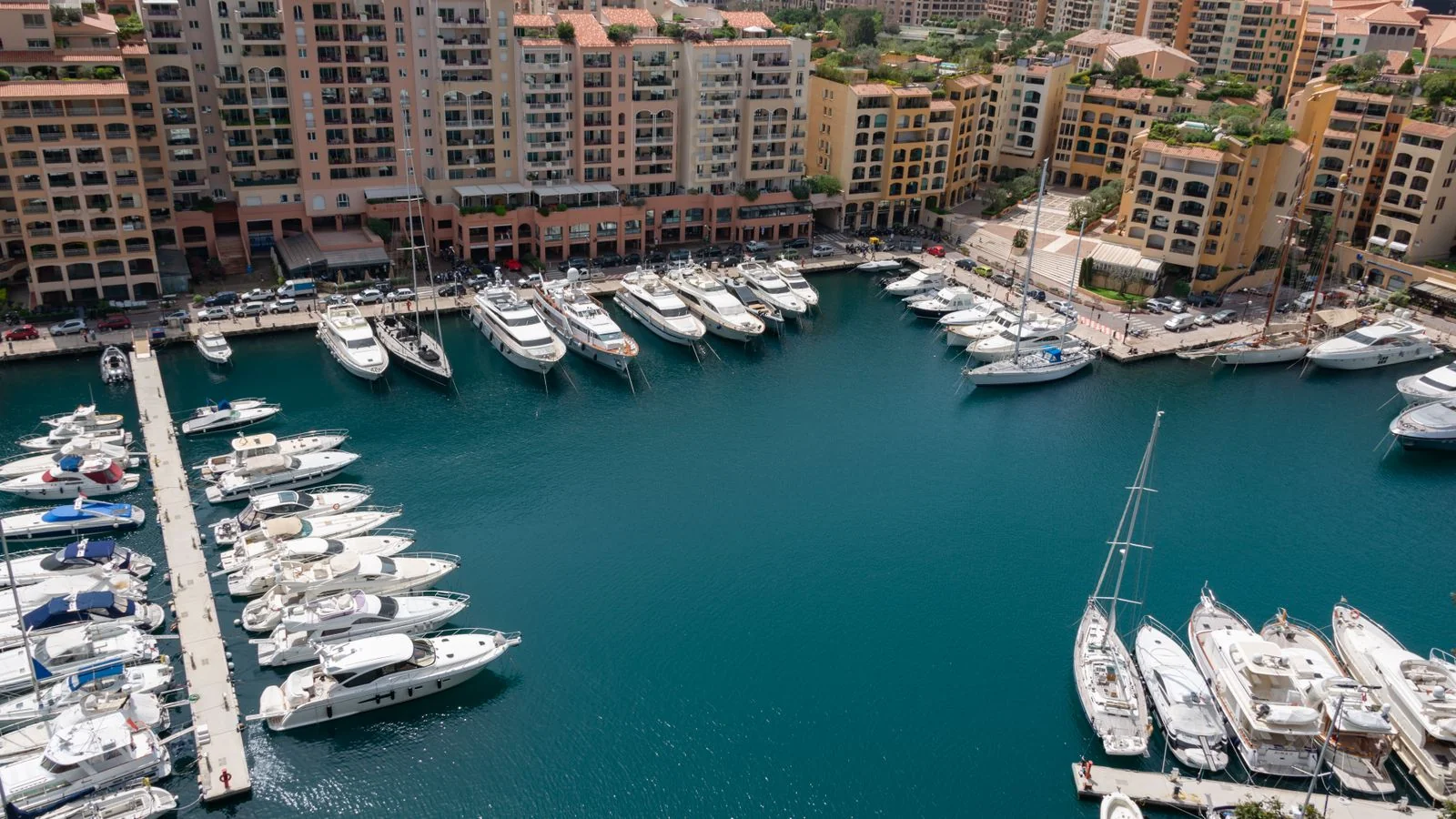
Robb Report has covered luxury for its ultra-affluent audience since 1976, and it now sits inside Penske Media Corporation alongside titles like Rolling Stone and Variety. Its coverage spans cars, yachts, private aviation, watches, jewelry, fashion, real estate, travel, wine and spirits, food, art and design. The reader is someone who already owns most of what a typical luxury brand sells. They do not need to be told a car is fast or a hotel is beautiful. They have driven fast cars and stayed in beautiful hotels.
That changes everything about the pitch. The question a Robb Report reader brings to a story is not “is this nice?” It is “is this different from what I already have, and can I get it?” Price is not the barrier. Access is. Information is. Knowing about something before peers do is part of the value.
So your pitch has to answer three things in its first lines. What makes this rare? Who made it, and why does their hand matter? And how does a reader get one, or get in? A pitch that answers those three is already ahead of most of the inbox.
The Rarity Ladder
We use a simple framework called the Rarity Ladder to judge whether a luxury story has Robb Report potential before we spend time writing a pitch. It has four rungs, and a story needs to reach at least the third.
Rung one is price. Something is expensive. This is the bottom rung, and on its own it is worthless to a luxury editor. Expensive things arrive in the inbox every hour.
Rung two is quality. Something is expensive and well made. Better, but still common. Most brands pitching Robb Report sit here and stop.
Rung three is scarcity with a reason. Something is limited, and the limit comes from a real constraint: a craftsman can only make 12 a year, a vineyard parcel produced 300 bottles, a shipyard builds two hulls of this size per decade. Invented scarcity (“limited edition of 5,000”) does not count. Editors can tell the difference.
Rung four is access. The story gives readers a way in that did not exist before: a private tasting, a factory visit, a first allocation, a bespoke commission program opening to new clients. Rung four stories are the ones editors chase, because they make the magazine feel like an insider’s channel.
If your story stalls at rung two, do not pitch yet. Find the constraint or the access point first. Almost every serious luxury brand has one; it is often buried in the founder’s backstory or the production process.
Five angles editors buy
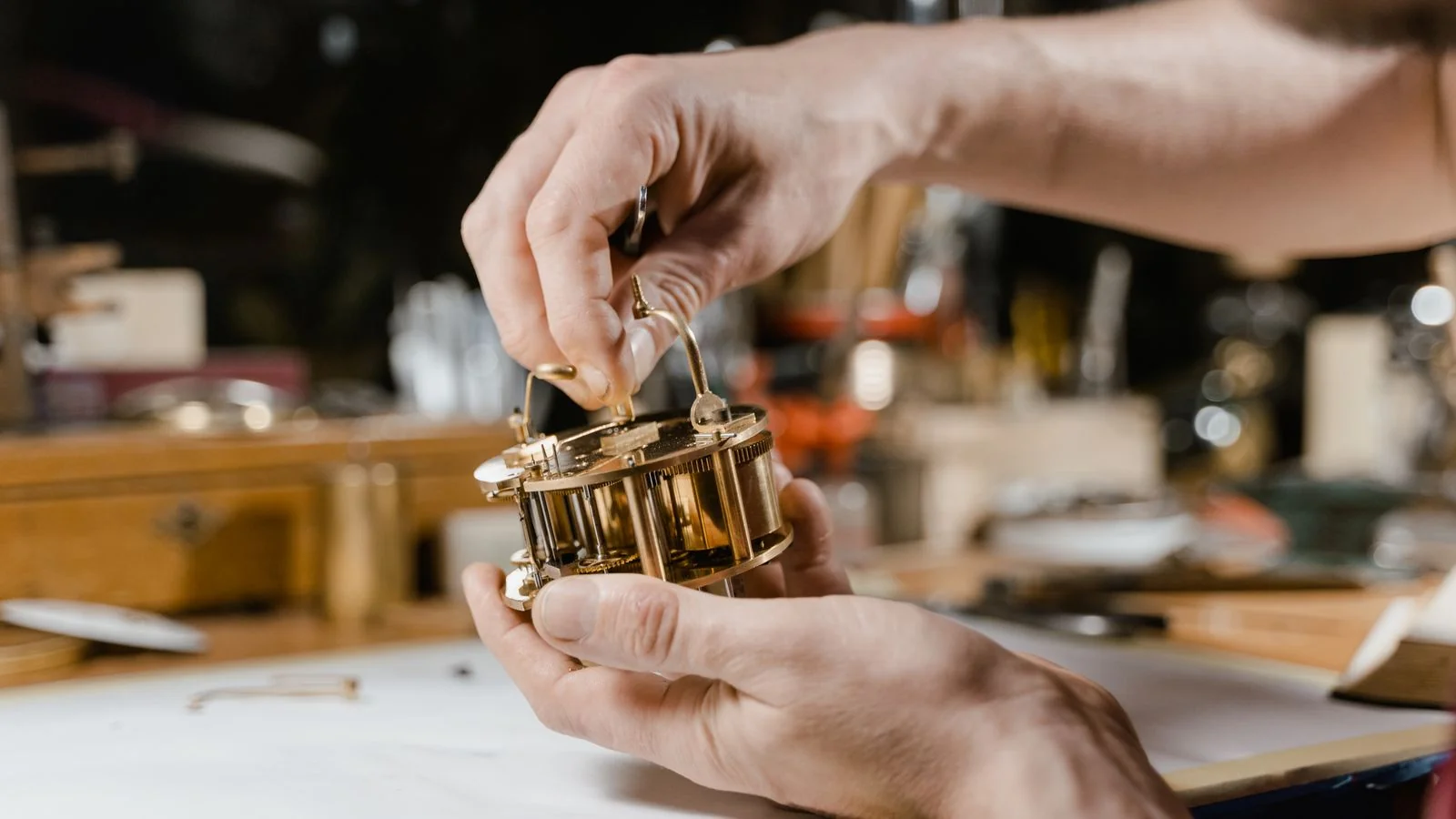
The first angle is the maker profile. A story about a person who has spent decades mastering one craft, whether a bootmaker, an engraver, a coachbuilder or a distiller. The product is the end of the story, not the start. Pitch the person.
The second is the first look. Robb Report readers want to see things before anyone else. A first look at a new yacht design, a new hotel before opening, a car before its public debut. Offer an exclusive window, and honor it.
The third is the bespoke program. Many luxury brands offer custom commissions that most buyers never hear about. A story that explains how a client can commission a one-off piece, with real examples and real lead times, is pure rung-four access.
The fourth is the annual franchise. Robb Report runs recurring packages, including its long-running Best of the Best issue, its car of the year coverage and its Ultimate Gift Guide. These packages need dozens of entries every year. Learn which franchise your product fits and pitch it on that franchise’s calendar, months in advance.
The fifth is the destination. Travel coverage favors places with a story that is hard to replicate: a lodge reachable only by floatplane, a restored palazzo with twelve rooms, a chef cooking for one table a night. Hotels that pitch amenities (“spa, pool, rooftop bar”) lose to hotels that pitch an experience no other property can claim.
A useful exercise before choosing an angle: write one sentence for each of the five and see which is strongest. A Napa winery might try “a winemaker who has farmed the same eight acres since 1979” (maker), “the first tasting of a wine that will not be released until 2028” (first look), “a private blending session where clients make one barrel of their own” (bespoke), “a $400 bottle for the gift guide” (franchise) and “a four-room inn on the estate, open to buyers only” (destination). The bespoke and destination angles reach rung four of the Rarity Ladder. The gift guide angle sits at rung one. That ranking tells you which pitch to write first, and which editor to send it to.
Write the pitch like a curator
Keep it short. Four paragraphs, under 250 words. The subject line names the rare thing, not the brand: “Twelve hand-engraved dials a year from one workshop in the Vallée de Joux” will get opened ahead of “Introducing the new Aurelius Collection.”
Paragraph one: the rare thing and why it is rare, in two sentences. Paragraph two: the person behind it, with one specific detail that makes them real, such as years at the bench, a past commission or an unusual technique. Paragraph three: the access, meaning how a reader can buy, visit or commission, with price and availability stated in full. Paragraph four: what you can offer the editor, such as an exclusive, an interview, a visit or a sample loan, plus a link to print-ready images.
Cut every adjective a competitor could also use. “Exquisite,” “iconic,” “unparalleled” and “timeless” signal that the writer had nothing specific to say. Replace each with a fact. Instead of “exquisite craftsmanship,” write “each case takes 60 hours to finish by hand.”
Here is what that looks like in practice, using an invented bootmaker. Subject line: “One cobbler, 40 pairs a year, and a waiting list that just reopened.” Body: “Hi Claire, Matteo Rinaldi has made bespoke shoes by hand in the same Florence workshop since 1987, and he caps output at 40 pairs a year because he lasts every pair himself. For the first time since 2022 his commission list is open to new clients, with fittings in Florence or during his two annual trips to New York. Pairs start at $6,800 and take about nine months. I can arrange a fitting for you or a writer in New York on March 14, and print-ready workshop photography is linked below.” That pitch climbs every rung of the Rarity Ladder in under 100 words. It names the constraint, the person, the access and the offer, and it gives the editor a date.
Find the right editor. Robb Report has section editors for watches, cars, travel, style, food and drink, real estate and more. Read their last few months of stories and pitch the person whose beat fits. A watch pitch sent to the travel editor wastes two inboxes.
Timing, photography and samples
Print features are planned months ahead. Pitch print ideas four to six months before publication, and earlier for the big annual issues. Digital moves faster, so a launch with a firm date can be pitched two to four weeks out with an embargo.
Photography is not optional. Robb Report is a visual magazine, and editors judge a product in part on whether it will look right on the page. Supply high-resolution lifestyle images and detail shots, not just catalog cutouts. If your images are weak, fix that before you pitch.
For products editors can test, like watches, spirits, pens or gear, be ready to loan a sample and pay for insured shipping both ways. For travel, be ready to host. Editorial integrity rules vary, so let the editor set the terms.
After the story runs
Getting featured in Robb Report once is good. Turning one feature into a relationship is better, and most brands waste the moment.
Start with a short thank-you note to the editor, sent the day the story appears, with no new pitch attached. Editors remember who treated them as people. Then share the story through your own channels with a clean link and credit to the writer. Do not reprint the full text on your site; link to it and quote a line or two.
Next, put the feature to work. A Robb Report mention carries weight with the exact buyers luxury brands want, so add it to sales decks, private client emails and the press page of your site. Brands that sell through dealers or boutiques should send the link to every retail partner, since floor staff use coverage to close sales.
Then plan the next story, but not too soon. Six months later, when you have a new rung-three or rung-four development, such as a new commission program, a new location or a limited release with a real constraint, go back to the same editor first. Reference the earlier piece in one line and lead with what is new. A brand that returns with a better story every season becomes a source the editor relies on.
What not to send
Do not send a press release as the pitch. Send a personal note and attach or link the release. Do not send the same pitch to five editors at once; it signals you did not read the masthead. Do not offer payment for editorial coverage. Robb Report sells advertising and branded content through its commercial team, and confusing the two will end the conversation.
And do not pitch something that sits at rung two of the Rarity Ladder. If you cannot name the constraint or the access point, the story is not ready. Go find it, because the brands that land in Robb Report next year are the ones doing that homework this winter.