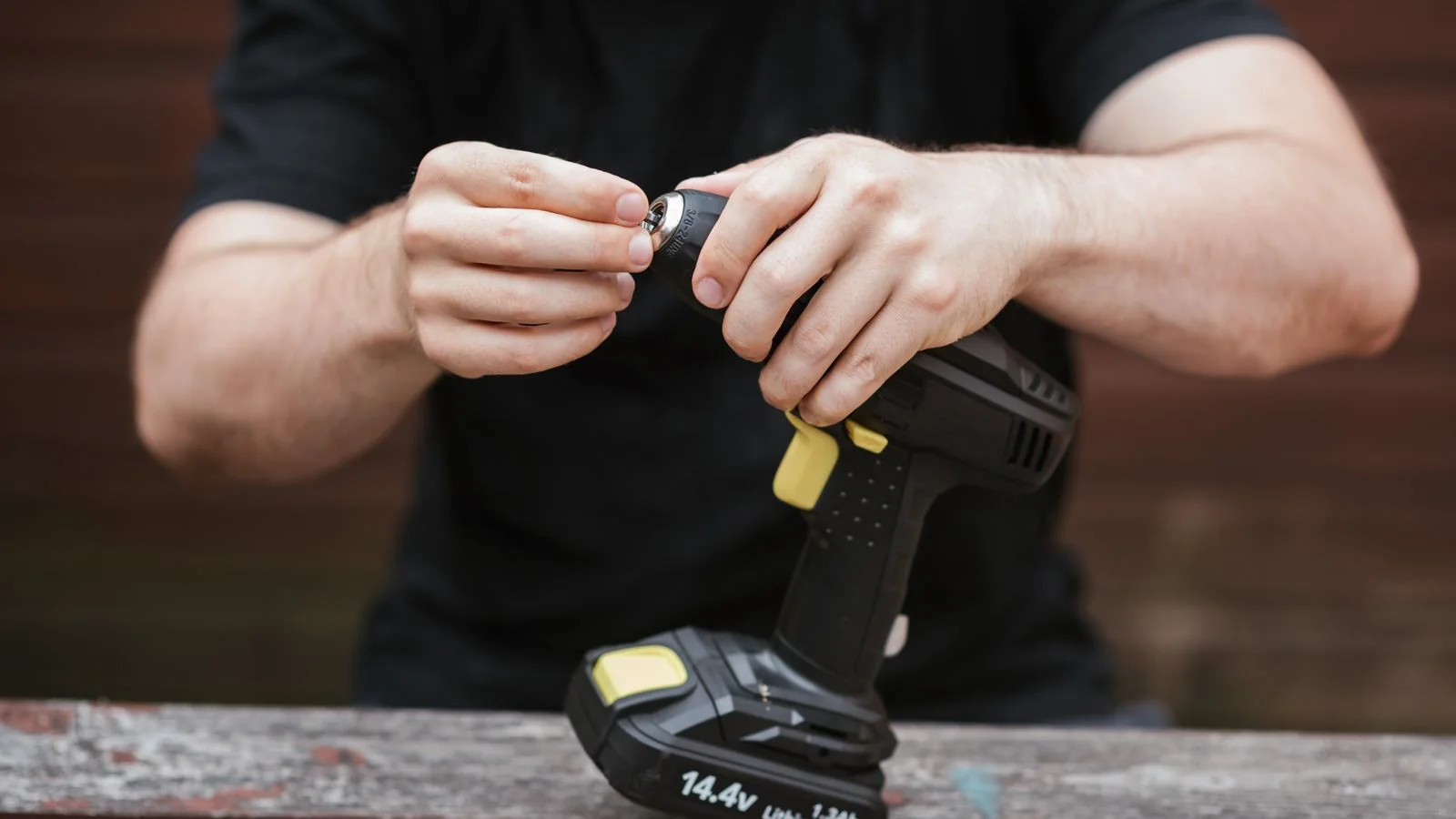
It is Tuesday afternoon and your engineering lead has just dropped a video in Slack. The new cordless tool your company spent two years building drove a lag bolt into wet oak faster than the market leader, three runs out of three, on a test rig she built herself. Your CEO watches it twice and types one line: “Can we get this into Popular Mechanics?” You have a press release half written, a launch date in eight weeks, and no idea who reads pitches at a magazine that has been around since 1902.
Here is the honest answer. You can, but not with the press release. Popular Mechanics is built around testing things, explaining how things work, and telling stories about machines. The version of your news that fits is the video, the rig and the numbers, not the quote from your CEO. The rest of this guide shows you how to get featured in Popular Mechanics by giving its editors the raw material they use.
Popular Mechanics is a Hearst enthusiast title with a test bench in Pennsylvania

Henry Haven Windsor founded Popular Mechanics in Chicago, with the first issue dated January 11, 1902. Hearst bought it in 1958 and still owns it. In 2020 the magazine moved to Easton, Pennsylvania, alongside Bicycling and Runner’s World, the titles that make up the Hearst Enthusiast Group. Easton is also home to the Test Zone, the testing facility where a lot of the magazine’s hands-on product work happens.
Print is still alive here, which separates Popular Mechanics from a lot of its old rivals. The magazine publishes six print issues a year, down from twelve before 2013, when the US edition first cut to ten. Its digital reach is far larger than its print run, and its stories also travel beyond popularmechanics.com: Hearst syndicates pieces such as its annual Gear of the Year roundup to AOL and Yahoo, where the disclosure notes that “Hearst Magazines and Yahoo may earn commission” on some links. One placement can show up in several places.
The website moves fast and covers a wide spread. Over a single week in March 2026, the site ran buying guides for laser levels, plastic sheds, humidifiers, robot lawn mowers and water-leak detectors, a review of a space heater, explainers on why pilot holes still matter and why solar panels produce less than their rated wattage, science stories on a bacterium that survives simulated asteroid-impact pressures and lab-grown brain tissue solving a balancing problem, a piece on a revived Edison-era nickel-iron battery, and history stories on a Cold War spy satellite program and the 1980 Titan II missile silo accident caused by a dropped socket.
Home and tool content made up the biggest share of the week. Consumer tech came next, then science and military history. Cars were nearly absent that week, despite the brand’s automotive heritage.
Run your story through the Wrench Test
The Wrench Test is the framework I use to decide whether a story belongs in Popular Mechanics before anyone writes a pitch. It has four checks, and a story needs to pass at least three of them.
The first check is Mechanism. Can you explain how the thing works in a way that teaches the reader something? Popular Mechanics readers want the why behind the what. A new drill is a product. A new drill with a brushless motor design that changes how torque is delivered is a story.
The second check is Measurement. Is there a number an editor could verify, ideally by testing it? Runtime, torque, decibels, cycle life, weight, temperature. The magazine’s own testers time mowers across a 4.5-acre plot and measure fan airflow at three speeds. If your claim cannot survive that kind of attention, it is not ready.
The third check is Milestone. Is this a first, a record or a reversal? A past Hearst call for military freelancers asked for “big firsts” and technology that focused on what is possible rather than what is practical. That tells you the appetite: the magazine likes the frontier.
The fourth check is Maker. Can a reader do something with this? Fix a thing, build a thing, buy better, understand a risk in their own home or car. The pilot-hole explainer and the solar wattage piece both pass this check with no product launch attached.
Run your Tuesday video through it, the first step in how to get featured in Popular Mechanics on your terms. Mechanism: yes, if your engineer can explain why the motor wins. Measurement: yes, three runs on a rig. Milestone: maybe, if it truly outperforms the category leader. Maker: weak on its own, stronger if you can say what job a homeowner finishes faster. That is three solid passes. You have a pitch. A funding round with no product in hand passes zero, and that is why those emails die.
Which Popular Mechanics desk fits your story?
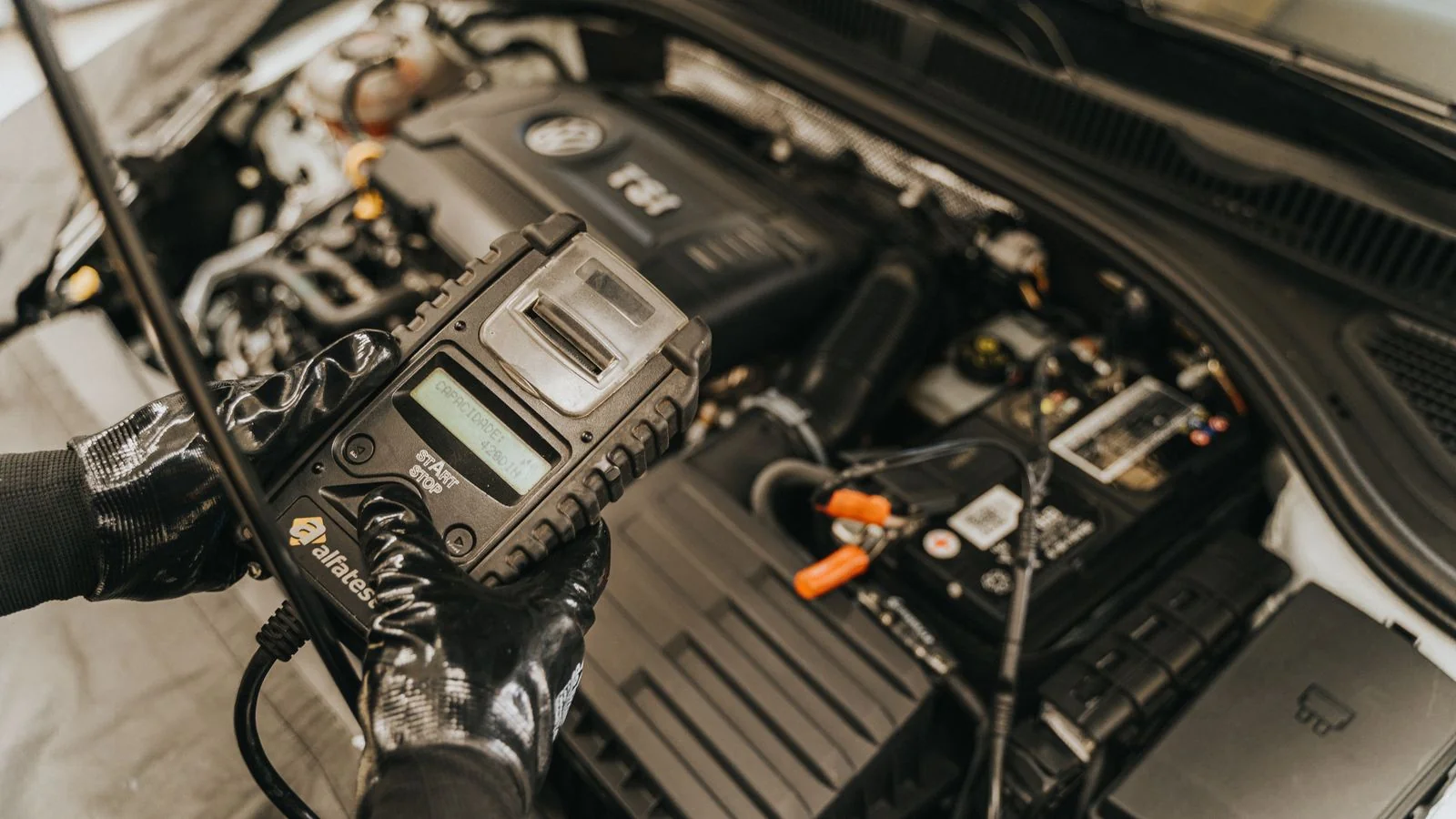
I could not find a dedicated public pitch inbox for Popular Mechanics the way some titles post one, so your job is to find the editor or writer who covers your area. The bylines on recent stories in your category are the best guide, followed by the masthead. A Hearst job posting described the magazine’s coverage as automotive, DIY, science, technology and outdoor topics, and the site’s real output clusters into four desks you can aim at.
Tools, home and outdoor
This is the biggest desk by volume, and the one most product companies should target. Buying guides, reviews, how-to explainers and awards all live here. The pitch here is almost always a product to test, which the next section covers in detail.
Science, energy and space
The science coverage leans toward stories with a strong central idea: a physics result, an extremophile, an old battery chemistry revived. A 2022 Hearst posting for a physics contributor pointed to stories about the universe changing its own physical laws and an “anti-universe” running backward in time as the kind of work it admired. If you have research, pitch the idea first and the company second.
Military and history
A 2024 Hearst posting for a military and defense freelancer spelled out the preferences: stealth technology, emerging tech for submarines, fighters, aircraft carriers and tanks, military technology from rivals such as Russia and China, and retellings of significant military history. It asked for original ideas, said the technology or machine should lead the story rather than strategy, and ruled out daily news on the wars in the Middle East and Ukraine. If you are a defense or aerospace company, notice what that means: the machine is the protagonist, and your executives are supporting characters.
Consumer tech
Phones, game consoles, headphones, printers and smart home gadgets show up often, usually as comparisons and buying advice. Here you compete with every tech outlet, so the angle that works is the practical one: what a reader should buy and why.
Those postings are a few years old, so read them for taste, not as current contacts or rates.
Tools and gear get tested, not announced
If you make physical products, the most valuable real estate Popular Mechanics offers is earned on a bench, not in an inbox. Two annual franchises show how seriously the magazine takes this.
The Tool Awards are the first. According to a 2025 release from Craftsman, which won two of them, the editorial team “thoroughly evaluates hundreds of the latest and greatest tools” each year, and in 2025 the honor went to 30 products. Manufacturers who win announce it in their own press materials, which tells you what the badge is worth to buyers.
Gear of the Year is the second, and the testing descriptions are worth studying because they show the standard your product will be held to. The testers say they spent the past year using the products in real projects. A mower was timed on a 4.5-acre test area with runtime checked over several sessions. Security cameras ran for over two months in a wooded area while testers watched battery levels. Work boots were worn nearly every day for more than six months. Drill bits were run through steel of various gauges with both an impact driver and a cordless drill.
Nobody at Popular Mechanics is going to publish your spec sheet. They are going to put the thing in a real job and see if it holds up for months. So the pitch is less about persuasion and more about logistics: get a production unit (never a prototype that behaves differently) into the right tester’s hands with enough lead time for long-term use.
Lead time matters most. A tool that arrives a week before an awards decision cannot be worn in for six months. If you want to be considered for a year-end roundup, the unit needs to be in testing long before that roundup is written. Send the unit early, with the specs, the price, the on-sale date, replacement part availability, and one engineer the tester can call with a technical question.
Then accept the risk. A bench finds problems, and the brands that last with Popular Mechanics treat a critical note as feedback for the next version, not a reason to stop sending units.
What does a pitch that passes look like?
Go back to the Tuesday video. Here is how that becomes a pitch an editor can use.
The subject line names the result, not the company: a cordless driver that beat the category leader on a lag-bolt test in wet oak, plus the launch date. The first two sentences explain the mechanism in plain words, the motor or gearing change that produces the result. The third sentence gives the measurement and how it was taken, with a link to the raw video and the rig setup so the editor can see you are not hiding anything. The fourth offers a production unit for independent testing and states when it can ship. The fifth names the engineer who built the rig and can walk a tester through it.
Five sentences. No adjectives about disruption, no CEO quote, no 900-word release attached.
Send it to the person whose byline appears on your product category, not to a general address and not to every editor on the masthead at once. If you hear nothing after ten business days, send one follow-up with new information, such as a second test result, a retailer confirmation or a firm ship date. If there is still no reply, the timing or the desk was wrong, and you can try again with your next product or your next real result.
For research-led companies, lead with the finding and the mechanism, name an independent expert who can comment, and include the paper or data. For defense and aerospace, lead with the machine and what it makes possible. For consumer tech, lead with the decision a reader faces and how your product changes it.
Every version of a successful pitch shares one trait: it hands the editor something to test, explain or measure. That is how to get featured in Popular Mechanics in 2026, and it is the same instinct that has kept the magazine going for 124 years. Readers trust it because it checks.
At Instant Press we spend a lot of time helping founders turn launches into this kind of evidence-first story. The Wrench Test is the quickest way to see where you stand. So run it on your own launch right now: which of the four checks does your story pass today, and what would you need to build, measure or explain to pass the one it fails?