
What would happen to your recipe, or your skillet, or your new frozen dumpling, if a stranger cooked with it in a cramped apartment kitchen using a different brand of salt than you did? That is the question The Kitchn asks about everything it publishes, and it is the question most brands never ask before they pitch.
The Kitchn has been around since 2005 and reaches a global monthly audience of about 29 million people, including 4.5 million members, according to its own About page. It sits inside Apartment Therapy Media alongside Apartment Therapy, Cubby and Dorm Therapy, and it calls itself the top independently owned food site in the U.S. That independence shows up in how it works: tested recipes, products lived with for months, and an editorial team that writes for a home cook standing at a stove after work.
So the answer to how to get featured on The Kitchn is less about clever subject lines and more about whether your story survives the same scrutiny the editors apply to their own food. This guide breaks that scrutiny into four checks, then tells you exactly where to send the pitch.
How The Kitchn tests a recipe before it runs

The Kitchn publishes its process in public, which is a gift to anyone pitching it. A June 2026 explainer on the site walks through it step by step. Once a recipe concept is approved, the food team writes and tests it in their home kitchens. Even when a recipe works on the first try, they cook it at least once more. Then it gets edited and handed to a cross tester, whose job is to follow the recipe exactly as written in their own kitchen.
That cross tester keeps meticulous notes. They record real prep and cook times, weigh volumes of ingredients (the chopped onion, the finished sauce, the frosting), and write down the brand names they used. The team switches brands on purpose during the cross-test so a recipe works no matter which kosher salt you own. The About page adds a detail that tells you how far this goes: the team cooks through recipes with two types of salt to land on the right amount. The site even publishes the cross-test photos inside recipes, bad lighting and all.
Finished recipes get styled in the New York studio by on-staff culinary producers and shot by a staff photographer. The site names the people doing that work on the same explainer page.
Products go through a parallel process. The commerce guidelines say editors bring products into their own homes and test them “for weeks and even months at a time to see how well they live up to their claims.” Some reviews run head to head on price, ease of use and durability. Others compare a new product to a favorite the writer already trusts. One shopping writer, Micki Wagner, opened a May 2026 roundup by noting she had tested 303 kitchen products since 2022.
The lesson for you: The Kitchn is a testing operation with a publishing arm attached. Anything you pitch will be cooked, used, weighed or compared. Write the pitch for the tester, not the marketer.
Run the Cross-Test Pitch Check on yourself
I use a simple framework for food outlets that test everything, and The Kitchn is the clearest case for it. I call it the Cross-Test Pitch Check. It borrows the logic of The Kitchn’s own cross tester and turns it on your pitch before an editor ever sees it. There are four checks, and a pitch needs to pass all four.
Check 1: Reproducible. Could a stranger get your result in a normal home kitchen with normal equipment? A recipe that needs a combi oven, or a gadget that only shines with a commercial outlet, fails here. If your product needs a specific setup, say so in the pitch and explain why a home cook would still bother.
Check 2: Grocery-real. The Kitchn lists ingredients the way you find them in the store and tries to use up the whole package to cut food waste. Its editors avoid calling for three-quarters of a box of pasta or half a can of pumpkin. If your story asks the reader to buy a $40 specialty ingredient for one tablespoon, you are pitching against the house style. Frame your product as something that earns a permanent spot in the pantry or fridge.
Check 3: Brand-swap proof. The cross-test changes brands on purpose. Your claim should survive that. A sauce brand pitching a recipe should show the recipe works with the sauce and still tastes good, and explain the specific difference the product makes. A cookware brand should say what the pan does better than the one the reader already owns, in a sentence a tester could verify.
Check 4: Photo-honest. The Kitchn publishes cross-test photos taken in ordinary kitchens. That means it values food that looks good in real light, cooked by a real person. If the only flattering image of your dish took a stylist six hours, expect it to fall apart in testing.
| Check | The question an editor will ask | Fails when |
|---|---|---|
| Reproducible | Can a home cook get this result? | It needs pro equipment or perfect conditions |
| Grocery-real | Can I buy this at a normal store and use all of it? | It needs a rare ingredient or leaves half a package |
| Brand-swap proof | Does the claim hold against what readers already own? | The benefit disappears under a fair comparison |
| Photo-honest | Will this look good in a reader’s kitchen? | It only looks good after heavy styling |
Run every story idea through the table before you write a word. Most pitches fail on Check 3, because founders describe their product without ever naming what it beats.
Here is what the checks look like on a concrete example. Say you make a ceramic nonstick pan. A pitch that reads “our pan is the best nonstick on the market” fails Check 3 on sight, because The Kitchn’s own shopping team has tested dozens of nonstick pieces and has favorites. A pitch that reads “our 10-inch pan held a nonstick surface through 400 egg tests in our lab, here is the protocol, and we would like you to run your own” passes. It names a measurable claim, it invites the comparison instead of dodging it, and it respects that the editor will decide. That framing is the heart of how to get featured on The Kitchn as a product brand.
What should you send besides the email?
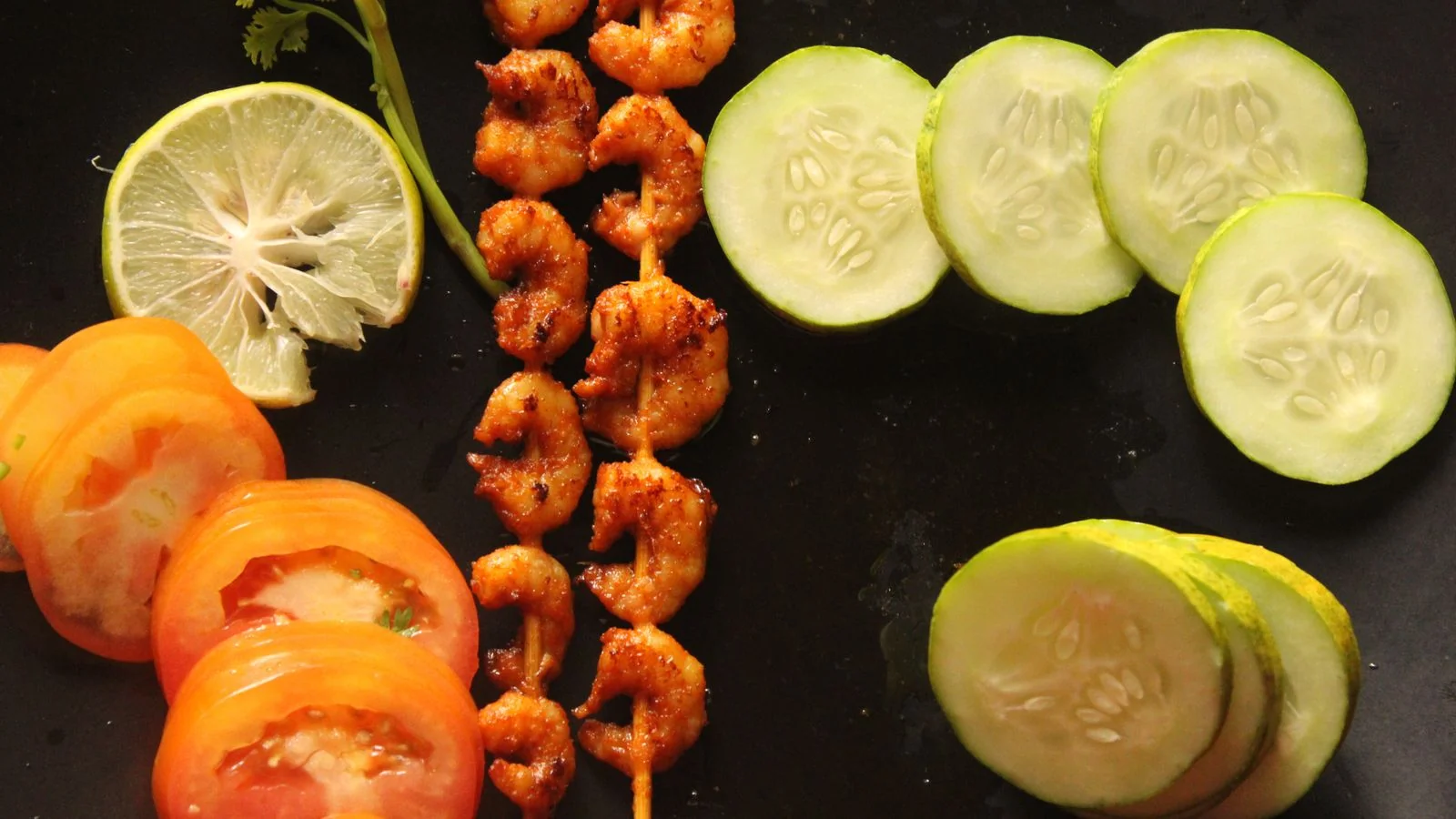
The Kitchn shoots its own recipe photography in its studio, so do not expect your images to run as the lead photo on a recipe. Your assets have a different job. They help an editor decide fast whether the story is worth testing.
Send three things, linked from the email instead of attached. First, two or three clean images of the product or dish in a real kitchen, shot in daylight, plus one of the packaging so the editor knows what to look for in a store. Second, a one-page fact sheet with price, retail availability (which chains, which regions, online or not), launch date, ingredients or materials, and the founder’s credentials. A grocery editor cannot recommend a frozen meal readers cannot find, so availability is not a footnote. Third, an offer to ship a sample, with a note that you expect a fair test and no guaranteed outcome. The commerce guidelines are blunt on this point: The Kitchn never accepts a product in exchange for coverage or a positive review, and it will not recommend something its editors do not stand behind.
If your pitch is a recipe idea, include your own cross-test. Note the times, the weights and the brands you used, then say what you changed after a second round. You are showing the editor you already think the way the food team thinks.
Fit the assets to a real section. The Kitchn’s site menu includes grocery coverage by retailer (Costco, Aldi and Trader Joe’s each get their own hub), Grocery Reviews, Grocery Diaries, budget and shopping tips, organizing and storage, cleaning, The Gift List and the Kitchn Essentials series. A Trader Joe’s-adjacent snack belongs in a grocery story. A storage product belongs in organizing. Name the section in your email. If you need a template for the fact sheet, our guide on how to create a press kit covers the format.
Send it to the right inbox this week
The Kitchn makes its routing clear. The About page lists editorial@thekitchn.com for pitches and introductions. The Contact page sends requests to book an editor as a TV, panel or podcast expert to a separate press team, routes advertising and partnerships to their own form, and lists info@thekitchn.com for everything else. Sponsored content and editorial coverage are different departments. If you want guaranteed placement, that is advertising. If you want an editor’s recommendation, it has to be earned.
Freelance writers have a second path. Kitchn editors post open calls for pitches, and the grocery and shopping calls tracked by freelance job boards in 2025 and January 2026 listed rates starting at $150 for a 300-word story. The Grocery Diaries column, which shows how real people spend on food during a week, has paid $150 per diary according to its submissions listings. If you are a founder who writes well, a personal grocery essay or a sharp product review is a credible way in, provided you disclose any interest you hold in what you write about.
Here is the email structure that fits everything above. Subject line: the claim an editor could test, in plain words (“A $9 frozen dumpling that beats takeout in 11 minutes”). First sentence: what is new and where a reader can buy it. Second and third sentences: the comparison that passes Check 3, plus the price and retail footprint. Fourth sentence: the section you think it fits. Close with links to images and the fact sheet, and the sample offer. Keep it under 150 words.
That is the whole method for how to get featured on The Kitchn. It works for other test-driven food outlets too, which we cover in our guides to Serious Eats and Food52.
Your next step: pick one product or recipe, run it through the four checks tonight, and cook it once more in your own kitchen with a different brand of the core ingredient. If it still works, write the 150-word email tomorrow morning and send it to editorial@thekitchn.com before noon.