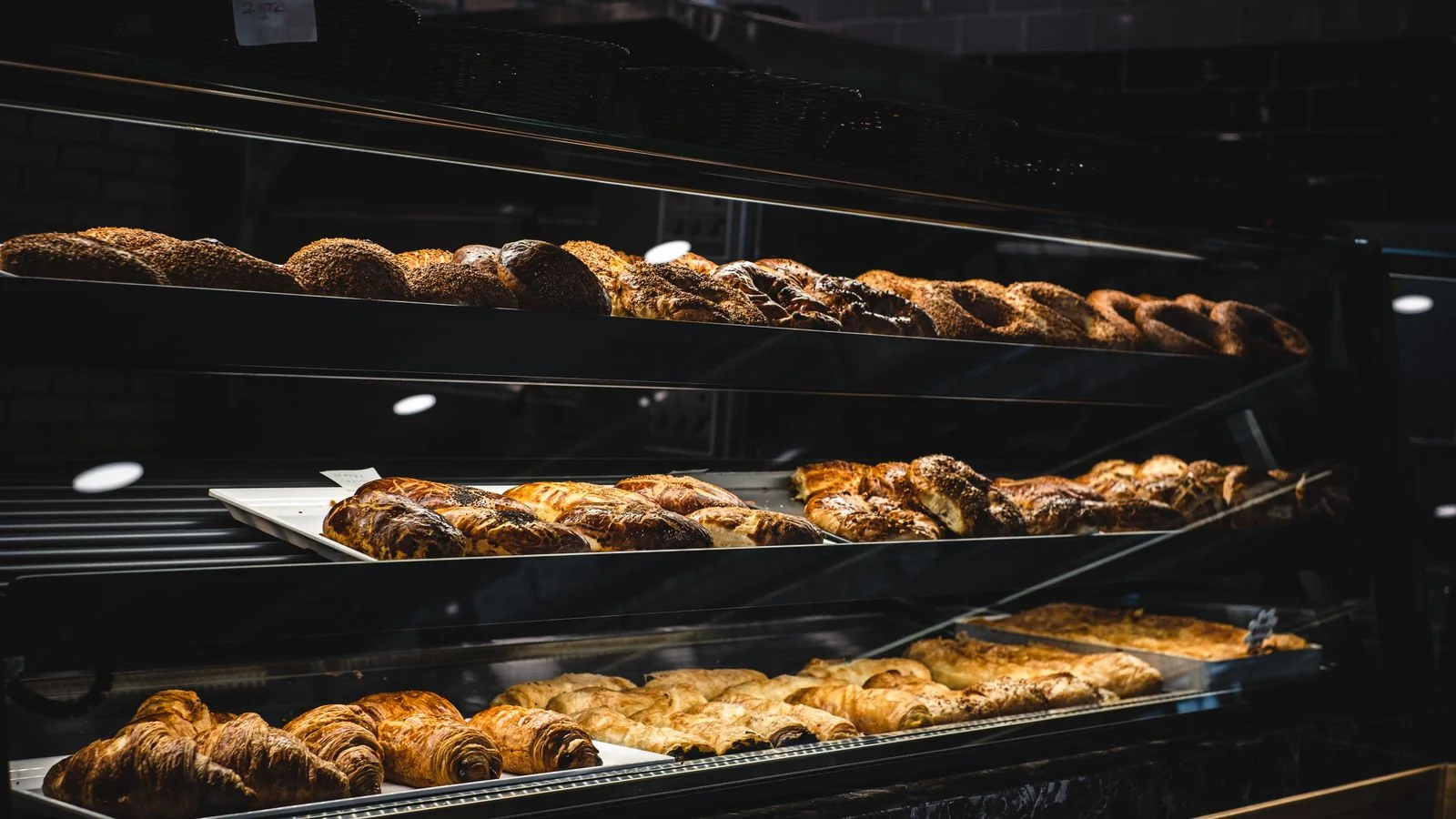
Google’s own documentation on local ranking names three factors: relevance, distance and prominence. Not aesthetics. Not follower count. Not how good the croissants are.
Read that as an operator and something uncomfortable follows. Two of the three are largely outside your control on any given day. Distance is geography. Prominence accrues slowly from reviews, links and mentions. The one you can move this week is relevance, and relevance means whether the words on your pages match what somebody actually typed.
Which is why a bakery with three thousand followers and a feed of beautiful pastry photography can lose every morning to a mediocre cafe two blocks away that wrote down its opening hours, its gluten-free options and the fact that it has power outlets.
The search that actually brings people in

Nobody searches for your bakery. They search for a situation they are in.
Somewhere to work for two hours with a laptop. A birthday cake with three days’ notice. Coffee near a specific train station before eight. A gluten-free option for a friend who will otherwise not come. Somewhere with a high chair. Somewhere open on a Monday, because half the neighbourhood closes. Catering for eleven people on Thursday.
Each of those is a question with a filter attached, and the business that answers the filter in plain text wins the visit. Not the business with the best photographs. The one whose website says, in words, that it opens at seven, has eight tables and free wifi, keeps gluten-free options daily, takes cake orders with seventy two hours’ notice, and sits four minutes from that station.
Call the full list the Neighbourhood Answer Set. It is roughly a dozen questions and it accounts for the overwhelming majority of pre-visit searching in this category: hours by day, exact location and nearest landmark, parking, seating and how much of it, wifi and outlets, dietary and allergen coverage, whether you take custom orders and with what notice, whether you do wholesale or catering, delivery and pickup options, whether children and dogs are welcome, how to pay, and what is actually available today.
Write yours out. Then check how many are answered in text on your own website in under a minute. Most bakeries and cafes answer three or four. The rest live in an Instagram caption from March, in a photograph of a chalkboard, or in the owner’s head.
Own your neighbourhood in words
Geography is the strongest filter in local food search and the one most independent cafes handle worst.
Your site probably names your city. It may name your street. It almost certainly does not name the neighbourhood the way locals say it, the nearby landmarks, the station, the park, the school, the office buildings, or the two adjacent districts people walk from.
That matters because the search is not “bakery Portland.” It is “bakery near Laurelhurst,” or “coffee near the Broadway office towers,” or “somewhere to work near the university.” Those phrases are how people describe where they are, and the business that has written those words down is the business that matches.
This is not keyword stuffing, which is both obvious and counterproductive. It is writing a genuinely useful paragraph about where you are and what is around you, of the kind a person would actually want to read. Which bus stops near you. What the walk from the station is like. Which building you are in the ground floor of. What else is on the block.
Add a short section about who comes and when. Morning commuters until nine, a laptop crowd mid-morning, families at weekends, office lunch orders on weekdays. That paragraph answers a question people genuinely have, which is whether they will be able to sit down, and it happens to be exactly the kind of specific local text that gets picked up when an assistant is asked where to work near somewhere.
Publish the menu as text, not a picture
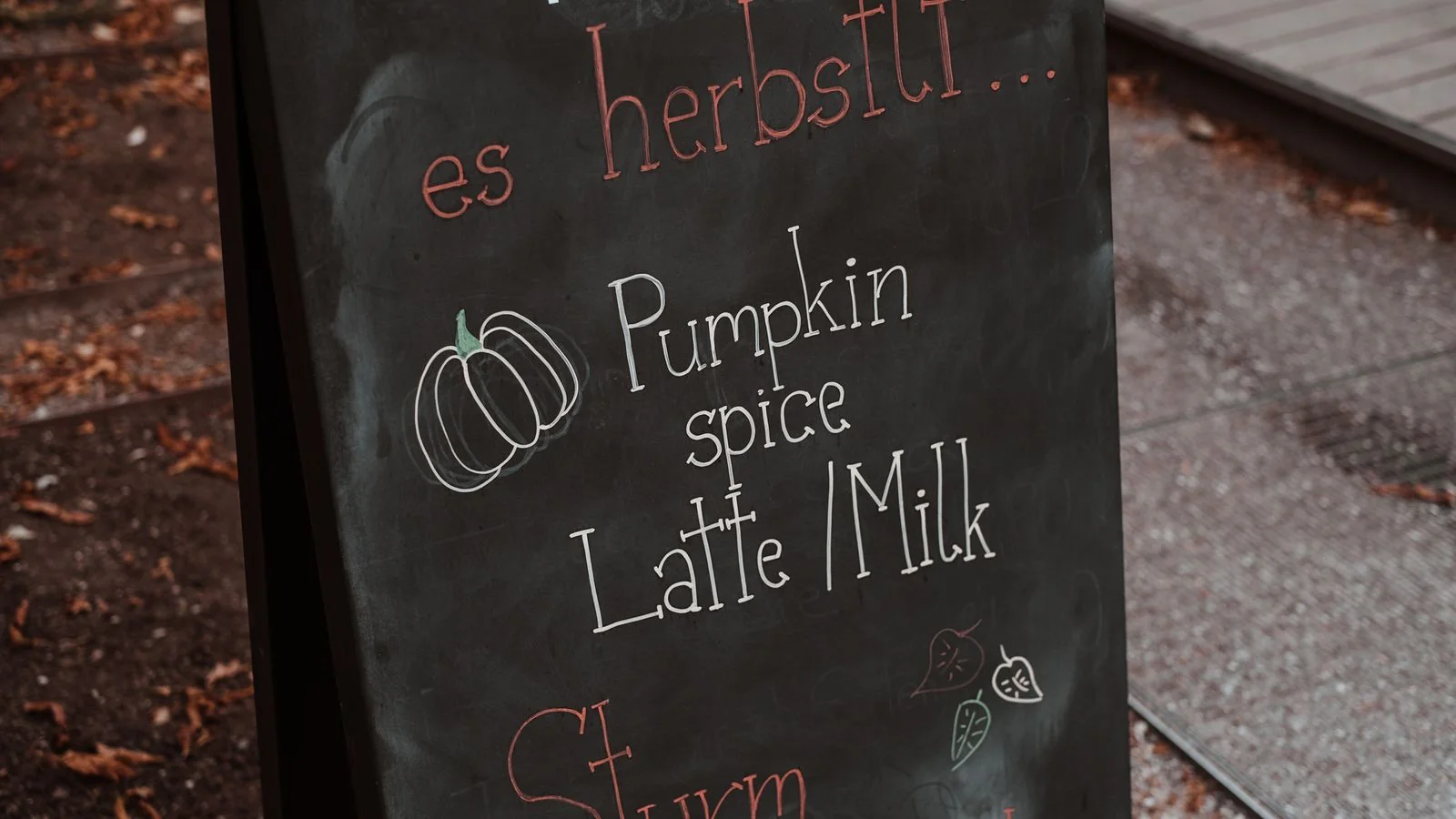
This is the single highest-return item on the list and the one most independents get wrong.
An enormous number of bakery and cafe websites publish the menu as a photograph of a chalkboard, a designed image, or a PDF. All three are invisible to the systems that decide who gets recommended. A crawler cannot read them reliably. A screen reader cannot read the image ones at all, which is an accessibility problem before it is a marketing one. An assistant asked whether you have oat milk or a vegan pastry cannot find out.
Put the menu in the page as text. Item names, short descriptions, prices. Keep the PDF as a download if you like the design, but the text version is the one that does the work.
Then add the dietary layer, because it is the most searched filter in the category and the least answered. Which items are gluten-free, vegan, dairy-free, nut-free. Whether you can guarantee absence of cross-contact or only that an item contains no allergen ingredient, which is an important and legally meaningful distinction. Whether you handle the nine major allergens separately. A family with a coeliac member chooses the bakery that answered this question, every time, and they bring the whole group.
Mark seasonal and daily items as such, and say what is always available. A menu that reads as permanent but is not generates disappointment and reviews about disappointment.
What to post when you have four minutes
Social media advice for food businesses assumes a marketing budget and a person. You have neither, and you are on the floor from five in the morning.
So the standard is four minutes, not a content calendar. Three or four posts a week, shot on a phone, showing what is real.
The single most valuable post you can make is what is in the case today. Not styled. Not filtered. The actual counter at nine in the morning. This converts better than anything else you will post because it reaches a person deciding where to go in the next twenty minutes, which is when food decisions are made.
Second is process. Lamination, shaping, the oven at five, a bake that failed. People watch craft, and the bread and pastry world has a deep well of it. This is also the material that gets shared beyond your followers.
Third is the person. Who works there, who has worked there for six years, a new hire. Cafes and bakeries are neighbourhood businesses and the staff are the product as much as the pastry.
What to stop doing: styled flat lays of a coffee cup next to a book. Quote graphics. Anything that could belong to any cafe in any city. Those posts take longer, cost more, and reach nobody who was going to walk in.
One discipline worth adopting: whatever you post, make sure the same fact exists in text on your website. A social post announcing that you now do gluten-free sourdough on Saturdays reaches your existing followers once. The same sentence on your menu page gets found by strangers for years.
Turn your regulars into the content
Your customers produce more usable material than you do, and most of it is being wasted.
Reviews are the obvious one and they are content as much as reputation. Ask for them in person, at the moment somebody has just said something nice out loud. Train the counter staff to hear that moment. Never offer anything in exchange, because incentivised reviews breach platform rules and in many places breach consumer law.
Photographs are the second. People photograph pastry constantly. Ask permission, reshare, credit. This costs nothing and produces a stream of authentic images you did not have to make.
The third is the question stream. Every day people ask your counter staff the same things. Do you have oat milk. Can I order a cake for Saturday. Do you have anything without nuts. Are you open Monday. Is there anywhere to plug in. Do you do office catering.
Keep a notebook by the register for two weeks and write down every repeated question. That list is your content plan, written by your actual customers, and every question on it becomes a sentence or a page. This is the most reliable content research method available to a small food business and it takes no budget at all.
The wholesale and catering pages you are missing
Almost every independent bakery and cafe leaves its highest-margin channel undocumented.
Corporate catering, office coffee accounts, wholesale to restaurants and other cafes, event orders, wedding and celebration cakes. These orders are larger, more predictable and more profitable than walk-in trade, and the people placing them are researching online with a deadline.
That buyer is an office manager who needs breakfast for fourteen on Thursday, or a restaurant owner looking for a bread supplier, or someone planning a wedding eight months out. None of them will call five bakeries to ask basic questions. They will shortlist from whoever published terms.
So publish terms. Lead time. Minimum order. Delivery radius and whether you deliver or they collect. Price bands at three sizes. Allergen handling for group orders. How to order and how far ahead. Whether you can invoice a company.
Add the questions specific to each. Wedding cake buyers want to know about tastings, deposits, delivery and setup, and how far in advance to book. Wholesale buyers want lead time, consistency, delivery days and whether you can scale. Each of those is a page, each takes an hour, and each one is read by people with real budgets and real deadlines.
A week that works
Here is the shape of a sustainable programme for a business with no marketing person.
Sunday evening, fifteen minutes: check your hours are right everywhere for the week ahead, including any holiday changes. Wrong hours are the most common and most damaging error in this category.
Three mornings, four minutes each: a photograph of the case, or the bake, or a person, posted as it is.
Once a week, twenty minutes: answer one question from the register notebook properly, as text, on your website. Over a year that produces fifty pages, each answering something a real customer actually asked.
Once a month, twenty minutes: read your recent reviews, respond to the ones that need it, and note any recurring complaint. Then ask an assistant where somebody should get coffee or pastry in your neighbourhood and see whether you are named and whether what it says is true.
Once a quarter, an hour: update the menu text, check the dietary information is still accurate, and refresh the catering and wholesale terms.
That is roughly two hours a month and it beats a photography budget. The bakeries that do well over the next few years will not be the ones with the best feed. They will be the ones whose answers to a dozen ordinary questions were written down in plain words, where both a neighbour and a machine could find them.