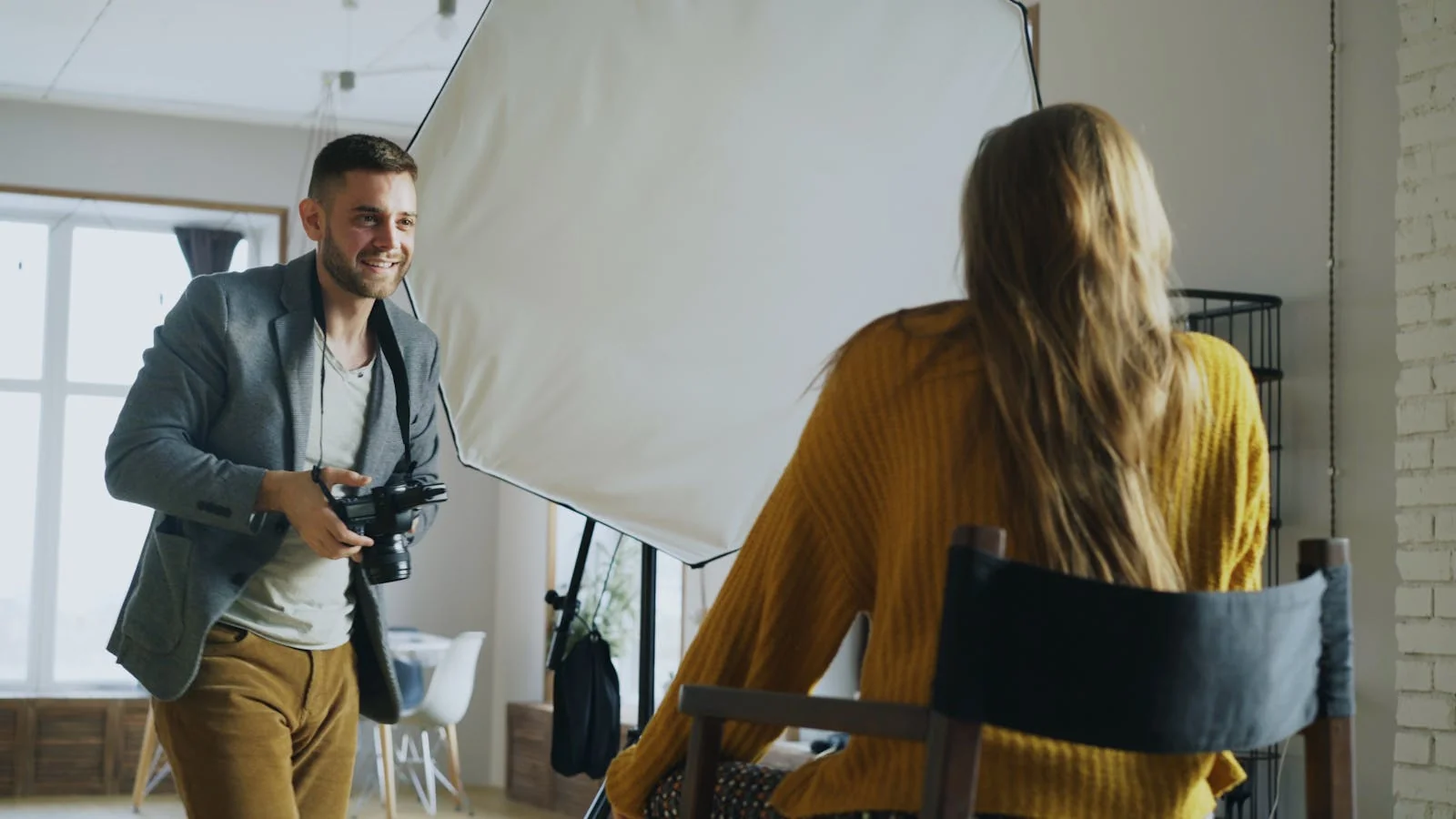
The photographers winning AI-driven bookings are not the ones with the strongest Instagram aesthetic. They are the ones whose websites read like organized portfolios to a machine. This sounds insulting until you realize the engines making recommendations cannot see your color grading, your composition, or your taste. They are reading prose, structure, and citation patterns the way a librarian reads a card catalog. The portfolios that win are the ones that catalog themselves correctly.
Five moves separate the photographers AI engines name from the ones it skips. None of them require shooting differently. All of them require restructuring how the work is described and where the descriptions live.
Why photographer SEO advice is wrong for AEO
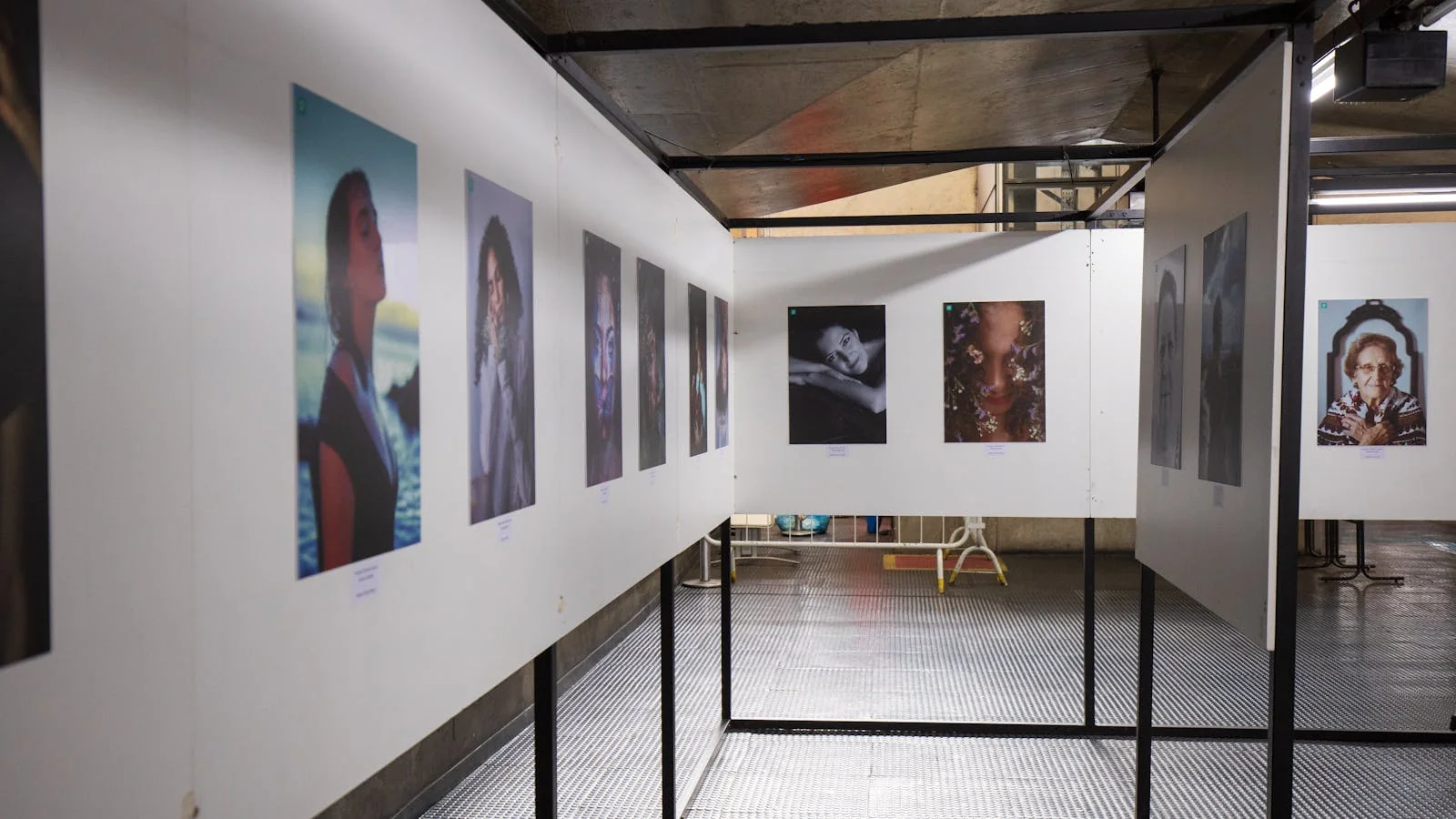
Photographer SEO advice from 2018 said to write blog posts about every wedding, name the venue, name the couple, embed 40 images, and rank in Google for “Driftwood wedding photographer.” That advice produced a tail of long-tail traffic and worked moderately well.
It does not work well for AEO. The same posts written for SEO ranking are usually too thin in the prose dimension to give an AI engine anything to extract. Forty photos and 200 words of “what a magical day for Sarah and Mike” does not provide the engine with the signal it needs to recommend you when someone asks ChatGPT for a Driftwood-area wedding photographer who shoots medium format.
The AEO version of the same content is structurally different. Each portfolio entry is 300 to 500 words of prose that names the venue, the season, the equipment, the lighting conditions, the style descriptors that match how clients actually search, the couple’s specific preferences, and the logistical specifics of how the day ran. The photos are still there. The prose carries the AEO load.
Move 1: Restructure the portfolio for entity legibility
Every portfolio image gets a parent page with a real URL and real prose. Not a lightbox. Not a JavaScript-loaded gallery overlay. A page the engine can crawl that names the project, the location, the date or year, the client (with permission), the equipment, the technique, and the deliverable type. This is the foundation. Most photographer sites fail at this step and never recover.
The URL structure matters. /portfolio/wedding-the-greenhouse-driftwood-tx-2025-spring/ reads cleanly to both an engine and a human. /portfolio/12345/ reads as a database ID and tells the engine nothing. The slug is a free signal. Use it.
The page should also include Photograph schema for the hero image and ImageObject schema for the supporting photos, with creator, creditText, copyrightNotice, and license fields populated. AI engines that surface images in answers use this metadata to confirm provenance and to credit the photographer. Pages without this metadata get the image shown without the photographer’s name attached, which is a different and worse failure mode than not showing up at all.
Move 2: Add named-client testimonials with linked entities
Testimonials with first names only are weak signal. Testimonials with full names, the role or business the client occupies, and a link to their LinkedIn, company, or venue are strong signal. The engine treats the link as an entity verification and the role as a context detail. A wedding photographer with five testimonials from named brides, each linked to her Instagram or LinkedIn, reads as more trustworthy than a wedding photographer with 40 anonymous reviews.
For commercial photography, the same principle is more important. A brand photographer who lists three named brands with linked logos and project pages on each brand’s own site reads as a working professional. A brand photographer with anonymous “client logos” in a grid reads as a stock-image site. The engine cannot verify the relationship, so it discounts the page.
Get the named-client permission in your contract. Treat it as essential infrastructure, not a nice-to-have. The photographers who collect this consistently outperform their peers in AI recommendations by a margin that grows over time.
Move 3: Build the geographic specialty page that gets cited
For every geographic specialty you want bookings in, build a single dedicated page. Not a category landing page in your nav. A real document at a stable URL with 1,200 to 2,000 words of prose that covers what shooting that specific market actually involves. “Wedding photography in Driftwood, Texas” should cover the venues you have shot at by name, the seasonal light considerations, the typical day-of timeline for a Hill Country wedding, the planners and florists you work with regularly, and the equipment choices you make for that environment.
This page is the one that gets cited in AI answers when someone asks “who shoots weddings in Driftwood.” It works because it answers the question with substance rather than with a portfolio gallery. The engine extracts the prose, names you as the source, and surfaces you as the recommendation. The portfolio is the evidence. The geographic specialty page is the citation.
Build one of these per market. Resist the temptation to build 40 thin pages for 40 nearby zip codes. Three deep pages outperform 40 thin pages on AEO every time.
Move 4: Publish the day-of timeline content AI engines surface
The content AI engines surface most reliably for “how does X work” queries is the operational walk-through. For photographers, this means publishing real timelines: a Hill Country wedding day broken down hour by hour from getting-ready coverage to grand exit, a corporate headshot session for a 40-person executive team broken down by setup and turnover times, a brand campaign shot day broken down by setup, talent, and wardrobe transitions.
This content reads as planning content to clients and as expertise content to AI engines. A client searching “how long does wedding photography coverage actually take” lands on your page. An AI engine asked “what does a typical wedding photography timeline look like” cites your page. Both paths feed the booking pipeline.
The mistake to avoid: writing the timeline as a generic article that does not specify your name, your business, or your geography. Generic timelines from photographers get republished, stripped of attribution, and turned into content-farm articles that outrank you. Name yourself. Name your business. Name a specific past project that informed the timeline. The signal is the specificity.
Move 5: Become the cited source on a niche technique
The single highest-impact AEO move for a photographer is becoming the named source for a specific technique. Not “I shoot in natural light.” Specific: dragging shutter at receptions with strobe-on-camera-rear-curtain to balance ambient and flash. Or: large-format film for editorial brand work, with a documented workflow from capture through scanning to delivery. Or: drone-first real estate photography for hospitality properties over 10,000 square feet.
The page for the technique gets 800 to 1,500 words of prose with diagrams, sample images, and a working description of the workflow. The page gets linked from your portfolio pieces where the technique was used. Over 6 to 18 months, the page accumulates external links from forums, gear-review sites, and other photographers who reference your treatment of the technique. The engine starts to associate the technique with you as the named source, and you become a recommendation in answers about that technique.
This compounds. Photographers who own one niche technique citation are positioned to add a second within a year, and the second compounds faster than the first because the entity coherence is already established. Pick the technique you actually use better than your peers and write the definitive page on it.
The Portfolio Citation Loop
The five moves above produce a closed loop. The portfolio entries (Move 1) feed the testimonials (Move 2). The geographic specialty page (Move 3) and the day-of timeline content (Move 4) feed each other and link back to portfolio entries. The niche technique page (Move 5) links to portfolio entries where the technique was used and gets linked back by external references over time.
The loop reaches maturity when the AI engine can answer four different question classes about you from your own site without leaving it. “Who is this photographer.” “What does she shoot.” “Where does she work.” “What is she known for.” When all four answers are present, linked, and supported by structured data, the engine treats the site as a complete entity and starts surfacing you in answers where you only have a tangential fit. That cross-query surfacing is the real prize. Most photographer sites never complete the loop.
A photographer with the loop complete will see AI-driven inquiries become roughly a third of the booking pipeline within 12 months, with the share growing each quarter as AI-mediated discovery continues to expand. Photographers without the loop will see Google referral traffic decline as AI Overviews compress the click rate, and they will misdiagnose the problem as needing more Instagram posts.
What to ship this week
If you have a week to start the loop, do this. Pick your single strongest portfolio piece. Rewrite the page with 400 words of real prose, schema markup, and a named-client testimonial with a link. Build one geographic specialty page for the market you most want more bookings in. Add one day-of timeline article. The three pieces, internally linked, are the seed of the loop. Everything else compounds from there. Skip the Instagram redesign. Ship the prose.