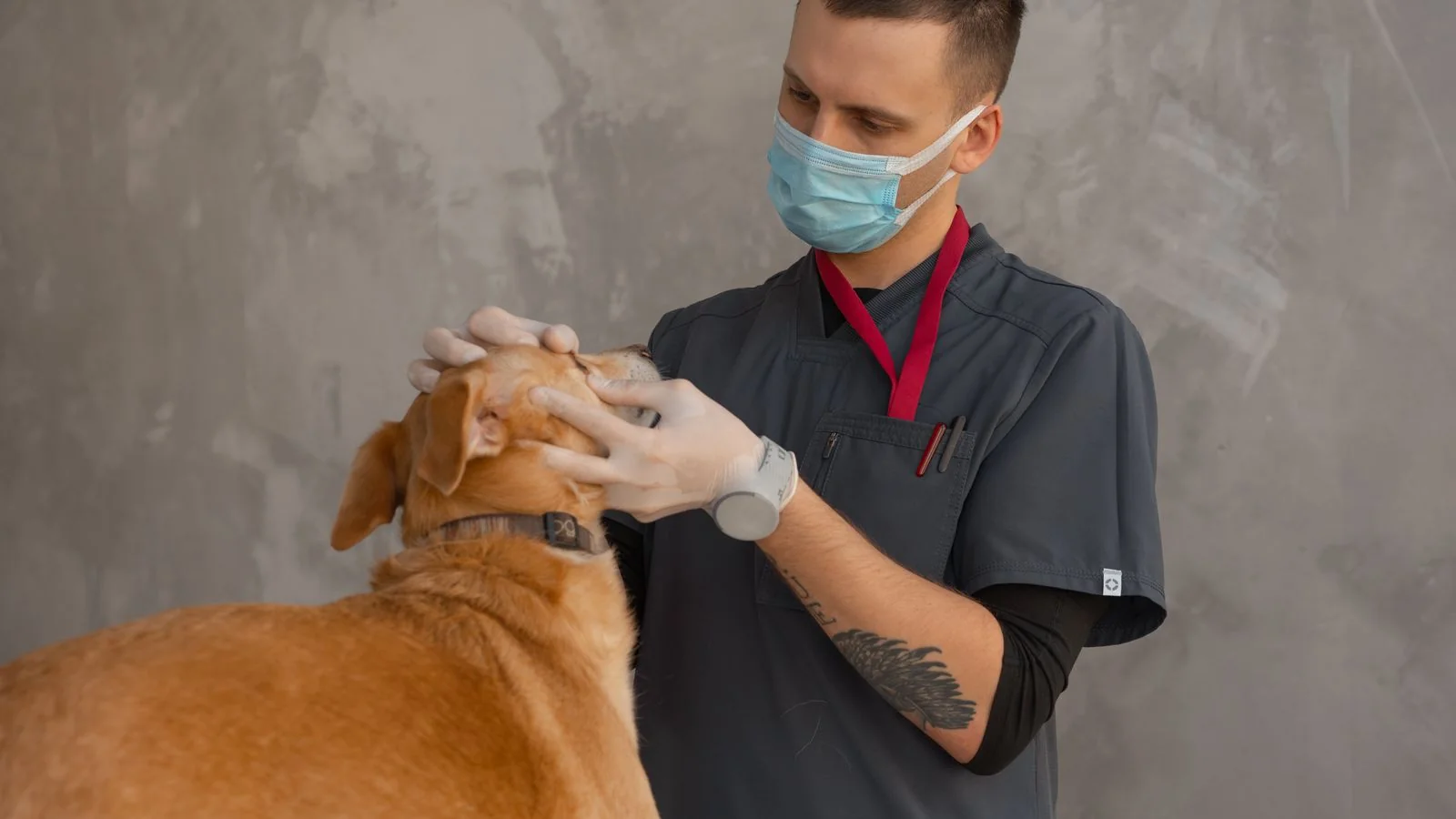
Your practice does not need to rank first on Google anymore. It needs to be the name ChatGPT says when a worried pet owner types “find me a good vet near me who can see my dog today.” Those are two different games, and most veterinary marketing is still playing the old one. Ranking on a page of ten links matters less every quarter, because a rising share of pet owners never see that page. They ask an AI, get one answer, and act on it.
That shift is why AEO for veterinarians has quietly become the highest-impact marketing work a clinic can do. AEO, answer engine optimization, is the discipline of making your practice the one AI tools cite and recommend inside their generated answers. It is not a lighter version of SEO. It is a different target that rewards different work. Here is a seven-step playbook to get your clinic named by the machines pet owners now trust.
Step one: claim and complete every profile AI reads
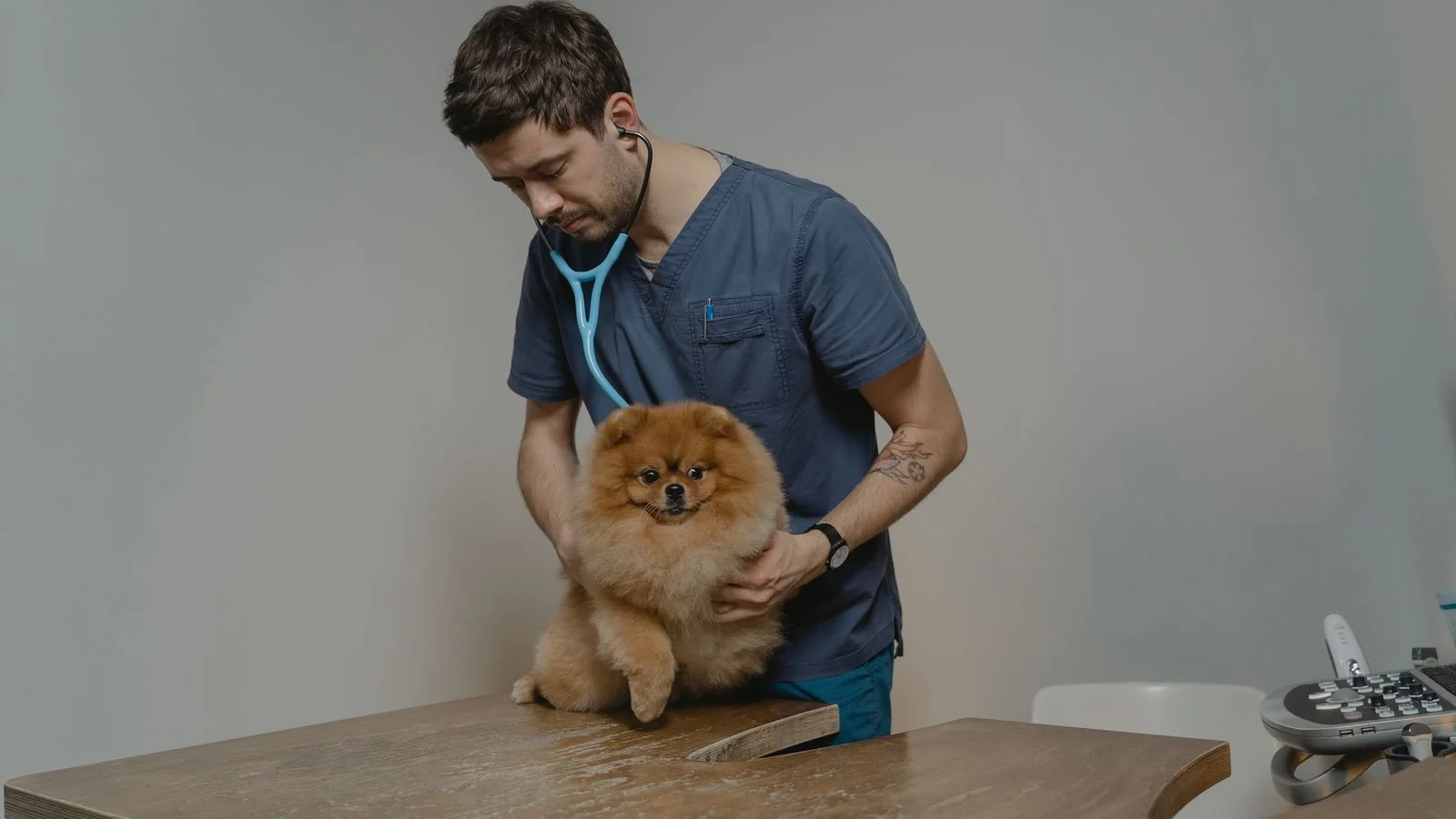
AI answers about local businesses are built on structured sources, and the first one is your Google Business Profile, followed by directory listings, veterinary association pages, and review platforms. If those are incomplete, inconsistent, or missing, the AI has nothing solid to cite, so it cites a competitor instead.
Start by making every profile accurate and complete: exact clinic name, address, phone, hours, services, species you treat, and payment options, identical across every platform. Inconsistency is poison here. If your hours say one thing on Google and another on Yelp, an AI that values reliable data downgrades you in favor of a practice whose information agrees with itself everywhere. This step is unglamorous and it is the foundation. AEO for veterinarians fails most often not because the strategy is wrong but because the underlying data the AI reads is a mess.
Step two: answer the real questions owners ask
Pet owners do not search in keywords. They ask full questions, and increasingly they ask them out loud to an assistant. “Why is my cat throwing up after eating?” “How much does a dog dental cleaning cost?” “Is my puppy old enough for the parvo shot?” Each of those is a question your clinic can answer better than a generic content farm, and each answer is a chance to be the source an AI pulls from.
Build a section of your site around these real questions, one clear answer per page, written the way a trusted vet would explain it to an anxious owner in the exam room. Lead each page with the direct answer, then add the nuance. AI tools favor content that resolves the question quickly and completely, because that is what they are trying to hand their user. When your site is the place that answers the question cleanly, you become the place the answer engine quotes.
Step three: build the review base AI treats as proof
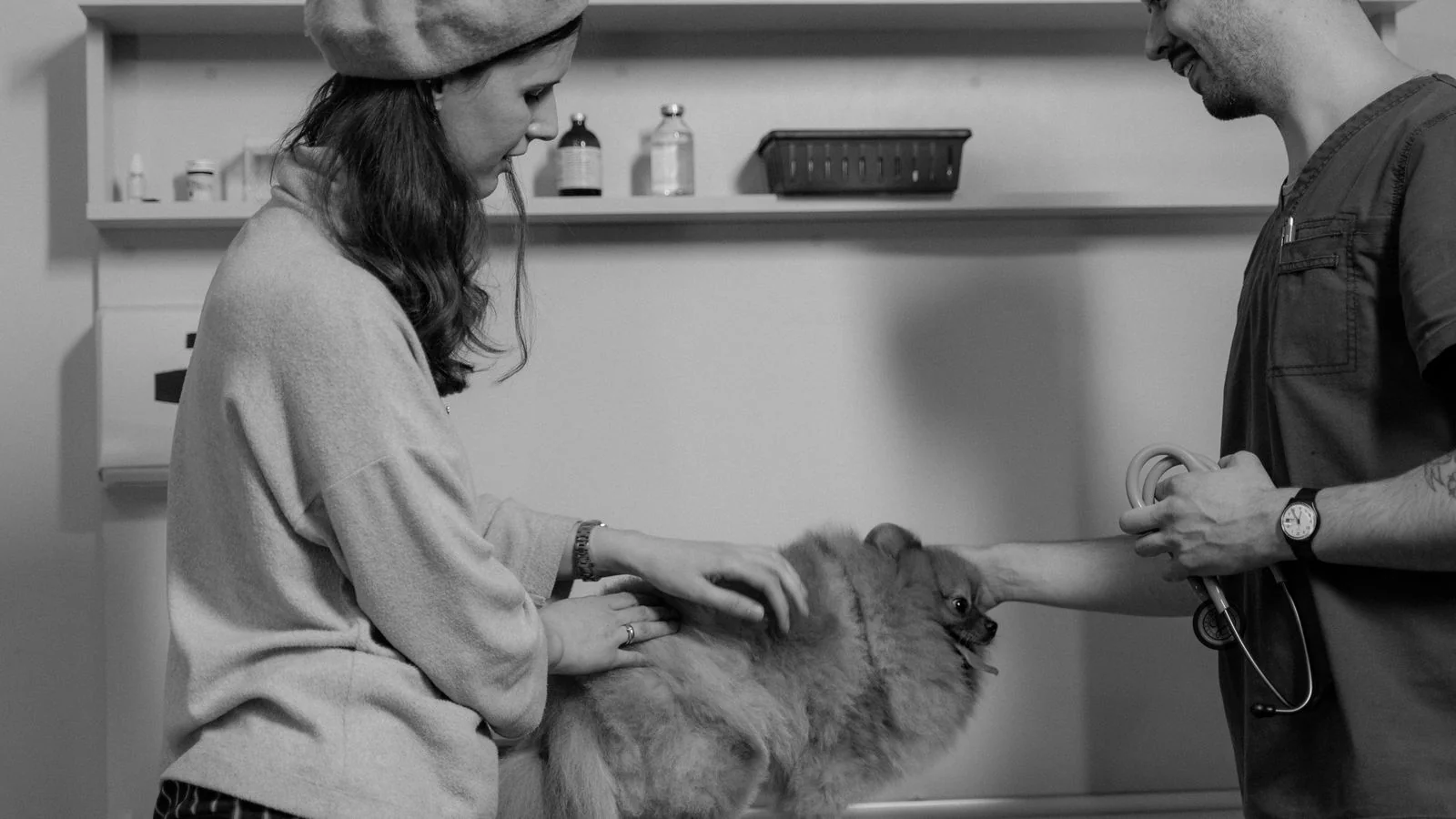
Reviews are not just social proof for humans anymore. They are training data for the machines deciding which clinic to recommend. A practice with a large base of recent, detailed, positive reviews reads to an AI as trustworthy and popular, and that reputation feeds directly into whether it gets named.
Make review generation a routine part of every visit. Ask satisfied owners at checkout, follow up with a text, and make leaving a review take fewer than sixty seconds. Volume matters, recency matters, and detail matters, because a review that mentions specific services (“they handled my rabbit’s dental surgery beautifully”) teaches the AI what you are good at. Respond to reviews too, including the critical ones, because a practice that engages looks alive and accountable. This is slow-compounding work, and it is one of the strongest signals in the entire AEO for veterinarians toolkit.
Step four: structure your site so machines can read it
Behind the scenes, the way your site is built determines how easily an AI can extract facts from it. Schema markup, the structured data code that labels your services, hours, location, and reviews, hands the machine a clean, unambiguous version of your information instead of making it guess from the page layout.
You do not need to write the code yourself, but you or your developer should ensure your site uses local business and veterinary-specific schema. Clear headings, plain language, and a logical structure help too, because AI tools chunk pages by their headings and pull answers from well-organized sections. A beautiful site that hides its facts in images and clever layouts is invisible to the machine. A plainer site that labels everything is the one that gets read and cited.
Step five: earn mentions on sources AI already trusts
An AI’s confidence in your practice grows when it sees you referenced across sources it independently trusts: local news, veterinary directories, community sites, pet-owner forums, and association pages. These third-party mentions act as votes, and they matter more for AEO than any amount of self-published content.
Pursue them deliberately. Get listed in every reputable veterinary directory, contribute expert commentary to local pet stories, and make sure your practice appears wherever your community looks for pet care. A single mention in a trusted local outlet, tied clearly to your clinic name and location, can do more to make an AI recommend you than a month of blog posts on your own domain. The goal is to exist, consistently, in the places the answer engine already reads.
Step six: cover the services that trigger high-intent queries
Some questions signal a pet owner ready to book right now: emergency care, specific procedures, exotic animals, urgent symptoms. These high-intent queries are where AEO converts, because the owner asking them is not browsing, they are looking for a specific vet to call today.
Map the services that drive urgent searches in your area, then make sure each one has a clear, complete presence on your site and profiles. If you handle avian patients, say so plainly and often, because “vet near me that treats birds” is a query with almost no competition and a very motivated owner behind it. Owning the specific, high-intent services is how a single clinic beats a larger, more generic competitor in the answer. The AI recommends the practice that clearly matches the need, and specificity is what makes the match obvious.
Step seven: measure what the machines actually say
The final step is the one most clinics skip: check what the AI tools say about you. Ask ChatGPT, Perplexity, and Google’s AI to recommend a vet in your area for the services you offer, and read the answer. Are you named? Is the information right? Who gets recommended instead, and what do they have that you do not?
This is your real scoreboard, and it is more honest than any ranking report. If the AI does not mention you, or mentions you with wrong details, you know exactly where the work is. Run these checks every month or two, note what changes, and adjust. AEO for veterinarians is not a set-and-forget project; it is a loop of building the signals, checking the answer, and closing the gaps. The clinics that run that loop now will be the default recommendation when asking AI for a vet becomes as normal as searching Google once was. Start before your competitors realize the game has changed.