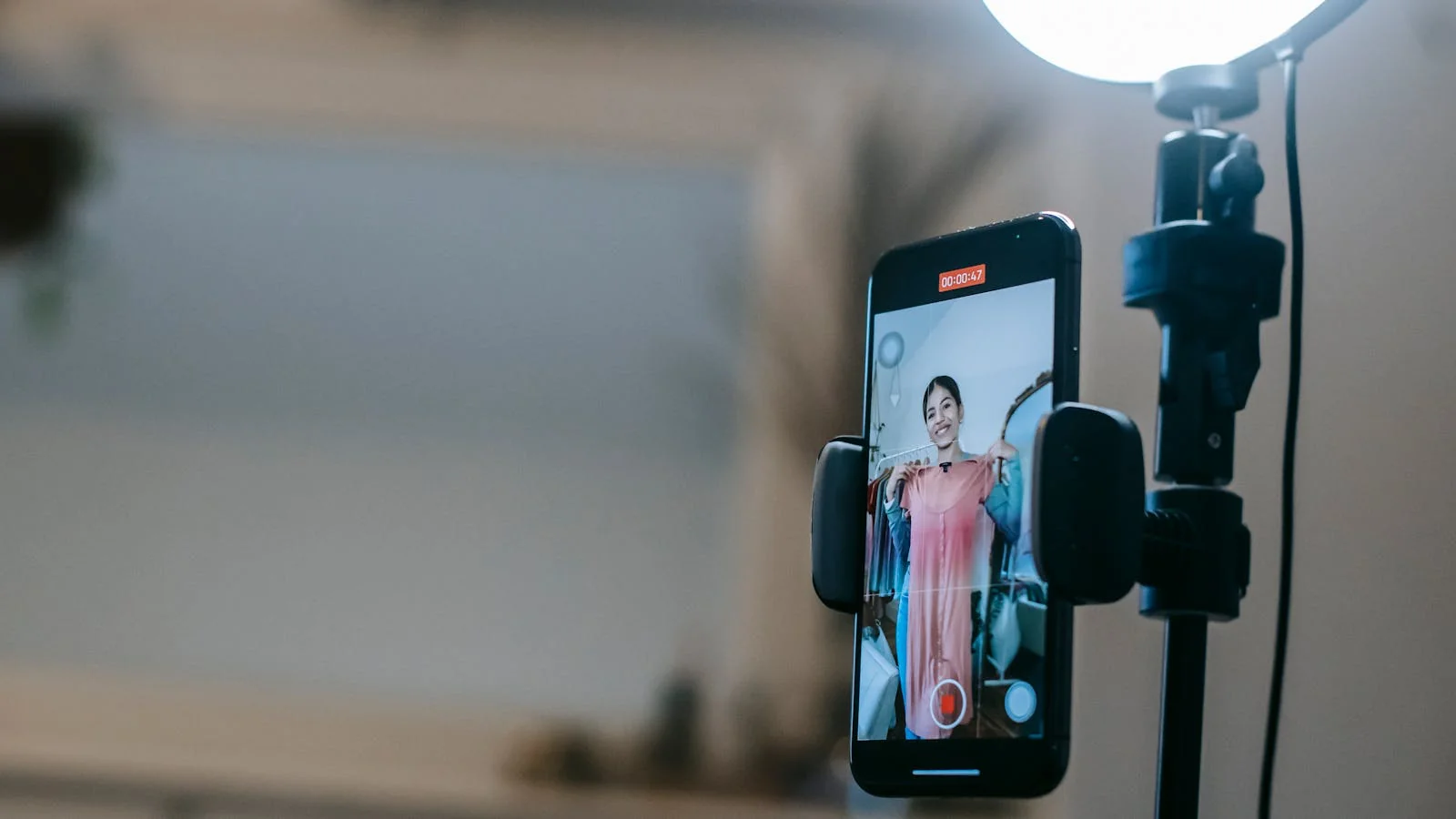
Most business YouTube channels die before 100 subscribers, and the death is almost never a content quality problem. The team produces watchable videos. The thumbnails are competent. The host knows the subject. And yet the channel sits at 47 subscribers six months in, the marketing team starts arguing with finance about whether to keep funding it, and the executive sponsor quietly redirects the budget to a different channel by month nine. This pattern is so consistent across the 84 business channels we have audited at GoogleMe between 2022 and 2026 that we now diagnose channels purely by which of seven mistakes are present, before we look at any content.
This YouTube channel guide for business is built around those seven mistakes, in the order they typically appear in a channel’s lifecycle. Most failing business channels have between three and five of these active at once. Fixing them is operational, not creative. The teams who fix them, generally inflect to first-100 subs within 90 days of the fix, regardless of how long the channel had been stuck before.
Mistake one: the on-camera talent is the wrong person
The first and most common mistake is putting the wrong person on camera. The default is the founder, the CMO, or the head of sales, because those are the people who have authority and the willingness to commit to weekly filming. None of those traits are what makes someone watchable on YouTube. The platform’s algorithm in 2026 weighs viewer retention curves heavily, and retention is driven by qualities that have nothing to do with executive authority: clarity of explanation, natural humor, willingness to be specific, and a face the camera likes.
The fix is to audition four to six internal candidates with a five-minute test video each, on the same topic, and watch the videos with no context. The candidate whose video you watch all the way through is the on-camera talent. The candidate who has the title is irrelevant. Most companies will not do this because it requires the executive who expected to be on camera to admit that someone with a different title would be better. The companies that do, fix mistake one and unblock the channel.
The other path is to hire an external host. This works for product-driven content but rarely for thought-leadership content, where the audience expects the host to have actual operator experience. If you go the external route, the host has to be a real practitioner in your category, not a generic creator.
Mistake two: thumbnails and titles are an afterthought
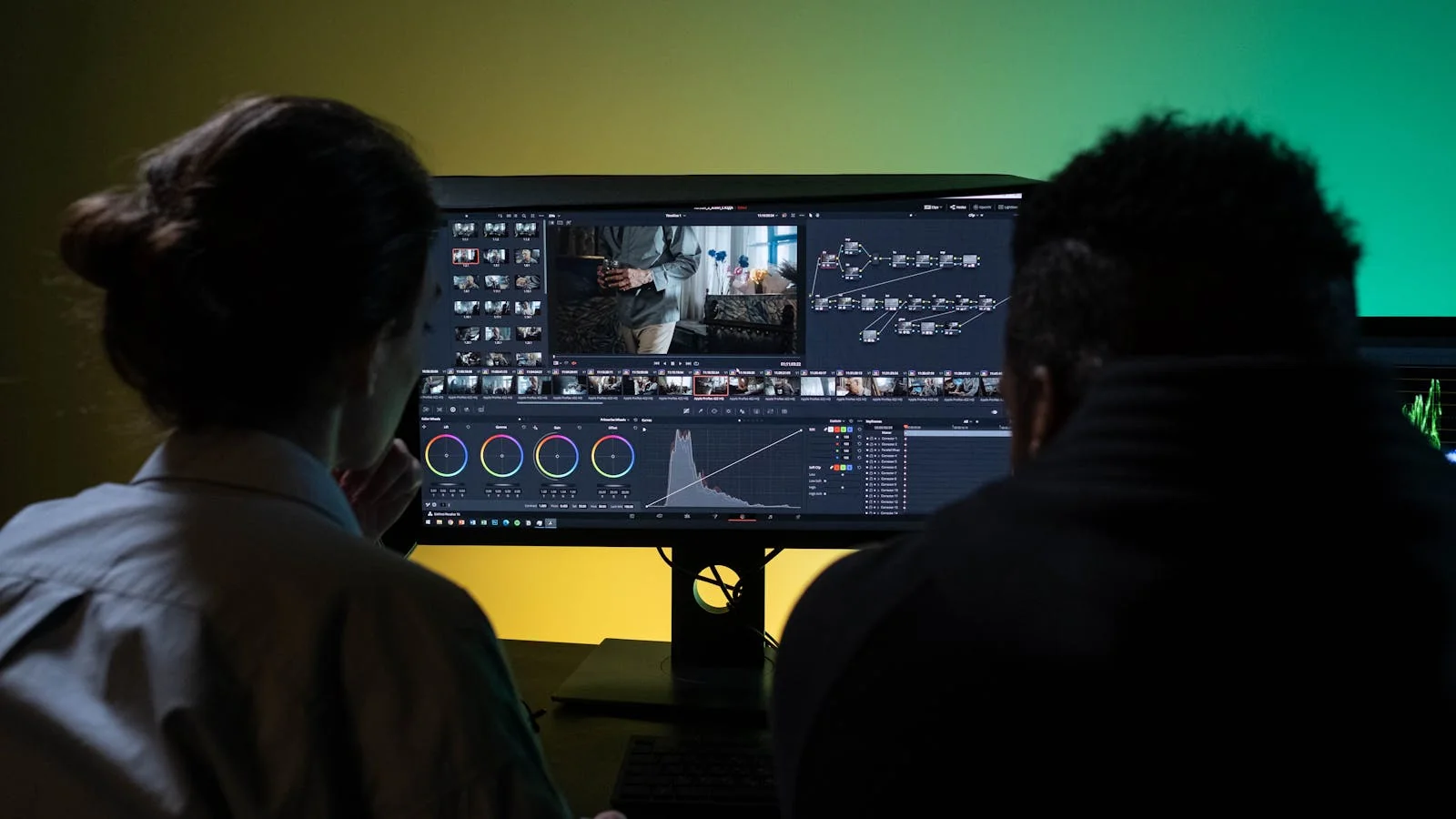
The second mistake is treating the thumbnail and title as packaging that happens after the video is edited. In 2026 YouTube, thumbnails and titles are the entire top-of-funnel. The video is the bottom. A weak thumbnail-title combination on a strong video produces 12 views. A strong thumbnail-title combination on a competent video produces 12,000 views. The asymmetry is roughly 1000x, and most business channels do not budget for thumbnails proportional to that asymmetry.
The discipline is to spend at least 15% of total per-episode production time on thumbnail and title iteration, with at least three thumbnail variants tested in YouTube’s built-in A/B testing tool (or via TubeBuddy / VidIQ if your team has it). The team that produces the thumbnail should not be the team that shot the video, because the shooter is too close to the content to see it from a stranger’s perspective.
Titles in 2026 follow specific patterns that the algorithm reads as “high CTR likely.” Curiosity gap titles work for general business audiences. Specific-number titles work for tactical content. Comparison titles work for category content. Quote titles work for thought leadership. The wrong title shape on the wrong content kills the click-through rate even when the underlying video would have been a hit.
Mistake three: upload cadence is inconsistent
The third mistake is inconsistent upload cadence. The YouTube algorithm in 2026 weighs cadence heavily as a “channel health” signal, alongside watch time and retention. A channel that posts weekly for three weeks then skips two weeks then posts twice in one week is penalized in the recommendation system, even if the individual videos are good. The penalty is not a flag. It is a degradation in how often the algorithm promotes new uploads to subscribers.
The fix is to commit to a cadence you can sustain. For business channels, weekly long-form (8 to 20 minute videos) is the sustainable cadence with a budget under 200K. Twice-weekly is achievable above that. The mistake is to start at twice-weekly because someone told you “more frequent uploads are better,” burn out the team in three months, drop to monthly, and watch the algorithm penalize the inconsistency.
Sustained cadence beats peak cadence. A channel that posts every Tuesday at 9am Pacific for 18 months, never missing, beats a channel that posted three videos a week for the first quarter and then went silent. The flywheel is built on the consistency, not the volume.
Mistake four: the video format is wrong for the topic
The fourth mistake is using the wrong video format for the underlying content type. Business YouTube has roughly four formats that work in 2026, and each one is suited to specific kinds of content. Talking-head explainer videos work for “how does X work” content. Conversation/interview videos work for “what do experts think” content. Documentary-style cuts work for “case study” content. Screen-recorded tutorial videos work for “how to do X” content.
Mismatch is the killer. A founder doing a talking-head explainer about a tactical workflow produces a video that performs at 1/3 the rate it would have if filmed as a screen-recorded tutorial. A documentary-style case study that should have been a 30-minute interview gets cut to 9 minutes and loses the narrative thread. The format choice is the second-largest predictor of view performance after the thumbnail-title.
The format choice should be locked at the topic-selection stage, not at the editing stage. Most failing channels make the choice in editing because they did not think about it before filming. The fix is to write a one-sentence format prescription in the topic doc before any filming happens. “This is a talking-head explainer.” “This is a 25-minute interview, full-length, no aggressive cuts.” “This is a documentary cut with B-roll from three locations.” Once the prescription is set, the team films to the format.
Mistake five: there is no playlist architecture
The fifth mistake is treating the channel as a stream of videos rather than a network of playlists. The channels that compound on YouTube in 2026 use playlist architecture to keep new viewers inside the channel after the first video. A new viewer who finished one video and immediately watches a second video from the same playlist becomes 4.5x more likely to subscribe and 2.8x more likely to return for a third session.
Playlist architecture means defining three to five major content series at the channel level, each with a coherent throughline and a binge-able shape. New viewers who arrive on one video are funneled into the corresponding playlist by the end-screen, the pinned comment, and the video description. The playlist auto-plays. The viewer stays on the channel.
Most failing business channels have either no playlists or 14 playlists with two videos each, which is the same as no playlist architecture. The fix is to audit your existing videos, group them into three to five thematically coherent playlists, and prioritize new uploads that extend an existing playlist over uploads that orphan-stand. Once you have five playlists with eight to fifteen videos each, the channel begins to compound.
Mistake six: shorts strategy is wrong, in either direction
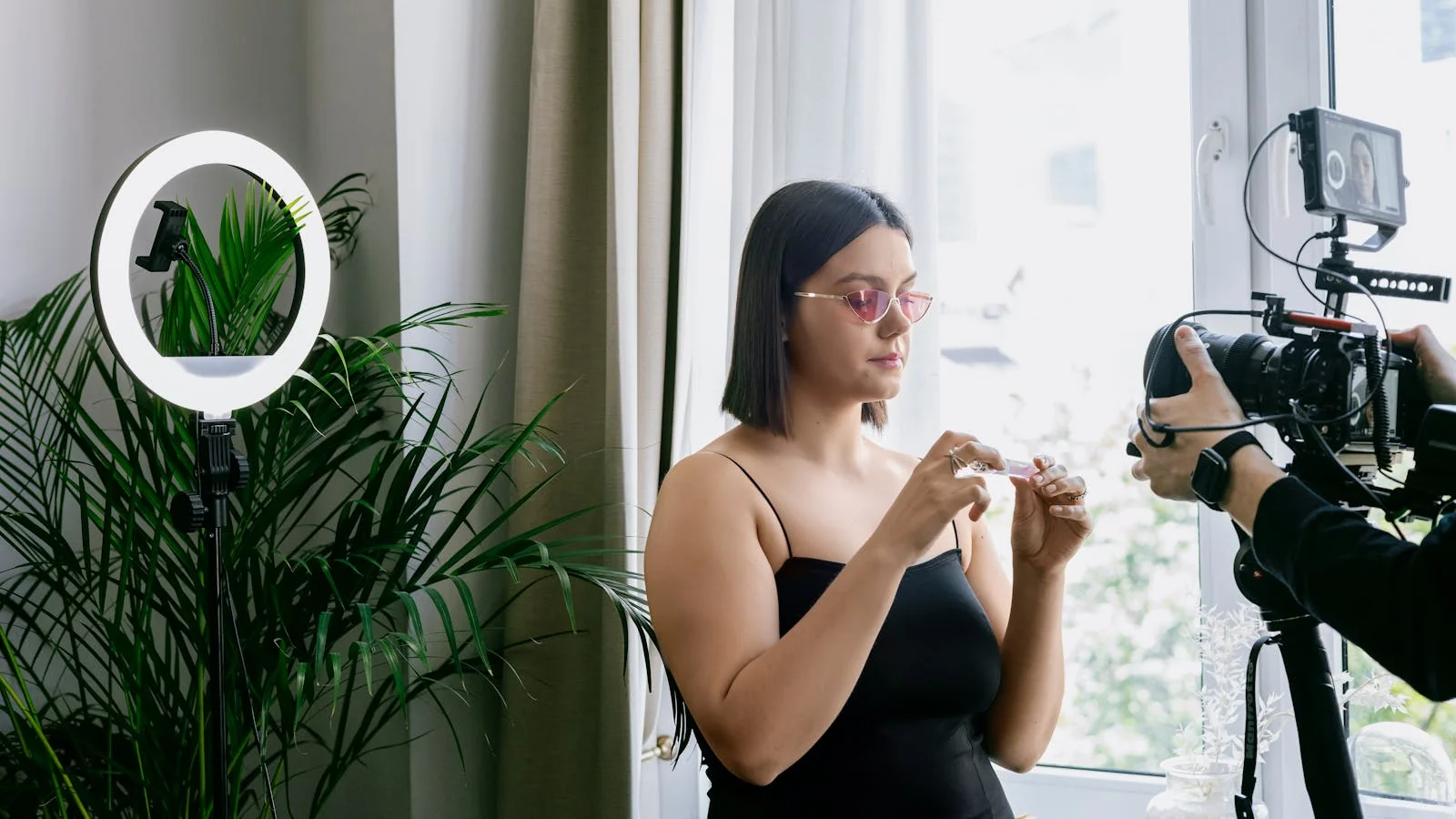
The sixth mistake is a Shorts strategy that is either nonexistent or all-encompassing, with nothing in between. The channels that do well in 2026 are running a 1:3 ratio (one long-form per three Shorts, weekly). The Shorts feed the subscriber graph and the algorithm’s “this channel is alive” signal. The long-form video is where the actual selling content sits, with depth, calls-to-action, and pipeline tracking.
Channels with no Shorts are bottlenecking their subscriber growth, because Shorts have become the primary discovery surface on the platform. Channels with all Shorts are starving the buyer pipeline because Shorts viewers convert at one-tenth the rate of long-form viewers in B2B contexts. The 1:3 ratio threads the needle.
Shorts content is not a 45-second cut of the long-form. It is original content with a vertical-format hook. The teams that produce Shorts by cutting down their long-form video have the worst Shorts performance because the format is wrong for the platform.
Mistake seven: there is no measurement loop tied to revenue
The seventh and final mistake is running the channel without a measurement loop tied to revenue. Most business channels measure views, subscribers, and watch time. None of those are buying-intent signals. The measurement that matters is which videos drive the highest rate of viewers who later land on a high-intent page (pricing, contact, calendar booking), and which videos drive the highest rate of viewers who later attribute their first conversion to “YouTube” in the lead-source field.
The fix is to add a UTM-tracked link in every video description, route it through a tracked landing page, and review the conversion data monthly. Then double down on the topic, format, and host that produces the highest conversion rate per view, and retire the ones that produce nothing. Most channels never do this audit, which is why they continue producing videos that drive views without driving pipeline for 24 months before the budget gets cut.
Use this YouTube channel guide for business to audit your channel against the seven mistakes before you change anything about content. The fix is in the operational layer, not in the creative layer. Channels that fix three of the seven typically inflect within 90 days. Channels that try to fix only the content quality first, never inflect.