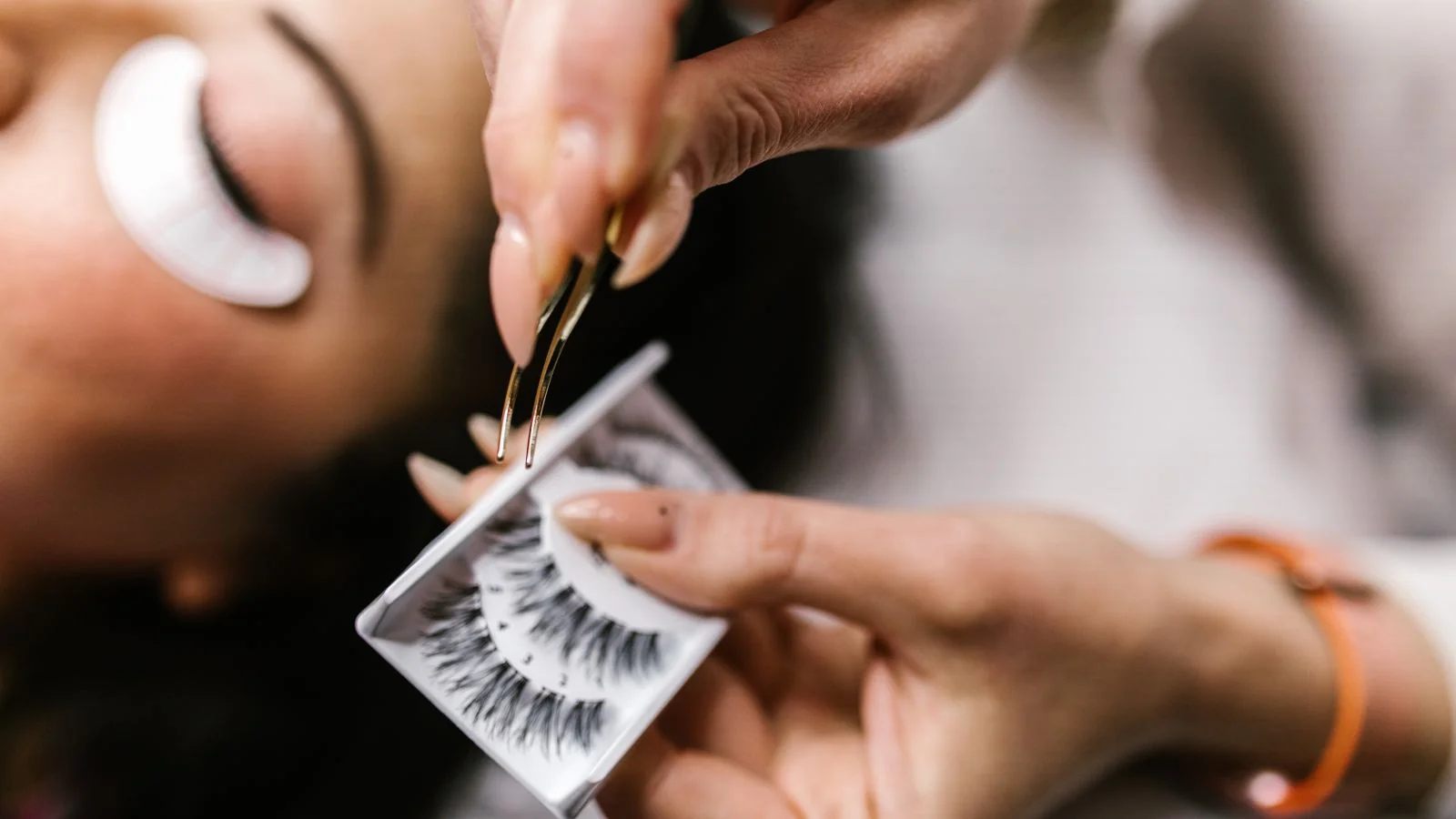
The lash industry has a strange reputational problem that almost no other beauty service shares. A large share of the complaints you receive are about something you did not do wrong, and a large share of the compliments are for something you cannot take credit for.
That is the whole difficulty. A client whose natural lashes happened to be early in their growth cycle on the day she came in will get five weeks out of a set and tell everyone you are a genius. A client who came in at the wrong point in the same cycle will lose half the set in nine days and write that you used cheap glue. Same technician, same adhesive, same room. Different biology.
If you manage your reputation without accounting for that, you will spend years apologizing for things you did correctly and never fix the things you did not.
The complaint is almost never about the lashes
Read a hundred negative lash reviews and a pattern shows up. The stated grievance is retention. The actual grievance is surprise.
Nobody is angry that lashes shed. People know hair falls out. They are angry because they paid a meaningful amount of money with an expectation in their head that nobody corrected, and reality came in under it. The gap between the expectation and the outcome is where the anger lives, and the expectation was set in your studio, by you, or by your silence.
This is good news, because expectation is the cheapest variable in your business to change. Retention is partly biology and partly skill. Expectation is entirely within your control and costs four minutes.
The second pattern worth noticing: complaints about irritation and reaction are handled far worse than complaints about retention, and they matter far more. Cyanoacrylate-based adhesives can cause sensitization, meaning a client who tolerated the service for two years can develop a reaction to it. When that happens and a studio responds defensively, the review that follows is not about lashes. It is about a business that argued with someone whose eyes were swollen shut. That review will outlive your lease.

The Retention Ledger separates your fault from her biology
Here is the framework I use for this, and it is worth writing down and keeping at the desk. Call it the Retention Ledger. Every retention complaint gets sorted into one of three columns before you respond to anything.
Column one is technique. Poor isolation, where more than one natural lash was bonded together, which makes the shorter lash pull the longer one out early and damages both. Too much adhesive. An extension too heavy for the natural lash supporting it. Adhesive cured in the wrong humidity. These are yours. When the answer is column one, the fix is free, immediate, and you say so without qualification.
Column two is cycle and physiology. The client’s natural lashes were mature at application and shed on schedule. She has oily skin, or fine natural lashes that cannot carry volume fans, or a medical condition or medication affecting hair growth. These are not your fault, but they are your responsibility to have predicted and explained. When the answer is column two, the fix is a conversation you should have had and did not, so the honest remedy is a reduced-price fill plus the explanation.
Column three is aftercare. Oil-based cleanser, sleeping face-down, mascara, picking, steam. Not your fault and not your failure to predict, assuming you gave written aftercare and can show it. When the answer is column three, you are gentle and you do not charge for the lesson the first time.
The ledger matters because it stops you doing the two things that destroy studios. It stops you refunding everything reflexively, which trains clients to complain and bleeds margin on work you did well. And it stops you defending everything reflexively, which is how a column-one failure turns into a review that names you.
Sort first. Respond second.
The consult is the whole reputation strategy
Nearly every fixable lash complaint traces back to a consult that did not happen or was three sentences long.
A consult that protects you covers five things and takes four minutes. What her natural lashes can actually support, said out loud while you look at them, including the sentence “these are fine, so a heavy volume fan will pull,” if that is true. Where she is in her shed cycle and what that means for this specific set. What her skin type and daily products will do to retention. Whether she has had any reaction to adhesive, medical eye conditions, or recent lash lifts. And a plain number for how long this set will look full, phrased as a range with a reason.
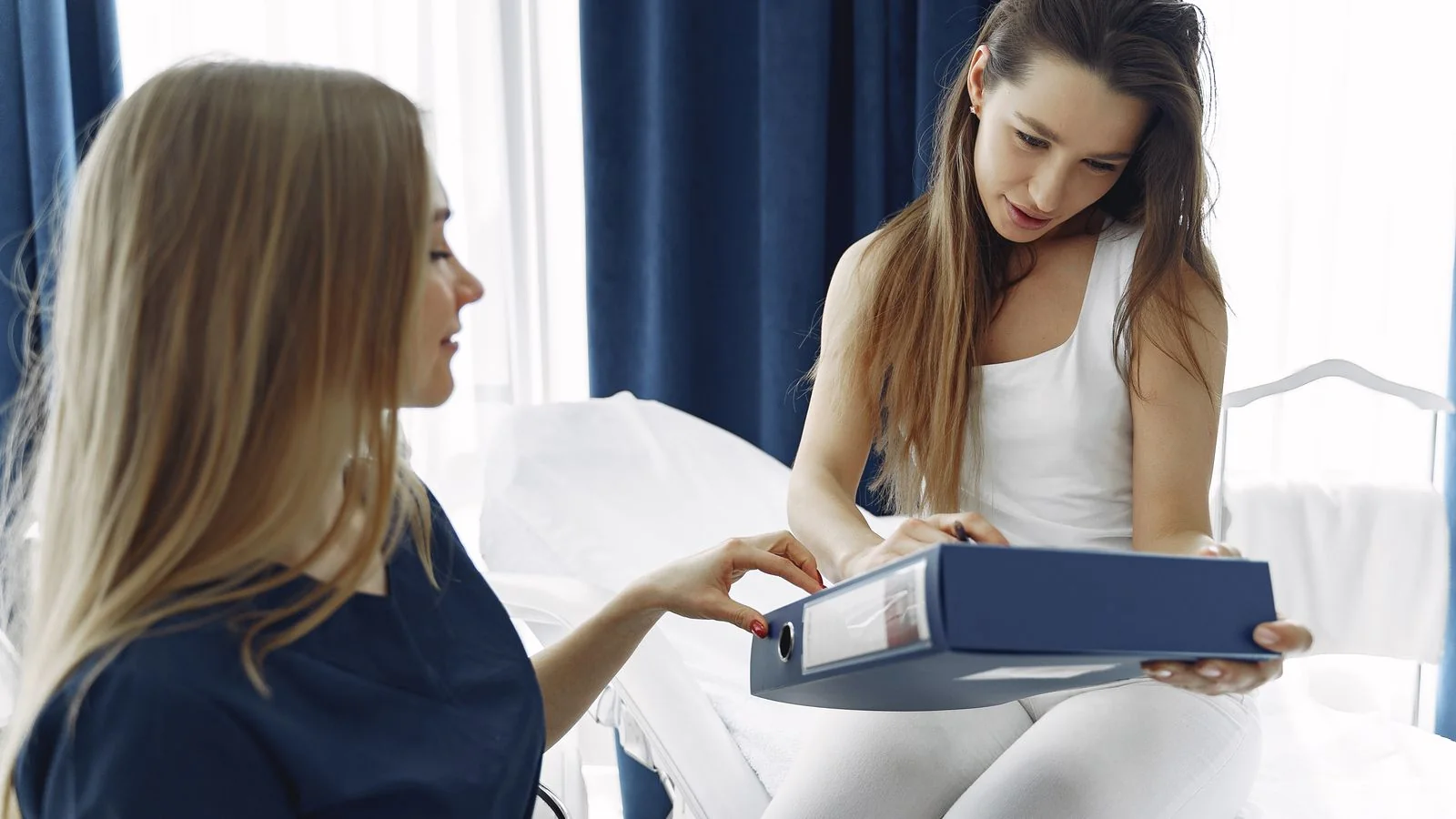
Write it down. Have her initial it. This is not legal theater, though it helps there too. It is a memory aid for a conversation that both of you will remember differently in eleven days.
Studios that do this see retention complaints fall without changing a single thing about their technique, because they were never mostly technique complaints.
Decide your remedies before the argument starts
The worst time to decide what a complaint is worth is while you are upset and a client is standing at your desk. Write the policy now, when nothing is happening, and you will handle every future dispute in ninety seconds instead of three days.
A workable policy fits on one page and answers four questions.
What is the free-fix window? Most studios land somewhere between three and seven days from application. Inside that window, any retention problem gets looked at and corrected at no charge, no negotiation, no column sorting done out loud. You still sort it privately using the Retention Ledger, because you need to know whether your technique is slipping, but the client does not need to watch you decide whether she deserves it.
What is the partial-remedy band? Between the free window and the next scheduled fill, a column-two situation gets a reduced-price fill plus the explanation that should have happened at the consult. Pick the number now. Half price is clean and easy to say.
What triggers a full refund? Reactions, injuries, and genuine technique failures on a set that cannot be salvaged. A refund should be rare and it should be given fast when it applies, because a refund that takes four exchanges to extract costs you the review anyway.
What is outside the policy entirely? Sets that have been picked at, worked on by another artist, or presented three weeks late with no earlier contact. You can still choose to be generous, and you should sometimes, but it is a choice rather than an obligation, and knowing the difference keeps you from resenting your own clients.
Put the policy on your booking page. A studio that publishes its remedy policy converts better than one that does not, because it removes the fear of being stuck with a bad outcome and no recourse, which is exactly the fear stopping a new client from trying you.
What your booking system should be capturing
Most retention disputes are unwinnable because nobody wrote anything down. Fix that at the point of booking and the whole problem shrinks.
At minimum you want a mobile number, because the forty-eight hour private window is unreachable without one. You want the date of the last set and who did it, including when it was somewhere else, because a client arriving on top of someone else’s work is a different risk profile. You want a note on natural lash condition at the start, in one line, so that six weeks from now you can tell whether hers have thinned under your work or arrived that way.
You want the consult answers stored where you can retrieve them, not on a paper slip in a drawer. Adhesive history, reactions, medical conditions affecting hair growth, medications, recent lash lifts. You want the pre-departure photograph attached to the appointment record, same angle every time.
And you want a flag for anything that felt off during the service, written the same day. A client who was quiet. A set that fought you. A natural lash line weaker than she realised. That flag is what triggers the forty-eight hour check-in, and the check-in is what stops the review.
None of this is expensive. Most booking platforms in this category already support notes, photos, and custom fields, and the studios that use them are not better at lashes than the ones that do not. They are just better at remembering, and in a dispute six weeks later, remembering is the entire advantage.
Five fixes that hold
Fix one: photograph every set before she leaves. Same angle, same light, eyes closed, every time. This takes eight seconds and settles almost every dispute about what she walked out with. It also gives you a portfolio without asking anyone for anything.
Fix two: send the aftercare twice. Once on paper at checkout, once as a text two hours later when she is home and might actually read it. The text version should be four lines, not a document. The second send is what makes it enforceable in a later conversation, because she has it and you can see that she has it.
Fix three: build a forty-eight hour check-in habit. A short message two days after a new set asking whether anything feels uncomfortable catches irritation early, catches column-one failures while they are still free to fix, and moves a complaint out of public view before it forms. This single habit prevents more bad reviews than every other item on this list combined.
Fix four: have a written reaction protocol and follow it without arguing. If a client reports swelling, itching, or redness, she gets removal at no charge, a referral to a physician, and zero debate about whether it could be the adhesive. Whatever it costs you is less than the alternative. Sensitization is documented and real, and a studio that treats it as an accusation rather than a medical event will eventually meet a reviewer with a photograph.
Fix five: ask for reviews on a schedule, not on a feeling. Same ask, same moment, every client, regardless of how the appointment went. Asking only your happy clients produces a listing that reads as curated, and platforms filter patterns that look prompted. Steady and recent beats large and old, because the only part of your listing you genuinely control is how new the top of it is.
Go back through your last twenty complaints and sort them into the three columns. How many were actually yours? If the honest answer is fewer than half, the problem was never your hands. It was the four minutes at the start that nobody had.