
The US Food and Drug Administration has said that injectable products circumventing regulatory safeguards “may be contaminated, counterfeit, contain varying amounts of active ingredients, or contain different ingredients altogether.”
That sentence was not written about your clinic. It will be read as though it were. Coverage of the sector has hardened considerably, and reporting on the regulatory gap has noted that only around thirty-two states have any policy touching IV hydration services at all, with a handful described by researchers as having comprehensive oversight.
Which means reputation management for IV therapy clinics is not a marketing exercise. You are operating in a category the public has been told to be careful about, and every review you have is being read through that frame.
You are being judged against a medical standard you did not advertise
Look at how most IV clinics present themselves. Soft lighting, a menu of named drips, language about glow, recovery, immunity, and energy. It is hospitality branding applied to an infusion.
Now look at how clients write about you when something goes wrong. They do not write in hospitality language. They write about bruising, about a nurse who missed twice, about nobody asking what medication they were on, about not knowing whether a doctor was on site, about feeling unwell three hours later and not knowing who to call.
That mismatch is the entire problem. You sell a spa experience and you get audited as a clinical service, because the moment a needle enters a vein the client’s internal standard switches without warning. They arrived expecting a treat. They left having had a medical procedure. The review gets written by the second version of that person.
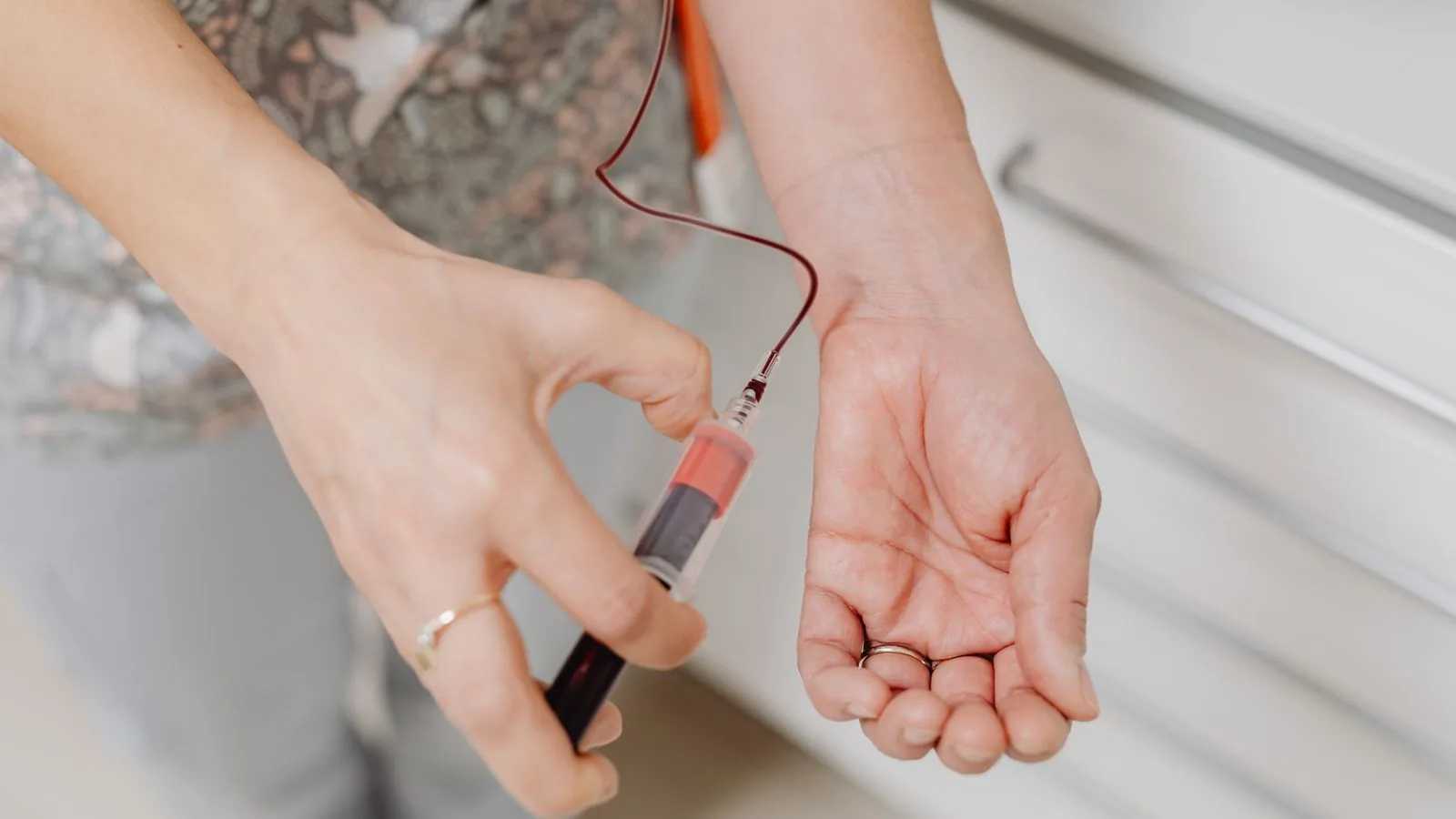
The Register Gap
Here is the model. Call it the Register Gap. Your marketing speaks in the wellness register. Your risk sits in the medical register. Every serious reputation failure in this sector lives in the space between the two.
The wellness register uses words like boost, glow, refresh, replenish, and recovery. It promises an experience and implies a benefit. The medical register uses words like licensed, supervised, screened, contraindication, sterile, and adverse event. It promises a standard and implies accountability.
Clinics that market only in the wellness register have no defence when something goes wrong, because they never established that they operate to a medical standard. A client who was sold a glow and got a haematoma has no framework for understanding what happened other than incompetence.
Clinics that speak both registers are far more durable. The same drip menu, the same soft lighting, plus a page stating who administers, what the screening covers, which physician provides medical direction, and what happens if you feel unwell afterwards. That second layer costs you nothing in bookings and changes what a complaint means when it arrives.
Closing the Register Gap is the foundation of reputation management for IV therapy clinics, and almost nobody does it because it feels clinical and off-brand. It is precisely the thing that protects the brand.
What does a bad IV review actually cost?
Considerably more than the equivalent review would cost a salon, for two reasons that compound.
The first is asymmetry of harm. A bad review of a hospitality business predicts disappointment. A bad review of your clinic predicts injury. Readers do not weight those equally, and no volume of five-star reviews about how relaxing the room was neutralises one credible account of an unsupervised infusion.
The second is category contamination. Because the sector already carries public scepticism, a negative review confirms something the reader half-suspected before they arrived. It does not read as one bad day at a good clinic. It reads as evidence for a story they had already been told.
This changes your triage. Sort complaints by what they imply about clinical safety, not by star count. A one-star review about parking or price is nearly harmless. A calm three-star review saying nobody asked about their medications before running a drip is the one that will still be costing you bookings in six months, because it sounds fair and it names a real governance failure.

Publish the clinical governance nobody asks about
The most valuable page on an IV clinic website is the one almost none of them have, and it is not a page anybody requests.
It states, in plain text, who inserts the line and what their licence is. Which physician or advanced practitioner provides medical direction, and whether they are on site or reachable. What your intake screening actually covers, meaning medications, allergies, kidney and cardiac history, pregnancy. Who is not a candidate and why you turn people away. Where your compounded products come from and under what conditions they are prepared. What you do if someone reacts, and what your escalation route to emergency care is.
Publishing this does three things simultaneously. It reassures the cautious high-value client who was going to ask and now does not have to. It gives you a document to point at when a complaint arrives, which converts a public argument into a reference to standing policy. And it separates you from the operators who avoid the subject entirely, which is a real competitive line in a sector where the public has been warned to check.
There is a fourth benefit worth noting. AI assistants increasingly summarise local providers, and questions about IV clinics tend to carry safety conditions. A clinic whose site states its supervision model in text is the one that gets named. A clinic whose site only lists drip names is not.
Write it in the client’s language rather than in regulatory language. “A registered nurse with emergency department experience places every line, and Dr Amara Osei, who is board certified in internal medicine, provides medical direction and is contactable throughout opening hours” is readable. A paragraph citing statute numbers is not, and it signals defensiveness rather than confidence.
Link to the page from your booking flow rather than burying it in a footer. The moment someone is deciding to hand over a card is the moment the doubt surfaces, and a small line reading “who will be treating you and how we screen” placed next to the confirm button converts hesitation into reassurance at the exact point it matters.
Then keep it current. A governance page naming a medical director who left eight months ago is worse than no page, because it is a checkable falsehood on a subject where you have asked to be trusted. Diary a review every quarter, and treat any staffing change as a trigger to update it the same week.
The adverse event reply is a different document
Most advice about responding to reviews is written for restaurants and does not survive contact with a clinical complaint.
When someone posts that they had a reaction, you cannot do the normal things. You cannot confirm they attended, because that discloses health information about an identifiable person. You cannot correct their account of what happened, because that discloses more. You cannot explain that they failed to mention a medication, even if they did, and even though that would exonerate you.
What you can do is short and specific. Acknowledge the seriousness of what they have described without confirming it happened to them. State the general protocol, as in every client at this clinic completes a medication and history screening before any infusion is prepared, and all infusions are administered by licensed nurses under named medical direction. Say you cannot discuss any individual’s care publicly. Give a direct route, ideally a named person and an email, and commit to responding.
Then do the real work offline. Contact them, document everything, and run an internal review whether or not you think the complaint is fair. If there is any possibility of an actual adverse event, your reporting obligations sit above your reputation concerns, and handling that properly is also the thing most likely to end the public dispute.
Never write this reply the same day. Write it, leave it overnight, and have one other person read it before it goes up.
Make the nurse the brand, not the drip menu
Here is the structural fix that outperforms everything else, and it takes a quarter to build rather than an afternoon.
Every IV clinic has the same menu. Hydration, immunity, recovery, beauty, energy. The names differ slightly and the contents barely differ at all. A client comparing three clinics in your city cannot distinguish them on the menu, so they distinguish them on price and on reviews, which is a race you cannot win.
The one thing you have that is not commoditised is the person holding the cannula. A named nurse with visible credentials, a stated number of years in emergency or oncology, and a face on the site is not interchangeable with anything. Clients remember a person. They do not remember a drip called Revive.
Build the clinic’s public identity around that. Name your clinical lead on the homepage. Put their background in real terms rather than as a credential string. Let them answer the common safety questions in their own words on the site. When you ask for reviews, prompt clients to name who looked after them, because a review naming a specific nurse who explained everything and got it first time does more work than fifty reviews praising the atmosphere.
That also gives you something to pitch. A named clinical lead willing to talk on the record about safety standards in an under-regulated sector is a source local health reporters actively want, and being quoted in that story is worth more than any amount of paid placement.
Be deliberate about the risk, though, because this move has a real one. Putting a named clinician at the centre of the brand means their departure is a brand event. Mitigate it by naming two people rather than one, by making the clinic’s standards the thing that is named rather than only the individual, and by writing the governance page so that it survives a staffing change with an edit rather than a rebuild.
Finally, treat complaint handling as an operational system rather than a communications task, because that is where reputation management for IV therapy clinics is either won or lost. Log every complaint, including the verbal ones that never reach a review platform. Review the log monthly and look for repeats. Two clients in a month mentioning that nobody explained the aftercare is not two reputation problems, it is one process problem that will keep producing reputation problems until somebody changes the discharge script.
Most clinics in this sector are managing reviews. The ones that will still be trading in five years are managing the things that generate them.
So here is the question to sit with before you touch anything else. If a cautious client opened your website tonight, could they find out who would be putting a needle in their arm, what that person is licensed to do, and who is supervising them? If the answer is no, that gap is your reputation risk, and closing it is a single afternoon of writing.