
It takes most professionals six to twelve months of consistent, aligned output before the market actually updates its picture of who they are, long after they have changed their title on LinkedIn and called it done. That gap, between the moment you decide to rebrand and the moment the world agrees, is where most rebrands quietly fail. People treat rebranding as an announcement. It is a campaign, and the difference is months of disciplined work that almost everyone underestimates.
A real rebrand is not a new headshot or a new tagline. It is changing what you are known for, in the minds of the people who matter and in the record those minds consult. That record now includes AI tools that describe you based on what they can read, which means a rebrand has to update the machines as well as the humans. The seven steps below are a reset built for that reality, sequenced so each one sets up the next. Skip the order and you get a polished version of the same confusion you started with.
Step one: decide what you are actually changing
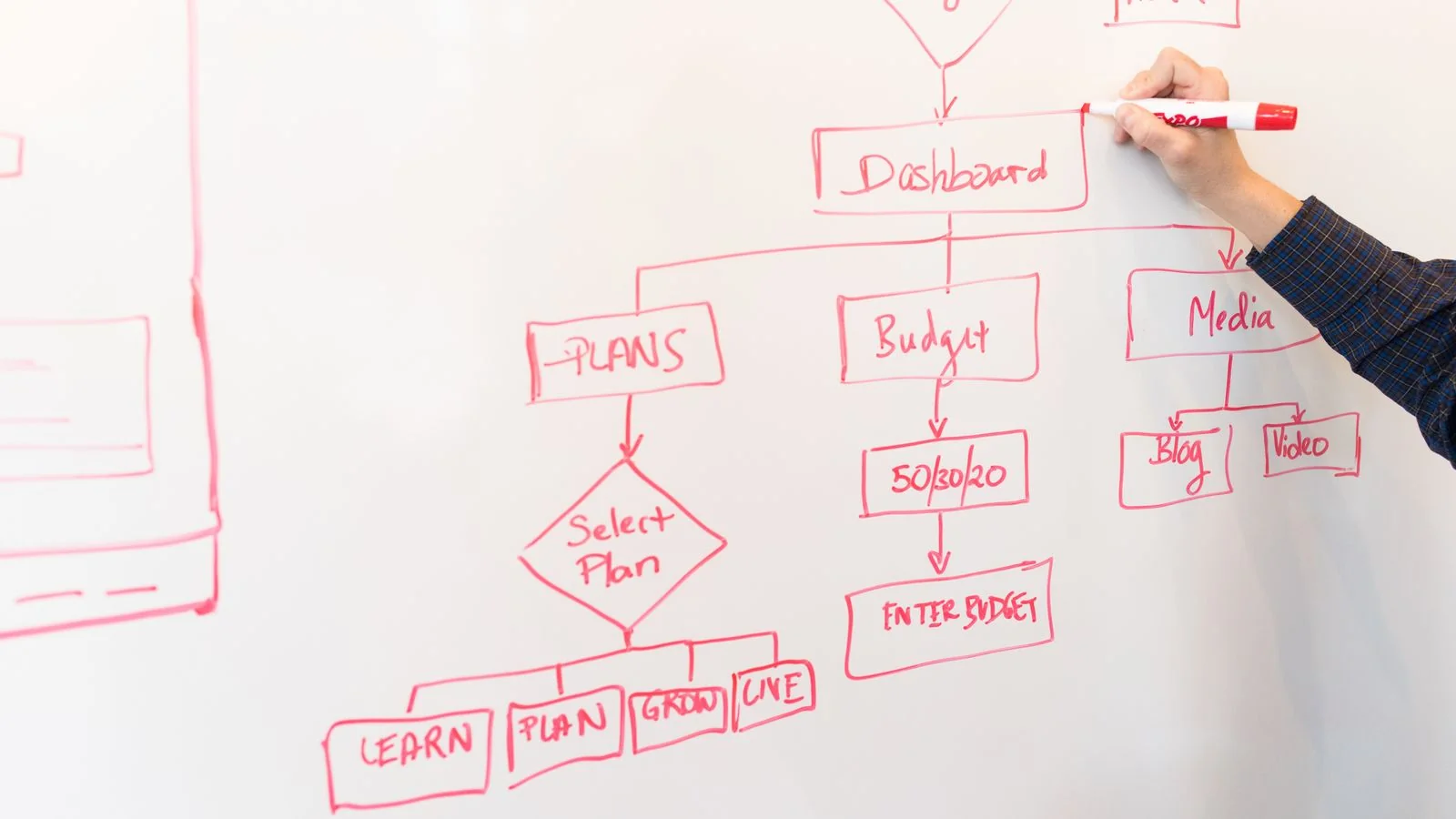
Before anything visible changes, get brutally clear on the gap between how you are perceived now and how you want to be perceived. Write down what people currently associate with you, the skill, the role, the reputation, and then write the new association you are after. The distance between those two is the actual scope of your rebrand, and naming it honestly prevents the most common mistake: changing the surface while leaving the substance untouched.
This step is uncomfortable because it forces a decision. You cannot be known for everything, and a rebrand that tries to add a new identity without subtracting the old one just blurs you further. Decide what you are moving toward and, just as important, what you are willing to stop being known for. The professionals who rebrand cleanly are the ones who chose a sharper, narrower position, not a wider one. Narrow is what makes you legible to people and to machines alike.
Step two: find the bridge from old to new
The fear that stops most rebrands is looking flaky, and the fix is a bridge. A bridge is the honest throughline that connects what you were doing to what you are doing now, so the change reads as evolution rather than whiplash. The marketer who becomes an AI consultant bridges through “I spent ten years learning what actually moves customers, and now I help companies do it with AI.” Same person, clear logic, no broken trust.
Find your bridge before you announce anything. It protects the audience and reputation you already built, which is an asset most people throw away when they rebrand by starting from zero. A well-built bridge lets you carry your existing credibility into the new positioning instead of abandoning it. The reset is not about erasing your past; it is about redirecting the momentum it gave you.
Step three: rewrite your core message

With the destination and the bridge decided, rewrite the sentence that explains what you do. This is the line that goes on your site, your profiles, in your introductions, the one-sentence answer to “what do you do now.” It should state the new positioning in plain, specific language a stranger could repeat accurately after hearing it once. If people cannot repeat it, the market cannot spread it, and a rebrand spreads or it dies.
Specificity is the whole game here. “I help businesses grow” updates nothing because it described the old you too. The test is whether your sentence could only describe you. If a hundred other people in your field could put their name in front of the same words, the words are not a position, they are wallpaper. Push the sentence until it names the specific audience you serve, the specific outcome you deliver, and ideally the specific method you use, because that combination is what makes you findable and memorable instead of interchangeable. “I help dental practices fill their schedules with the right patients using AI search” is a position the market can grab onto. Write the sentence, test it on real people, and refine it until they can play it back to you. Then use it everywhere, identically, because consistency is what turns a phrase into a reputation.
Step four: produce proof of the new you
A new message with no evidence behind it is a claim, and claims do not move reputations. Step four is producing the body of work that proves the new positioning: the articles, the talks, the projects, the case studies that demonstrate you actually do the new thing. This is the slow, unglamorous middle of a rebrand, and it is where most people quit, because they expected the announcement to do the work the output has to do.
Aim for consistency over intensity. A steady stream of aligned content, all pointing at the same new position, compounds in a way that a single launch never will. Every piece you publish in the new lane is a brick in the new identity and, not incidentally, a new entry in the record that both people and AI tools read when they try to describe you. You are not just expressing the new you. You are accumulating the evidence that makes the new you real.
Step five: align every visible asset
Now, and only now, update the visible surfaces: the website, the profiles, the bio, the headshots, the visual identity. They come fifth, not first, because polished visuals on an unclear message just make the confusion look expensive. Once the positioning, the message, and the proof are in place, the visuals are about removing friction, making sure that everywhere someone encounters you, the story is the same.
Audit every place you appear and fix the mismatches. An outdated bio on a conference page, an old description on a directory, a profile that still leads with the previous identity, each one is a vote for the old you that quietly contradicts the new one. Consistency across surfaces is what lets the market form a single, clear picture instead of a contradictory one. The reset only holds if nothing visible is still arguing for who you used to be.
The cadence that turns steps into a reputation
The seven steps describe what to do. The cadence describes how often, and the cadence is where rebrands live or die. Decide on a publishing rhythm you can actually hold, then hold it past the point where it feels like it is working. Most people produce a burst of new-positioning content for three weeks, see no visible change, and quietly drift back to the old identity. The market had not even started updating yet. A rebrand is a signal sent repeatedly until the receiver believes it, and three weeks is not repetition, it is a rounding error.
Think in ninety-day blocks. In the first ninety days, the goal is volume and consistency: enough aligned output, all pointing at the new position, that anyone who looks you up sees a clear, repeated story instead of a single announcement. In the second ninety days, the goal shifts to outside validation, the mentions, interviews, and references that put your new position in other people’s voices. By the end of the second block, the new description should be showing up in places you do not control, which is the first real proof the rebrand is taking. Anything faster is usually wishful, and treating it as a sprint is why so many rebrands collapse halfway.
The discipline that holds the cadence together is refusing to dilute. Every time you publish something off-position to chase a trend or an easy audience, you slow your own rebrand, because you are sending the market two signals and asking it to reconcile them. The professionals who reposition cleanly are ruthless about this: for the length of the rebrand, almost everything they put out serves the one new story. That focus feels restrictive in the moment and pays off as clarity, because a consistent signal repeated over two or three quarters is exactly what moves both human perception and the machine-readable record at the same time.
Step six and seven: earn outside validation, then update the machines
The sixth step is third-party validation, getting other credible sources to describe you in the new terms. Your own claim about your new positioning is necessary but weak on its own. When other people, publications, podcasts, clients, peers, refer to you in the new way, the rebrand gains the outside proof that makes it stick. Pursue the mentions, interviews, and features that put your new position in someone else’s voice, because that is what turns self-description into reputation.
The seventh step closes the loop the old rebrand playbook never had to: update the machines. AI tools describe you based on the record they can read, and if your old positioning still dominates that record, the tools keep returning the old you no matter what your new homepage says. Making a rebrand stick now means refreshing your owned content, earning new aligned mentions across sources the tools trust, and keeping your description consistent everywhere, so that when someone asks an answer engine who you are, the new picture is the one it has. This is also why the narrow, specific positioning from step one pays off twice: a clear, well-defined professional is far easier for a machine to file correctly than a blurry generalist.
Sequence these seven and a rebrand stops being a hopeful announcement and becomes a campaign that actually changes what you are known for. Start with step one this week, the honest gap between who people think you are and who you intend to be, because every other step depends on naming that gap with precision. The market will not update on your schedule. It updates on the weight of consistent, aligned evidence, and the reset is how you build it.