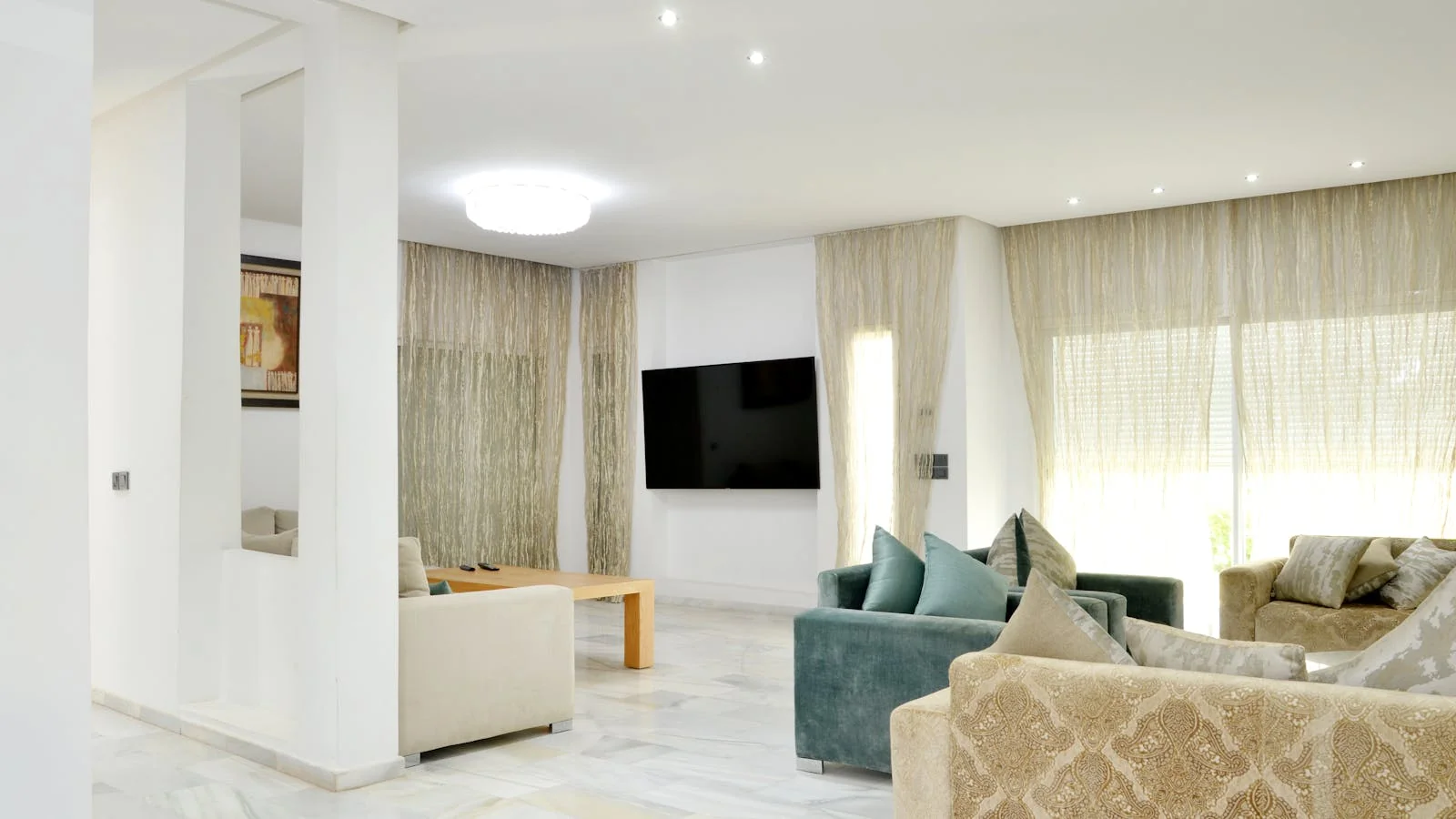
Architectural Digest has run for more than a century, sits inside Condé Nast alongside titles like Vogue and The New Yorker, and is regarded across the design world as the most prestigious shelter publication there is. That pedigree is the first thing to understand about getting featured in Architectural Digest, because it explains why the cold pitch that might work at a trade outlet almost never works here. AD is not short of access; it has the pick of the finest work and the most recognizable names in the world. Being featured is not a slot you apply for. It is a level of access you earn before any pitch is sent, and confusing the two is why most attempts fail before they start.
The useful way to think about it is as a ladder. At the bottom are the strangers sending unsolicited pitches about ordinary projects, who get nowhere. At the top are the designers, architects, and homeowners whose work and relationships make AD come to them. Getting featured is about climbing that access ladder until you are close enough to the publication’s orbit that a feature becomes plausible, then giving an editor a specific, visual, story-worthy reason to say yes. The five paths below are the real routes up that ladder, roughly ordered from the most reliable to the longest shots, and every one of them is about earning proximity and offering genuine quality rather than asking a gatekeeper for a favor.
Path one: let exceptional work and a great photographer do the pitching
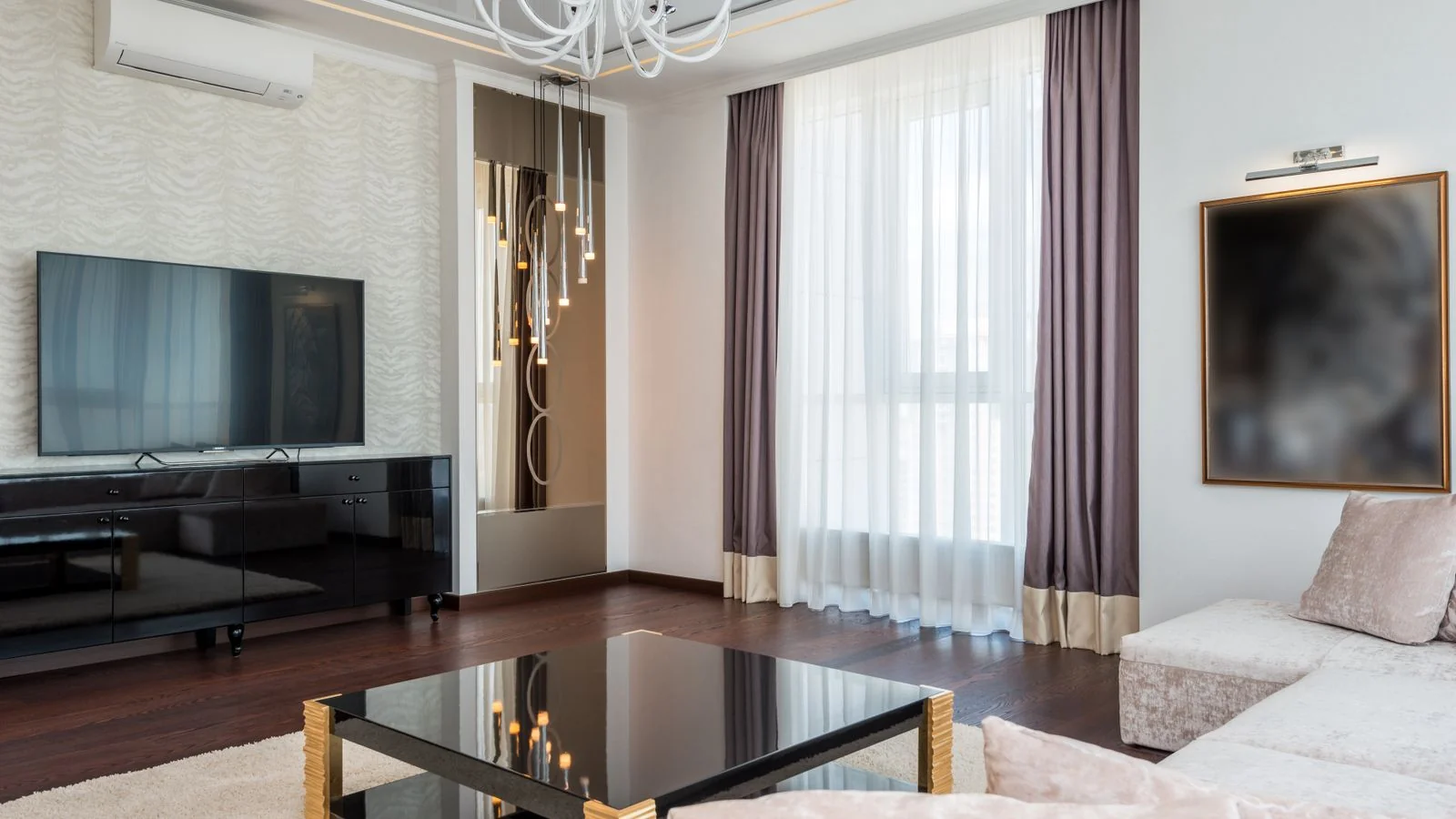
The most reliable path is also the least about pitching: produce work so good, and document it so well, that it becomes featurable on its own merit. Architectural Digest is a visual publication at the top of its field, which means the threshold question is whether the project itself, and the photography of it, meets a standard the magazine’s audience expects. A merely nice project shot adequately does not clear that bar no matter how it is pitched; an exceptional project captured by a photographer who shoots at editorial level can clear it almost regardless of who is doing the pitching.
This is why serious designers and architects invest in professional architectural photography of their best work before they think about coverage. The images are the asset that opens every other door, because editors decide in large part on the visuals, and an AD feature is built around photography that meets their standard. If your work is genuinely strong and your documentation of it is genuinely editorial-grade, you have built the foundation that every higher rung of the ladder depends on. Without it, no relationship or angle will carry you, because the publication simply will not feature work that does not meet its visual standard.
Path two: get represented by the people AD already trusts
The fastest way up the access ladder is to borrow someone else’s position on it. AD’s editors maintain relationships with a network of designers, architects, PR professionals, and industry figures whose recommendations they trust, and being connected to that network puts your work in front of the publication through a door that is already open. A respected interior designer mentioning your project, a design-focused PR firm with real AD relationships representing you, an architect whose work AD already covers vouching for yours, each of these carries weight that a cold approach never will.
This is why representation and relationships matter so much at this level. A PR professional who genuinely works with shelter and design media is not selling you access to a submission form; they are lending you their standing with editors who take their calls. The same is true of the designers and architects in your orbit who already have AD relationships. Climbing this rung means building real connections within the design industry over time, so that when your featurable project exists, there is someone the publication trusts who can put it in front of the right editor with a credible endorsement attached.
Path three: ride the recognized name on the project
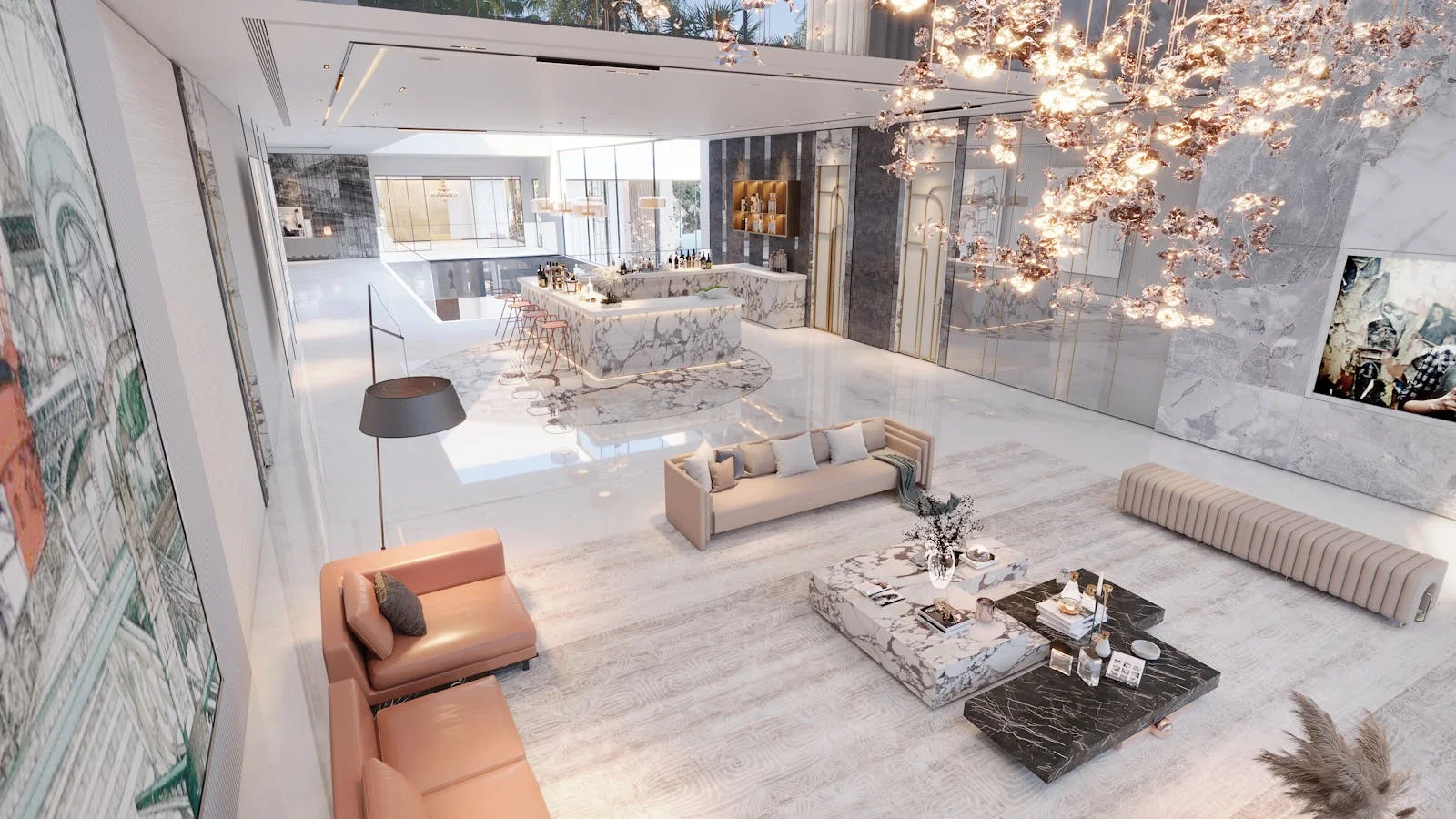
Architectural Digest covers work attached to names its audience recognizes, whether that is a celebrated architect, a notable designer, or a high-profile homeowner. If your project involves someone with that kind of recognition, the name itself is a path to coverage, because it gives the feature a built-in hook and a built-in audience. A beautifully designed home becomes far more featurable when it is the home of a recognizable person or the work of a celebrated practitioner, because AD’s coverage lives at the intersection of design excellence and notable people.
For most people this means being strategic about the projects and collaborations they pursue and document. Working with a recognized architect or designer, or completing a project for a client whose name carries weight, creates exactly the kind of story AD is inclined to tell. The name does not replace the requirement for excellent work and great photography, it amplifies them, turning a strong project into a strong project with a reason to be covered now. When a recognized name is genuinely part of your project, make sure that connection is clear, because it is one of the most direct hooks the publication responds to.
Path four: bring an angle, not just a pretty room
AD publishes more than glossy home tours; it covers design trends, notable approaches, distinctive philosophies, and stories about the people and ideas shaping the field. That breadth is a path for work that is exceptional but not attached to a famous name, because an editor can feature a project that embodies something worth talking about. A home that pioneers a genuine design approach, a project that exemplifies an emerging trend, a body of work with a distinctive and articulable point of view: these give an editor a story beyond the visuals.
Climbing this rung means understanding what the publication is actually exploring and connecting your work to it honestly. It is not enough to have a beautiful project; you need to be able to say what about it matters to the design conversation, what it represents, why it is interesting now. The strongest version pairs the visual quality from path one with a real idea, so the editor gets both the images that meet the standard and the angle that makes the feature about something. An articulate point of view, backed by work that demonstrates it, can earn coverage that a nameless pretty room never would.
Path five: build your own profile until AD notices
The longest but most durable path is becoming, over time, a figure the design world recognizes, so that AD’s attention comes to you. Editors watch the field, and a designer or architect who builds a genuine reputation through consistently excellent work, a clear point of view, and visibility in the places the industry pays attention to eventually registers on the publication’s radar. This is the slow climb, building real standing in the profession until your name is one an editor already knows when your featurable project appears, which collapses the distance every other path has to cross.
This path is the foundation under all the others, because a recognized profile makes representation easier to attract, makes recognized collaborators more willing to work with you, and makes editors more receptive when your work reaches them. It is built the way any real reputation is: do exceptional work consistently, develop and express a genuine point of view, become known in your corner of the industry, and let the recognition compound. There is no shortcut at the top of this ladder, and the people who get featured in Architectural Digest are overwhelmingly the ones who climbed it the real way, by producing work and building standing that made the access they earned look, from the outside, like it came easily. Earn the access, document the work to the publication’s standard, give an editor a genuine reason, and the feature stops being a long shot and becomes the natural next step for someone the design world already takes seriously.
The things that quietly disqualify you
Most attempts to get featured in Architectural Digest fail not because of a single dramatic mistake but because of quiet disqualifiers the sender never sees. The most common is documentation that does not meet the standard. A genuinely beautiful project shot on a phone or by a non-specialist photographer simply will not clear the bar, because the publication is built around photography at an editorial level, and no pitch can compensate for images that fall short of it. Many strong projects never had a chance because the photography was an afterthought rather than the foundation.
The second quiet disqualifier is approaching the publication as a stranger with a transaction in mind. A cold pitch about an ordinary project, with no relationship, no recognized name, and no real angle, asks an editor to take a risk on an unknown for no reason, and editors at a publication with the pick of the field have no incentive to do that. The access ladder exists precisely because proximity and credibility are what open the door, and arriving with none of either, however polite the email, reads as someone who has not understood how the publication works.
The third is mistaking your enthusiasm for the publication’s interest. Being proud of a project is not the same as the project being right for this specific audience, and pitching without honestly assessing whether the work and the story meet the standard wastes the editor’s time and your credibility. The fix for all three is the same discipline the five paths describe: document the work to the publication’s standard before you pitch, build genuine proximity through the people and names AD already trusts, and bring a real angle rather than just pride. Remove the quiet disqualifiers first, because a single one of them ends the conversation before your actual case is ever heard, no matter how good the underlying work happens to be.
The encouraging part, underneath all the gatekeeping, is that everything the publication rewards is also just good professional practice. Documenting your best work to a high standard, building genuine relationships across your industry, developing a real point of view, and becoming known for the quality of what you do are not tricks invented to game a magazine; they are how a serious design career gets built anyway. The access that leads to a feature is a byproduct of doing the work well and being known for it, which means the effort is never wasted even in the issues where the feature does not come.
So treat the climb as the real work and the feature as the natural consequence of it. The designers and architects whose projects appear in Architectural Digest are, with very few exceptions, the ones who did exceptional work, documented it to the publication’s standard, built genuine standing in their field, and earned the proximity that made an editor receptive. Do those things in earnest and the access stops being something you chase and becomes something your reputation produces, which is the only version of getting featured that is both reliable and worth having.