
The first real press hit I helped a founder earn was not a feature. It was two sentences of quoted commentary in a Business Insider piece about remote hiring, and she almost dismissed it as too small to matter. Six weeks later a reporter at a larger outlet found that quote while researching the same topic, reached out because she was already on record as a credible voice, and gave her a full profile. That two-sentence quote was the rung she stepped on to reach the profile. This is how personal brand press coverage actually works, and it is almost never the way people imagine, which is a big feature appearing out of nowhere because they deserved one.
Reporters do not cover you because you exist, have a nice website, or want exposure. They cover you because you make their job easier on a story their readers care about. The founder who sat waiting to be discovered got nothing. The one who made herself useful to a reporter on deadline got two sentences, and then those two sentences got her everything else. Coverage compounds, and the whole game is getting onto the first rung so the compounding can start.
Why nobody covers you yet

The uncomfortable truth is that “I have an interesting story” is not a reason for a reporter to write about you, because every person they have ever ignored believed the same thing. Reporters are not talent scouts looking for deserving individuals. They are professionals with beats, deadlines, and readers, and they need sources who deliver a specific thing: credible, quotable, timely input on a topic they are already covering. If you are not offering that, you are asking for a favor, and favors do not scale.
There is also a trust gap. A reporter putting your name in print is vouching for you to their audience and their editor, and they will not do that for a stranger with no track record. This is the catch that traps most people: you need coverage to be seen as credible, but you need credibility to get coverage. The way out is not to leap the gap but to climb it, starting with the smallest placements that ask for the least trust and building from there. That climb is what the ladder below describes.
The personal-brand press ladder
I organize the whole journey as a four-rung ladder, because coverage is sequential, not random. Each rung requires slightly more trust than the last and, once earned, makes the next rung reachable. Try to skip to the top and you get ignored. Climb in order and each placement becomes evidence for the next pitch.
The first rung is the expert quote, a sentence or two of commentary in someone else’s story. The second rung is the contributed piece or podcast appearance, where you get real space to demonstrate your thinking. The third rung is the feature or profile, where a reporter builds a story around you. The fourth rung is the recurring source, where journalists come to you because you are the known voice on your topic. Most people fixate on rungs three and four and never touch one and two, which is exactly why they stay on the ground. The bottom rungs are not lesser, they are the ladder’s foundation.
Rung one: become the easy quote
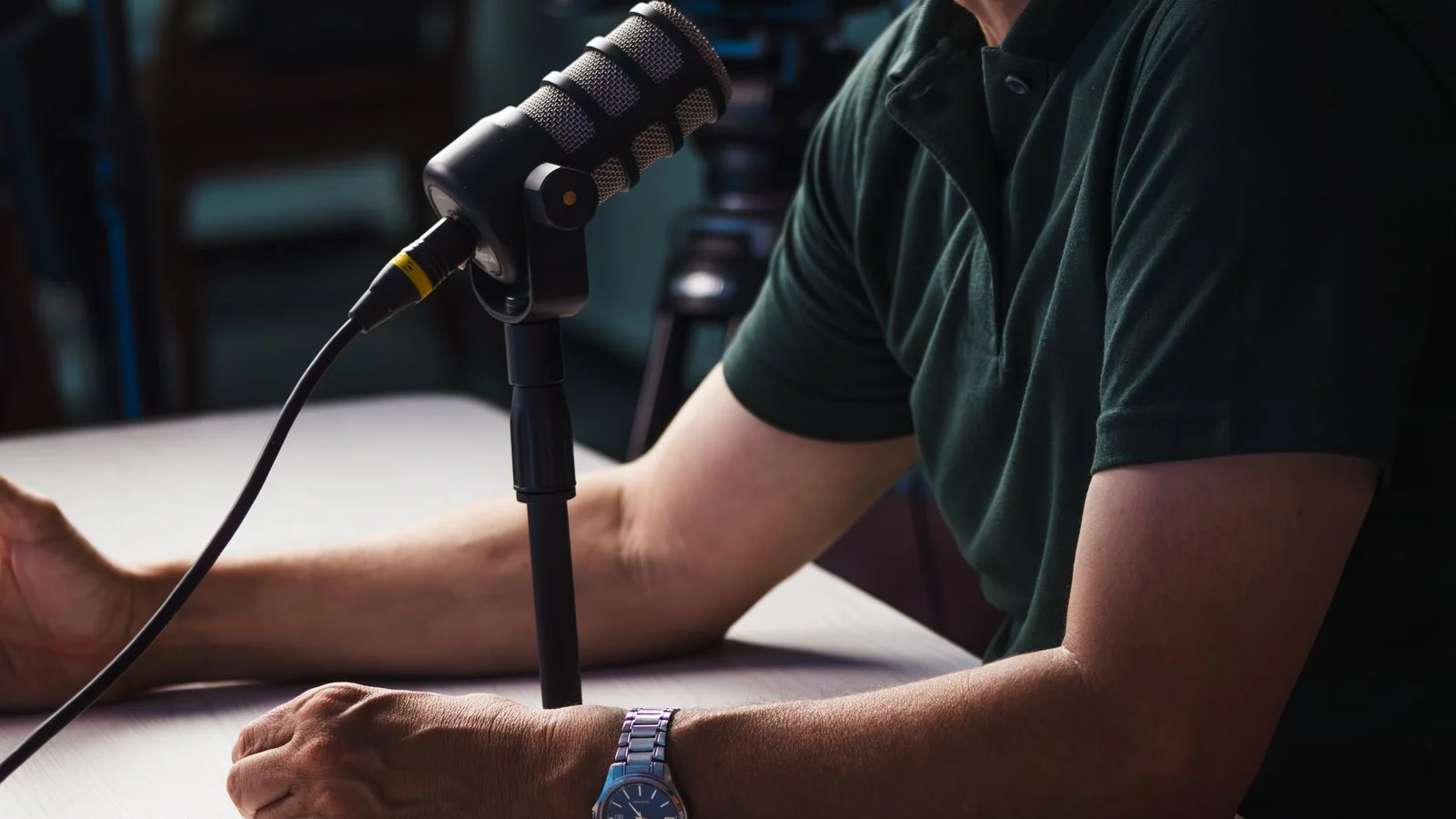
Getting quoted is the fastest way onto the ladder because it asks the least of a reporter. They already have the story, they just need a credible voice to strengthen it, and you can be that voice within hours. The mechanism is source-request services, where journalists post exactly what they need and wait for good responses. Answer fast, answer specifically, and answer in a way the reporter can paste straight into their draft, and you get quoted.
Speed and usefulness win here more than credentials. A reporter on deadline will quote the person who sent a clear, insightful, ready-to-use response over the more impressive expert who took two days and wrote three rambling paragraphs. Treat every request as a chance to make the reporter’s next hour easier: lead with your sharpest point, keep it tight, and include a one-line credential so they know how to attribute you. Stack up a few of these quotes and you have the raw material that makes higher rungs believable.
Rung two: earn space to think out loud
Once you have a couple of quotes proving you are quotable, the next rung gives you room to show depth: a contributed article, a podcast interview, a panel. These placements let a reporter or host see that you have more than a soundbite, and they produce longer clips you can point to. The pitch shifts here from “I can comment” to “I have a specific take worth a full segment,” anchored to the credibility your earlier quotes established.
The move that works is trading on relevance and track record together. Reach out to podcasts and publications in your lane with a concrete angle, not a bio, and reference the quotes you have already earned as proof you deliver. Each rung-two placement is both a credibility asset and a bigger stage, and together they set up the feature that comes next.
Rungs three and four: get built into the story
By the time you reach the feature, you are no longer asking a stranger to trust you. You are a source with a visible track record of quotes and appearances, which is exactly what a reporter needs before building a whole story around a person. Features tend to come to people who have made themselves consistently useful and visible, because reporters research their subjects and find a trail of credible commentary. The founder whose two-sentence quote led to a profile did not pitch the profile. She earned it by being on the lower rungs when the reporter went looking.
The top rung, recurring source, is where the ladder inverts and reporters come to you. Once you are the known voice on a topic, journalists covering that beat reach out first, because you have proven you are reliable, quotable, and available. Getting here takes months of climbing, but the payoff is coverage that arrives without pitching. Personal brand press coverage stops being something you chase and becomes something that finds you.
Nobody covers you because you exist. They cover you because you made yourself the easiest, most credible source on a story they were already writing. Start on the first rung, be the fast and useful quote, and let each placement earn the next. The founder who waited to be discovered is still waiting. The one who climbed is now the person reporters call first.