
“I am not booking guests. I am booking segments.” A veteran talk-radio producer said that to me on a prep call, and it reframes the whole problem. Most people trying to get on radio shows pitch themselves: their title, their book, their company. Producers do not care about any of that on its own. They care about whether you can fill ten compelling minutes of airtime that their audience will not switch off. Hand them a segment, not a biography, and the booking gets easy.
Radio is one of the most reachable forms of media and one of the most underused by people building authority. There are thousands of talk shows, public radio programs, and radio-style podcasts hungry for guests who can actually talk. The bar is not fame. The bar is being interesting, available, and easy to book. Here are the five pitches that get producers to say yes.
Understand what a producer is actually afraid of
Before the pitches, understand the fear driving the person on the other end. A producer’s nightmare is a guest who freezes, rambles, plugs their product nonstop, or gives one-word answers on live air. Every booking decision runs through that fear. Your pitch has to signal, fast, that you are a safe pair of hands who will make the host sound smart and keep the audience listening.
This is the lens behind what we call the Booker’s Filter: is the topic timely, is it relevant to this specific audience, and is this person clearly able to carry a conversation. Pass all three and you get booked. Most pitches fail the third quietly, because they prove the person has credentials without proving they can talk. Showing you can talk is the whole edge.
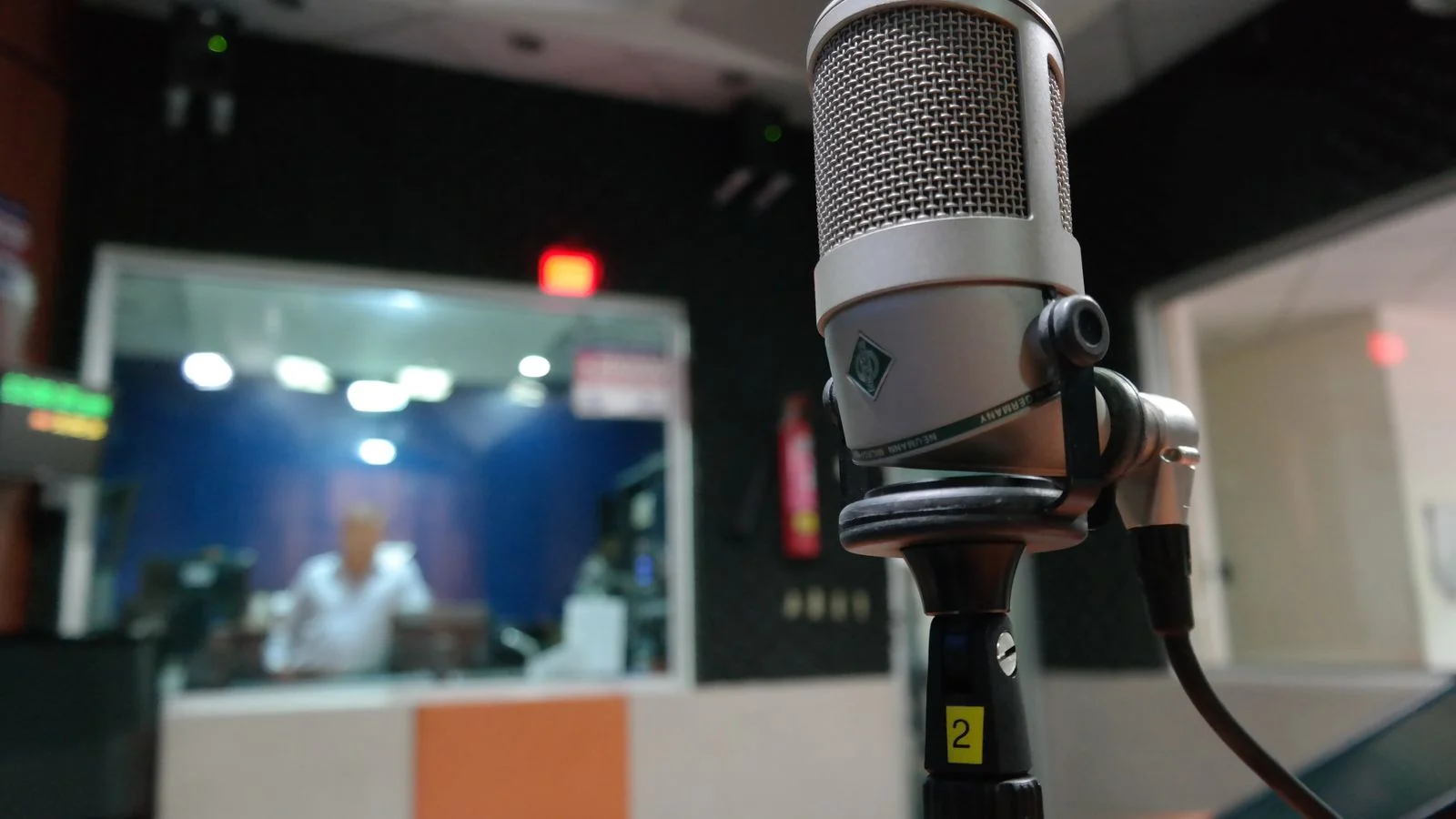
There is a second fear too, the fear of being used. Producers have been burned by guests who turned a content segment into a thinly veiled commercial, and the audience punishes that with the dial. Signal early that you understand the difference. Your job on air is to be useful to the listener first, and the credibility that earns is worth far more than any product mention you could have squeezed in. Producers can feel the distinction in a pitch, and the ones who lead with value get the call.
Pitch 1: tie yourself to what is happening this week
The fastest way to get on radio shows is to attach your expertise to a story already in the news. Producers build segments around what their audience is already thinking about, so a pitch that connects your knowledge to this week’s headline gives them a ready-made show. “I can explain what the new rule actually means for ordinary people” is a segment. “I am an expert in my field” is not.
Speed matters here. News pegs decay in days, so a relevant, timely pitch sent within hours of a story breaking beats a perfect pitch sent next week. Watch your space, and when something happens that you can credibly speak to, get the email out fast with a clear segment angle and your availability.
One more note on timeliness: producers also book ahead for predictable moments, holidays, tax season, the start of the school year, the new year. If your expertise maps to a date on the calendar, pitch it a few weeks early when the producer is planning, not the day it arrives, and you will often beat the rush of last-minute pitches chasing the same peg.
Pitch 2: bring a counterintuitive take
Radio runs on conversation, and conversation needs tension. A guest who confirms what everyone already believes is boring. A guest with a respectful, well-argued contrarian position gives the host something to push against, which is exactly what makes a segment lively. Pitch the angle that challenges the easy assumption in your field, and producers hear good radio.
The take has to be defensible, not just provocative. You are offering a debate the host can run, not a stunt. When you frame your pitch around “most people think X, but here is why that is wrong, and what to do instead,” you hand the producer a clear arc with built-in drama, and arcs with drama get booked.
Pitch 3: offer a segment built around the listener
The shows that book you are the ones whose audience benefits. Reframe your expertise as practical value for the specific listener. A financial expert does not pitch “my investing philosophy,” they pitch “three money mistakes your listeners are making right now and how to fix them this month.” The producer can picture the audience leaning in, and that picture is what closes the booking.
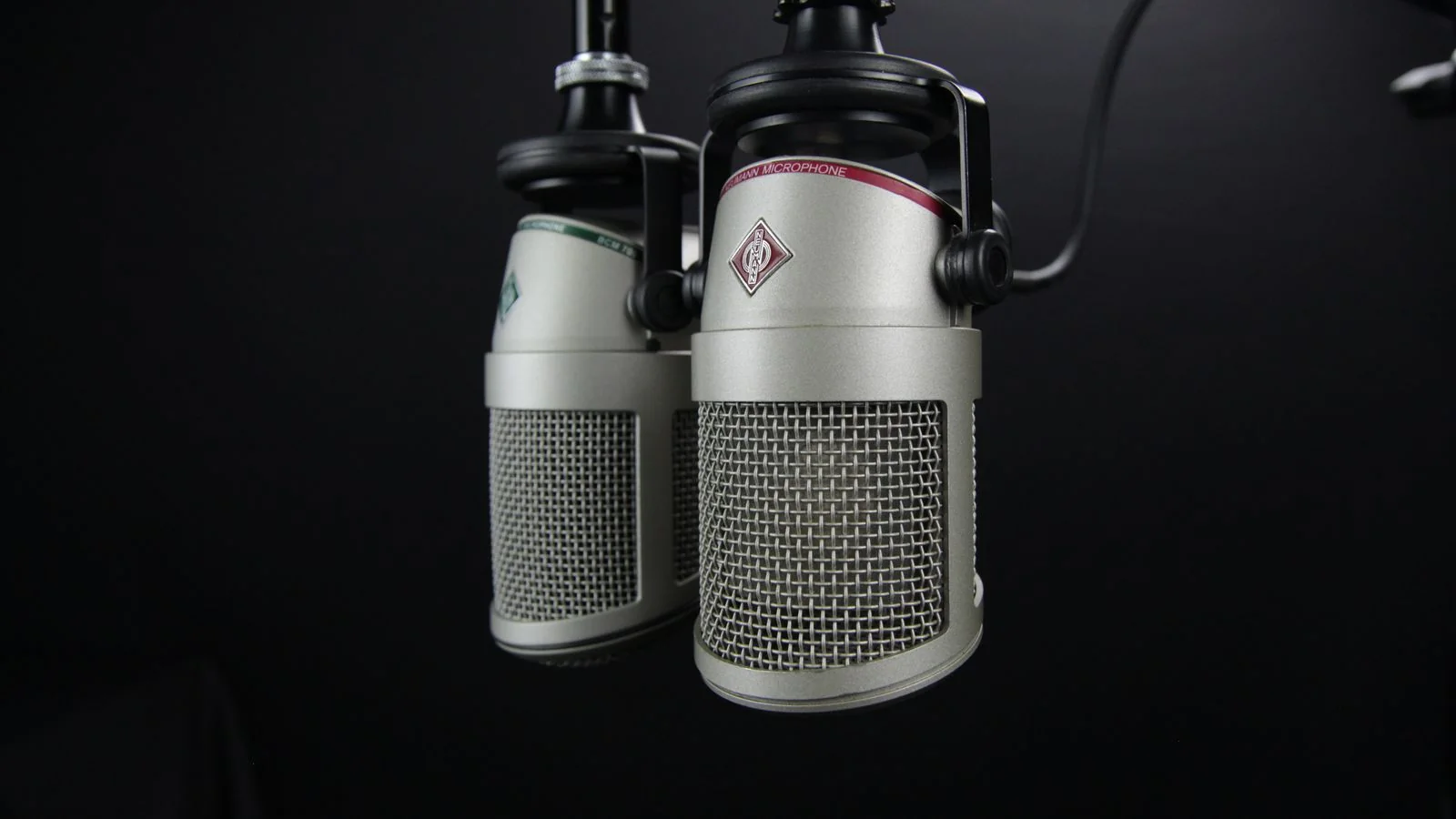
Do the work of designing the segment for them. Suggest the angle, a few talking points, even a couple of questions the host could ask. You are not being presumptuous, you are being easy to book, and easy to book beats impressive every time when a producer is filling tomorrow’s show under deadline.
Pitch 4: prove you can talk before they ask
The single biggest objection, can this person actually carry a conversation, is the one you should answer before it is raised. Include a link to a clip: a previous interview, a short video of you explaining something, a podcast appearance. Thirty seconds of you speaking clearly does more than a page of credentials, because it removes the producer’s core fear directly.
If you have no clips yet, make one. Record a two-minute video of yourself answering a likely question, post it, and link it. A founder we worked with went from zero radio bookings to four in a month after adding one short clip to her pitch, because the clip turned an unknown risk into an obvious yes. Producers book what they can hear.
Prepare like the interview is live, because it is
The booking is only half the job. A guest who gets on radio shows and then performs poorly does not get invited back, and worse, the host quietly warns peers. Live radio is unforgiving in a specific way: there is no editing, no second take, and dead air or rambling is painful for everyone listening. The guests producers love are the ones who can deliver a tight, lively answer and then stop, leaving room for the host to drive.
Prepare your core messages before you go on. Decide the two or three points you want every listener to walk away with, and have a crisp, conversational way to say each one. This is not memorizing a script, which sounds robotic, it is knowing your destinations so that wherever the host steers, you can land somewhere useful. The guests who sound natural are almost always the ones who prepared hard enough to relax.
Practice talking in soundbites. Radio rewards the answer that is vivid and short over the answer that is thorough and long. A concrete example, a surprising number, a quick story, these land on air far better than a careful explanation that loses the audience halfway through. Rehearse saying your key points in fifteen seconds, because the host will often give you exactly that long before moving on.
Mind the mechanics too. If you are calling in, use a quiet room and a decent connection, since bad audio gets a guest cut off and remembered for the wrong reason. Have water nearby, stand up if it gives you energy, and smile while you talk, because listeners hear it even though they cannot see it. Resist the urge to plug your product every thirty seconds, which is the fastest way to annoy a host, and trust that being genuinely useful does more for you than any plug. Deliver a great segment and you do not just earn one appearance, you earn the call-back that turns radio into a steady channel.
Build a target list before you send a single email
The people who get on radio shows regularly do not pitch at random. They work from a list. Spend an afternoon building one before you write any pitch, because aiming matters more than volume. Start with the obvious: local AM and FM talk stations, public radio programs in your region, and the syndicated shows that cover your subject. Then widen into the gray zone where radio and podcasts now blur, since many radio-style shows distribute as podcasts and book guests the same way.
For each show, note three things: the host’s name, the kind of guest they actually book, and the audience they serve. A finance show that books practical, plain-spoken guests is a different target than one that books polished celebrity authors, and your pitch should bend to fit. Listen to two or three recent episodes per show before you reach out. Twenty minutes of listening tells you the format, the segment length, the host’s style, and the gaps you could fill, which is intelligence no media database will hand you.
Prioritize the list by fit, not by size. A small show whose audience is exactly your buyer is worth more than a big show whose audience will never care about your topic. Beginners chase the largest reach and get ignored. The faster path is to start with the shows where you are an obvious fit, rack up a few appearances and clips, and use that track record to move up to bigger programs that now see you as a proven, safe booking.
Keep the list living. Add shows as you discover them, note who replied and who passed, and track which angles landed. Over a few months this becomes a private map of the media in your space, and a warm relationship with even two or three producers will out-produce any cold blast, because in radio, like in all media, the booker would rather call someone they already trust.
Pitch 5: make yourself absurdly easy to schedule
Radio moves fast and producers love a guest who removes friction. State your availability up front, confirm you can join by phone or studio link on short notice, and respond to any reply within the hour. Many bookings go not to the best possible guest but to the good guest who answered first and was free when the slot opened.
Keep a small kit ready: a one-line bio the host can read, your topic angle, your clip, and your scheduling availability, all in a message you can send in two minutes. The exposure pays off beyond the live moment, because the recording becomes a clip you reuse and a credibility marker that strengthens how you show up everywhere else, including the AI search results that now read your media history. Pitch the segment, prove you can talk, and make saying yes the easiest thing on the producer’s to-do list.