On November 1, 2026, The Diary of a CEO passed The Joe Rogan Experience on YouTube’s podcast charts. The count that day, according to a FlightStory release carried by Podnews, was 21.3 million subscribers to Rogan’s 21.2 million. Ten days earlier the show had published an interview with Ukrainian President Volodymyr Zelenskyy, recorded in Ukrainian with two human interpreters and dubbed into more than 20 languages with AI voice tools. By early November it had passed 7 million views. Steven Bartlett started the show in a Manchester bedroom in 2017, and by his own account about 40 people listened to the first episodes.
That arc tells you most of what you need to know about how to get on Diary of a CEO in late 2026. This is no longer a scrappy interview show that books founders who send a nice email. It is a global media property with a guest strategy director, a research team, an independent fact-checking process and a host who has told his staff, in plain words, that a big following is not a reason to book someone.
So the useful question is not “who do I email?” It is “what does this team need, and do I have it?”
What The Diary of a CEO looks like in 2026
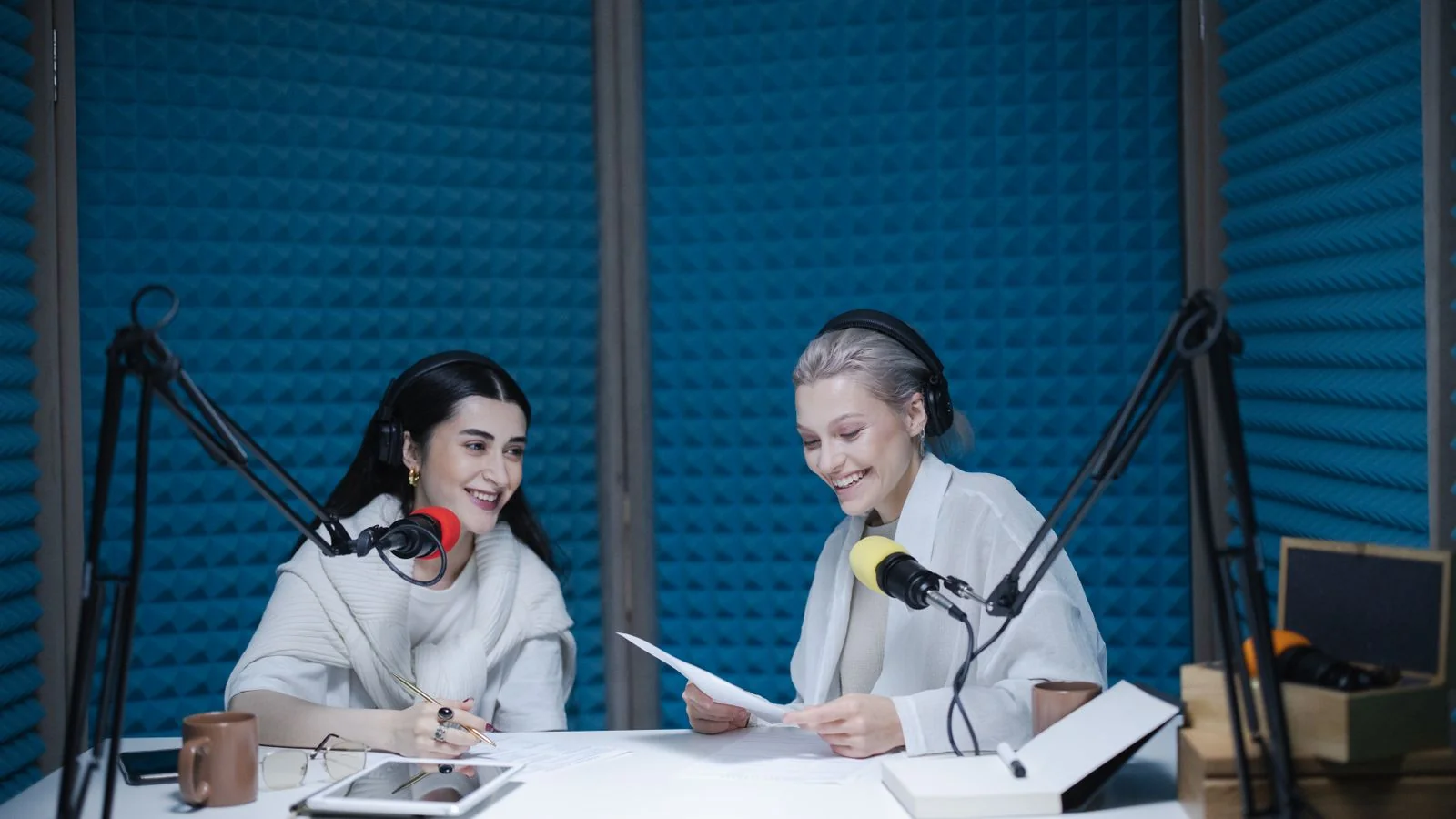
The format has stayed simple while everything around it has grown. Bartlett sits across from one guest for a long, unhurried conversation, and the full episode runs as video on YouTube and as audio on every podcast app. Episodes usually run well over an hour, and many pass two. Apple’s podcaster support page describes the goal as giving guests room to speak without time limits or a hidden agenda, and says guests often describe the experience as “like a therapy session.”
The channel published 87 full-length episodes between January 1 and October 31, 2026, according to the Podnews release, which works out to roughly two a week. Wikipedia counted 799 episodes in total as of February 13, 2026. That is two seats a week, against every author, founder, doctor and politician who wants the reach.
The reach is real. Podscribe ranked the show first by average audience per episode in July 2026, at about 4.44 million. Bartlett won the 2026 Webby for Individual Creator in podcasting, and Fortune reported on October 20, 2026, that he expects the show to bring in about $60 million in revenue this year.
The guest mix has also moved. Bartlett began with business figures such as Richard Branson and Brian Chesky, and Business Insider reported in October 2026 that he has shifted toward emotional and lifestyle subjects, with recent guests including Adam Neumann, Ivanka Trump and the comedian Druski. Fortune noted interviews with Kamala Harris and JD Vance. Add Zelenskyy, and you can see the ceiling rising every quarter. A first-time founder is competing with heads of state.
Who decides who sits in the chair?
The show is made by FlightStory, Bartlett’s media company, which also produces We Need to Talk, Hot Smart Rich, Begin Again and The Line. The Next Web, citing Business Insider in July 2026, put the company at about 150 staff, with a speakers arm and a distribution unit for other creators.
The person to understand is Winnie Dunbar Nelson. FlightStory appointed her Guest and Research Director on January 21, 2026, according to Podcasting Today, with a remit covering guest strategy and research across all of the company’s shows, The Diary of a CEO included. She spent more than 20 years in US and UK television, with credits on The Oprah Winfrey Show, NBC News, CNN and ITV, and she created Piers Morgan Uncensored. FlightStory chief executive Georgie Holt described guest strategy in that announcement as “a growth lever.” That is a television booking philosophy, and you should pitch accordingly.
Below her sit guest producers. A FlightStory job listing for a Guest Producer on The Diary of a CEO, updated in August 2026 and filled by mid September, spells out the work. The producer reports to the Director of Guests and Research, monitors YouTube, social media and culture to spot “emerging voices, outliers,” analyzes social, search and audience trends to inform bookings, and researches each candidate’s expertise, background and unique angle before pitching them to Steven. The same listing mentions building relationships with guests, agents and publicists, and working with a Head of Research on props, imagery and visual aids for episodes.
That is the booking process in writing. Producers find people through platform signals, research them, and pitch them upward, and Bartlett makes the final call. Your pitch works best when it confirms what the producer can already see in the data.
The team has also turned over. Business Insider reported in July 2026 that four core staffers left within five months, including executive producer Jem Erith. Check who holds the guest roles today before you write.
The health guest problem that rewrote the rules
No account of how to get on Diary of a CEO is complete without December 2024. The BBC World Service reviewed 23 health-related episodes released between April and November that year and reported that 15 of them contained potentially harmful health claims, an average of 14 per episode, judged by medical experts. Examples cited in coverage included claims that diet could reverse conditions such as PCOS and autism, and that a keto diet could treat cancer in place of proven care. Critics pointed to guests linked with alternative medicine and to Bartlett’s failure to push back, including on cardiologist Aseem Malhotra’s opposition to COVID-19 vaccines.
FlightStory’s first response was defensive. A spokesperson told reporters that the show “offers guests freedom of expression” and that “each guest episode is thoroughly researched prior to commission,” and called the BBC’s review “disappointing, misleading and frankly, disingenuous.”
The process changed anyway. Fortune reported in October 2026 that the team contracted a full-time medical PhD to review health episodes, added on-screen context to contested claims, and removed material it could not adequately contextualize. An independent review team now fact-checks every episode before publication, not only the health ones. Bartlett told Fortune that framing decides what stays: a guest presenting a hypothesis from early research gets treated differently from a guest stating something as settled fact. The Next Web also noted fact-check labels on some YouTube episodes where guests make contested claims.
For anyone pitching, this has three consequences. Your claims will be checked by someone whose job is to find the weak ones. Overstated certainty is now a liability, because a confident line the reviewer cannot support either gets cut or gets a label under it in front of millions of viewers. And health, nutrition and longevity guests carry the heaviest scrutiny of all. If your expertise lives in that territory, your evidence file matters more than your story.
Run the Four-Hour Chair Test
The best booking criterion for this show came from Bartlett himself. In an October 9, 2026, Business Insider piece on burnout, he described what he tells his team: “Yes, I know this person has 150 million followers,” but if he wakes up and sees he is “in a chair for four hours interviewing someone that I might not be interested in,” and has to do “two hours of research,” he will eventually burn out.
That is six hours of a host’s day per guest. I built a five-gate model around that number and call it the Four-Hour Chair Test. Each gate is pass or fail. You need all five before you pitch, because the people screening you are applying something close to each one already.
Curiosity. Would Bartlett want to spend four hours with you if no camera were running? This gate is about the host, not the audience. Look at the questions he returns to across recent episodes, such as failure, discipline, loneliness, relationships, money and the cost of ambition, and ask whether your life or work gives him something new to chase on one of them. Expertise alone fails here. A subject he finds fascinating passes.
Depth. Can your story sustain two hours or more without repeating itself? Write out the arc. You need an origin, a turning point, a cost, and a lesson that would surprise the listener. Plenty of strong guests for a 30-minute show fail this gate because their material runs out after the first hour.
Defensibility. Will every factual claim you plan to make survive the independent fact-check? List your ten most quotable lines and attach the source to each. If a line rests on a single small study, be ready to say so out loud. Since 2024 this is the gate that quietly removes guests, and it is the one most pitches never address.
Signal. Can a guest producer see demand for you in the data? The job listing tells you they watch YouTube, search and social trends for outliers. A recent clip that overperformed, a book climbing a chart, a search term rising with your name next to it: those count. A large but flat follower count does not, by the host’s own account.
Range. Does your conversation reach beyond one niche? FlightStory now translates episodes into more than 20 languages, and the Podnews release said 23.3 percent of channel views in 2026 came from non-English audio tracks. A story that only lands with British founders, or only with American marketers, is a weaker bet than one a viewer in Seoul or São Paulo would also feel.
Fail a gate and the fix is usually clear: a new angle for Curiosity, more lived material for Depth, an evidence file for Defensibility, traction elsewhere for Signal, and the human stakes under your expertise for Range.
Earn signal before you ask for the seat
Because producers source from platform data, the most reliable path onto this show starts on other shows. Smaller long-form podcasts let you test your best stories, find out which ones hold attention, and produce clips that travel. When one of those clips catches, it creates exactly the signal the guest producer listing describes. If you have not built that base yet, start with a process for pitching podcasts as a guest and treat the next six months as rehearsal.
Books remain a strong route. Authors are a staple of the show, and publishers’ publicity teams already work with booking teams like FlightStory’s. If you have a book coming, put the show on your publicist’s list early, and give them a pitch angle built around the Chair Test, not the jacket copy.
Press coverage helps too. A profile in a major outlet gives a producer a ready-made research file and gives the fact-checkers something to verify against. The episodes keep working long after release, which is why podcast appearances are now a source for AI answers about the people in them.
I could find no public guest submission form, and FlightStory does not publish booking criteria. The realistic routes are agents, publicists and publishers who already deal with the team, a direct note to current guest staff, and traction a producer can spot without your help.
How to pitch The Diary of a CEO team
When you do write, write for the guest producer, because that person decides whether your name ever reaches Bartlett. Their job is to pitch you upward, so give them the pitch they would want to make.
Open with the story in one sentence, framed around a human question. “A founder who sold her company for nine figures and spent the next year unable to get out of bed” gives a producer something to say in a meeting. “Serial entrepreneur and thought leader available for interview” gives them nothing.
Follow with the signal. Link the clip, the chart position, the search trend or the press coverage that shows people already care. Then add the evidence file: a short note saying that the factual claims you would make are sourced and that you can share the sources with the research team. Very few pitches offer this, and since 2024 it answers the producer’s biggest unspoken worry.
Keep your biography to two lines, and make it explain why you are the person who lived the story. End with availability, including willingness to record in person. Bartlett has opened a studio in Los Angeles, The Next Web reported, alongside the London base, and the guest producer listing warns that recordings can happen in evenings or at weekends.
If you are a health or science guest, add one more paragraph. Name what is established in your field, what is promising but early, and where you stand. That framing maps directly onto how Bartlett told Fortune his team decides what to keep. It also signals that you will not hand the fact-checkers a problem. The same discipline applies to any health reporter you pitch, but here the stakes are higher because the episode stays on YouTube for years.
Prepare for four hours, not forty minutes
If you get the booking, prepare for the length. A four-hour recording, which Bartlett described in the Business Insider piece, will exhaust your rehearsed material in the first hour. What fills the rest is honesty, and that is the part guests underestimate. The show’s appeal rests on guests saying things they have not said elsewhere. Decide in advance which personal stories you are willing to tell, and which you are not, so you are not deciding under studio lights.
The team may build props or visual aids around your episode, according to the producer listing, so expect requests for data or documents ahead of time. Send them promptly.
Expect a long afterlife. The episode will be clipped, translated and watched for years, so leave out any line you would regret hearing in a 30-second clip with no context. Then update your website and press page the day it publishes.
Learning how to get on Diary of a CEO comes down to a single shift in thinking. You are not asking a host for a favor. You are offering a booking team six hours of a host’s day, two hours of research and an episode that has to survive a fact-check and hold attention in 20 languages. So, honestly: if Steven Bartlett cleared his calendar for four hours tomorrow, what would you say to him that no one has heard before?