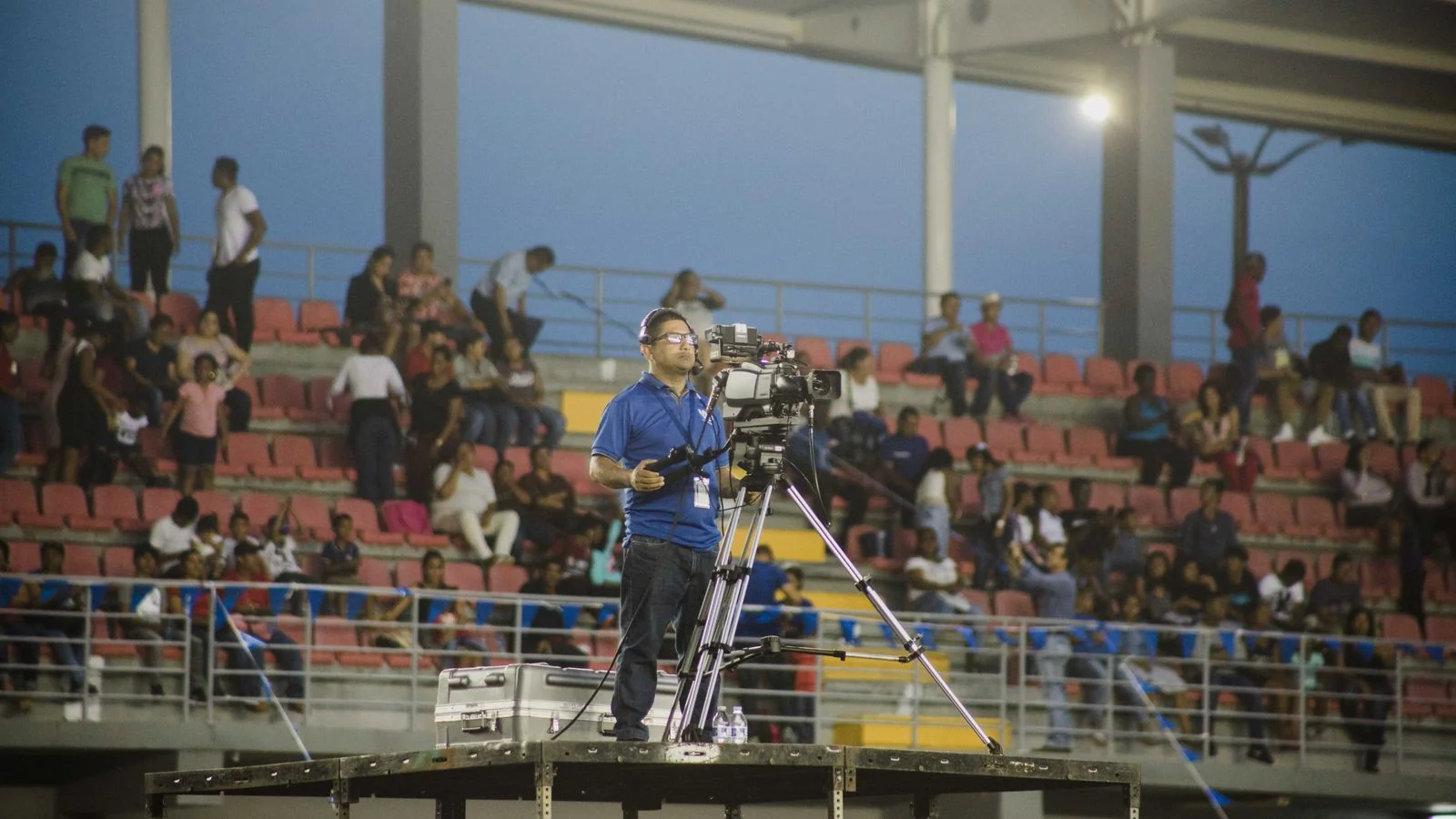
How does a story get from a high school gym in Ohio to SportsCenter?
Almost never through a cold email to Bristol. ESPN is one of the largest sports media operations in the world. Its press room lists eight domestic cable networks, from ESPN and ESPN2 to the SEC Network, ACC Network, and, since April 2026, NFL Network, alongside ESPN.com, the ESPN app, ESPN+, ESPN Audio, and brands such as Andscape and espnW. It has hundreds of reporters and producers who are paid to find stories. They do not need your pitch to fill airtime. What they need is a story that has already proven itself somewhere closer to the ground.
That is the core idea behind learning how to get featured on ESPN. You climb. This guide lays out the ladder.
How does ESPN find stories?

Most ESPN coverage comes from three sources.
The first is the games themselves. ESPN holds rights to a huge volume of live events, and much of its coverage flows from what happens in them: the performance, the controversy, the comeback. If something remarkable happens in a game ESPN airs or follows, ESPN covers it without being asked.
The second is its reporters. ESPN employs beat reporters and national insiders who cover leagues, teams, and topics full time. They develop their own sources and break their own news. The investigative and long-form units, including E:60 and Outside the Lines, generate stories through reporting, not through pitches.
The third is the wider media ecosystem. Producers and editors watch local news, social media, conference networks, and other outlets for stories that are gaining momentum. A local feature that goes viral, a highlight that spreads overnight, or a newspaper profile that resonates will often be picked up and retold for a national audience.
The practical lesson: your best chance is to become visible in one of those three streams.
The Bristol Ladder
We use a framework we call the Bristol Ladder, named for ESPN’s Connecticut headquarters. It has five rungs, and each rung makes the next one easier to reach.
Rung one is local coverage: newspapers, local TV, and school and community media. Rung two is regional and conference coverage: conference networks, ESPN+ streams, and regional outlets. Rung three is becoming a source or subject for ESPN’s own reporters. Rung four is the long-form storytelling units. Rung five is the national studio shows.
Most people try to start at rung five. The ones who get there usually started at rung one.
Rung one: start local
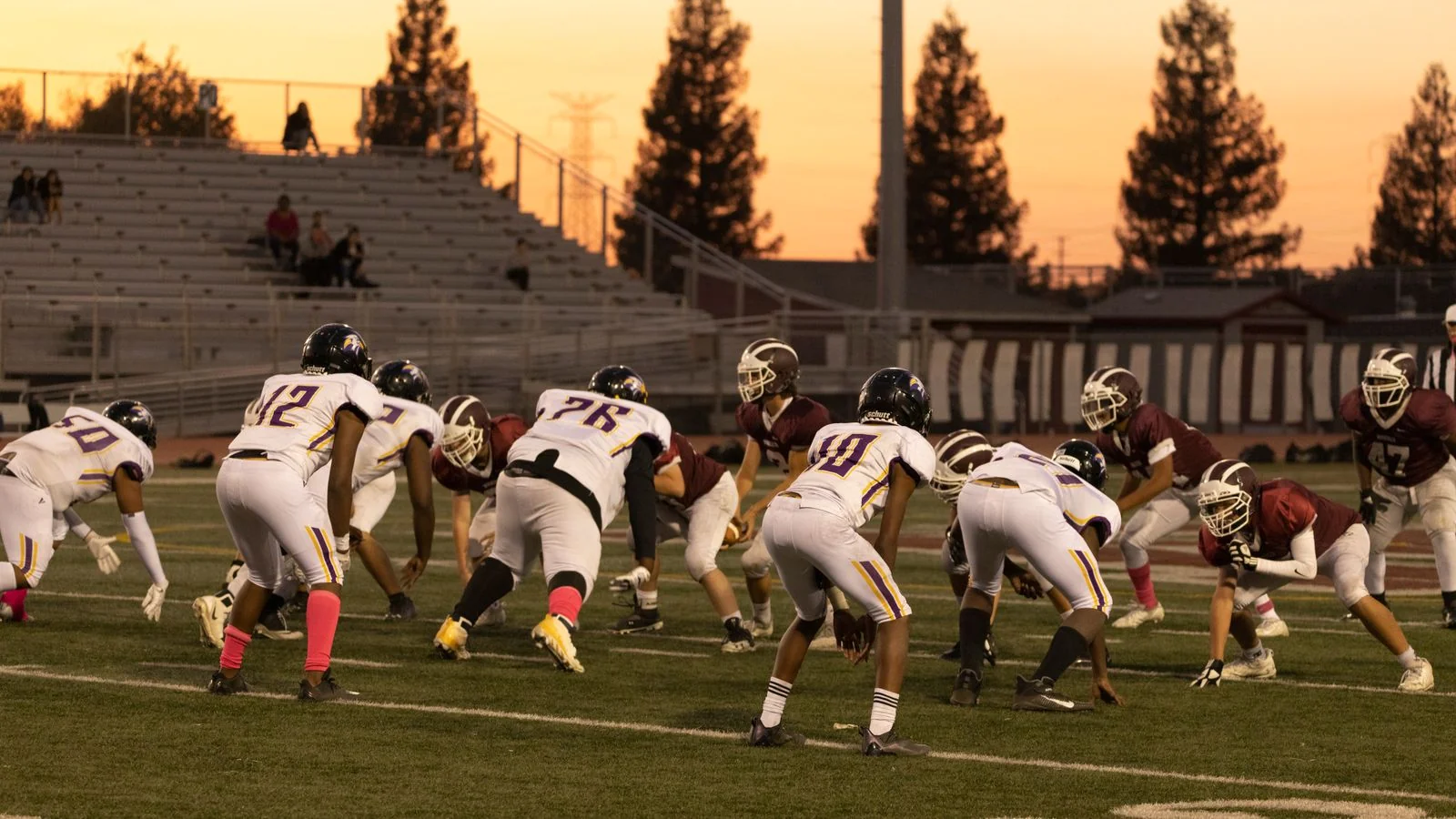
Local media is where sports stories get their first proof. A local TV sports anchor or newspaper columnist is far more reachable than an ESPN producer, and a local story creates the record that national producers look for.
If you are an athlete, coach, or program, build relationships with your local sports reporters. Send them results, stats, and story ideas consistently, not only when you want coverage. Make game footage and photos easy to access. If there is a strong human story behind the team, such as a coach coming back from illness, a walk-on who became a starter, or a program rebuilding after a disaster, tell your local reporter first.
Local stories travel. ESPN affiliates and producers monitor local coverage, and a well-told local feature is often the raw material for a national segment. The local reporter who covered your story first may also be the person who passes it along.
Rung two: conference networks and ESPN+
The middle of the ladder is bigger than most people realize. ESPN’s conference networks and its streaming service carry a large volume of college and niche sports that never reach the main channels. Those broadcasts need stories, features, and storylines to fill pregame and halftime segments.
For college programs and athletes, this is a realistic goal. Work with your school’s sports information department, which manages relationships with conference networks and broadcast partners. Provide broadcast crews with notes, storylines, and access before games. A compelling storyline that a broadcast crew uses on a conference network can be picked up by ESPN’s national shows if it resonates.
For lower-profile sports, ESPN+ has expanded the range of events ESPN carries. If your sport or event is streamed there, the production team needs stories just as much as the main networks do.
Rung three: become a source for ESPN reporters
ESPN’s reporters need sources and experts every day. Becoming one is a durable way to appear on ESPN without being the story yourself.
For experts such as sports medicine physicians, agents, analysts, economists, and lawyers, the path is to build a public track record of clear, reliable commentary on your specialty, then make yourself known to the reporters who cover it. Follow their work. Respond quickly and accurately when news breaks. Offer context, not opinions dressed up as facts. Over time, reliable sources get called first.
For athletes and teams, this rung is about relationships with beat reporters. Being accessible, honest, and responsive builds the trust that leads to features and exclusives later.
Rung four: the long-form units
ESPN’s long-form storytelling, including E:60, Outside the Lines, SportsCenter features, ESPN Films, and the investigative work that appears on ESPN.com, is where the most powerful ESPN stories live. These units are driven by reporting and editorial judgment, and they look for stories with depth, stakes, and emotional weight.
What they look for is a story with a real arc: a struggle, a turning point, a consequence. The best SportsCenter features often focus on human stories that go beyond the score, such as resilience after injury, family, community, or overcoming adversity.
If you think you have a story at this level, the approach is careful. Write a short, specific note, two or three paragraphs, that lays out the story, the people involved, why it matters, and why it matters now. Include any existing coverage that shows the story has already resonated. Send it to a specific producer or reporter whose past work fits, not to a general address. And be prepared for a long timeline. Long-form pieces take months to report and produce.
A workable structure looks like this. The first sentence names the person and the moment: who they are and what happened. The second sentence gives the stakes, meaning what was at risk and what changed. The third paragraph lists proof, such as the local story that ran, the view count on the clip, or the coach and family members willing to talk on camera. Close with access: who can be filmed, when, and where. Producers decide in seconds whether a story can be shot. Making the logistics obvious removes a reason to say no.
Rung five: the studio shows
ESPN’s studio shows, from SportsCenter to First Take, Get Up, and Pardon the Interruption, are built around news, debate, and personalities. They feature athletes, coaches, and analysts who are at the center of the sports conversation.
For most people, getting onto these shows is the result of climbing the other rungs, not a separate goal. Athletes appear when they are newsworthy. Analysts appear when they have built a reputation. If you are an athlete or coach with a major moment, work with your team’s communications staff and your agent, who handle studio appearances through relationships with ESPN’s booking producers.
Andscape, espnW and ESPN Audio
ESPN’s specialized brands are often more accessible than the main channels and are important in their own right.
Andscape covers the intersection of sports, race, and culture, and has its own editorial voice and storytelling projects. espnW focuses on women’s sports and women in sports. Both cover stories and people that the main channels may not prioritize, and both have their own editors and producers.
ESPN Audio includes ESPN Radio and ESPN’s podcasts. Radio shows and podcasts need guests constantly, and they are often the most reachable part of ESPN for experts and personalities with something to say. A strong podcast appearance can also create clips that travel.
If your story fits the focus of one of these brands, pitch it there directly. A story told well on Andscape or espnW is an ESPN feature.
Whichever brand or rung you aim for, remember that television and digital video run on material. A story that cannot be shown is hard for ESPN to tell, no matter how strong it is. Before you climb past the first rung, gather the assets a producer will ask for.
Keep high-quality footage. Game film, practice clips, and behind-the-scenes video shot in good light with clear audio make a story easier to pitch and easier to produce. Phone footage is fine if it is steady and well framed.
Organize photos and records. Archival photos, newspaper clippings, stats, and documents that support the story save a producer days of research.
Line up people who will talk. Coaches, teammates, family members, and community figures who are willing to speak on camera give a story its emotional range.
Have a clear point of contact. One person who can answer questions, schedule interviews, and grant access quickly is worth more than a polished press kit.
These assets help at every rung. A local reporter is more likely to run a story with good footage, a conference network can use it in a broadcast, and an ESPN producer can see at a glance whether a story will work on screen. Part of learning how to get featured on ESPN is making the yes easy.
Brands: earn it, don’t buy it
For companies, ESPN coverage works the same way it does at any serious news organization. Editorial coverage is earned. Advertising and sponsorships are sold, and they are separate.
Brands earn ESPN coverage when they are part of a sports story: a technology that changes how a game is played or officiated, a company tied to an athlete’s story, a business deal that reshapes a league, or a community initiative with real impact. A product launch is not a sports story on its own.
If you are a brand, the most realistic routes are through athletes and teams you work with, through ESPN’s business and technology coverage when you have real news, and through specialized brands and podcasts where your expertise fits. Be precise about what you earned. A sponsored integration is valuable, but it is not editorial coverage.
The kind of story ESPN tells at its best is clear from its own archive. In a 2020 roundup of its storytelling, ESPN highlighted a SportsCenter feature by Gene Wojciechowski about a Marine’s determined finish at the Boston Marathon. Nobody pitched that story as a brand opportunity. It was a human story with a real moment, and it reached ESPN because it was already being told. That is how to get featured on ESPN: build the story where it starts, and climb.