The easiest way into Eater is the least glamorous one. Owners and publicists chase the heatmap, the monthly map of the best new restaurants in a city, and they pitch it before the doors open. That pitch rarely lands, because Eater NY spells out its own sequence in every openings roundup: “When we’ve been to a place, we will then include a few openings on our heatmaps.” The heatmap comes after an editor eats there. The thing that comes first is a one-line entry in a weekly openings list, and almost nobody treats that line as a press goal.
So if you want to know how to get featured on Eater, stop aiming at the top shelf. Aim at the bottom rung, and climb.
How Eater’s City Sites Cover Restaurant Openings
Eater runs a national site and, per its Wikipedia entry, city sites in 23 American cities as of 2025. Each city site covers openings in a few repeating formats, and you should learn them before you write a word.
The workhorse is the openings roundup. Eater NY publishes one page per month, such as New NYC Restaurant Openings, October 2026, and updates it weekly with “all the new restaurants, bars, and cafes that have opened this week.” Entries run short: neighborhood, name, a line on the concept, often an address. The October page carried a spotlight on a Boston udon chef’s New York debut and a cocktail bar from Major Food Group alums, then a long “And the rest” section. That last section is where most new restaurants first appear in Eater. Eater LA runs a parallel running list of openings across the Southland.
Next comes the preview. Eater NY’s fall 2026 preview, bylined by Melissa McCart and Nadia Chaudhury on September 8, 2026, rounded up “the season’s new standouts” before they opened, from a giant brasserie in Midtown to a Cambodian restaurant in Red Hook. Previews favor projects with a known chef, a big room, or a strong concept.
Next, the heatmap. The Eater Heatmaps hub collects each city’s monthly map of the best new restaurants. In Philadelphia, the Northeast Times reported that the heatmap “refreshes monthly” and drops places once they’ve been open more than six months. Then there’s the Eater 38, each city’s map of 38 essential restaurants, which the same paper described as quarterly in Philadelphia, open only to restaurants operating at least six months.
What Changed at Eater in 2025 and 2026?
Your pitch strategy depends on who still works there, and the staff list shrank. In August 2025, Vox Media laid off 15 people across Eater, Punch, and Thrillist. The Boston Globe reported that the cuts eliminated regional editor roles and several city-level positions, including Eater Boston’s only full-time employee, the Midwest regional editor covering Chicago, Detroit, and the Twin Cities, the Eater Vegas editor, and the Eater Texas editor. WBEZ reported that Eater planned to put more resources into its app, short-form social video, branded events, and its Pre Shift industry newsletter.
Ownership changed too. On June 18, 2026, Penske Media Corporation announced it would acquire Eater along with The Verge, SB Nation, Punch, Thrillist, and other Vox Media brands, folding them into a new subsidiary called PMX next to Variety and Rolling Stone. Stephanie Wu, editor-in-chief since 2022, still signs Eater’s editor letters; her March 2026 note on the updated Eater app describes her as overseeing 20-plus city sites.
Two practical results follow. Some cities now run on regional editors and freelancers. Dianne de Guzman’s bio on the San Francisco Eater 38, updated October 8, 2026, lists her as regional editor for Eater’s Northern California and Pacific Northwest sites, covering San Francisco, Portland, and Seattle. The September 2026 Philly heatmap came from a freelance food journalist. Fewer people cover more ground, so a clean, complete tip saves them reporting time, and that’s your advantage.
How Do You Talk to Eater Editors and Reporters?
Pitch a person, not a masthead. Read your city site for two weeks and note the bylines on openings coverage. In New York, the October 2026 openings page ran under Tierney Plumb and Bettina Makalintal. In the Bay Area, Dianne de Guzman writes about openings and pop-ups. Those names tell you who files the stories you want to be in. Check the current byline before you write, since assignments shift.
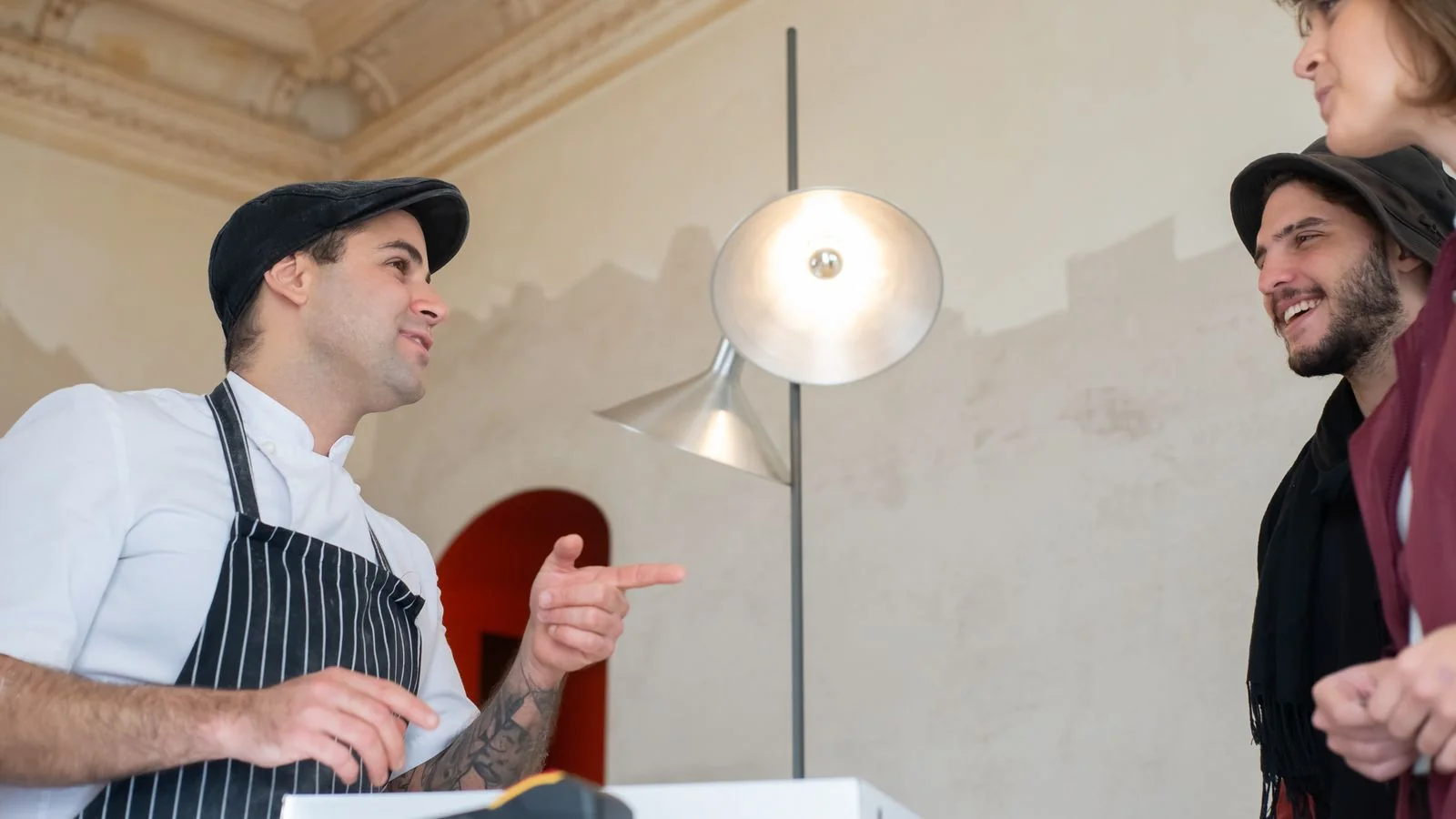
Chefs who get covered again and again treat reporters like regulars, not targets. They answer a fact-check within the hour. They send the address, the opening date, and the hours without being asked. They tell the reporter when the date slips, before the reporter finds out from Instagram. They never ask for a guaranteed write-up or for copy approval. Over a year, that reliability turns a chef into a source, and sources get the call when a reporter needs a quote about rising rents or a neighborhood’s new cluster of bakeries.
Invite editors without strings. A note that says the kitchen is open, here are the hours, and you’d love to have them in whenever suits them, respects how reporters work. Don’t attach conditions such as a set menu, a fixed date, or a request for coverage in return. If an editor does come in, treat the visit like any other table. Follow up once with any facts they asked for, then let the reporting happen on their schedule.
Respect the structure, too. Eater’s city contact pages offer separate forms for an editorial tip and for pitching a story, and the Eater Twin Cities pitching guidelines make clear the story-pitch path is for freelance writers proposing articles, with an angle, a structure, and clips. A restaurant opening is a tip. Send it as one.
The Plywood Ladder: Five Rungs From Tip to Eater 38
Eater’s own tip page, How to Send Tips to Eater, says readers have written in about “new plywood, unpaid bills, rumored partnerships.” That plywood line gives our framework its name. The Plywood Ladder maps each Eater format to the stage your restaurant is in, so you pitch the rung you can stand on today.
Rung one is Plywood: you have a lease, a sign, or permits on the window. Send a short tip to your city inbox with the concept, the team, and a target season. You’re giving the editor a lead, not asking for a story.
Rung two is Preview: you’re 30 to 90 days out, with a menu direction and a chef who has a track record. This is the window for seasonal anticipated-openings lists, which in New York ran in early September for fall.
Rung three is Opening: you’re open, or open within days. Email the exact opening date, address, hours, and three facts that make the place distinct. This is the weekly openings list, and it’s the most attainable rung.
Rung four is Heatmap: you’ve been open a few weeks and an editor has eaten there. You can’t pitch your way onto this rung. You earn it through the meal, and you help by sending updated details and inviting editors to visit on their own terms.
Rung five is Eater 38: you’ve been open six months or more, in cities that use that rule, and the place has held up. Quarterly updates mean you might wait a season or two after you qualify.
The mistake to avoid is skipping rungs. A heatmap pitch from a restaurant that opened yesterday asks the editor to vouch for a meal nobody has eaten.
Use the ladder as a calendar. Put each rung on your opening timeline the day you sign the lease: the plywood tip when the sign goes up, the preview note one season out, the opening tip the week you open, the editor invitation in your first month, and a calendar reminder at month six to check whether your city’s Eater 38 is due for its next update. Most teams asking how to get featured on Eater treat press as one big launch-day push. Treat it instead as five small, well-timed notes spread over a year, each one useful to the editor who reads it.
What Should Your Tip Email Say?
Keep it under 150 words and lead with the facts an editor needs to publish a one-line entry. Your subject line should hold the restaurant name, the neighborhood, and the opening date, because that’s the sort key for a weekly roundup. The first sentence names the restaurant, the concept, and the address. The second names the chef or owner and one credential a local reader would recognize. Then give the opening date, hours, and reservation link. Close with one thing that makes the place worth a sentence in a crowded list, such as a dish nobody else in the city serves or a family story behind the room.
Attach two or three photos you own the rights to, sized for the web, with the photographer’s credit in the file name. Offer a phone number. Skip stock adjectives like “curated” and “chef-driven,” which editors cut anyway.
Send it to the right place. Eater NY’s openings page asks readers to flag missed openings at ny@eater.com. Eater New Orleans lists nola@eater.com, and Eater’s national tip page lists national@eater.com plus city boxes such as la@eater.com and chicago@eater.com. Every city site also has a contact form with an editorial-tip option. If you’ve built a relationship with a reporter, copy the city inbox anyway, so the tip survives a vacation or a reassignment.
When Should You Pitch Each Format?
Timing decides more Eater placements than prose does. Previews run ahead of the season, so a fall opening needs to be on an editor’s radar by late summer. Eater NY’s fall preview published September 8, 2026, and it was already finished by then. Weekly roundups move fast, so send your opening tip the week you open or a few days before, with a firm date.
Heatmaps work on a monthly clock. Philadelphia’s September 2026 update published on September 2 with eight additions. If an editor visits in the middle of a month, the earliest you’d appear is the following refresh. The Eater 38 moves slowest, on a quarterly cycle in Philadelphia, so treat it as a one-year goal, not a launch goal.
Watch the newer channels as well. Eater NY’s fall preview continued on an Eater New York Substack, and the company told WBEZ it was shifting effort toward its app and short-form video. If your opening has a strong visual hook, mention it in the tip. A reporter planning a short video needs a reason to film in your room.
What Gets a Restaurant Skipped?
If you’re wondering how to get featured on Eater after a tip went nowhere, look at the basics first. They arrive without an address or a firm date, so an editor can’t publish them without a follow-up email they don’t have time to send. They come from a PR agency that blasted the same note to forty outlets, with a generic greeting that signals nobody read the site. They push for the heatmap on day one. They promise an exclusive and then post the same news on Instagram an hour later.
The other common miss is silence after the first tip. Editors track a lot of plywood. If your opening slips from May to August and you never send an update, your restaurant drops off the list in their head. One short note each time your date moves keeps you on the board. If you want a head start on who covers your city’s openings, Instant Press keeps a free journalist list you can work from.
The ladder works in real time, and Philadelphia shows it. Emilia, in East Kensington, had earned a spot on Eater Philly’s heatmap as a newcomer. In August, the Eater 38 summer update added it to the city’s list of essential restaurants, alongside Amá in Fishtown and Provenance in Society Hill. In September, the heatmap refresh removed it, because it had aged out of “new.” That’s the full climb: a new restaurant earns the heatmap, holds up long enough to make the Eater 38, then graduates off the heatmap. Emilia didn’t skip a rung, and your restaurant shouldn’t try to either.