
Your new reserve Cabernet just came out of barrel, your distributor is asking about press, and someone on the team says the words every winery says sooner or later: we need to get into Wine Spectator. You open a blank email to an editor you found on LinkedIn, start typing about your terroir, and stop. Who is this going to? What happens to it when it lands?
Those two questions decide whether a winery gets coverage or gets ignored, and most of the advice online skips them. Wine Spectator is not one door. It is at least three, and each has its own gatekeeper, its own rules and its own idea of what counts as news. This guide covers how to get featured in Wine Spectator through each of them, what to send, and what to stop sending.
Know what you are pitching before you pitch
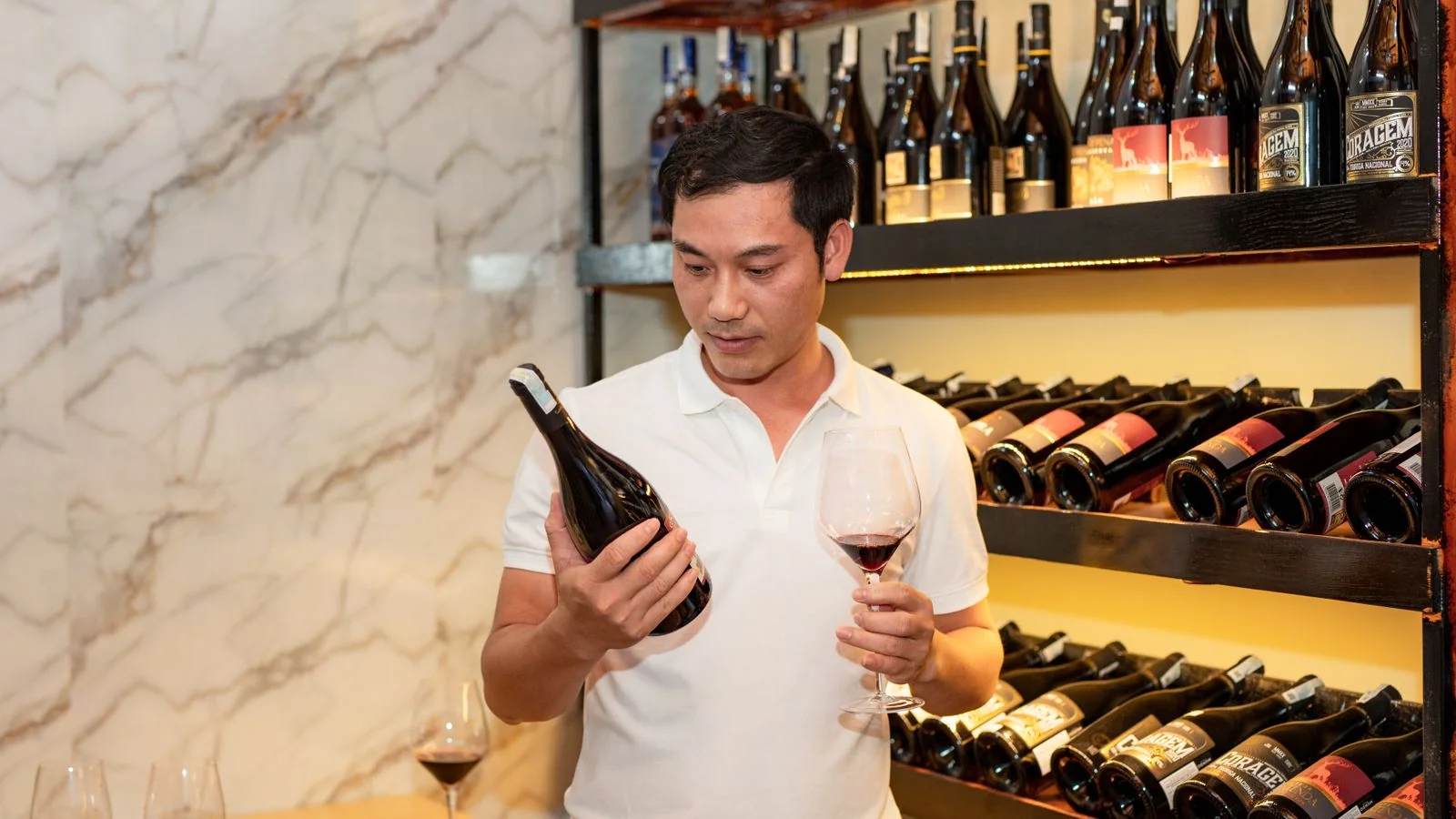
Wine Spectator has been around since 1976, when it started as a tabloid in San Diego. Marvin Shanken bought it in 1979 and built it into the flagship of M. Shanken Communications, headquartered in New York. Nearly fifty years later, the magazine and website carry three kinds of coverage that matter to a producer: tasting reviews with scores on the 100-point scale, news and feature stories about people, places and the business of wine, and the Restaurant Awards program for wine lists.
These run on separate tracks. A tasting editor deciding how a Sonoma Pinot Noir scores is not the same person who decides whether your family’s fourth-generation succession story belongs in the news section. Sending a feature pitch to a taster, or a sample to a news reporter, wastes your effort and the editor’s patience.
We use a simple triage before any Wine Spectator outreach, and we call it Bottle, Story, Table. Bottle means the thing you want covered is a wine, and the route is the tasting department. Story means the thing you want covered is a person, an event, a deal or a trend, and the route is editorial. Table means the thing you want covered is a restaurant’s wine program, and the route is the Restaurant Awards. Decide which one you have before you write a word. If you think you have all three, you have a Bottle and a hope.
The magazine’s tasting policy is the reason this triage matters so much. Wine Spectator states that its editors review wines in blind tastings, with the taster knowing only general information such as the region, vintage and grape, not the producer. That means no pitch, relationship or ad budget moves a score. It also means your press materials do almost nothing for the tasting route. The wine does the talking there, and the only thing you control is whether it gets into the room in good condition.
Route one: send the bottle the right way
Every reviewed wine starts as a sample. Wine Spectator publishes instructions for submitting wines for review on its website, and the first rule of this route is to follow them exactly. The magazine assigns regions to specific senior editors, and the submission guidelines tell you where to ship, what paperwork to include and which wines qualify. Read the current version on the site before every shipment, since addresses and requirements change.
There is no fee to submit, and you should be wary of anyone who claims they can arrange a review for money. The paperwork you include should be plain facts: the wine’s name, vintage, appellation, grape composition, price, case production and release date. Price and production matter more than producers expect, because the magazine prints them alongside the score and readers use them to judge value.
Timing is the part most wineries get wrong. Ship close to release, not a year early and not after the wine has sold out. A review of a wine nobody can buy helps your reputation a little and your sales not at all. If you produce small lots, say so. Editors know that a 300-case wine and a 30,000-case wine reach readers differently.
Packaging deserves a sentence of its own, because a corked or heat-damaged bottle is reviewed as it tastes. Ship in proper foam or pulp shippers, avoid heat waves and freezing weeks, and send more than one bottle of the same wine if the guidelines allow it. An editor who opens a flawed bottle may simply move on.
Then let it go. A follow-up email asking when the review will run, or whether the editor liked it, does not help. Scores appear in the magazine, in the online ratings database and sometimes in tasting highlights, on the magazine’s schedule. Plenty of submitted wines are never published, and chasing them signals that you do not understand how the system works.
What you can control is what happens after a strong score lands. Put it on shelf talkers, trade sheets and your website with the score, the publication and the issue date. Retailers and sommeliers trust a cited score far more than a vague “highly rated.” That second-stage use is where much of the commercial value of a Wine Spectator review shows up, and it is the most overlooked part of how to get featured in Wine Spectator: the feature keeps working only if you put it to work.
Route two: pitch a story, not a wine
The news and feature side of Wine Spectator covers the industry as a business and a culture. Recent years have brought steady coverage of wildfire and smoke damage, tariffs and trade policy, ownership changes, climate adaptation in the vineyard, new appellations, labor and the people reshaping regions. None of that is a tasting note, and none of it needs a sample.
The test for a story pitch is the same test any reporter applies: would this matter to readers who have never heard of your winery? A new tasting room is not news. A new tasting room that is the first in its county to run on recycled water alone during a drought might be. A winemaker hire is not news. A winemaker leaving one of the region’s best-known estates to join a startup is.
Find the right reporter by reading the bylines on the stories closest to yours. Wine Spectator’s news coverage is organized by region and topic, and the editors who cover a region tend to know its producers. A reporter who has written three pieces about Willamette Valley sparkling wine will read a Willamette sparkling pitch with more interest than a generalist will.
Keep the email short. Three sentences on what happened, one on why it matters beyond your property, one with the proof you can offer, such as data, documents, access to a person or a site visit. Put your own phone number at the bottom. Attach nothing. If the reporter wants photos or tech sheets, they will ask, and their ask tells you the pitch is working.
The pitch that works best on this route is data. Wine journalists are buried in adjectives and starved for numbers. If your estate tracked yields, harvest dates and sugar levels across a decade of warming, you have a story about climate adaptation that a reporter can verify and readers will remember. If your tasting room tracked visitor numbers before and after a new county permit rule, you have a story about regulation. The winery that offers a reporter a dataset nobody else has is the winery that gets the call when the next trend piece goes to edit.
Here is what a working pitch on this route can look like, in prose. The subject line reads “Paso Robles grower shares 12 years of harvest data as heat spikes shift picking dates.” The body says that a family estate has logged harvest dates, Brix readings and yields every vintage since 2014, that the median pick date for its Syrah has moved three weeks earlier over that span, and that the family will share the full spreadsheet and walk a reporter through the blocks that changed most. It closes with a name, a mobile number and one line offering a visit during the current harvest. Nothing in it mentions a score, a tasting note or a new release, and that is exactly why a news editor can use it.
Give reporters lead time when the story is seasonal. A harvest story pitched in the last week of harvest is a story about last year by the time it can run. Pitch it when the first fruit comes in, and offer an update when the last block is picked.
Route three: the Restaurant Awards table
For restaurants, the most reliable way into Wine Spectator is its Restaurant Awards program, which recognizes wine lists at three levels: the Award of Excellence, the Best of Award of Excellence and the Grand Award. Restaurants apply directly during the annual submission window and pay an entry fee. The program publishes the winners in the magazine and in a searchable online guide that diners use to plan trips.
This route rewards preparation more than pitching. The judges look at the list itself, how it is organized, how deep it goes in the regions it covers, how well it matches the food and how fairly it is priced. A restaurant that submits a sloppy, outdated list will not win on charm. Before you apply, have your wine director update vintages, fix typos and make sure the printed list matches what is actually in the cellar.
Wineries can use this route indirectly. When a restaurant with a strong list wins an award and pours your wine by the glass, ask whether you can mention the placement in your trade materials. It is not coverage of your winery, but it places your bottle in the context Wine Spectator readers trust.
What to stop doing tomorrow
If you remember one rule about how to get featured in Wine Spectator, make it this: each desk wants a different thing. Stop sending press releases about scores from other publications to Wine Spectator editors. They know about competing outlets, and the comparison does not help you. Stop pitching tasters with backstory, because the blind-tasting process makes it irrelevant. Stop calling the office to ask whether a sample arrived. Track your shipment with the carrier instead.
Stop treating the advertising department as a shortcut. Wine Spectator, like most serious publications, separates its business side from its editorial decisions, and producers who mix the two up damage their credibility with the people who write the stories. If you want to advertise, advertise because the audience fits, not because you expect a feature in return.
And stop chasing the Top 100. The annual Top 100 list, published each November, is built from the wines reviewed that year, weighing score, value, availability and what the editors call an X-factor. You cannot pitch your way onto it. You can only make a wine good enough, priced fairly enough and available widely enough that the tasting process carries it there.
The wineries that end up in Wine Spectator year after year rarely have the best publicists. They ship clean samples on time, pitch real news to the right reporter, and wait. Which of the three doors is your winery standing in front of this season?