
On 18 March 2024, Minute Media announced it had secured the publishing rights to Sports Illustrated in a long-term deal with Authentic Brands Group, the company that owns the brand. Minute Media took over editorial operations for Sports Illustrated, SI Swimsuit, and SI Kids across digital and print. The announcement ended a turbulent stretch for the magazine and made a lot of PR media lists obsolete.
That is the first thing to understand if you want to know how to get featured in Sports Illustrated in 2026. The people, platforms, and priorities have changed. SI now sits inside a company that also owns The Players’ Tribune and FanSided, runs a video operation called SI TV, and treats Swimsuit as a year-round franchise. Each of those is a separate door, and each one wants something different.
Who runs SI now

Minute Media, which unveiled a new brand identity as Minute in August 2026, describes itself as “a global technology and content company built for the future of sports consumption.” Its owned brands include Sports Illustrated, SI Swimsuit, The Players’ Tribune, and FanSided, all running on the same publishing and video platform it sells to other publishers. The company is led by founder and CEO Asaf Peled and president Rich Routman.
Authentic Brands Group still owns the Sports Illustrated name and licenses it for other uses, from events to products. That split matters for anyone pitching. Editorial coverage is decided by SI’s newsroom under Minute. Licensing, events, and brand partnerships run through different channels and different people. Confusing the two is one of the most common mistakes brands make.
The practical result is that SI in 2026 is less a single magazine and more a cluster of products under one name: a national news and features operation, a video and streaming arm, a swimsuit franchise, a network of team and school sites, and sister brands that share the same parent. Getting featured starts with knowing which part you are aiming for.
The SI Map: five doors
We use a simple framework with clients that we call the SI Map. It lists the five ways outside people get into Sports Illustrated, in rough order of difficulty.
Door one is the SI.com newsroom, the national reporters and editors who cover leagues, athletes, and the business of sport. Hardest to reach, highest value.
Door two is SI TV and video, which needs guests, segments, and stories that work on camera.
Door three is SI Swimsuit, the one part of SI with a formal open casting process.
Door four is the network of team and school sites that publish under the SI banner, closer to local beat coverage.
Door five is the sister brands, especially The Players’ Tribune, which publishes first-person stories by athletes.
Door one: the SI.com newsroom
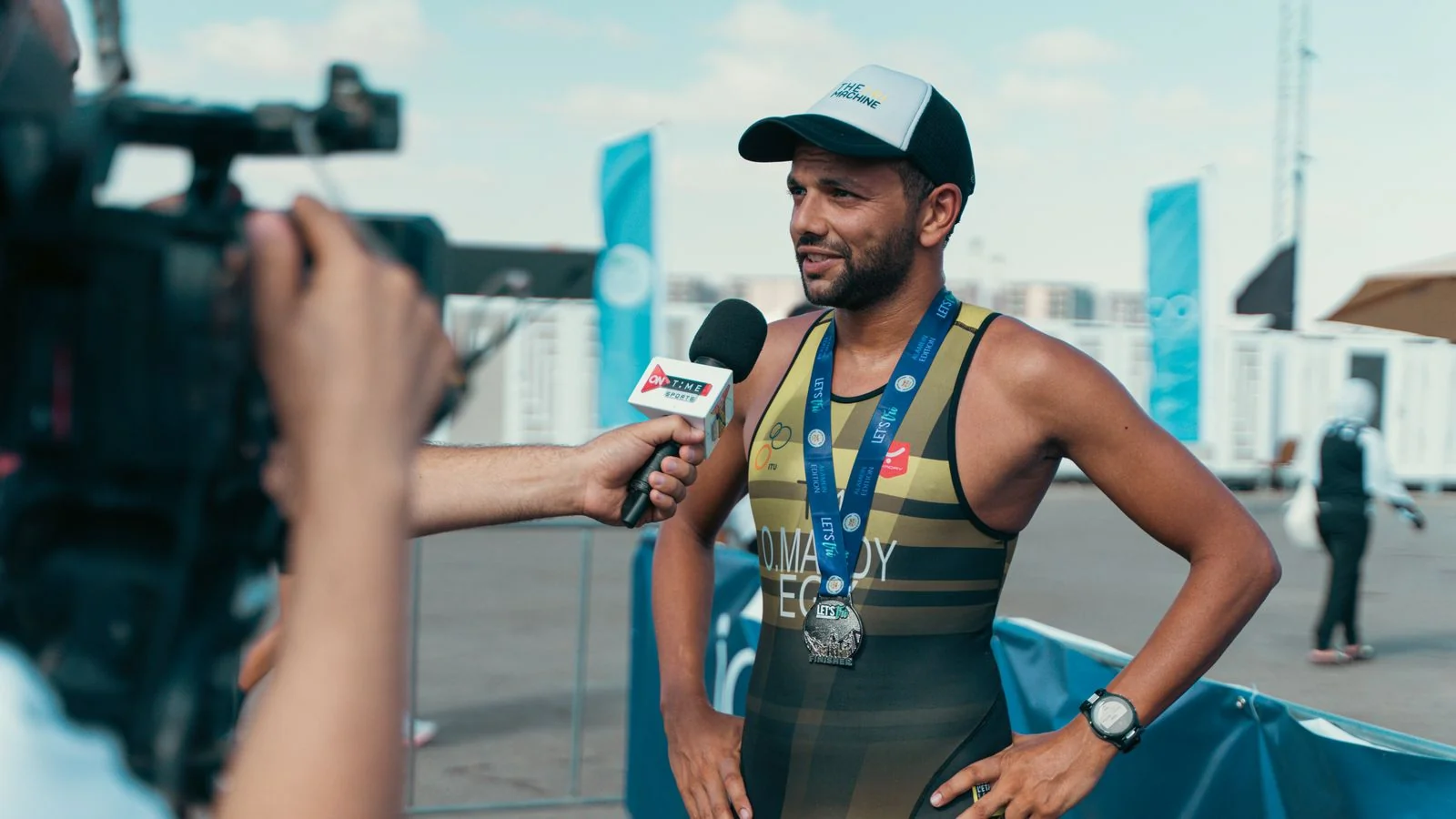
The national newsroom covers what the sports world is talking about: games, trades, injuries, contracts, controversies, and the long-form features SI built its name on. It is not short of story ideas. What it needs from outside is access, expertise, and stories it cannot get anywhere else.
For athletes and their representatives, the currency is access and timing. A first interview after a major moment, an exclusive on a decision, or an athlete willing to speak candidly on a hard subject is the kind of thing that lands with SI’s reporters. These opportunities usually move through agents and team communications staff who already have relationships with specific writers.
For experts, the path is to become a source. Reporters covering the business of sports, sports medicine, analytics, and law regularly need specialists who can explain what something means. A sports economist who can put a stadium deal in context, an orthopedic surgeon who can explain an injury timeline, or a lawyer who can parse a collective bargaining clause all have value. Build a public record of clear commentary, follow the reporters on your beat, and respond quickly when news breaks in your area.
For companies, the honest answer is that the national newsroom rarely covers brands for their own sake. It covers the business of sports when there is a real story: a deal that changes how a league makes money, a technology that changes how a sport is played or officiated, or a dispute with stakes. If your company is part of a story like that, a reporter on the business beat is the right target. If you are announcing a product, you are probably in the wrong door.
Whatever you pitch, lead with the story in two sentences, explain why it matters now, and offer something exclusive. National sports reporters receive a flood of email. The pitches that get read are short and specific.
Door two: SI TV and video
Sports Illustrated has invested heavily in video, and SI TV is now a real programming operation. In October 2026, Minute announced a new weekday show, “The Story with Rachel Nichols,” premiering on SI TV on 19 October. Shows like this need guests, segments, and stories every day.
Video changes what makes a good pitch. A great written story with no one willing to speak on camera is not a video story. A compelling guest who can explain something in 90 seconds is. If you are an athlete, coach, or expert with something timely to say, offer yourself as a guest with a specific angle tied to the news cycle, and make sure you can appear on short notice.
For brands, video sponsorships and integrations are sold, not earned, and they are labeled. That is a legitimate marketing channel, but it is not editorial coverage, and it should not be described as such.
Door three: SI Swimsuit
SI Swimsuit is the most distinctive door because it has a formal open process. The Swim Search is SI Swimsuit’s open casting call, and in October 2026 the franchise opened its 2027 Swim Search with published guidance on how to be cast.
The franchise now runs well beyond the annual issue. Its 2026 editor’s letter describes partnering with Hulu to produce and broadcast its runway show, launching a twice-weekly newsletter, adding Swimsuit content on SI TV, and rolling out a podcast. That means more slots for models, athletes, and personalities, and more ways for swimwear and beauty brands to appear through the franchise’s editorial and partnership channels.
If you are a model or athlete interested in Swimsuit, follow the current Swim Search instructions exactly and pay attention to what the franchise says it is looking for. Its recent messaging centers on confidence, personal stories, and a broad definition of beauty, so applicants who bring a story tend to stand out more than those who bring only a portfolio.
Doors four and five: the wider network
Below the national brand, Sports Illustrated publishes a large network of sites focused on individual teams and schools. These operate closer to local beat coverage. Their writers follow one team or program closely and cover news, recruiting, and personalities in depth.
For local businesses, school programs, and athletes at the college and high school level, these sites are often the most realistic way to appear under the SI name. A team site writer covering a college program is far more likely to cover a standout walk-on, a recruiting story, or a community initiative tied to the team than a national reporter is. Find the site for your team or school, read what its writers cover, and pitch them directly.
Be accurate about what you earned. A story on an SI team site is real coverage with a real audience. Calling it a Sports Illustrated feature in your marketing, without qualification, will eventually embarrass you.
The fifth door is SI’s sister brands under Minute. The Players’ Tribune publishes first-person stories by athletes, and for a current or former athlete with a story to tell in their own voice, it is often a better fit than SI itself. FanSided runs a large network of fan-driven sites and covers sports culture broadly. Neither is SI, but both share a parent, and a strong story in one sometimes leads to attention from the others.
Timing your pitch to the sports calendar
Sports media runs on a calendar more rigid than almost any other beat, and SI is no exception. Every league has a season, a draft, a trade deadline, and a set of marquee events, and editorial attention moves with them.
Pitch ahead of the moment, not during it. A feature tied to the start of college football season needs to reach editors weeks before kickoff, when they are planning previews. During the event itself, reporters are covering games and breaking news, and a feature pitch is far less likely to get read.
Use the quiet weeks. The stretches between major events, such as the period after the NBA Finals or the lull in late summer for some sports, are when editors have more room for features, profiles, and business stories that do not depend on a game result.
Watch for news hooks you can attach to. A pending decision, a milestone, an anniversary, or a ruling that affects a league can turn a story that has been sitting on your desk into something an editor wants this week.
And build relationships before you need them. Reading a writer’s work, sharing it, and responding thoughtfully when they ask for sources on social media makes your name familiar long before you send a pitch. When people ask how to get featured in Sports Illustrated, they usually mean the pitch. The relationship is what gets the pitch opened.
What to pitch, and what to skip
Pitch stories, not subjects. “Our founder is a former college athlete” is a subject. “Our founder built a recovery device after a career-ending injury, and three NBA training staffs now use it” is the start of a story.
Pitch access. Exclusive interviews, first looks, and data no one else has are what make busy sports editors stop scrolling.
Pitch the right door. A swimwear brand belongs in the Swimsuit conversation, not in the national newsroom. A college recruiting story belongs on a team site, not on SI TV’s national show.
Skip product launches with no sports story attached, generic press releases sent to every address on the masthead, and any offer that blurs the line between editorial and paid placement. And skip anyone who promises a guaranteed Sports Illustrated article for a fee. What they are usually selling is a paid post on a site with a loose connection to the brand.
Knowing how to get featured in Sports Illustrated in 2026 comes down to reading the map correctly. SI is several products now, each with its own gatekeepers, and the people who get in are the ones who knock on the door that fits.
Which of the five doors does your story belong behind?