
A creator with 1.8 million followers often has no knowledge panel, while a regional academic with a few thousand readers has one. That is not a bug, and understanding why is the whole answer.
Google’s Knowledge Graph does not measure attention. It measures whether an entity has been described, consistently, by sources Google treats as independent of that entity. Follower counts live on platforms, inside apps, behind interfaces that Google indexes thinly if at all, and they are self-reported in the sense that the platform is not writing about you. A newspaper profile, a conference programme, a book’s author page and a database record are a different category of evidence. The google knowledge panel for influencers is gated on that second category, and reach contributes to it only indirectly, by making the second category more likely to happen.
The Creator Entity Gap
Call it the Creator Entity Gap: the distance between platform-native fame and third-party documentation. It is the single most common reason established creators have no panel, and it is wider in this profession than in almost any other.
A university lecturer accumulates third-party documentation as a byproduct of the job. Their department lists them. Journals cite them. Conference programmes name them. A library database holds a record. None of that required a publicity strategy; the institutions around them generate structured, independent references automatically. A creator’s institutions do the opposite. The platforms that host their work are designed to keep the audience inside the platform, and they publish nothing about the creator in a form Google reads as an independent description.
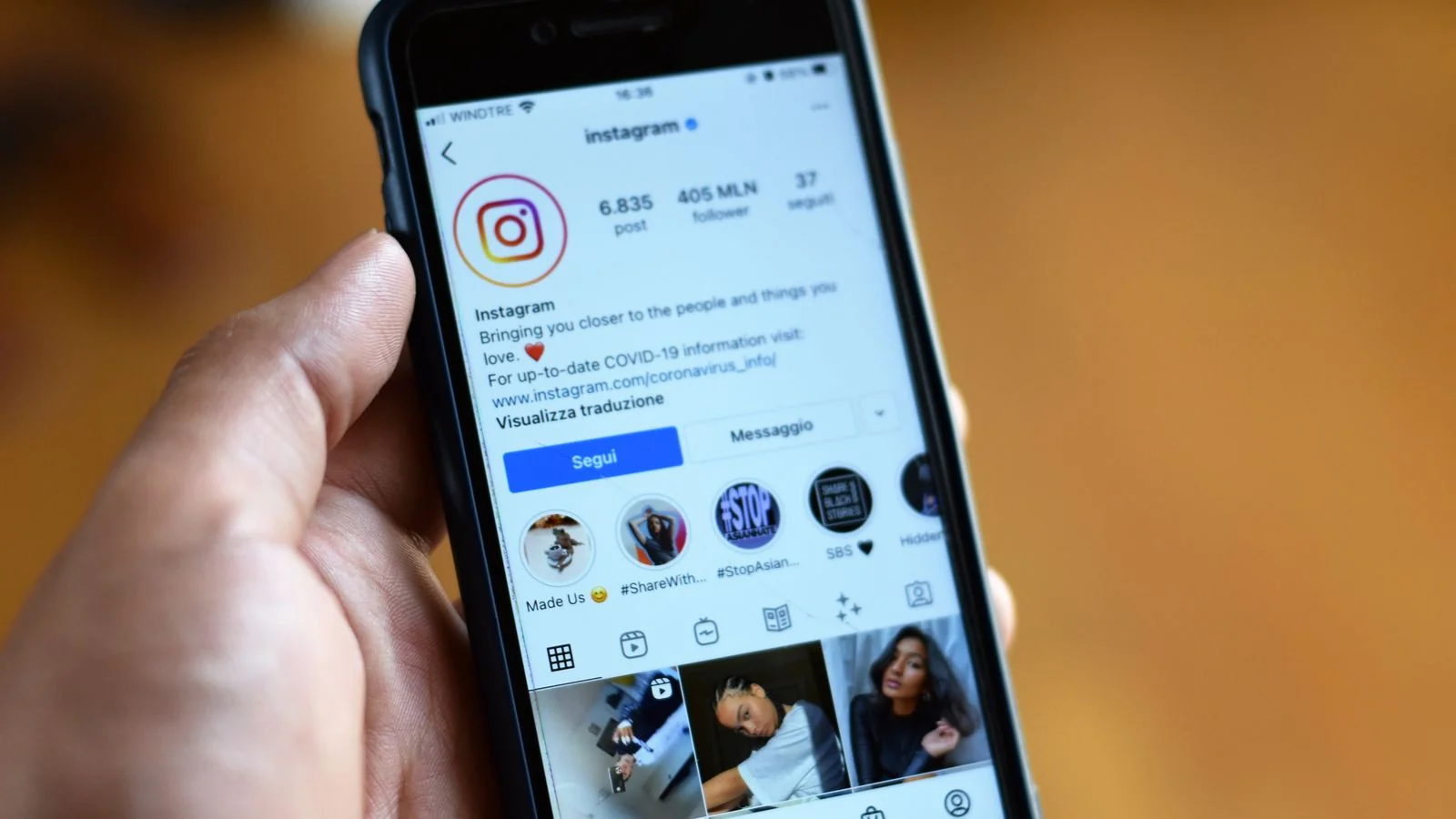
So the creator with two million subscribers and the creator with twenty thousand can sit in exactly the same position in Google’s eyes, because neither has been described by anyone other than themselves. Closing the gap is not about growing further. It is about generating the kind of record that a lecturer gets for free.
This also explains a frustration I hear constantly: the creator who has appeared in a dozen podcasts, three brand campaigns and a conference panel, and still has nothing. Podcast appearances are usually audio with thin show notes. Brand campaigns name the brand, not the creator, in anything Google indexes. Conference panels often leave no permanent programme page. Each of those felt like coverage and produced almost no citable record.
The Four Sources That Actually Count
Of all the places a creator could invest effort, four produce the structured record that matters, roughly in order of return per hour spent.
Wikidata is first and it is not close. It is an open, structured database that Google reads directly, and a well-built item with properly referenced properties is the most productive half hour available to a creator who wants an entity. The critical word is referenced. An item asserting your occupation, date of birth and notable work with no external source attached is weak and may be challenged or deleted. Each statement needs a reference pointing at something independent, which is why this step comes after you have at least a little earned coverage rather than before.
Second is earned editorial coverage in publications with their own editorial standards. Trade press in your vertical, regional news, the business press, specialist outlets. What matters is not prestige but consistency: the same name, the same description of what you do, the same associated entities across multiple independent sources. Eight to fifteen pieces of coverage with consistent framing does more than a single hit in a famous masthead, because the Knowledge Graph is looking for corroboration rather than for a prize.
Third is institutional listing. A speaker page on a conference site that stays up afterwards. An author page at a publisher. A board or advisory listing. A professional body’s directory. Credits on a film, game or album in the relevant industry database. These are durable, structured and independent, and creators systematically undervalue them because they generate no immediate audience.
Fourth is your own site with correct schema. This one is necessary and insufficient. JSON-LD declaring a Person, with sameAs links to every profile and database record, gives Google a hub to reconcile the other sources against. It will not create an entity on its own, since a self-description is not evidence, but it resolves ambiguity once other evidence exists.
Notice what is absent from that list: follower counts, engagement rates, press release distribution, paid placements, and anything that describes you in your own words on a platform you control. Those are the four things creators usually try first.
The Name Problem Nobody Warns You About
Here is a failure mode specific to this profession. Many creators operate under a handle, a stage name, or a channel name distinct from their legal name, and often under several at once. Google has to decide whether those are one entity or three.
If your Wikidata item uses your legal name, your press coverage uses your handle, your conference listings use a shortened version and your channel uses something else entirely, you have distributed your evidence across multiple candidate entities, none of which reaches the threshold alone. This is the quiet reason some well-documented creators still have no panel: the documentation exists but it has been split.

The fix is a decision rather than a task. Pick one primary name, use it as the main label everywhere, and record every other name you use as an alias in the places that support aliases: alternate labels on Wikidata, the alternateName property in your schema, and a plain line on your site’s about page stating that you also work as the other names. Then stop introducing new variants. Creators who rebrand repeatedly reset this clock each time, which is a real cost of a name change that nobody mentions when it is being discussed as a branding decision.
A related trap is sharing a name with someone more documented than you. If a footballer or an actor holds your name, you are competing for the same string, and the panel will resolve to them. The answer there is differentiation: make sure your occupation, field and associated entities are stated clearly and consistently, so Google has grounds to separate you rather than merge you.
What the Panel Actually Changes for a Creator
Before investing months in this, it is worth being clear about the return, because the panel itself is not the prize.
The google knowledge panel for influencers delivers two distinct things. The visible benefit is a block of information beside your name in search, with your photo, a one-line description, your profiles and sometimes your work. That block compresses a stranger’s research into a glance, which matters most at the moments where a decision is being made about you by someone who does not know you: a brand’s compliance team checking you out, a producer deciding whether to book you, a journalist deciding whether you are a credible source, an agency building a shortlist. In each case the panel does not persuade anyone. It removes a reason to hesitate.
The less visible benefit is the one that has grown fastest. Assistants and answer engines lean heavily on structured entity data when they decide who to name in response to a question like “who are the leading creators covering restoration carpentry.” An entity that exists in structured form with a clear occupation and field is a candidate for that answer. An entity that exists only as follower counts inside an app is not, because the model has nothing to reconcile. That is the same underlying asset as the panel, which is why the work pays off twice.
What the panel does not do is worth stating too. It does not increase your audience, it does not improve your rates on its own, and it does not protect you from a reputation problem, since the panel reflects the sources rather than curating them. Creators who expect a commercial step change from a panel are usually disappointed. Creators who wanted to stop losing opportunities to a thin search result get what they came for.
Claiming It, and the Limits of Claiming
Once a panel exists, you can claim it, and creators routinely overestimate what claiming gives them.
Claiming means verifying that you are the subject, which you do by signing in to a Google account, finding the claim option on the panel, and verifying through a profile you already control, typically a social account linked to the entity. Verification is usually quick when the sameAs links are already in place, which is one more reason to do the schema work early.
What claiming grants is the ability to suggest a featured image and to submit change requests for factual errors, both of which go into review rather than taking effect. It does not grant editorial control. You cannot remove an accurate fact you dislike, you cannot curate which sources feed the description, and you cannot prevent the panel from reflecting a story you would rather forget. Google treats the panel as a reflection of the open record, and the open record is not yours.
That has a practical consequence for how you handle errors. A correction request works when you can point at an authoritative source that contradicts the current information. It fails when you are simply asserting that something is wrong, because the reviewer has no basis to prefer your assertion over the source already cited. So the real fix for a persistent error is upstream: get the authoritative source corrected, then submit the change with that correction as the reference. Slower, and it is the version that holds.
A Sequence That Works, and Roughly How Long It Takes
A google knowledge panel for influencers is built in a specific order. For a creator starting from nothing beyond platform presence, that order is: earn a handful of real citations, build Wikidata with those citations as references, add schema and sameAs links, then collect institutional listings as they arise, then wait.
The waiting is real and the timelines are measured in months rather than weeks. Our detailed walkthrough of the underlying process puts panels for individuals at roughly six to eighteen months once the foundations are properly in place, against three to twelve for businesses, and that difference reflects exactly the gap described above: businesses have registries, filings and directories working for them, while individuals have to generate the record deliberately.
Resist the two shortcuts on offer. Paid press release distribution produces syndicated copies of a document you wrote, which is self-description at scale rather than independent coverage, and Google is well calibrated to that pattern. Services selling knowledge panels usually mean they will create a Wikidata item and perhaps attempt a Wikipedia article, both of which you can do yourself, and the Wikipedia attempt will fail and may be counterproductive if you do not meet notability standards, because a deleted article leaves a record of failing them.
What does accelerate things is being genuinely useful to journalists in your field. A creator who becomes the person reporters call for comment on their niche accumulates independent citations as a byproduct, which is the same mechanism that gets the academic their panel. That is a slower strategy than buying something and it is the only one that reliably works.
One honest limitation to hold onto. Nothing in this piece guarantees a panel, because Google publishes eligibility signals rather than rules, and entities that look identical from the outside sometimes get different outcomes. Treat the four sources as raising your probability substantially rather than as a switch. And check the thing people forget to check: search your own name in a logged-out, private window from a different network before concluding you have no panel, because a personalised result can hide one that already exists.