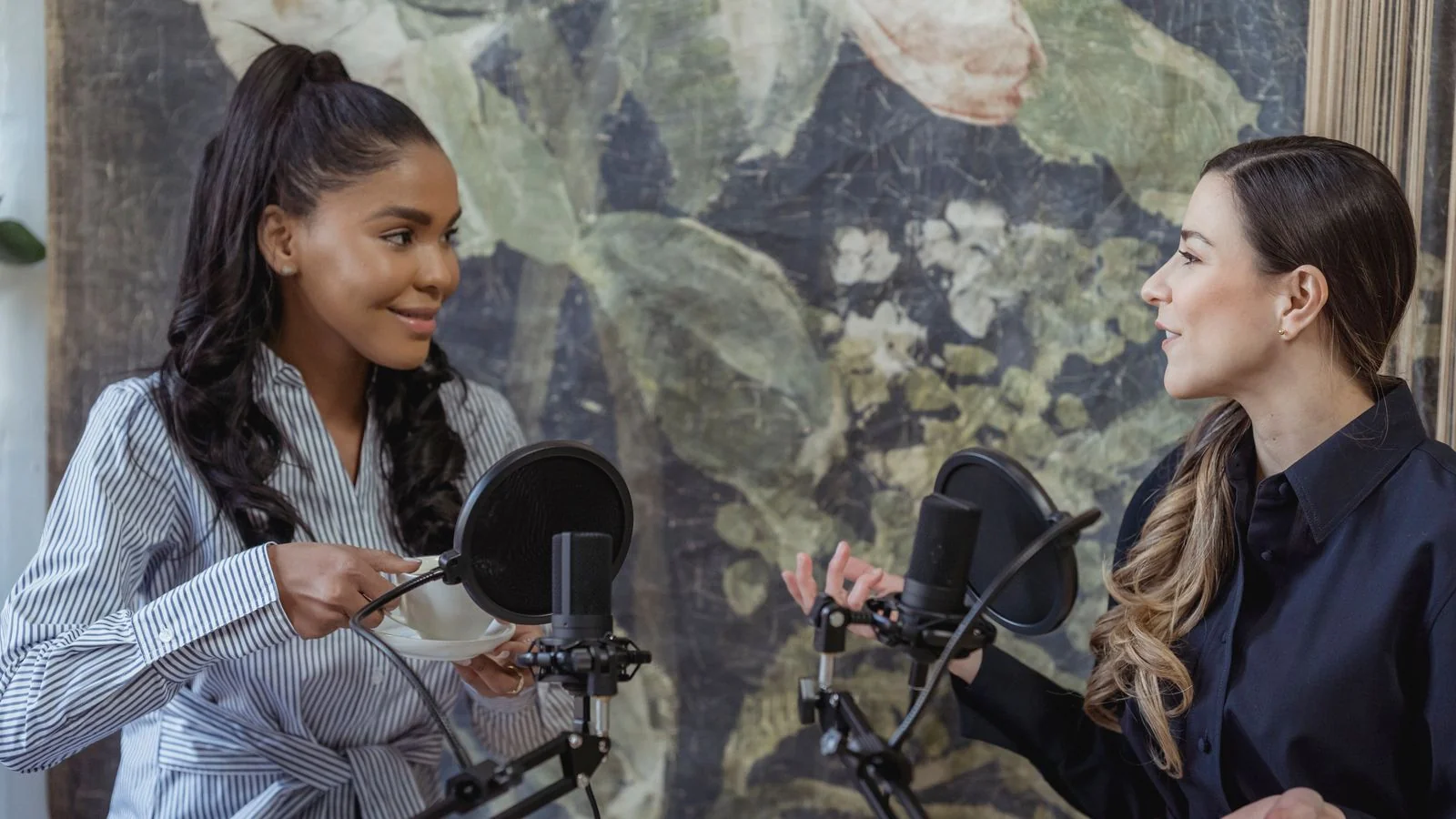
The number of shows a podcast booking agency puts you on is the least useful number in the contract. Founders sign retainers based on it, agencies sell against it, and almost nobody checks whether those episodes ever reach a buyer, rank for anything, or get read by the AI tools that now answer your prospects’ questions. Booking is the commodity. What happens before and after the recording is where the money goes, or goes missing.
So this list does not rank agencies by how many placements they claim. It sorts them by model, explains what each one says it does, and gives you a test to run before you sign anything. Every company here exists and is taking calls or has been in 2026, and wherever pricing appears, it comes from the firm itself or a named third party. Where a firm does not publish a price, I say so instead of guessing.
Run the Episode Equity Test before you sign

I use a simple frame for judging any podcast booking agency. Call it the Episode Equity Test. The idea is that each booking should leave you holding an asset that keeps working after the episode airs, the way equity keeps its value after the check clears. A booking with no equity is a 45-minute conversation that 300 people heard once. A booking with equity is a transcript, a YouTube video, a backlink, a clip and a quote that a journalist or a language model can find in 2028.
The test has four questions, and you can ask all four on a sales call.
The first is Fit. Ask the agency to name, before you pay, five shows they would pitch you to and why those audiences buy what you sell. A good agency answers with specifics about listener roles and industries. A weak one answers with download counts.
The second is Footprint. Ask what form the episode takes once it publishes. Does the show post video to YouTube? Does it publish a transcript or detailed show notes with your name and company spelled correctly? Audio locked inside an app is hard for search engines and AI systems to read. Text and video on the open web are not.
The third is Follow-through. Ask what the agency does between the booking and the recording (talking points, a host briefing, a one-sheet) and after it airs (clips, promotion, a link on your site). Some firms stop at the confirmation email. Others stay on through promotion.
The fourth is Fee logic. Ask how you pay: monthly retainer, per placement, or a bundled subscription. Then ask what counts as a booking. A cancelled recording, a tiny new show and a top-tier industry podcast should not all count the same.
Here is what a strong answer sounds like in practice. Say you run a payroll software company that sells to finance leaders at companies with 200 to 2,000 employees. A weak agency promises “top business podcasts” and quotes audience sizes. A strong one names three shows hosted by former CFOs, one accounting-tech show, and two HR operations podcasts, then explains that two of them publish full video on YouTube and one posts transcripts. It tells you it will brief the host on your angle a week before recording, and it asks what page listeners should land on. The second answer costs the agency an hour of research before you have paid anything. That hour is the best preview you will get of the work you are buying.
Weight the four questions by where you are. A first-time guest needs Fit and Follow-through most, because a bad early show and an unprepared interview do more damage than a missing transcript. A seasoned guest with a good message should weight Footprint, because the marginal episode is only worth something if it keeps getting found.
Score each agency below against those four questions and the shortlist writes itself.
Kitcaster and Lemonpie work the B2B founder circuit
Two of the better-known agencies aim squarely at founders, executives and companies that sell to other companies. They differ in ownership and in how much they say about themselves publicly.
Kitcaster
Kitcaster was founded in 2019 and was acquired by Moburst, a global marketing agency, in 2025. It now operates under the Moburst umbrella, and its about page lists a leadership team that includes Mike Harris as COO and Partner and Daniel Tummeley as Director, and the page lists offices in New York, San Francisco, London and several other cities. The firm describes itself as a booking agency for founders, executives and industry experts, and its service menu covers strategic podcast booking, content amplification and a mentions offering, with founder positioning and thought leadership linked from the site.
On its own site Kitcaster claims more than 600 clients served and more than 10,000 podcast placements. Those are the company’s figures, not audited ones. It does not publish pricing on its about page, so plan on a scoping call. Against the Episode Equity Test, Kitcaster’s amplification service is the part to probe, because that is where Footprint and Follow-through live. The acquisition also matters: if you want podcasts tied to a broader paid or app marketing plan, a parent agency can help. If you want a small team that only does booking, ask who will run your account day to day.
Lemonpie
Lemonpie runs from lemonpie.fm and calls itself a podcast PR and booking agency. Its pitch is restraint. The site says it identifies the shows a client’s customers already listen to, writes custom outreach for each show, and never pitches a show without the client’s approval. It names FreshBooks and HubSpot among its clients and serves communications teams, marketers and founders, starting each spokesperson with a one-hour kickoff call.
Pricing is not published. You book an intro call, and Lemonpie decides whether its approach fits your goals before a contract. The approval rule is worth a lot on the Fit question. Many guesting disappointments start with an agency pitching shows the client never would have chosen, and Lemonpie writes the opposite into its process.
Which agencies built their model around coaches and authors?

Not every buyer of podcast guesting is a venture-backed founder. A large share of the market is coaches, consultants and authors who sell to individuals, and two of the longest-running agencies were built for that buyer.
Interview Valet
Interview Valet was founded by Tom Schwab, author of the book Podcast Guest Profits: Grow Your Business With A Targeted Interview Strategy. The firm’s site says it has been in business for ten years and lists category design, authority building, strategic podcast interviews, message coaching and done-for-you execution (strategy, scheduling and recording) as its services. It names brands, coaches and consultants, non-fiction authors, professional services firms, agencies and podcast hosts as the clients it serves.
The site does not publish a price or a billing model. The only call to action is a free consultation, so treat any number you have seen on a review site as unconfirmed. What stands out is the emphasis on message and category before booking. In interviews, Schwab has laid out a six-step approach: prospecting, pitching, preparation, performance, progression and promotion. That covers Fit and Follow-through in his own words, which makes it easy to hold the agency to it.
Interview Connections
Interview Connections was started by Jessica Rhodes, and its listed address is in Smithfield, Rhode Island. The site says the firm has been operating for more than 13 years and has booked more than 50,000 interviews. Services include booking guest appearances on podcasts in a client’s niche, writing and designing a podcast one-sheet and media kit, interview audits and coaching calls, plus a white-label booking option for other agencies.
Its published process is unusually concrete. Onboarding comes first, then positioning materials, then pitching hand-picked shows starting around weeks three to six, with coaching from month two. The firm also says plainly who it is for: established coaches and entrepreneurs who already have a website, a clear offer and the capacity to take on more clients. That qualifier is a good sign. An agency that tells you when you are not ready is less likely to sell you a retainer you cannot use. Pricing is not published.
Fame Connect bundles booking into a B2B platform
Fame, which operates from London and New York under the company Be More Bear Limited, sells podcast guesting as one of four services. Its Connect product is the booking piece, described as guest spots on the podcasts your buyers listen to. Fame matches shows to target buyers, gets your approval before pitching, builds a pitch page for each guest, and tracks each booking through recording and release. The other three services are sponsored LinkedIn creator posts, launching your own B2B show, and a Search service aimed at getting you named in AI answers. All of it runs on an in-house platform called Fame OS that comes with every subscription.
The site says the firm’s work is built on more than 300 B2B shows and serves SaaS, financial services and professional services. Pricing is by proposal. The bundled model is the main reason to consider Fame: if you want your guesting, your own show and your AI visibility work coordinated by one team, it removes the handoffs. The reason to hesitate is the same. Bundles make it harder to judge which piece is producing results, so ask for reporting on Connect bookings by themselves.
A note on Podcast Bookers
Podcast Bookers deserves a mention because its model is built around search. Co-founded by John Jantsch, the marketing author behind Duct Tape Marketing, it describes itself as created by a marketing expert and an SEO expert, with training on optimizing interviews for Google and a focus on backlinks and authority. It also tells prospects to expect minimum results around six months and fuller results around twelve, which is one of the more honest timelines in the category. The catch: when I checked its site this month, a banner said it was no longer accepting applications. Watch for it to reopen, and in the meantime borrow its question about what each interview does for your search footprint.
Book yourself with PodMatch when the budget is thin
If a retainer does not make sense yet, a matching platform is the realistic alternative. PodMatch, founded by Alex Sanfilippo, automatically matches guests and hosts based on their profiles. Guests build a public profile, get unlimited matches on paid plans, can browse a host directory and add a video pitch. Higher tiers add top placement in results and automated emails to hosts. There is also an Agency plan priced as a base fee covering two clients plus a fee per additional client, which tells you that plenty of booking agencies use the same tool you would.
PodMatch advertises a 100% money-back guarantee. Its plan prices did not display in full when I checked, so read the current pricing page directly. The trade-off is time. A platform finds the match, but you still write the pitch, vet the show, prep for the recording and promote the episode. Run the Episode Equity Test on your own bookings and you will learn quickly whether you need an agency at all, or which part of the work you want to hand off.
Does podcast guesting help you show up in AI answers?
Here the honest answer is “sometimes, indirectly, and more for some engines than others.”
AI search tools build answers from what they can read and cite. A podcast that exists only as audio in an app gives them little to work with. A podcast that publishes video on YouTube, a transcript and show notes gives them a lot. The data on video is striking. BrightEdge analysis published in September 2025 found YouTube was the most cited domain in Google AI Overviews, with a 29.5% citation share, and the top domain in Google AI Mode as well. An Ahrefs study of roughly 76.7 million AI Overviews from June 2025 ranked YouTube second to Wikipedia there and first in Perplexity.
The same data carries a warning. BrightEdge put YouTube’s citation share in ChatGPT at 0.2%, and Ahrefs did not find YouTube in ChatGPT’s top ten domains. So a video episode helps more with Google’s AI features and Perplexity than with ChatGPT. And none of these studies measured whether guest appearances cause a brand to be recommended. They measured which domains get cited.
What guesting does reliably is create third-party mentions of your name, your company and your point of view, on sites you do not own, in language a host chose rather than you. That is the kind of corroboration answer engines tend to look for. It works best when the episodes are on the open web and when your own site, press coverage and bios say the same thing the episodes say. This is the part of the work we focus on at Instant Press: making sure the mentions you earn line up into something an AI system can trust. A podcast booking agency that ignores Footprint is leaving that value on the table.
Tom Schwab’s interview archive shows what equity looks like
The cleanest example of the Episode Equity Test in practice comes from one of the agency founders on this list. Tom Schwab went on The Ray Edwards Show for episode 259, a 49-minute conversation about using guest interviews to build an email list. Interview Valet did not leave that episode sitting in Ray Edwards’ feed. It republished the interview on its own site at interviewvalet.com, with the audio player, a full transcript, links to a welcome page for Ray’s listeners, and links to the book’s site and the original show notes.
Look at what that one page holds. Fit: a business audience that matches who Interview Valet sells to. Footprint: a transcript on an owned domain that search engines and AI tools can read in full. Follow-through: a dedicated landing page that turns a listener into a lead. Fee logic is the agency’s own business, but the asset clearly outlived the recording. The page also names Schwab’s six-step approach and walks through the case of a franchise owner whose interviews produced nothing until the missing steps were added.
Notice too that the founder of a podcast booking agency was doing his own guesting, and treating each appearance as material to publish rather than a one-off favor to a host. That habit costs almost nothing once the episode exists. It takes a page template, a transcript and someone who cares enough to build the landing page.
That is the standard to hold any agency to, including the ones that charge the most. Ask to see a page like that from one of their current clients. If they cannot show you one, you know what you would be paying for.