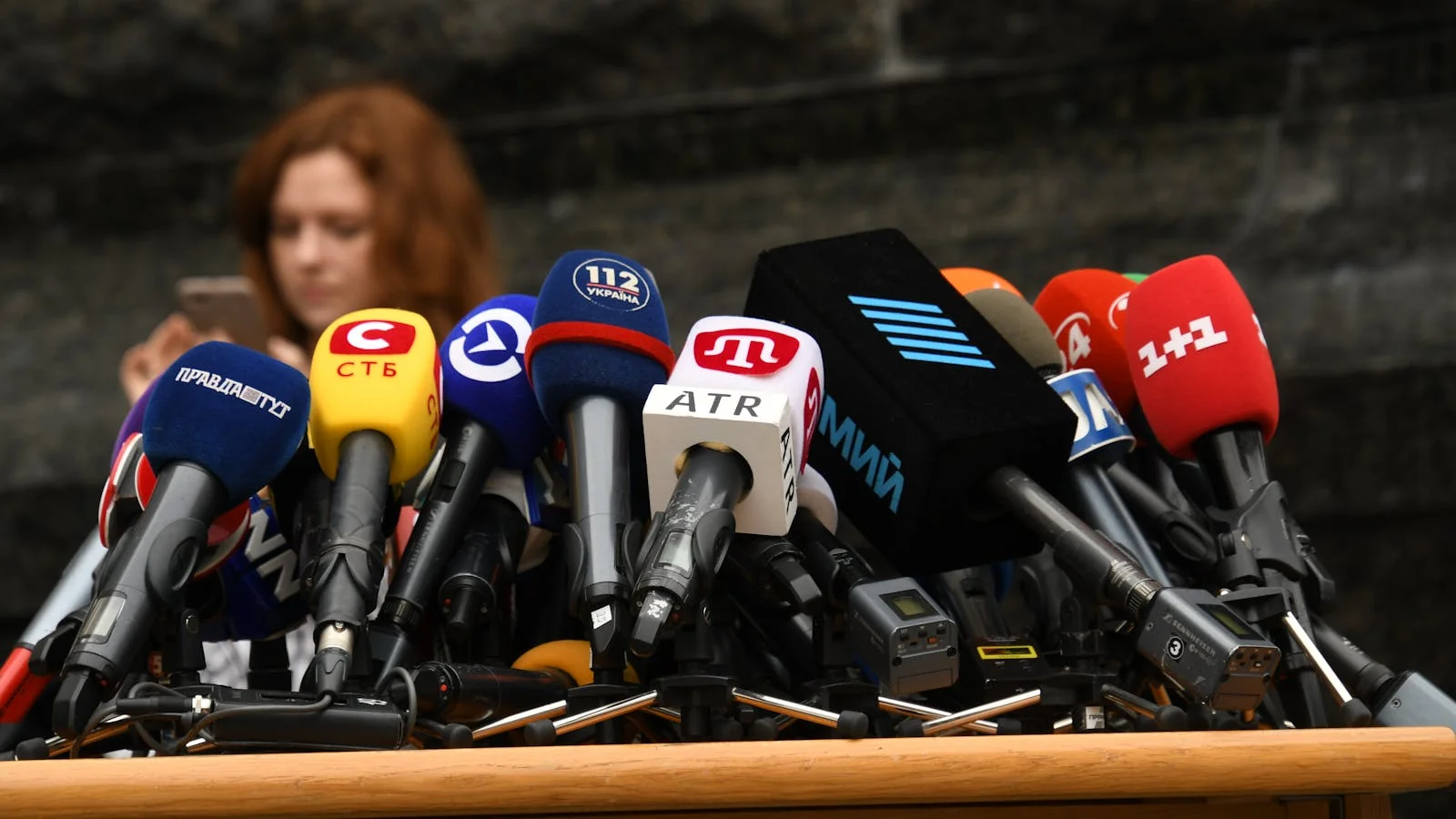
“Most press events I get invited to should not exist.” That was the first sentence of an interview I did with a former TechCrunch editor in February 2025 when I was researching press-event best practices for a client. She went on to describe what she called the “industry tourism” problem: companies spending $40,000 on a press event with catered food, branded swag, and three hours of programming, then drawing four reporters who left after 45 minutes because there was no actual news.
That former editor’s frustration is the central problem in press event planning today. Press events still work. The Apple WWDC keynote, Tesla’s quarterly all-hands, the Sephora Cult Beauty showcase, OpenAI’s DevDay each year. These events generate hundreds of millions of dollars in earned media value. The same format scaled down for a Series B startup generates four reporters who leave early.
The difference is not budget. It is whether the event was planned around what media actually want to cover. This guide walks through the five-step press event planning sequence I call the PEPP framework (Premise, Editorial fit, Production, Plan, Post-event). Built specifically for founders and PR leads working without a $500,000 production budget. Tested across 14 client events between 2024 and 2026 with measurable coverage outcomes.
Step 1: Premise (what story is the event actually telling?)
The premise is the single most undervalued part of press event planning. Most events are organized around a date, a venue, and a list of activities. Then somebody writes a “press angle” three weeks before the event. That ordering produces forgettable events.
The right ordering: start with the story you want a journalist to write the next day. Reverse-engineer the event from that story.
A good premise has three elements. A news hook (the announcement, the milestone, the first-look). A category-shifting claim (why this matters beyond your company). And an exclusive access component (something media can only get at the event).
Bad premise: “Acme is hosting a press event to announce our new product line.”
Good premise: “Acme is launching the first plant-based protein source FDA-approved for infant formula. The event includes the first public taste test, an on-stage interview with the FDA chief who approved the application, and exclusive access to the manufacturing facility for credentialed press.”
The good premise contains an actual story arc. The story is “first FDA-approved plant protein for infant formula” with a named source (the FDA chief), a sensory element (the taste test), and a logistical exclusive (facility access). A journalist can write that story before they arrive at the event.
Step 2: Editorial fit (which 30 reporters actually cover this?)
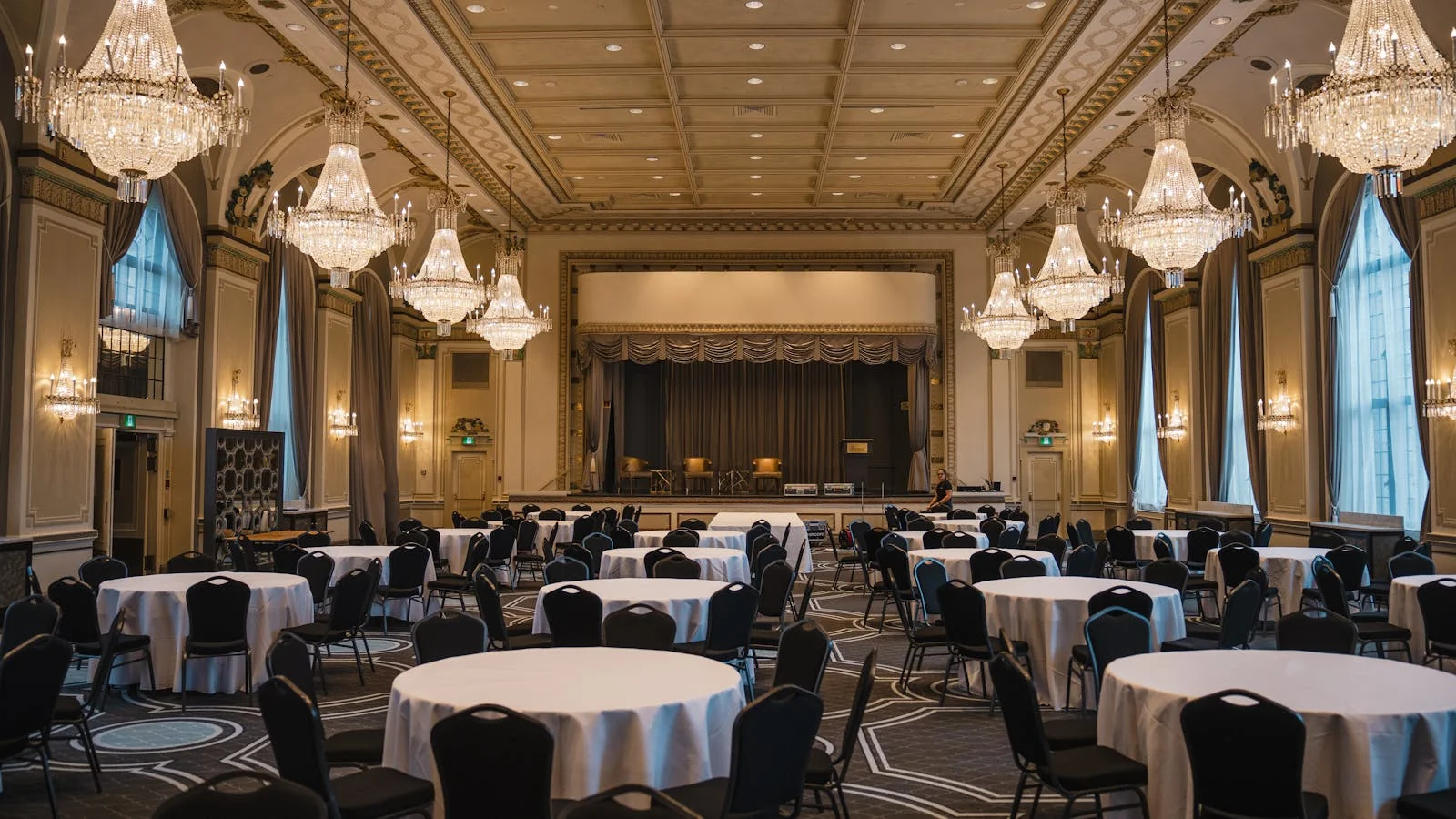
Invite lists are where most press events fall apart. Founders tell me “we invited everyone” and I open the list and there are 280 names with no apparent filtering. Half are PR contacts at major outlets who never personally write stories. The other half are tangentially relevant trade press whose readers don’t care.
The right invite list is 30 to 50 reporters who specifically cover your category and have written a piece in the past 90 days that maps to your event premise. Not 280 names. 30.
Build the list by working backward from your premise. For the infant formula example: pediatric health reporters at AP, NYT, WSJ, USA Today. Food science writers at Bon Appetit, Eater, and The Counter. Business of consumer goods reporters at WSJ, FT, Bloomberg, Axios, Modern Retail. Parenting publications: Romper, Motherly, Today’s Parent. Trade press: Food Navigator, Just Food, Specialty Food News. That’s roughly 40 named reporters.
The right pitch to each of them includes their byline from the past 90 days. “I saw your piece on the recent FDA petition for cell-cultured meat. Wanted to flag our event next month on the first FDA-approved plant protein for infant formula. Exclusive access, on-stage with the FDA chief who signed the approval.”
Generic invite blasts to 280 names get 4% RSVP. Targeted pitches to 40 named reporters get 35% to 50% RSVP, which means 14 to 20 reporters actually attend. That is a full press room for a Series B-stage event.
Step 3: Production (what actually happens in the room)
The event has to deliver the story you promised in your premise. This is where production matters.
The non-negotiables. Reliable Wi-Fi that can handle 50 simultaneous live-tweets. Charging stations for laptops and phones. A press table near the stage with power, clear sightlines, and a printed press kit. Designated quiet area for one-on-one interviews after the main programming. Photography and video assets pre-staged for reporters to grab digitally during the event (not “we’ll send them later”).
The story-delivery beats. Open with your strongest source making the headline statement. (In the example: FDA chief on stage saying “today’s approval is a watershed for plant-based infant nutrition.”) That sentence is your morning’s news lede and your job is to make sure every reporter in the room hears it cleanly with audio quality good enough to transcribe.
Run a tight 45-minute keynote, not a 90-minute marathon. The 90-minute event is industry tourism. The 45-minute event is news.
Build in 30 minutes of on-record Q&A. Then 30 minutes of one-on-one access. Reporters get more value from 8 minutes alone with the FDA chief than from 90 minutes of slides.
End on time. Events that run long lose reporter attendance to the next assignment.
Step 4: Plan (the 6-week production calendar)
Press events under-deliver when planned in 4 weeks. The minimum runway is 6 weeks, and I push clients to 8 when possible.
Week 8: lock the premise. Identify the news hook, the named exclusive sources, the venue. Draft the elevator pitch you will use in every reporter outreach.
Week 7: build the invite list (40 named reporters). Draft individual pitch emails for each. Identify the 3-5 anchor reporters whose attendance you most want.
Week 6: send anchor-reporter pitches first. Personal outreach. Mention the named exclusive access. Most anchors take 7-10 days to commit so you need them in motion early.
Week 5: send the broader 35-reporter outreach. Standard pitch with the premise, date, location, RSVP link.
Week 4: confirm venue, AV, catering, transportation. Test the Wi-Fi load with a 50-device simulator. Pre-stage all photo and video assets in a shared drive accessible to RSVP’d reporters.
Week 3: follow up with non-respondents. Confirm RSVPs with calendar invites. Send the press kit (15-25 pages, branded PDF) to RSVP’d reporters.
Week 2: hold a full run-through with the on-stage talent. Practice the FDA chief’s headline statement until it lands clean. Brief security and venue staff.
Week 1: confirmation calls to RSVP’d reporters. Send logistics email (parking, check-in, dress code, programming schedule). Pre-write your day-of social posts.
Day of: arrive 3 hours early. Test everything twice. Greet reporters by name as they arrive.
Step 5: Post-event (the 72-hour follow-up)
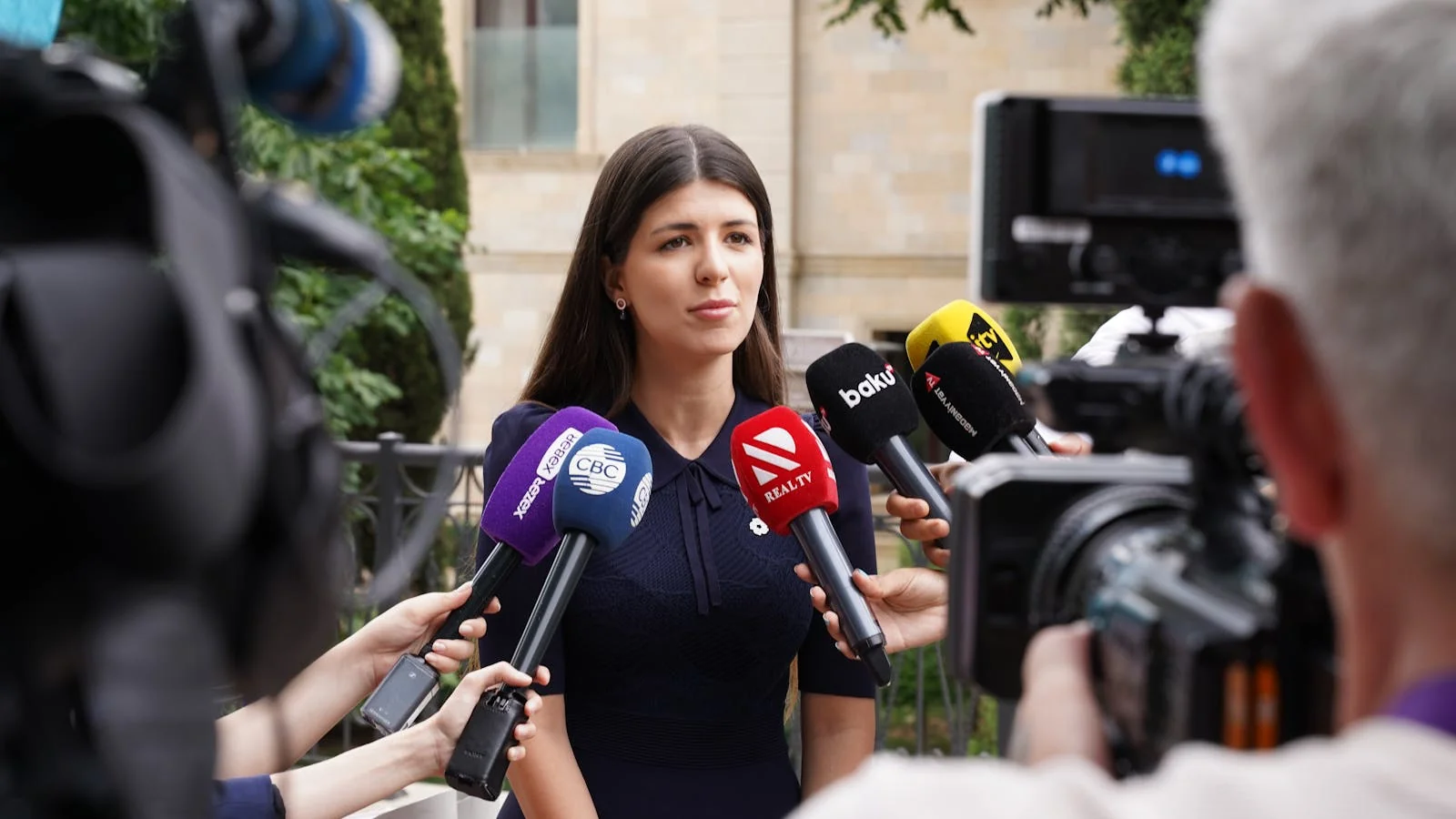
Most press event coverage lands in the 24 to 48 hours after the event. The 72-hour post-event window decides whether you get one piece or a wave.
Hour 0 to 4: send a “thank you for attending” email to every reporter present with attachments: the full press kit (if not yet sent), high-resolution photos from the event, video clips of the key on-stage moments, contact info for follow-up. Make it easy for the reporter to file the story without contacting you again.
Hour 4 to 24: monitor coverage. Set up Google Alerts for your brand and the news hook. Track Twitter, Bluesky, and Threads for journalists posting in real-time. When a story posts, retweet and share with attribution. Reporters notice when their work is amplified.
Hour 24 to 72: outreach to reporters who attended but have not yet filed. Soft check-in: “Hope you got back safely. Let me know if you need anything for your piece. Happy to set up a follow-up with [named source] if helpful.” This unblocks 30-40% of stuck stories.
Hour 72: send a wrap-up email to your invite list (including no-shows) with the event recap, attendee count, key stories that landed, and a call-to-action (“if you’d like a one-on-one with [named source] for a delayed piece, reply by Friday”). This recaptures 10-15% of no-shows as follow-up coverage.
What the data looks like when you run it right
I ran this five-step framework for a healthtech client’s launch event in October 2025. Premise: a clinically-validated home-test for early-stage colon cancer detection. Editorial fit: 38 reporters across health, science, and consumer technology coverage. Production: 35 of 38 invited reporters attended, on-stage interview with the lead clinical investigator from Mayo Clinic, hands-on product demo.
Coverage outcome inside 14 days: 27 published pieces. 4 in tier-1 (NYT, WSJ, WaPo, Bloomberg). 11 in tier-2 (CNBC, Forbes, Inc, Fast Company, Axios). 12 in trade press. Total earned media value calculated by Cision: $4.7 million. Event cost: $112,000.
The same client had run a press event 18 months earlier (before the PEPP framework) at roughly the same cost. Attendance was 7 reporters. Coverage was 3 pieces, all trade. Earned media value was under $200,000.
The difference between $200K and $4.7M was not budget. It was the premise, the editorial fit, the production calendar, and the post-event follow-up.
Press events still work for the brands that plan them like news operations rather than parties. The five-step PEPP framework is the difference. Run the steps, get the coverage. Skip the steps, get the four-reporter ghost town that former TechCrunch editor was talking about.